
This week’s science news was filled with astonishing stories about ecological transformations. Topping the list was the finding that China has planted so many trees around the Taklamakan Desert that it has turned one of the world’s largest and driest places into a carbon sink that sucks up more carbon dioxide than it emits.
The effort is part of China’s “Great Green Wall” aimed at holding back the expansion of the Gobi Desert. So far, China has planted roughly 88 million acres (36 million hectares) of forest and 66 billion trees, showing that human-led interventions can transform natural landscapes for the better. That was also evident in China’s ban of fishing in the Yangtze River, which has caused fish populations to rebound.
Viking Age mass grave contains “giant” who’d had brain surgery
A Viking Age mass grave filled with the dismembered remains of 10 people in England also contained the skeleton of an extremely tall man who’d had brain surgery, we reported this week.
Archaeologists unearthed four complete skeletons, along with a scattering of heads and limbs, during an excavation of Wandlebury Country Park, south of Cambridge, in summer 2025. Evidence strongly suggests that the pit’s occupants had met violent ends. This most likely ties these buried bones to ninth-century conflicts between the Saxons and the Vikings, during which Cambridge was a frontier zone.
As for the giant, scientists speculated that he may have experienced pituitary gigantism, a condition that causes the body to overproduce growth hormones. This also may have caused swelling in his skull that may have necessitated a form of brain surgery called trepanation, which involves drilling a hole into the cranium.
Discover more archaeology news
—World’s oldest known sewn clothing may be stitched pieces of ice age hide unearthed in Oregon cave
—Paleo-Inuit people braved icy seas to reach remote Greenland islands 4,500 years ago, archaeologists discover
—Subterranean tunnel, possibly used for medieval cult rituals, discovered in Stone Age tomb in Germany
Life’s Little Mysteries
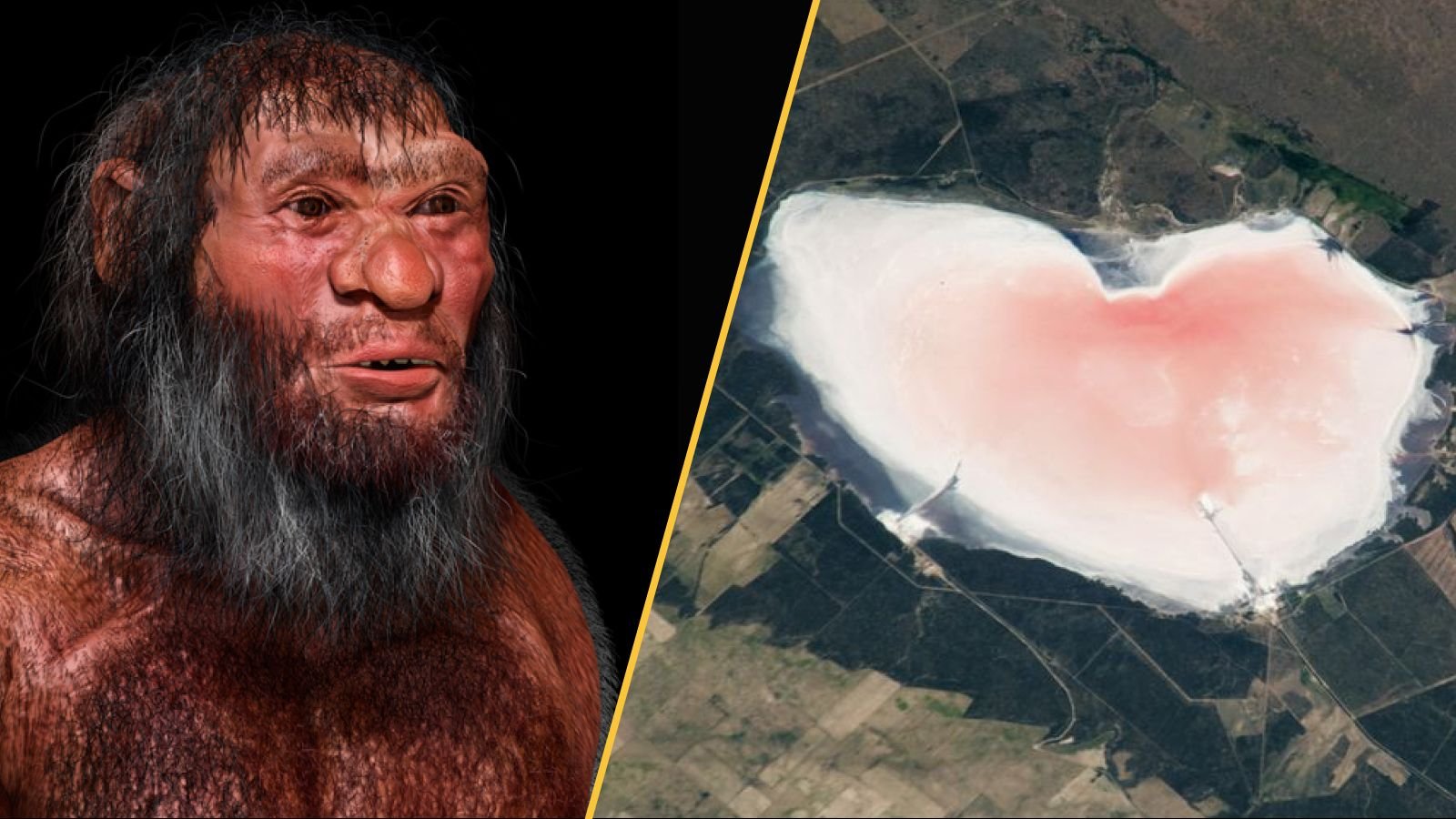
Ghost lineages sound very spooky, but you won’t need Tyler Henry to contact them, just a good geneticist. These extinct populations left behind no fossils, but their traces are being unearthed in humans and other animals.
—If you enjoyed this, sign up for our Life’s Little Mysteries newsletter
Scientists perform dream inception

The role of dreams and the unconscious in our waking cognition has long been a pervading mystery. Take the 19th-century German chemist August Kekulé, who famously claimed to have discovered the ring-like structure of the benzene molecule after dreaming of a snake swallowing its own tail.
This week, we reported on an intriguing study that seemed to demonstrate that dreams can help people solve a conundrum. But this time, the solution was one deliberately inserted into participants’ sleeping minds using a musical cue — not far off the dream manipulation performed in the Christopher Nolan blockbuster “Inception.”
And yes, it actually improved the volunteers’ ability to solve previously encountered puzzles.
Discover more health news
—‘DNA origami’ could be key for making an effective HIV vaccine, early study hints
—Risk of death from pregnancy in the US is 44 times higher than that from abortion, new analysis reveals
—Diagnostic dilemma: Teenager contracts rare ‘welder’s anthrax,’ marking the ninth known case ever reported
Also in science news this week
—NASA telescope spots the building blocks for life spewing out of comet 3I/ATLAS
—Radio signal discovered at the center of our galaxy could put Einstein’s relativity to the test
—Are you a night owl or an early bird?
—Something supercharged Uranus with radiation during Voyager flyby 40 years ago. Scientists now know what.
—Antarctica ‘ghost particle’ observatory gets major upgrade that could ‘pave the way’ to physics breakthroughs
Science long read
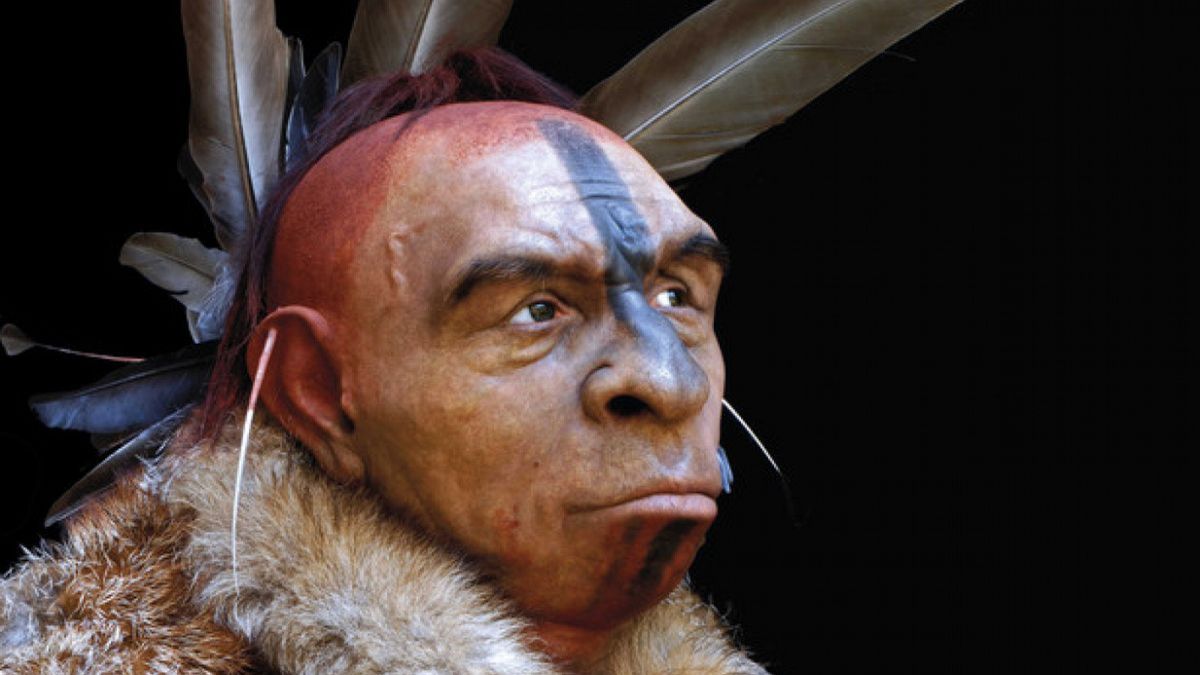
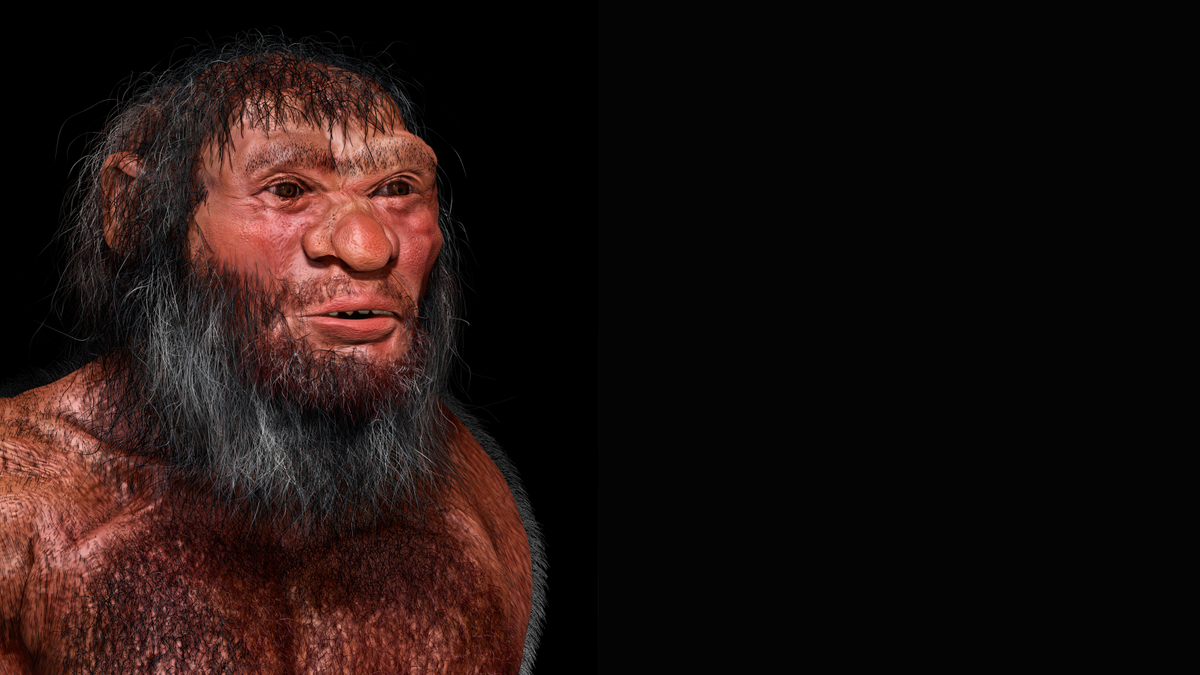
By 37,000 years ago, the gruesome deed was already done. Across El Salt, in southeastern Spain, the final vestiges of the Neanderthals lived their days never knowing they would be their species’ last members. But what drove our evolutionary cousins to extinction? In this long read, Live Science searched for the answers to human prehistory’s most enigmatic whodunit: Who killed the Neanderthals? Reader, was it us?
Something for the weekend
If you’re looking for something a little longer to read over the weekend, here are some of the best analyses, science histories and crosswords published this week.
Science history: ‘Father of modern genetics’ describes his experiments with pea plants — and proves that heredity is transmitted in discrete units — Feb. 8, 1865 [Science history]
Live Science crossword puzzle #29: The ‘middle’ period of the dinosaurs — 13 across [Crossword]
Science news in pictures
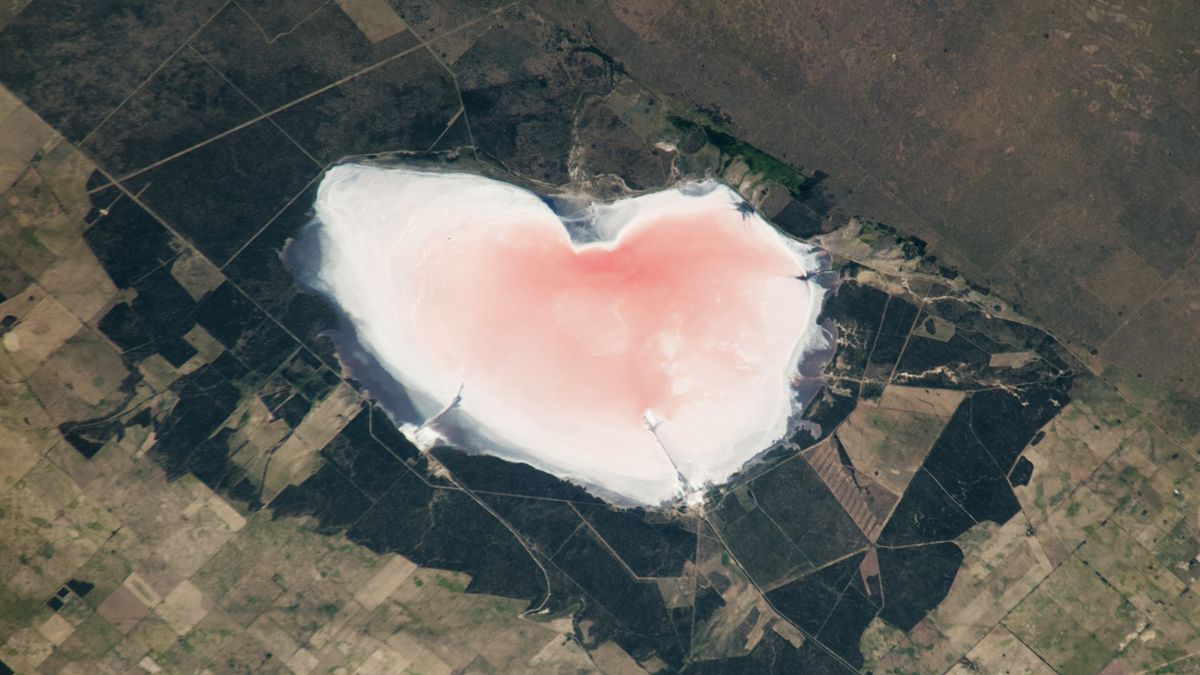
Forgot to get that special someone a romantic gift this Valentine’s Day? We’ve got you covered: Give them some table salt, and say it came from this lake.
Taken by an astronaut aboard the International Space Station as it drifted overhead, Salinas Las Barrancas is an Argentine lake that gets its pink hue from microorganisms that thrive on the salt deposited within. Humans use the salt too; 330,000 tons (300,000 metric tons) of it are mined from the flats each year. The salt is then replenished by the next major rainfall, with mining expected to remain possible for the next 5,000 years.
Follow Live Science on social media
Want more science news? Follow our Live Science WhatsApp Channel for the latest discoveries as they happen. It’s the best way to get our expert reporting on the go, but if you don’t use WhatsApp we’re also on Facebook, X (formerly Twitter), Flipboard, Instagram, TikTok, Bluesky and LinkedIn.
source: https://www.livescience.com/planet-earth/science-news-this-week-china-turns-a-desert-into-a-carbon-sink-a-viking-age-grave-holds-a-giant-who-had-brain-surgery-real-life-inception-and-a-last-minute-valentines-gift-idea-from-the-natural-world



