
St. Petersburg voters may have at least two referendums on their city ballots this November.
One would add a property tax to fast-track $600 million in investments in water and stormwater systems in the face of more frequent and stronger storms. The other would allow 25-year leases, an increase from 10 years, at the city’s port so it can expand a tech hub looking for ways to make the coast more resilient.
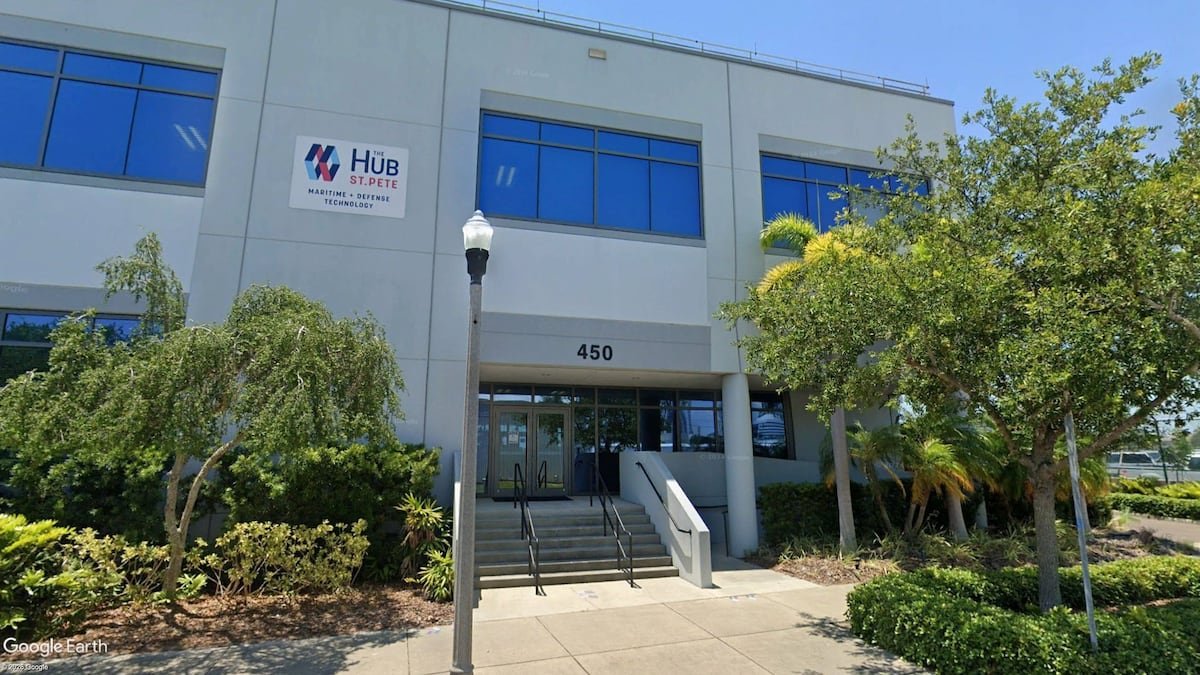
Public officials want to expand the existing Maritime and Defense Technology Hub at the city’s port to build the Center for Coastal Resilience. While the current hub is home to government defense contractors with stricter security measures, the planned 50,000 square-foot center added to the west would host academic, government, non-profit and for-profit institutions that research how to better protect the coast from storms.
The property is on city-owned land, however the city would not provide any funding for the construction of the building. Alison Barlow, CEO of the St. Petersburg Innovation District, and Jason Mathis, CEO of the St. Petersburg Downtown Partnership, are looking to secure federal, state and county grants, though they would like the city’s help in applying for those grants.
Barlow said the latest quote for construction received from contractors is $26.8 million. Mathis said they have been talking with the federal government for years on how to receive funding earmarked for hurricane mitigation. The neighboring Ark Innovation Center received $13 million from that pot, he said.
City officials are still working on the official ballot language for both initiatives. It will take approval from the full City Council to get both measures in place for the November election.
Council members on Thursday seemed much more comfortable with the idea of having a 25-year lease at the city’s port instead of a 50-year lease, as floated in past presentations. One of the city’s attorneys, Brett Pettigrew, said with voter approval, the city could add the port to the list of its properties that can offer 25-year leases.
In 2004, voters approved a referendum that would allow longer lease lengths for Albert Whitted Airport. A similar referendum for the port was not approved at that time.
Council members praised that strategy and said draft referendum language is clearer for voters.
The St. Petersburg Innovation District, which oversees an area that includes two hospitals, the University of South Florida St. Petersburg and Albert Whitted Airport, would co-manage the new building with the St. Petersburg Downtown Partnership. That would create new revenue sources for both organizations.
The longer leases, the groups say, would help with financing for the building and attract more tenants.



