
Aldo Agaatsz is an Amsterdam-based filmmaker and founder of Peper Film. Known for exploring social issues and identity, his short films include Elements (2022) and “Sudah” which premiered at NFF 2025.
The movie begins with a girl, Senna, finishing packing her overflowing suitcase, filled with various souvenirs from the Netherlands, mostly cheese and chocolates, as she prepares to search for her Manadonese roots in Indonesia. At the same time, her mother is preparing her farewell dinner, while consistently declining Senna’s invitation to accompany her. Senna, however, insists, asking her mother to essentially show her her past. The mother continues to refuse throughout the preparation, while the mention of David also coming for dinner triggers a noticeably tense reaction from Senna.
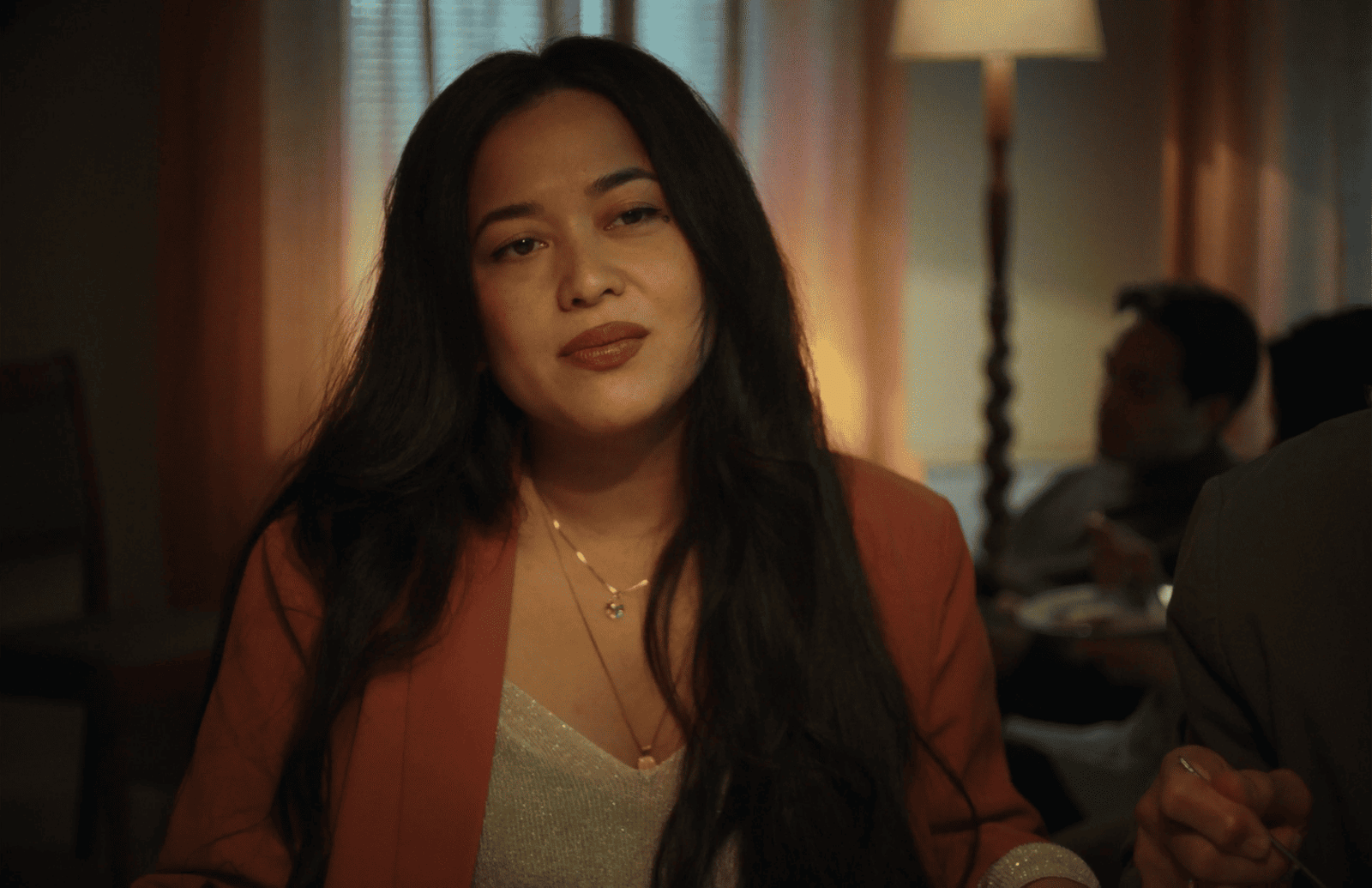
A bit later, the whole family gathers around the table, saying a Christian prayer before the meal, while everyone offers advice to Senna about sightseeing. She continues to press about her past during dinner, although her mother’s attitude remains dismissive. A photo of her father in Manado increases her mother’s discomfort, eventually leading to an emotional outburst. It is at that point that Senna decides to reveal her own secret, a revelation that ultimately brings them all closer together.
Highlighting one of the rare Christian communities in the most populous Muslim country in the world seems to be the main focus of Aldo Agaatsz, with this aspect communicated primarily through food, but also through customs and religious practices. At the same time, the tension between mother and daughter adds a layer of family drama that works well overall, although the fact that the central mystery is not resolved clearly proves somewhat problematic.
The twist and its impact function as a strong focal point and a catalyst for the shift in atmosphere, although its implementation feels somewhat abrupt. In general, it becomes evident that Agaatsz would have benefited from more time to explore his themes in greater depth, with the narrative feeling somewhat constrained within the 19-minute duration.
Nevertheless, some of the commentary comes through effectively, particularly in the depiction of the specific culture, while the work of Dionne Cats, especially in the presentation of the food and its preparation, is top-notch, further enhanced by the strong use of color. Richelle van Loon’s editing results in a relatively fast pace that supports the effort to present as much narrative and thematic material as possible within the limited runtime.
Denise Aznam delivers a convincing performance as Senna, effectively portraying her inner struggle and determination, while Rim Kawuwung highlights both the positive and negative aspects of motherhood with notable nuance.
“Sudah”, despite needing some more duration, emerges as a competently shot work, standing out particularly due to the cinematography and acting.



