
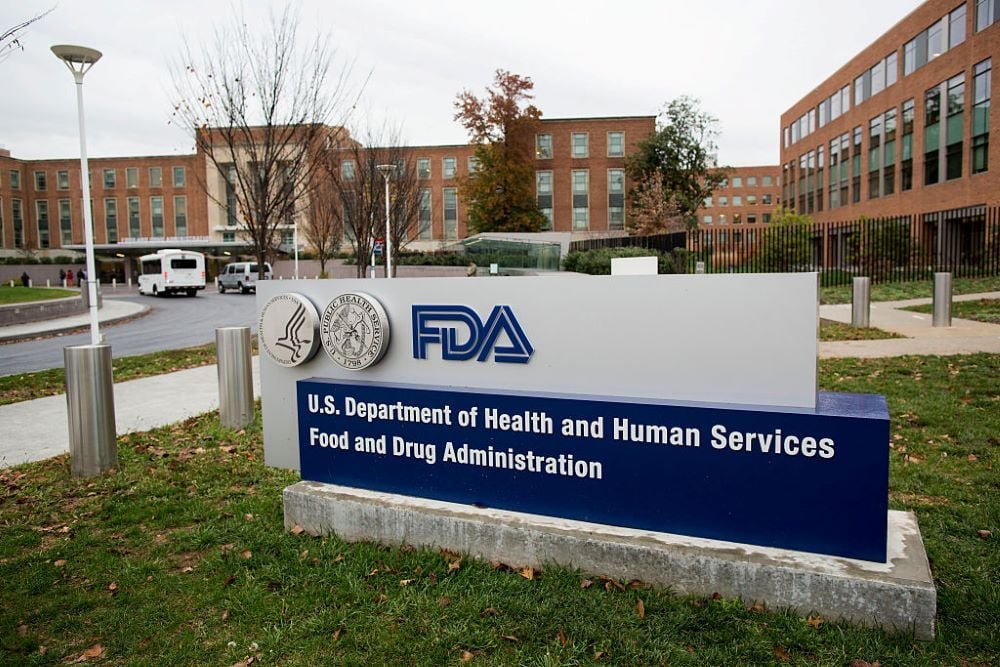
The FDA should strengthen the evidence required for drug approvals under its accelerated pathway and increase transparency surrounding those regulatory decisions, according to a report (PDF) from a prominent industry and government watchdog.
In the report, the Institute for Clinical and Economic Review (ICER) also recommends that advisory committees review drugs that are up for accelerated approval and that the pathway spell out more clearly the benefits and risks associated with the use of drugs approved under its purview.
“The goal of the accelerated approval pathway has always been to ensure that patients receive innovative treatments faster,” Sarah Emond, the CEO of ICER, said in a release. “We can point to several successes where patients have benefited from expedited access to transformative medications. However, there are also many instances of regulatory inconsistency, lagged development of confirmatory trial data and access restrictions that have limited patient use.”
Emond added that patients, manufacturers, payers and purchasers are “frustrated.”
Additionally, the FDA needs to step up its scrutiny of confirmatory trials and its enforcement of post-marketing requirements, ICER said, adding that it also should establish procedures to sunset accelerated approvals that lack confirmatory evidence.
In its report, ICER cited Sarepta Therapeutics and its Duchenne muscular dystrophy (DMD) drug Exondys 51 as an example of potential lapses in the pathway. The drug gained an accelerated approval in 2016, but Sarepta “has since failed to produce confirmatory data for the drug,” while continuing to market it, according to ICER.
The FDA established the accelerated approval pathway in 1992 in response to the AIDS epidemic and the need to provide drugs quickly for life-threatening diseases for which there is no alternative treatment.
The 2021 accelerated approval of Biogen’s failed Alzheimer’s disease drug Aduhelm—which was grounded by the company less than three years later because of its lack of effectiveness—shed a harsh light on the accelerated pathway.
In January of 2025, the Department of Health and Human Services (HHS) Office of Inspector General (OIG) released a report which concluded that the Aduhelm fiasco was generally an outlier.
In reviewing the accelerated approvals of 24 drugs, the report found only two other nods that raised issues: those for Sarepta’s Exondys and for Covis Pharma’s preterm birth drug Makena. The OIG found that the FDA approved all three drugs despite concerns raised by its own reviewers or independent advisory committees.
The National Pharmaceutical Council (NPC), a health policy research organization which is funded by biopharma companies, pointed out that ICER’s white paper emphasizes the risks associated with the pathway while “downplaying its current benefits.”
“The evidence tells a different story. Despite its challenges, research shows the pathway is largely working as intended, is delivering value to patients, and overall, its benefits outweigh its risks,” the NPC added in a statement. “As healthcare stakeholders consider additional reforms to the pathway, it’s worth examining what the evidence shows about how the program is performing and the vital role it plays in earlier patient access to innovative medicines.”



