
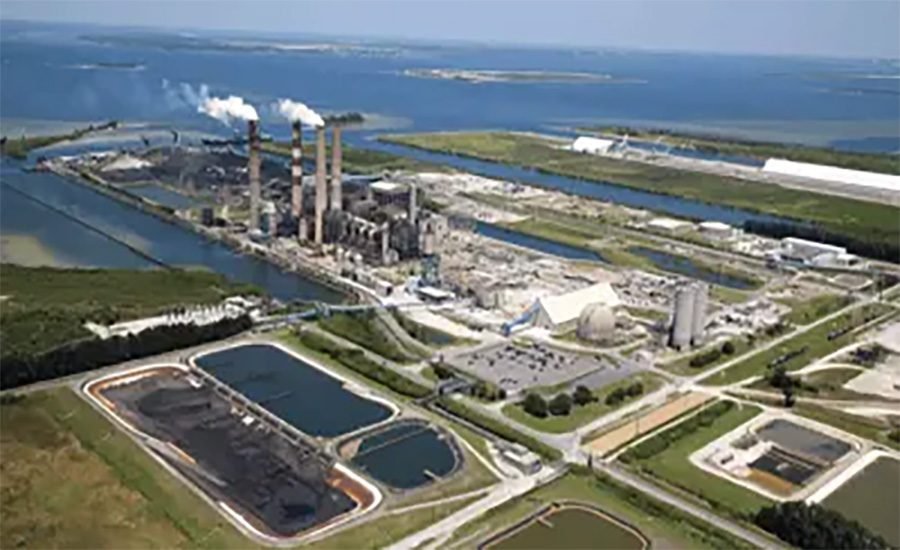
The U.S. Environmental Protection Agency proposed revisions May 14 to wastewater requirements governing coal-fired power plants, a move the agency says could lower electricity generation costs and preserve grid reliability as demand rises.
The proposal would revise effluent limitations guidelines, known as ELGs, for steam electric power plants by rescinding treatment requirements associated with unmanaged combustion residual leachate, or wastewater linked to coal ash disposal sites. EPA estimates the change could reduce electricity generation costs by as much as $1.1 billion annually.
The action marks the latest step in a broader reconsideration of Biden-era wastewater standards that utilities and industry groups argued created operational and compliance challenges for coal-fired facilities.
The proposal follows a series of EPA actions this year aimed at providing utilities additional compliance flexibility while the agency reconsiders broader wastewater standards.
A March EPA final rule extended some compliance deadlines by five years, to Dec. 31, 2034, while creating mechanisms allowing facilities to shift between compliance pathways and request alternative timelines because of supply chain or reliability concerns.
EPA Administrator Lee Zeldin said the proposal supports the administration’s efforts to reduce electricity costs and improve reliability. He argued that growing electricity demand from artificial intelligence infrastructure and data centers “cannot be met under the overly restrictive policies of past administrations.”
EPA said the proposal would replace prescriptive requirements with a case-by-case permitting approach intended to provide more flexibility to regulators and plant operators. The agency said it would continue using Clean Water Act authorities while pursuing what it described as more workable standards.
Looking for quick answers on construction and engineering topics?
Try Ask ENR, our new smart AI search tool.
Ask ENR →
In a March analysis, Hunton Andrews Kurth LLP partner Andrew J. Turner and counsel Brian R. Levey outlined compliance-flexibility provisions that could require facilities seeking alternative timelines to submit detailed engineering dependency charts and milestone schedules documenting project sequencing and critical path considerations. Such planning requirements could create additional engineering and project-management work as utilities evaluate compliance options.
Power-sector groups welcomed the proposal, arguing it could reduce regulatory uncertainty and help utilities keep coal capacity online.
RELATED
FERC Weighs Federal Oversight of AI Data Center Grid Connections
“We appreciate EPA’s efforts to rescind one-size-fits-all ELG requirements that are unnecessarily prescriptive and costly,” said Michelle Bloodworth, president and CEO of America’s Power. “This proposal represents another important step toward preserving the nation’s coal fleet.”
The National Mining Association also endorsed the approach. Tawny Bridgeford, the organization’s general counsel and senior vice president for regulatory affairs, said previous requirements “resulted in early coal retirements that raised electricity prices and harmed grid reliability.”
EPA previously estimated treatment requirements for unmanaged leachate would prevent between 113 million and 601 million lb annually of pollutants from reaching waterways at 61 to 113 facilities nationwide, according to estimates cited by Earthjustice. The environmental organization said the proposed revisions could weaken standards at as many as 104 plants.
“This is another example of the Trump administration endangering the health of Americans as a favor to corporate polluters,” said Earthjustice attorney Thom Cmar. “This plan would eliminate safeguards on hundreds of millions of pounds of wastewater with neurotoxins and cancer-causing contaminants.”
Coal wastewater standards have also drawn criticism from drinking-water and environmental organizations. Earthjustice noted that the American Water Works Association and Alliance of Nurses for Healthy Environments warned EPA about risks coal wastewater pollution can pose to drinking-water sources, while environmental groups, including Clean Water Action, have argued that stronger treatment requirements are needed.
Existing ELG requirements affect planning for wastewater treatment systems, piping networks, ash handling modifications, groundwater management systems and related environmental infrastructure at affected facilities.
Environmental groups sharply criticized the proposal and signaled potential legal challenges that could extend uncertainty around future compliance planning.
EPA said it will accept public comments on the proposal for 30 days.
Source: www.enr.com



