
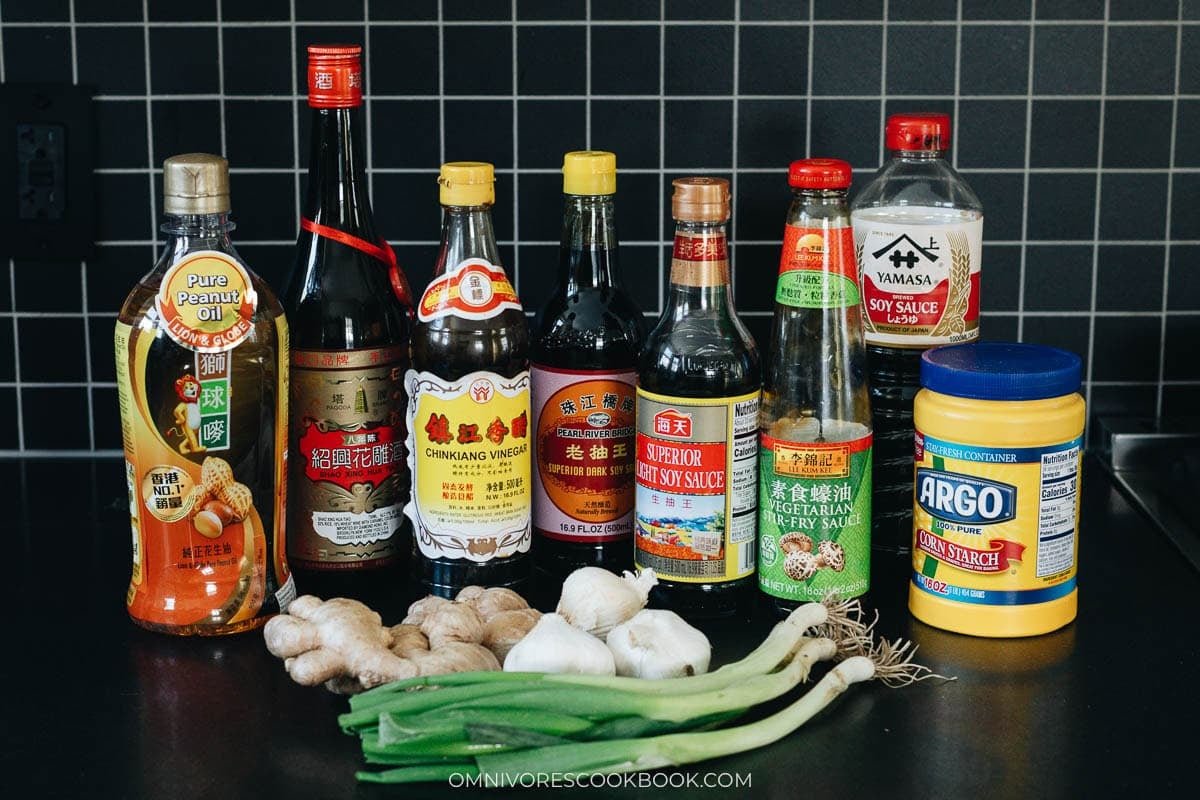
I grew up in Beijing watching my mom build whole meals around a small set of pantry staples. A bottle of light soy sauce. A jar of doubanjiang in the back of the fridge. A knob of ginger on the counter. The same handful of ingredients showed up in dish after dish, and once I understood what each one did, Chinese cooking stopped being a long list of unfamiliar names and started to make sense.
When I moved to New York and started cooking for my husband, I had to track all these ingredients down again. Some I find at the Chinatown near me, others I order online when the trip is too far. Now my pantry has the same staples my mom kept in Beijing, plus a few my husband insists on, like the jar of chili crisp that lives on our counter year round.
This is my running collecting of 20 ingredients I reach for most often, grouped by how essential each one is. The first 6 are the must-haves I would never cook Chinese food without. The 3 aromatics live in my fridge year round. The next 5 are sauces and pastes that unlock a whole range of regional dishes. And the last 5 are the spices I open up when I want depth or heat.
A few practical tips before we start
Start Small: Buy small bottles when you are trying something new.
Refrigerate After: Store opened sauces in the fridge.
Check Labels: Always check the label for whether a soy sauce is light or dark, because they are not interchangeable.
20 Essential Chinese Ingredients
Here is what I keep stocked in my Chinese pantry, in the order I add them to my list when someone asks where to begin.
6 Must-Have Basic Chinese Ingredients
Light soy sauce (or regular soy sauce)
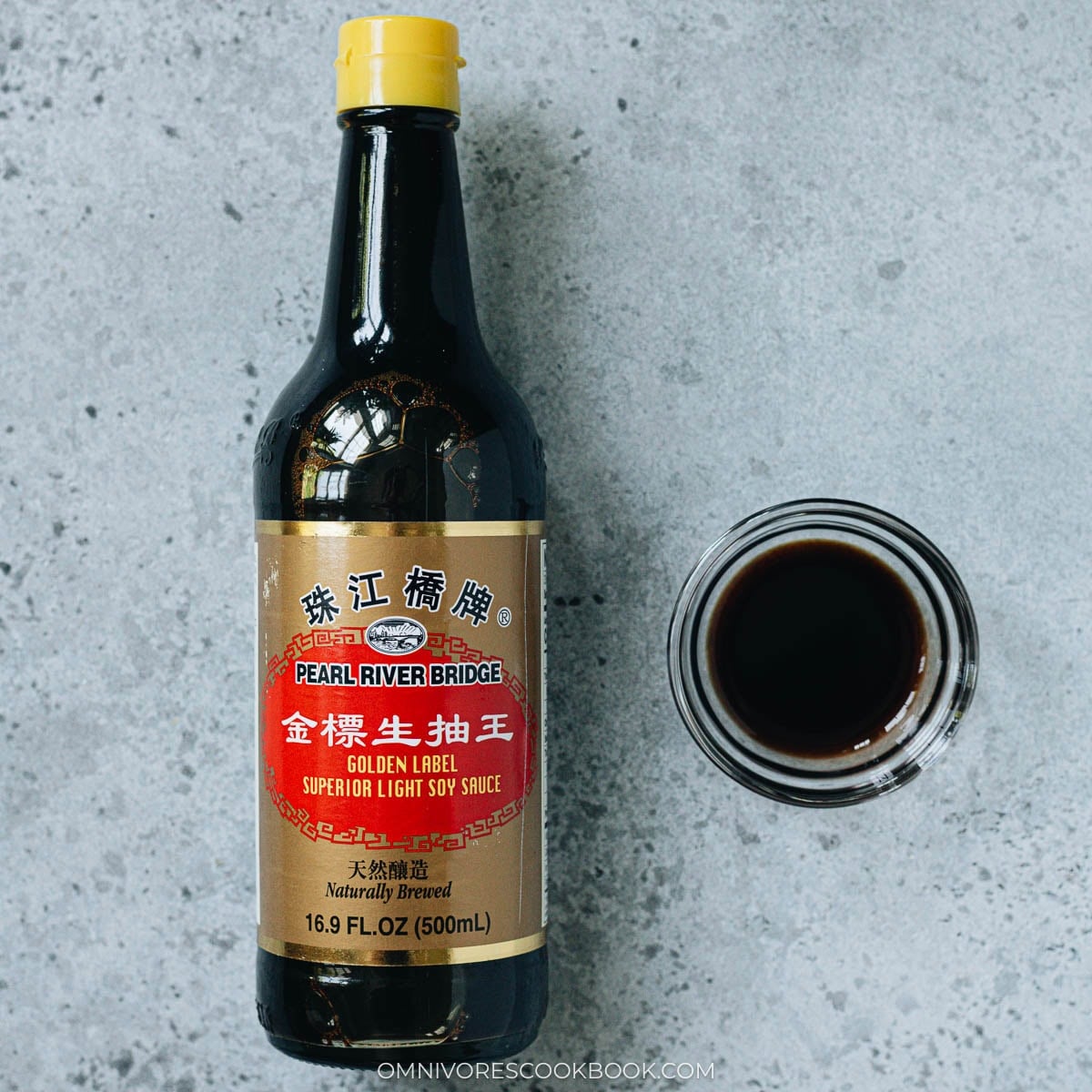
Light soy sauce is the soy sauce I use most. It is thinner, saltier, and lighter in color than dark soy sauce, and it works as both seasoning and base for almost every Chinese sauce I make. My mom kept a bottle right on the counter and used it instead of table salt for most stir fries, and I still do the same thing in my New York kitchen.
Light soy sauce gives the salty backbone that pulls a stir fry together without turning the color too dark. It is fermented from soybeans and wheat, and the flavor is clean and savory rather than heavy. When a Chinese recipe just says “soy sauce” without specifying which, light soy sauce is almost always what it means.
I reach for it in everything from a simple weeknight chicken stir fry or beef dumpling dipping sauce to the marinade for chicken thighs my hubby asks for once a week. Look for Pearl River Bridge or Lee Kum Kee at the Chinese grocery, and skip anything labeled “all purpose” because the flavor tends to be flatter. If you only buy one Chinese ingredient on this list, make it this one. So good. You will use it constantly.
If you avoid gluten, you can either use tamari to replace the (light) soy sauce.
Recommended Brands
- Light soy sauce: Pearl River Bridge (my favorite), Lee Kum Kee, Haitian (Sometimes translated to Haday. My mom’s favorite brand)
- Regular soy sauce: Kikkoman (preferably made in Japan), Yamasa Less Salt Soy Sauce (One of my favorite low sodium soy sauce that has a great flavor.)
Dark soy sauce
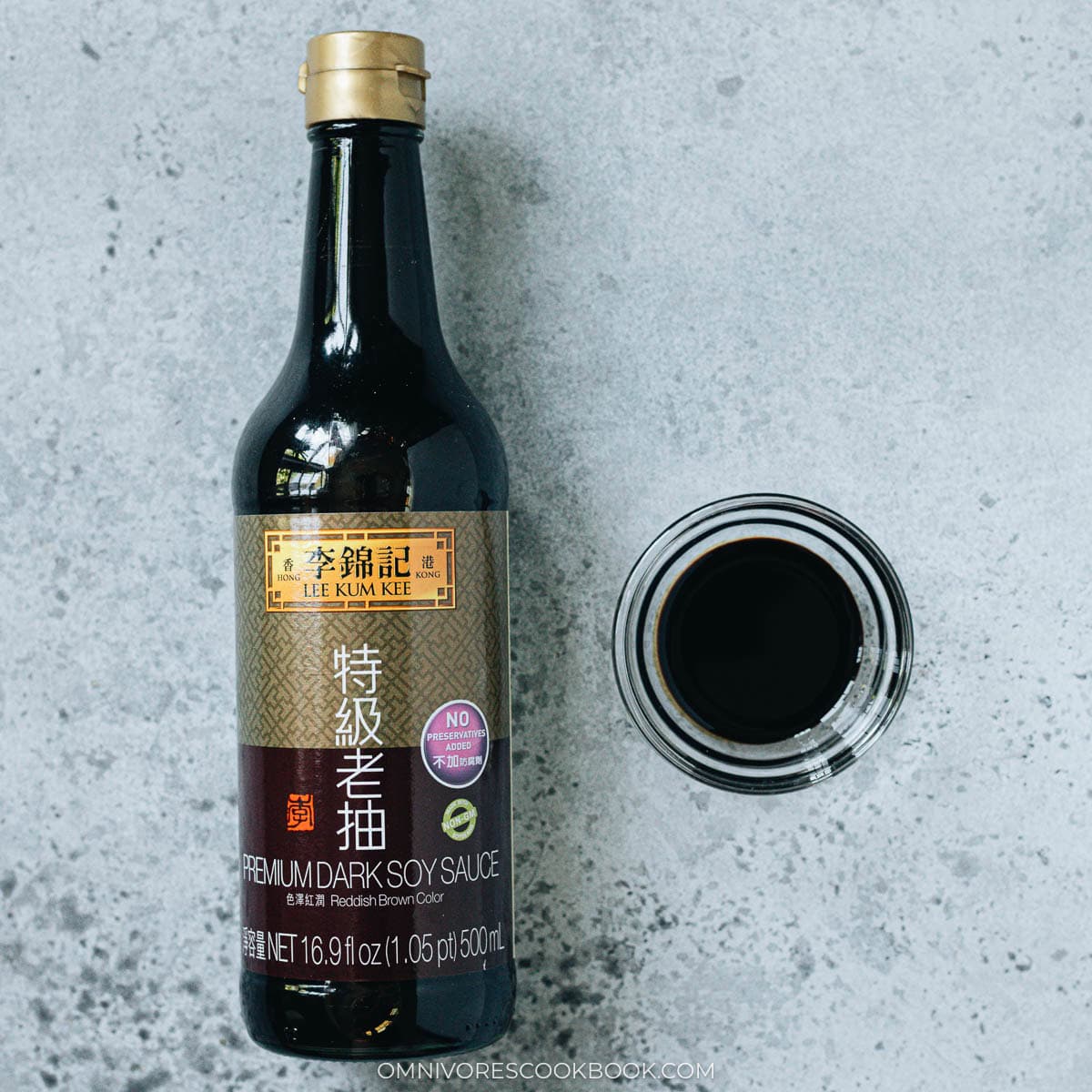
Dark soy sauce is the moodier sibling of light soy sauce. It is thicker, slightly sweet from added molasses, and the color is so deep that a small spoonful turns a pot of meat or noodles a glossy mahogany brown. The first time I cooked with it without checking the label, I poured in the same amount I would have used for light soy sauce, and my dish came out almost black. Lesson learned.
The flavor is more about color and depth than salt, so it is not meant to replace light soy sauce in a recipe. Dark soy sauce gives braised dishes a deep brown look and a soft caramelized note underneath, but it can taste muddy if you use too much.
I add it to my beef chow fun for that classic dark glossy noodle look, and I always reach for it when I make red braised pork because the dish would look completely wrong without it. If you cook a lot of braises and noodle dishes that go heavy on color, you will be glad to have a bottle in the pantry. Highly recommended.
Recommended Brands
Pearl River Bridge, Lee Kum Kee, Haitian
Chinkiang vinegar
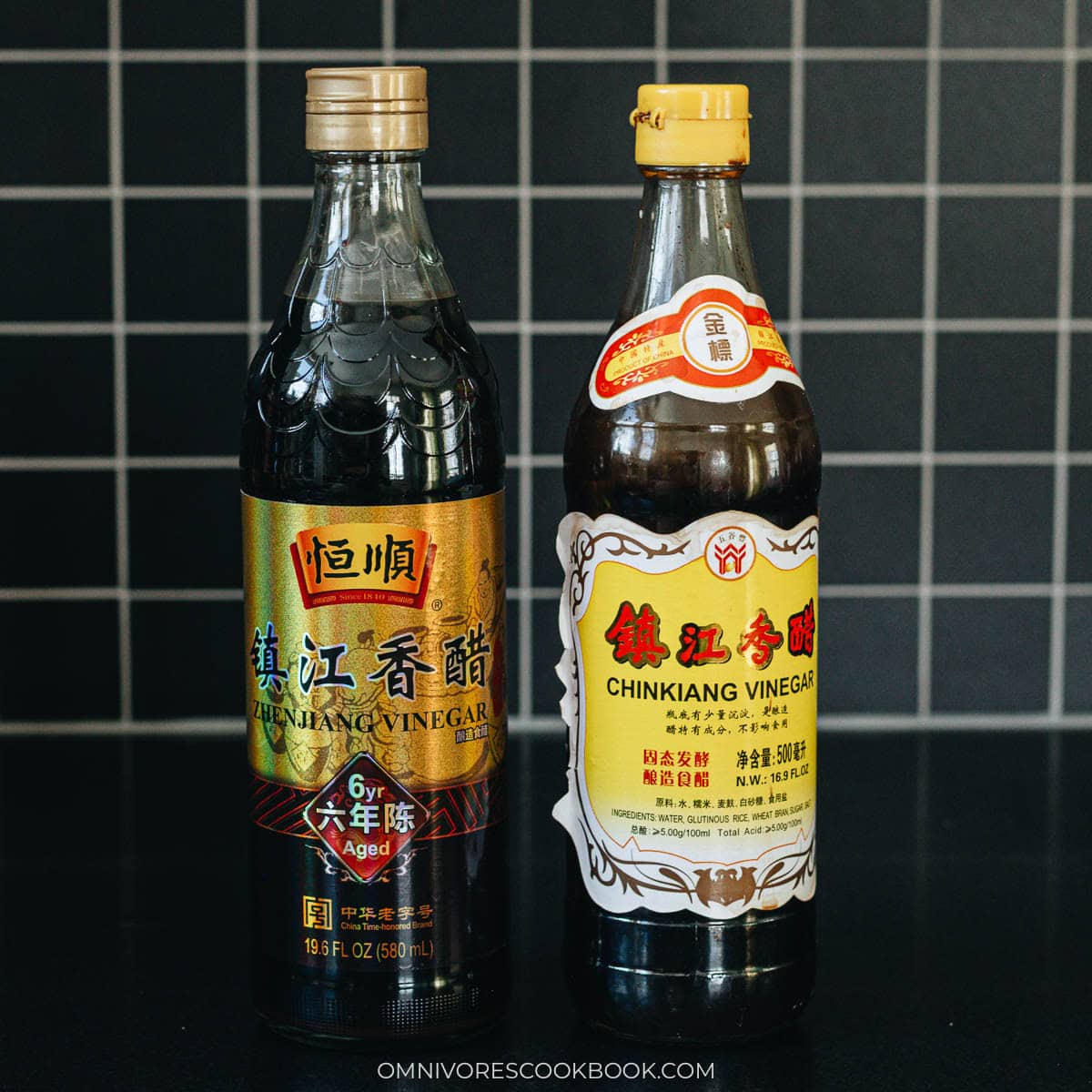
Chinkiang vinegar or Zhen Jiang Xiang Cu (镇江香醋), is the dark, smoky Chinese black vinegar (黑醋, Hei Cu) made from fermented sticky rice. It is the one bottle I had to stop and explain to my husband the first time he saw it on our table, because it does not taste like the rice vinegar most American kitchens know. The depth is closer to balsamic, but darker and more savory underneath.
A splash brings sharpness and complexity to a dish without making it puckery sour. The longer fermentation gives it a malty quality that pairs amazing with soy sauce, ginger, and chili. I always pour a little into the dipping sauce when I serve dumplings, and I count on it to round out braises and cold dishes.
I drizzle it over my cucumber salad right before serving and use it in the sauce for my General Tso’s Chicken. Look for the Gold Plum brand if you can find it. Once you start using it, regular rice vinegar will not be enough anymore.
Recommended Brands
Golden Plum, Heng Shun, Shan Xi Vinegar (NOTE, the last one is not Chinking, but for dumpling dippings)
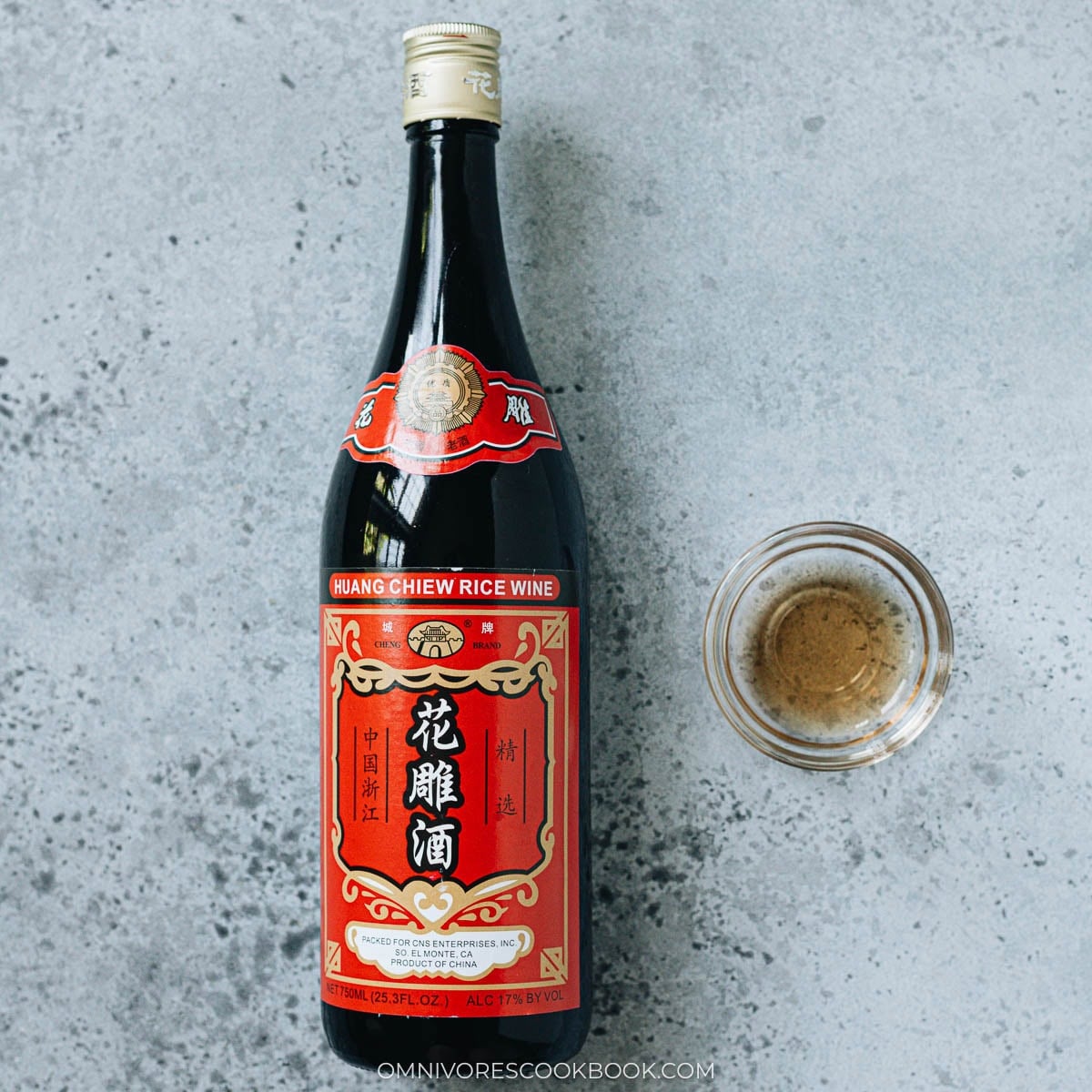
Shaoxing wine (or dry sherry)
Shaoxing wine (绍兴酒, pronounced “shao-shing”) is a type of rice wine, made from fermented rice and used the way French cooking uses dry sherry. My mom used to keep a wide-mouthed bottle of it on the lower shelf of the kitchen, and she splashed it into the wok at the start of almost every stir fry. The smell that lifted out of the wok the moment it touched the hot pan is one of the first kitchen memories I have.
It has an alcohol content of around 17%, so it is impossible for grocery stores in some states to carry the original unsalted type. I highly recommend to purchase your Shaoxing wine from an Asian liquor store or Asian grocery store, where it is usually displayed in the liquor section (not the pantry section).
Shaoxing wine deglazes the pan, tenderizes meat in marinades, and adds a layer of fragrance. It is closer in flavor to dry sherry than to mirin or sake, so if you are stuck, dry sherry is the closest substitute I trust. Skip anything labeled “cooking Shaoxing” with added salt if you can, because the salt throws off the seasoning of the dish. If you want your stir fries to taste like the ones from your favorite Chinese restaurant, this is the missing ingredient you have been looking for. So good. Highly recommended.
Oyster sauce
Oyster sauce (蚝油, hao you) is the thick, glossy, slightly sweet sauce that gives a Chinese stir fry its restaurant quality finish. It is made from oyster extract simmered down with sugar and seasonings, and the flavor is savory and rounded rather than fishy. The first time I made beef and broccoli at home without oyster sauce, I knew something was missing before the first bite.
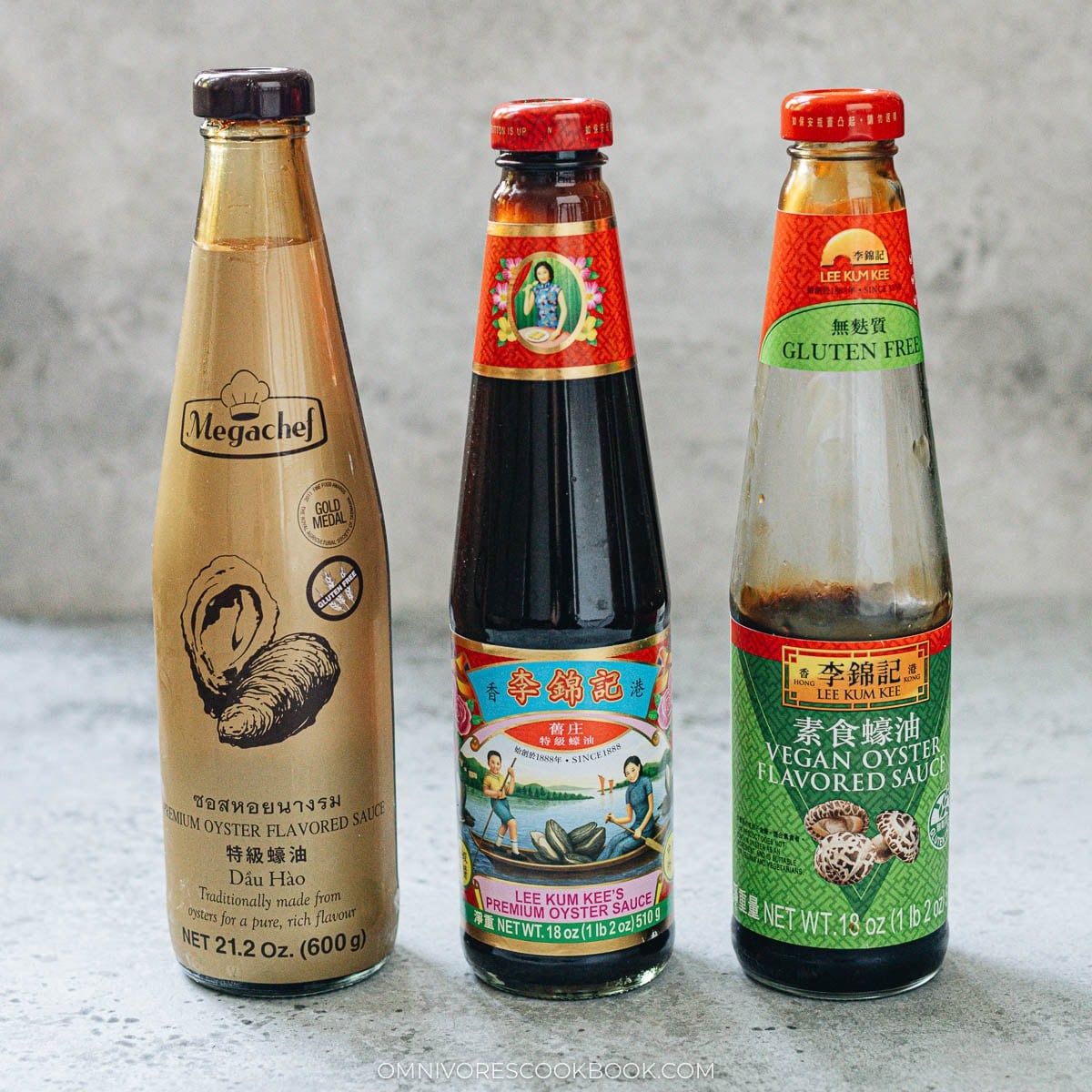
The texture is what really sets it apart. It coats meat and vegetables in a way that thinner sauces cannot. Look for Lee Kum Kee Premium Oyster Sauce at the Chinese grocery and skip the bargain brands because the flavor often falls flat.
I lean on it in my chicken and broccoli and my chicken chow fun, and I brush a thin layer into the filling for my authentic egg rolls for that savory backbone. Vegetarian readers, my homemade vegetarian oyster sauce recipe gives you the same depth without the seafood. Highly recommended.
Recommended Brands
Lee Kum Kee (they invented oyster sauce), Megachef (a Thai brand, also very delicious and it’s gluten-free), Lee Kum Kee Vegetarian Oyster Sauce for vegetarian / vegan alternatives
Peanut oil
Peanut oil is what I cook most of my stir fries in. It has a high smoke point, a clean nutty flavor that complements rather than competes with what is in the pan, and it is what my mom always reached for at home in Beijing. The first time I tried to stir fry in olive oil because that was all I had in my New York apartment, the dish tasted like a vegetable sauté instead of a stir fry. Never again.
The high smoke point matters because real wok cooking happens over very high heat. Peanut oil holds up at those temperatures without burning or smoking the way most other oils do. The faint nutty note in the background is also part of what gives a proper Chinese stir fry its signature taste.
I use peanut oil for the stir fried cabbage I throw together on Tuesday nights and for the Bok Choy with hot garlic soy sauce I serve with rice. If you have a peanut allergy in your house, refined avocado oil works as a substitute, but for everyone else, the flavor difference is worth it. Easy peasy.
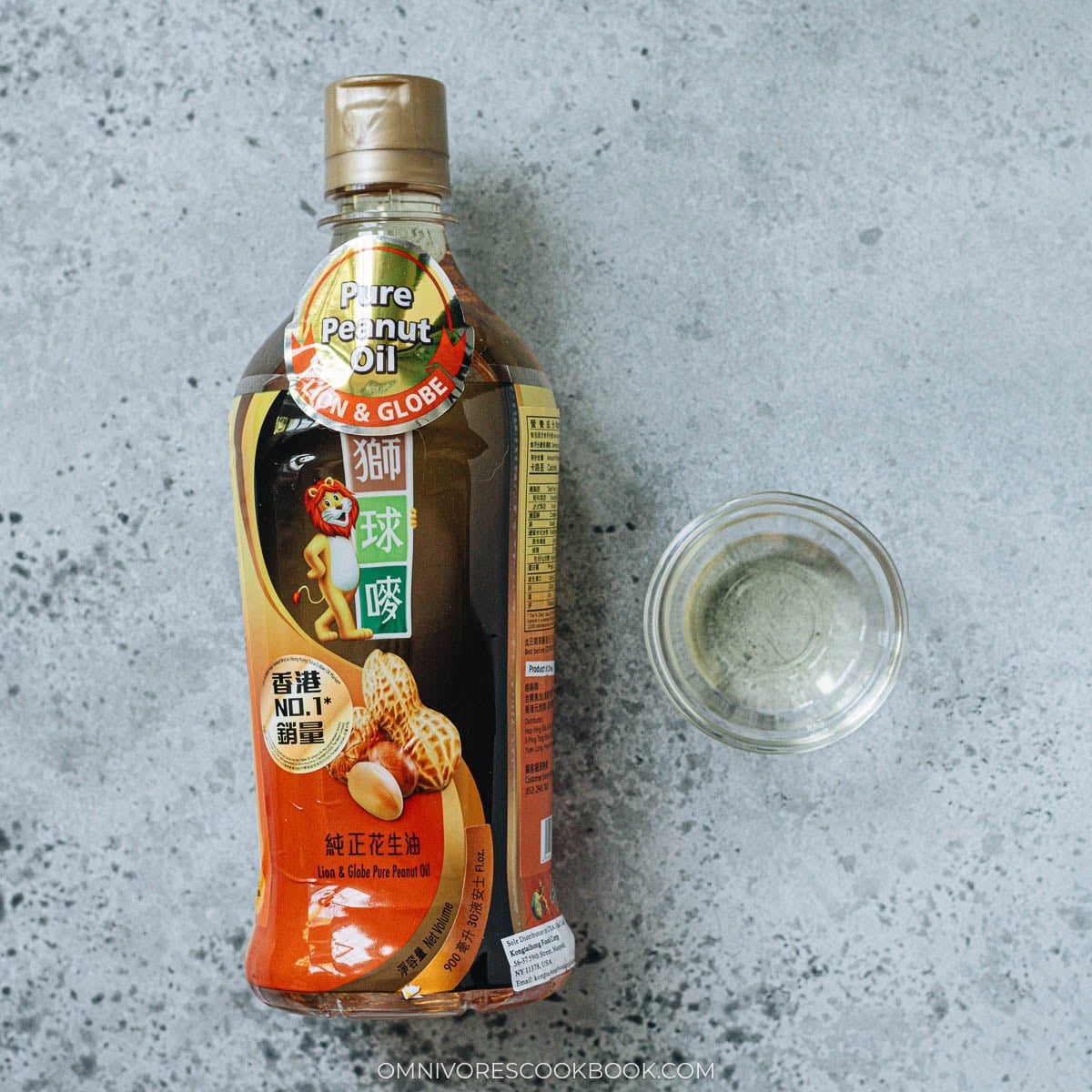
NOTE: read the label before purchasing. You should only purchase the one that contains 100% peanut oil. Some brands will produce both types. The one on the left says blended peanut oil in Chinese, and the product has a golden color. The one on the right is pure peanut oil and has a dark amber color.
Recommended Brands
Lion & Globe (I love this brand it’s easier to find in the US), Arowana Brand (we use this in China)
Cornstarch
Cornstarch is the unsung hero of the Chinese kitchen. It coats the meat in stir fries so the surface comes out crisp and tender at the same time, it thickens sauces into that glossy restaurant texture, and it slows the egg ribbons in egg drop soup so they spread instead of clumping. I keep a jumbo container in my pantry at all times.
The technique I rely on most is the cornstarch slurry, just cornstarch stirred into cold water before adding it to a hot pan. This is what turns a watery stir fry sauce into a dish that clings to every piece of chicken or vegetable. The other use is velveting meat, which is rubbing a pinch of cornstarch into thinly sliced beef or chicken before stir frying for that tender restaurant texture.
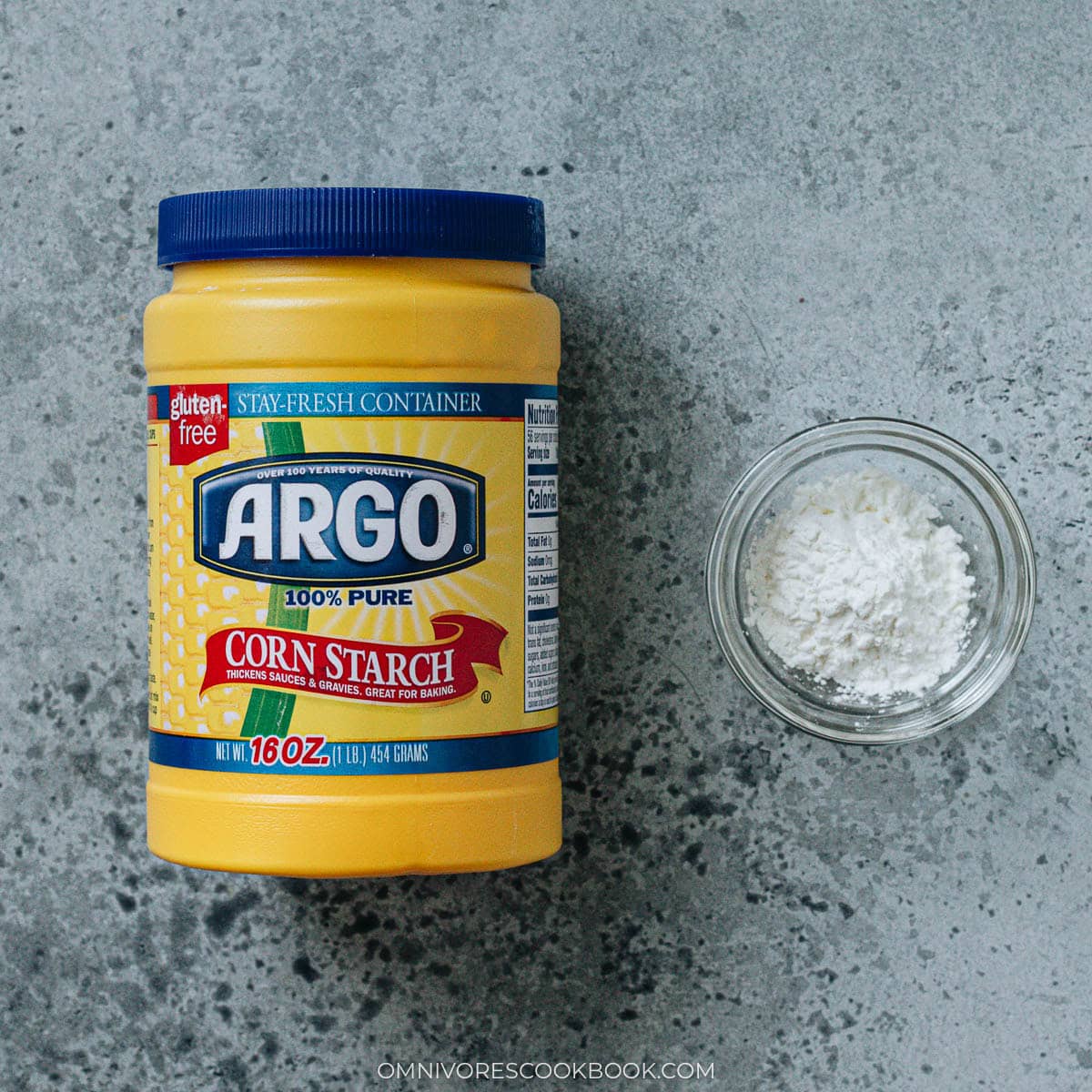
I use a cornstarch slurry to thicken my egg drop soup and my orange sauce, and I lean on it for my General Tso’s Sauce too. It is the cheapest ingredient on this list and probably the most useful. Win win.
3 Essential Fresh Aromatics
These three live in my fridge year round. Together they form the flavor base for almost every savory Chinese dish.
Ginger
Ginger is the warming root that starts most of my savory cooking. I always have a fresh knob on the counter and a backup piece in the fridge wrapped in paper towel, because forgetting to have ginger on hand has stopped more weeknight dinners than I want to admit.
The flavor changes depending on how I cut it. Crushed ginger gives the strongest punch in a marinade or soup. Sliced rounds work for braises and broths where I want the flavor but plan to fish the pieces out at the end. Finely minced is what I use when ginger should melt into a stir fry sauce.
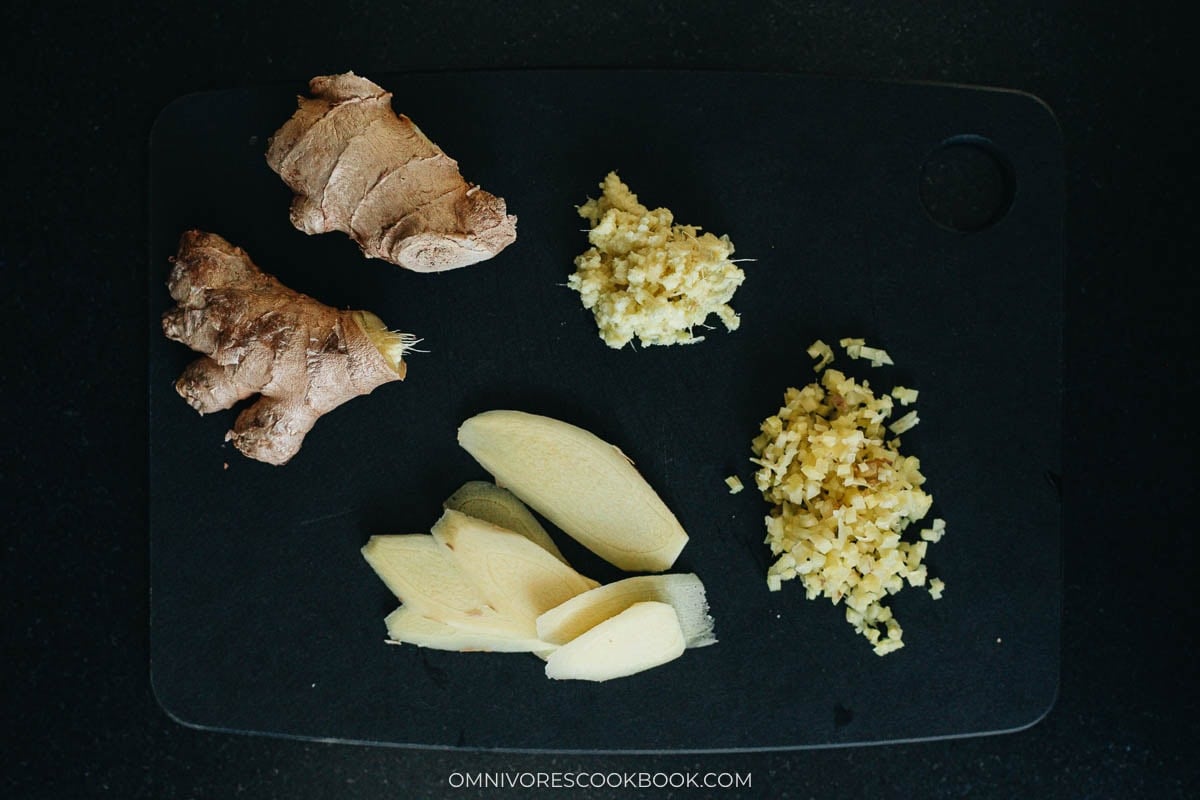
I use it heavily in my char siu lo mein where it cuts through the sweetness of the sauce. A few slices of ginger adds a ton of flavor to a light dish like my napa cabbage and tofu soup.
Green Onion
Green onion, or scallion, is the second leg of the Chinese aromatic trio. The white part is sharper and goes in at the start of a stir fry with the ginger, and the green part is softer and gets sprinkled on at the end for color and a fresh finish.
A bunch of green onions costs almost nothing and lasts a week in my crisper drawer. If I want to store them for longer, I wrap the root in damp paper towel, and slip it into a produce bag. The flavor is bright and a little grassy, somewhere between an onion and a chive. They are part of my kitchen every single day.
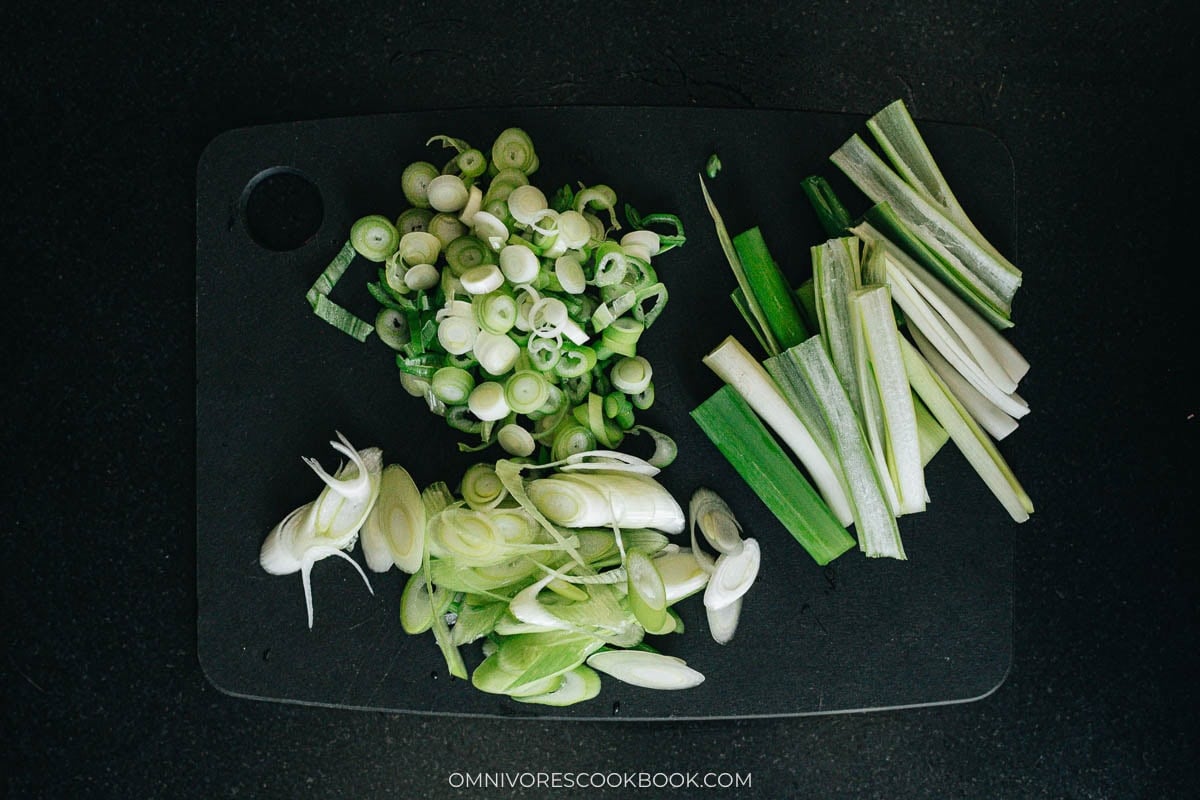
I use them in my Bang Bang chicken cold dressing for that fresh green crunch on top, and I keep a stash sliced thin in a small container so I can scatter them across noodle bowls and vegan wonton soup at the table. Once you start cooking with them daily, plain dinners suddenly do not taste boring. So good.
Garlic
Garlic is the third aromatic, and the loudest of the three. My mom used to say a good stir fry starts when you can smell the garlic from the next room, and she was right. I peel a fresh bulb every few days because the flavor of pre peeled garlic from the grocery store jar never matches a clove I just cracked open.
Cut size matters more than people think. Smashed cloves go into a slow braise where I want the flavor to mellow. Roughly chopped is for stir fries where I want texture and a little raw bite at the end. Minced or pressed garlic is for sauces and dressings where I want it to disappear into the dish entirely.
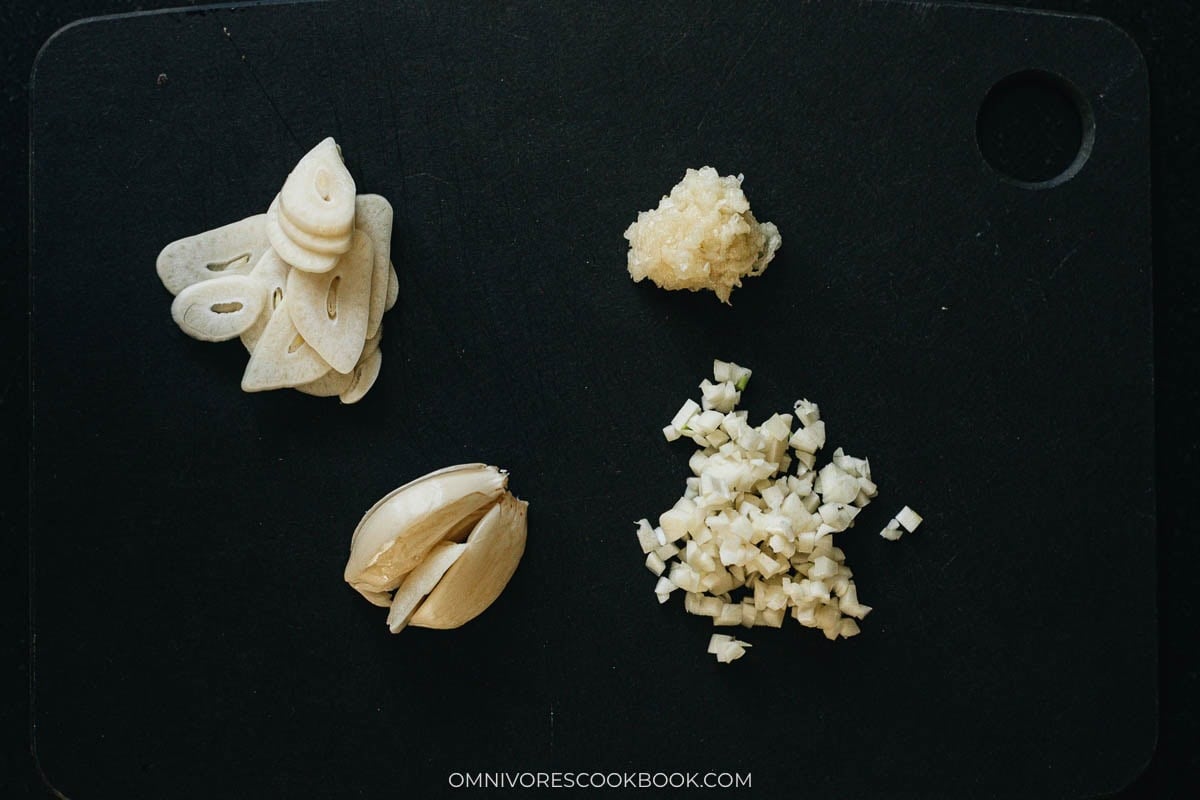
A pile of garlic goes into the dipping sauce I serve alongside my beef dumplings, and into nearly every weeknight stir fry I make. If you have been buying jarred garlic, please switch to fresh. The difference is immediate.
5 Nice-to-have Chinese Sauces and Pastes
These are the bottles and jars that turn a basic stir fry into something distinctly regional. You do not need all of them on day one, but once you get curious about regional Chinese cooking, this is where the doors open.
Rice Vinegar
Rice vinegar is the milder, gentler vinegar in my Chinese pantry. Made from fermented rice, it is clear, light, and far less sharp than the white distilled vinegar most American kitchens stock. My mom used it in cold dishes, dipping sauces, and the occasional sweet and sour sauce, and I keep two bottles on hand at all times.
The flavor is natural and slightly sweet, which makes it the right vinegar for delicate dishes where Chinkiang vinegar would overpower. Plain rice vinegar is what you want for cooking. Seasoned rice vinegar has added sugar and salt and is meant for sushi rice, so check the label before you grab a bottle.
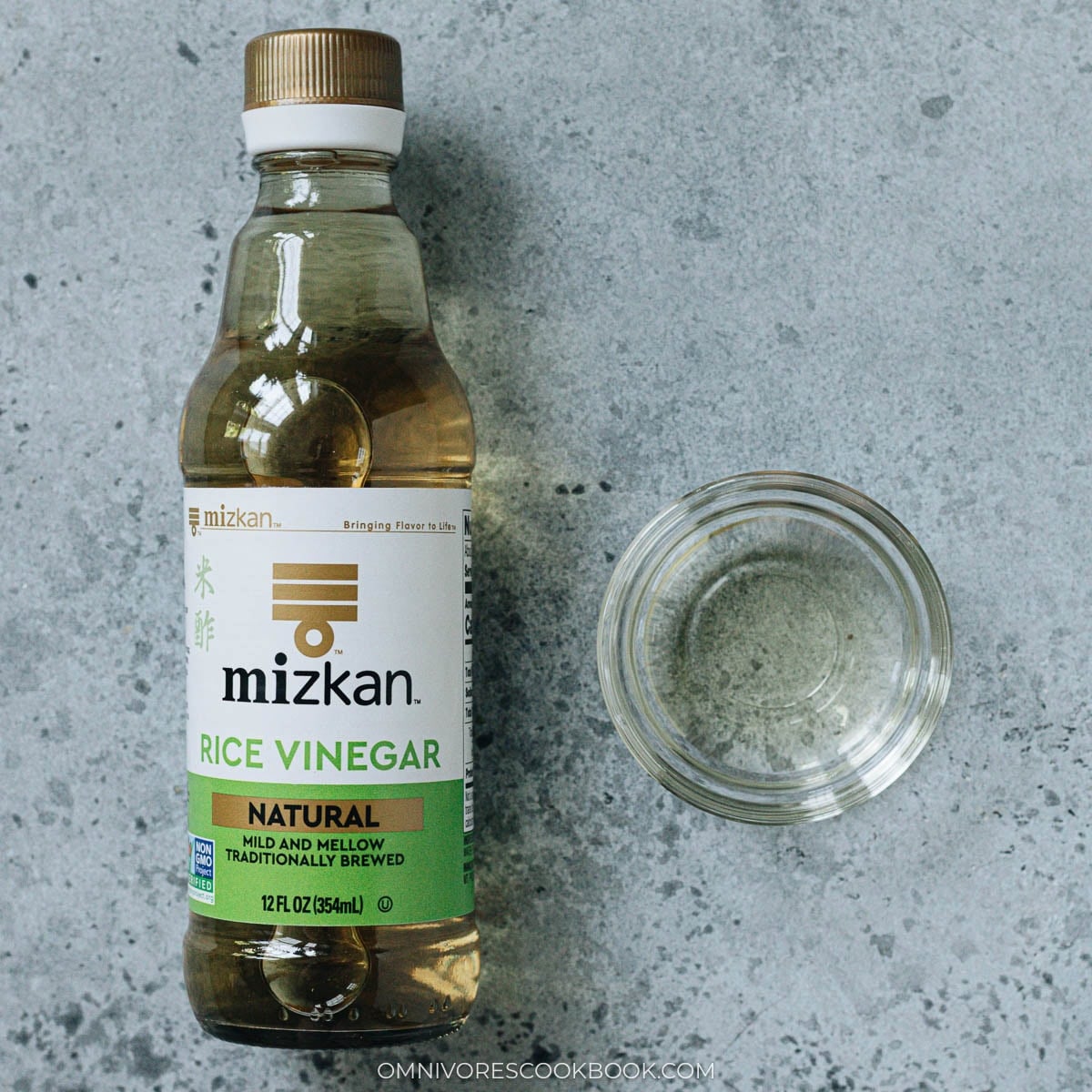
I use rice vinegar to balance the sweetness in my orange chicken and my sweet and sour pork, and I rely on it for the glaze in my honey chicken and the brine in my pickled cabbage. If you cook Chinese food often, you will reach for it more than you expect. Easy to find, easy to use.
Recommended Brands
Marukan (or other Japanese brands)
Hoisin sauce
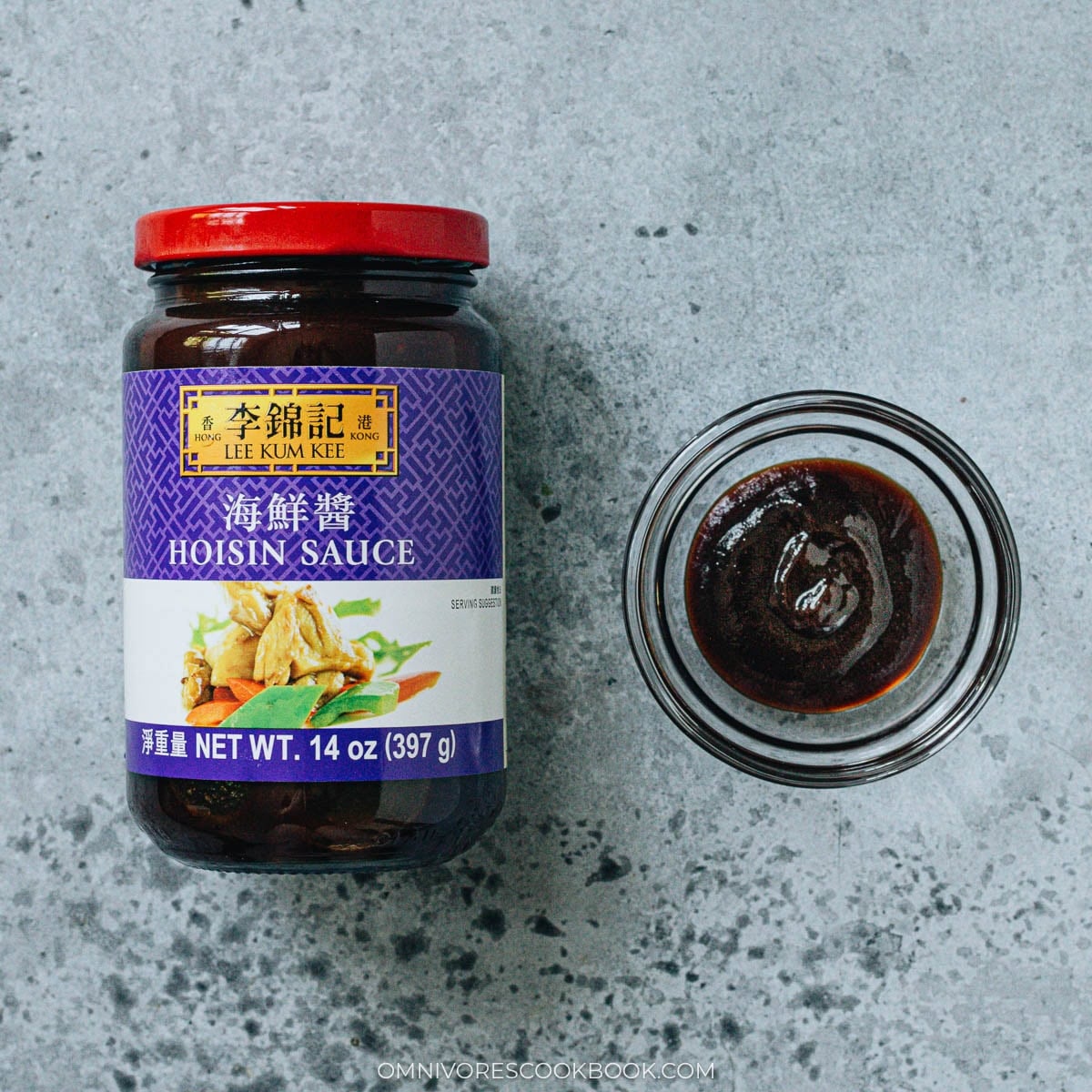
Hoisin sauce (海鲜酱, hai xian jiang) is the sweet, thick, dark brown sauce that gives Char Siu its signature sticky glaze and Peking duck its first layer of flavor. The first time my husband tasted it, he asked if it was Chinese barbecue sauce, which is not exactly wrong. It is sweet, savory, slightly funky from fermented soybeans, and it makes everything it touches taste richer.
The base is fermented soybeans, sugar, vinegar, and a mix of spices that varies by brand. Lee Kum Kee is the standard at the Chinese grocery, and the flavor varies a lot between brands, so it is worth trying a few before settling on yours. I use it sparingly because a little goes a long way.
I use it as the backbone of the marinade for my char siu pork and the filling for my char siu buns. If you would rather make it from scratch, my homemade hoisin sauce recipe takes about 10 minutes and uses pantry staples you probably already have. Yes, you read it right.
Recommended Brands
Lee Kum Kee, Koon Chun, Kikkoman
Doubanjiang
Doubanjiang (豆瓣酱), or Chinese spicy fermented bean paste, is the fermented broad bean and chili paste that defines Sichuan cooking. It is salty, spicy, and deeply savory, with a brick red color that stains every dish it touches. The first time I tried to recreate Mapo Tofu without it, I knew immediately that no other ingredient was going to fake what doubanjiang brings to the pan.
The best doubanjiang is Pixian doubanjiang, named for the region in Sichuan where it is traditionally made. The paste is fried in oil at the start of a dish to release its color and fragrance before any other ingredient goes into the pan. The smell when it goes in is unmistakable.
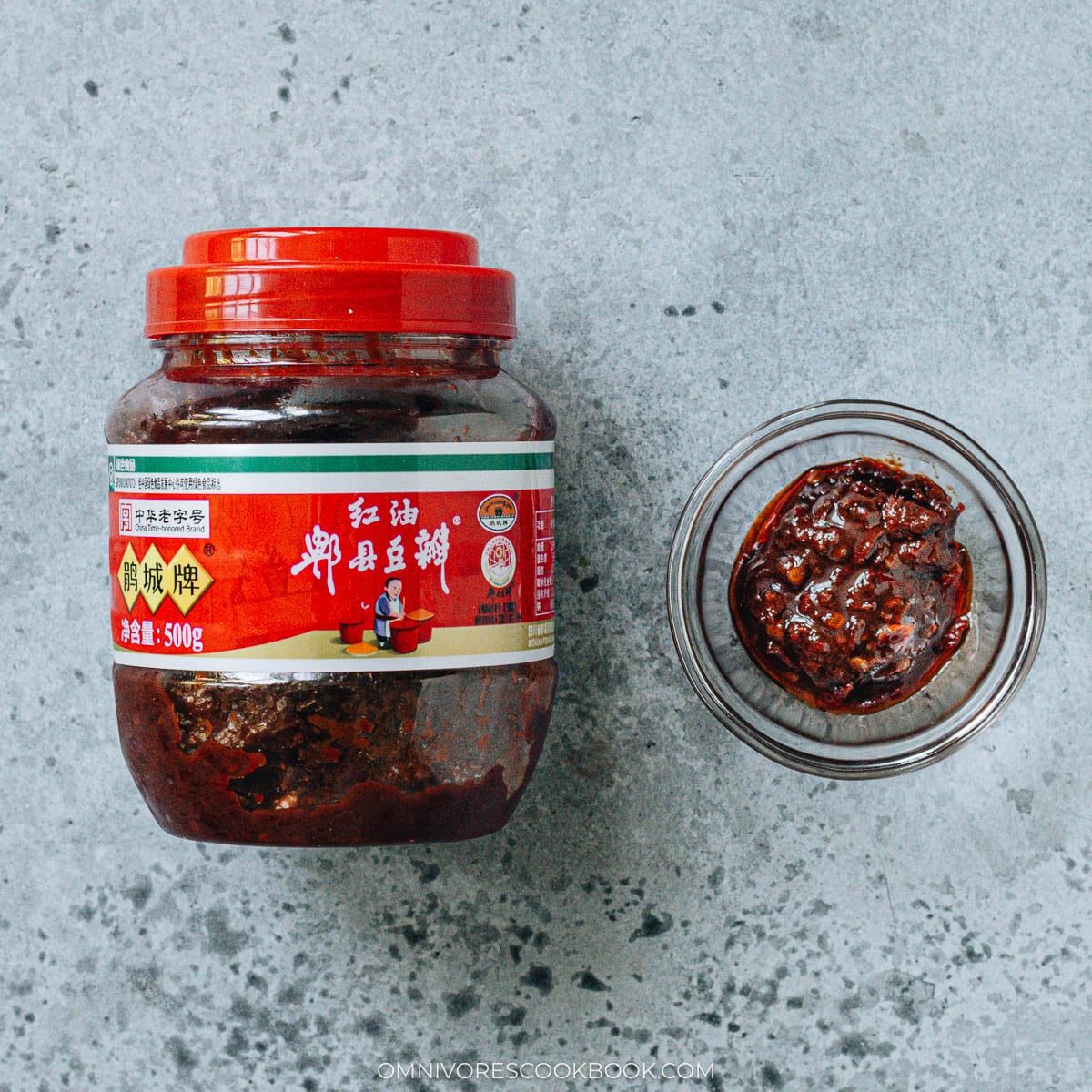
I use it in my mapo tofu and my twice cooked pork, in my Yu Xiang eggplant and my green beans with ground pork, and even in my braised daikon radish when I want the dish to lean spicy. If you love Sichuan food, this is the jar you have been waiting for. So good.
Recommended Brands
Pi Xian Dou Ban (named after its origin and current source of production, I prefer the type in red oil, because it has a nice balance without being too salty).
Toasted sesame oil
Toasted sesame oil is a finishing oil, not a cooking oil. It is dark amber, deeply nutty, and the smell when you uncork the bottle is unmistakable. My mom used to add a half spoonful at the very end of soups and cold dishes, and that single step is what made her cooking taste like home.
The flavor comes from sesame seeds that are toasted before pressing, which is why it has so much more depth than plain sesame oil. Heat destroys those toasted notes, so I almost never cook with it. I add it after the heat is off, when the pan or bowl is hot enough to release the fragrance but no longer cooking the oil.
I always purchase the smallest bottle I can find, because sesame oil loses its fragrance very quickly and goes rancid quickly.
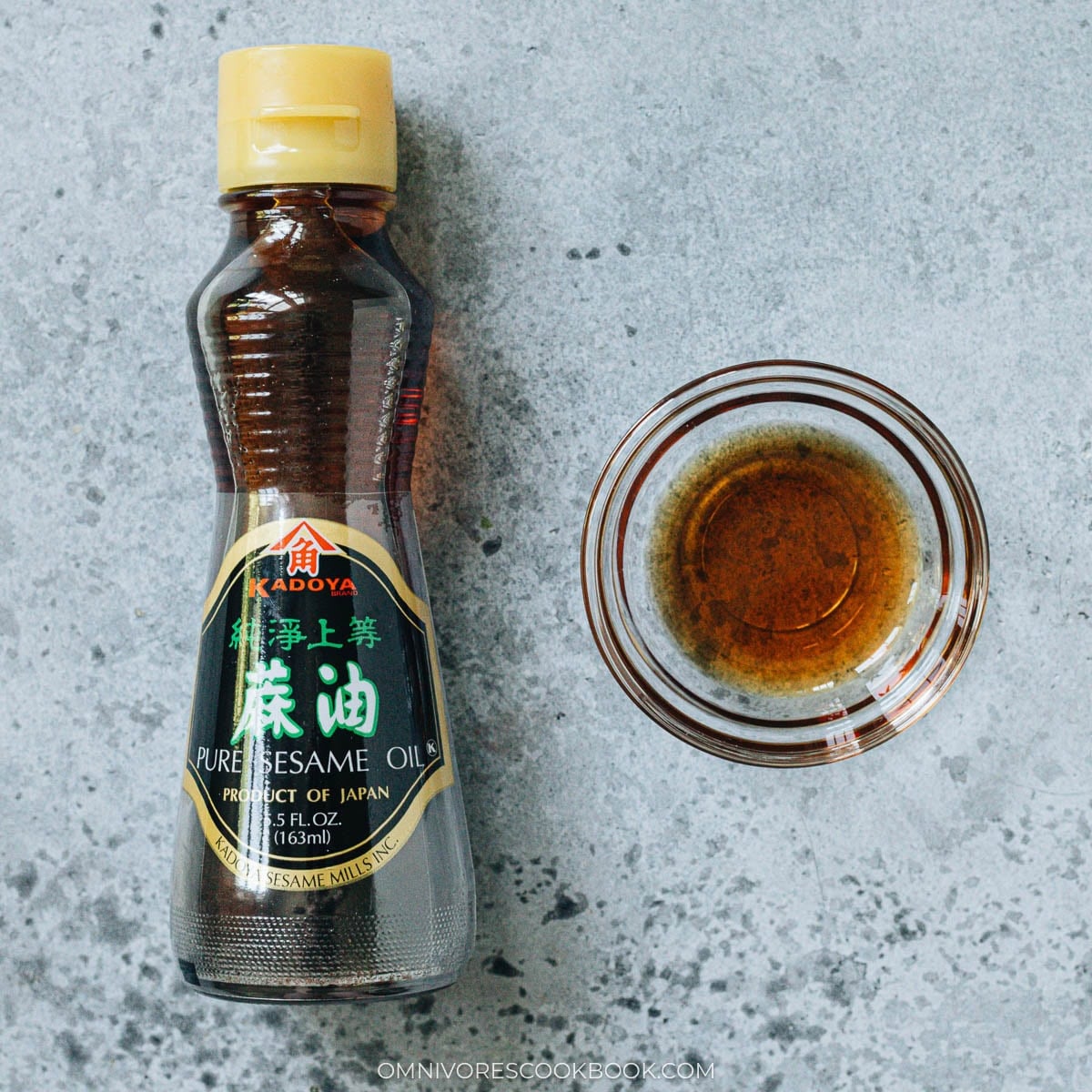
A few drops finish the filling in my pork dumplings and round out the flavor in my cold dressings and dipping sauces. For more detail on how to choose a good bottle, my toasted sesame oil guide walks through what to look for on the label. Once you start using it, you will wonder how a single spoonful can change a whole bowl. Highly recommended.
Recommended Brands
Kadoya, Spectrum (can be find in Whole Foods and other grocery stores)
5 Nice-to-have Spices
The last group is the spices I open up when I want depth, heat, or warmth. None of them are required for a beginner kitchen, but each one unlocks a whole category of Chinese cooking once you have it.
White pepper powder
White pepper powder (白胡椒粉, Bai Hu Jiao Fen) is the secret ingredient in dishes I used to think were simply well seasoned. It has a sharper, earthier heat than black pepper, with a slightly funky undertone that black pepper lacks. My mom kept a small jar in her spice drawer and used it the way most Western kitchens use black pepper.
White pepper is made from the same fruit as black pepper, but the outer skin is removed before drying, which gives it a paler color and a different flavor profile. The heat sneaks up on you slowly. A pinch is usually all you need.
I rely on it in my hot and sour soup where the pepper is what makes the soup “hot” rather than the chili, and in my salt and pepper chicken where it gives the seasoning blend its lift. My white pepper powder guide covers the difference between white and black pepper in more detail. Once you keep a jar in the cabinet, you will reach for it constantly.
Five spice powder
Five spice powder (五香粉, wu xiang fen) is the warm, fragrant blend that gives Chinese roasted meats their distinctive layered flavor. The classic mix is star anise, cloves, cinnamon, Sichuan peppercorn, and fennel seed, though the exact ratios vary by region and family. My mom used to grind her own at the table from whole spices when she had time.
A little goes a long way because the flavor is concentrated. I usually start with a quarter teaspoon and add more as I taste. Ground five spice loses potency after about six months, so I store mine in a sealed jar away from light and buy small containers when I can.
I use it in my Homemade Chili Oil for that warm spiced base, and you can read my Five Spice Powder guide for a deeper dive into the blend and a recipe for grinding your own. Once you start cooking with it, the flavor will show up in your roast chicken, your braised meats, and even your simple weeknight dinners. Win win.
Dried chili pepper
Dried chili peppers are how I bring heat into Chinese cooking without losing the other flavors of the dish. Whole dried chilies give a smoky, slow heat, and when I want fire, I cut them open or break them in half before they go into the pan. When I need less heat, I remove the seeds before adding them to the pan. My husband still teases me about the first time I dropped too many into a wok and we both had to leave the kitchen.
I keep two kinds on hand. Facing Heaven chilies are the small bright red ones used in Kung Pao, with moderate heat and a clean spice. Sichuan Lantern chilies are darker, slightly smokier, and what I use for the dishes that needs more dimension. Both are sold in bags at the Chinese grocery for a few dollars.
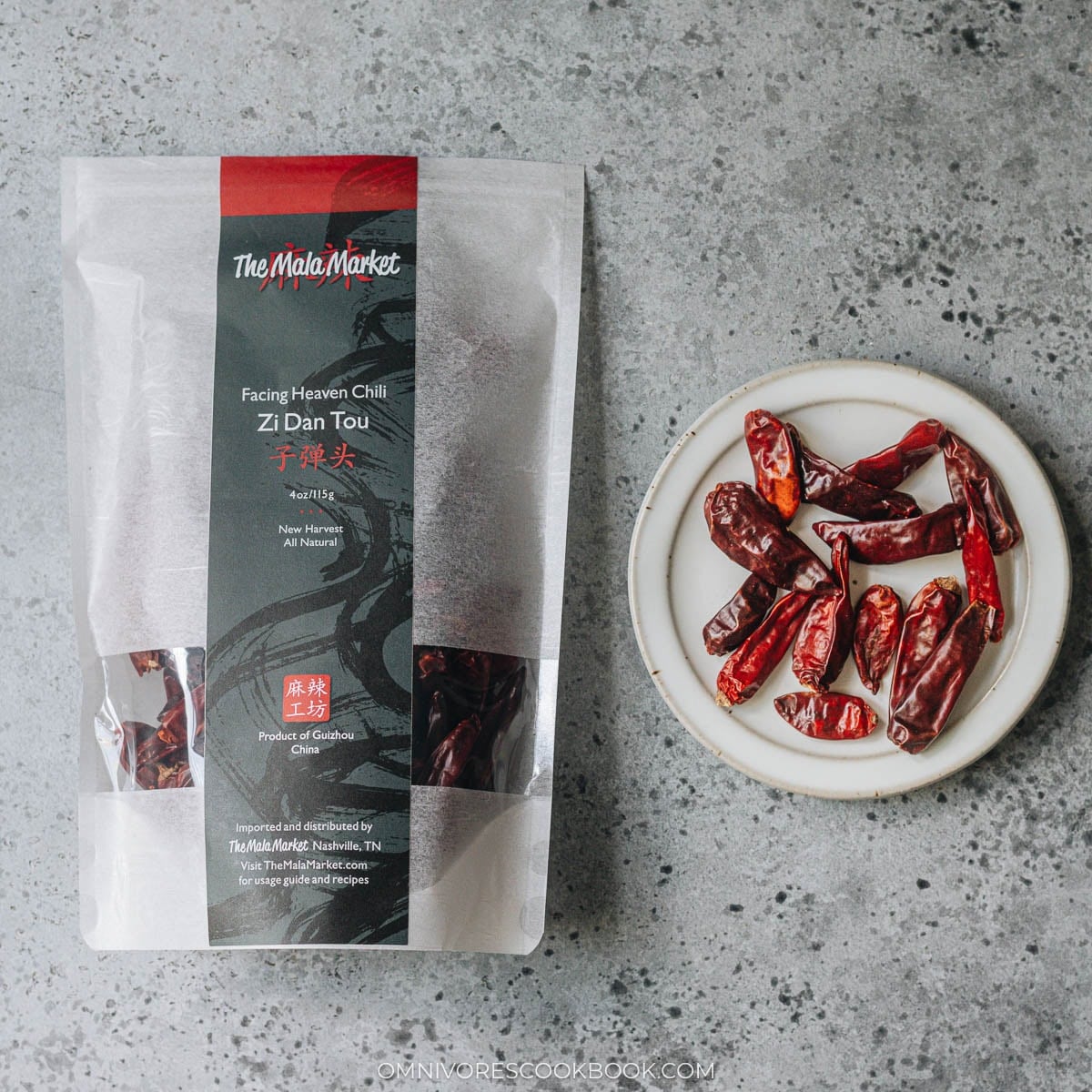
I use them whole in my Sichuan mala chicken and roughly broken in my 4-Ingredient fried cabbage. If you are nervous about heat, start with two or three peppers and pull them out before serving. The flavor of the oil they have been swimming in is what does most of the work anyway.
Recommended Brands
The Mala Market (they import premium high-quality ingredients from Sichuan)
Sichuan peppercorn
Sichuan peppercorn, or Hua Jiao (花椒), is a lesser known and underrated ingredient that’s crucial to the Chinese pantry. It is the tingly, citrusy spice that gives Sichuan food its signature ma la character. It is not actually a pepper at all but the dried husk of a small fruit, and the flavor is unlike anything else in the spice cabinet. My first taste of real ma la in Chengdu changed how I cooked at home forever.
The numbing sensation is a feature, not a flaw. The compound that creates it is mild on its own but combines with chili heat to create the famous tingling buzz of true Sichuan cooking. Toast the peppercorns lightly in a dry pan before grinding them, or use them whole in stocks and braises.
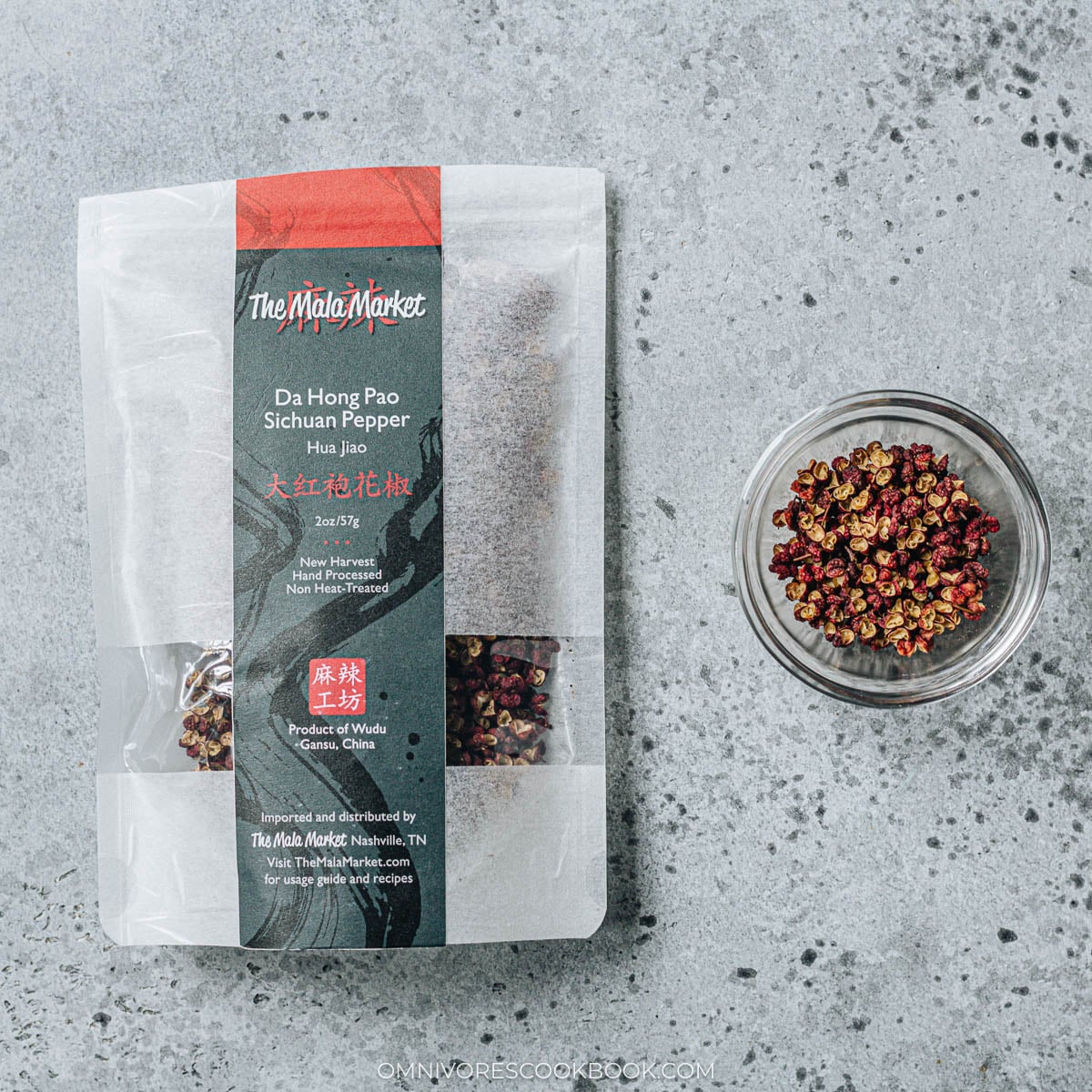
I lean on it heavily for the dishes that should make your mouth buzz. It shows up in my Dan Dan Noodles and my Kung Pao Chicken, in my dry fried green beans and my sesame noodles. My Sichuan Peppercorn guide covers how to pick a fresh batch and how to store it. This one little husk earns its place in that many of my favorite recipes.
Recommended Brands
The Mala Market (some of the most fresh products I’ve seen in the US)
Chili Oil (or Chili Crisp)
Chili oil and chili crisp are two of the most versatile condiments in the Chinese pantry. I listed them as an optional ingredient because not everyone likes their food spicy, but I keep at least one jar in the fridge at all times. Chili oil is usually smoother and more fluid, made by infusing hot oil with dried chilies and aromatics. Chili crisp takes it a step further, adding crunchy bits like fried garlic, shallots, soybeans, or chili flakes for texture and deeper savoriness. Both bring heat, fragrance, and richness to a dish in seconds.
A spoonful can completely change the character of simple food. Drizzle it over noodles, dumplings, eggs, tofu, roasted vegetables, or even plain rice, and suddenly the dish feels fuller and more satisfying. The best versions are not just spicy but layered, balancing toasted chili aroma with sweetness, savoriness, and sometimes the numbing citrusy note of Sichuan peppercorns.
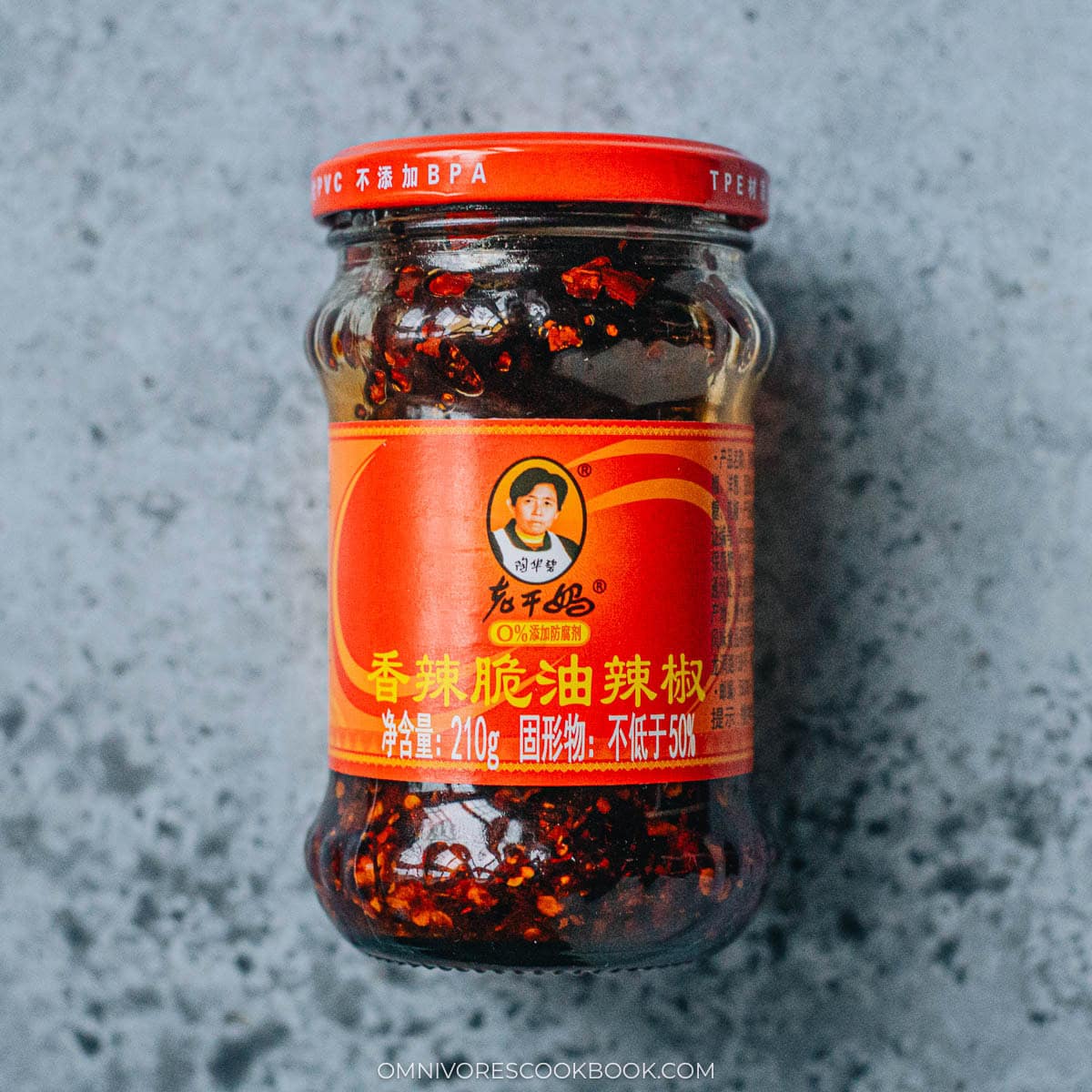
I use chili oil in my Dan Dan Noodles, wontons in chili oil, and mouthwatering chicken. And I use chili crispy to make fast stir fry like 5-ingredient Sichuan crispy beef, but also spoon it onto leftovers and quick lunches that need a boost of flavor. Once you start cooking with it regularly, it becomes less of a condiment and more of a finishing seasoning, like soy sauce or olive oil.
Recommended Brands
The Mala Market (excellent small-batch Sichuan-style chili crisp oil), Lao Gan Ma (the classic pantry staple for chili crisp), Homemade chili oil (always the most fresh chili oil. It takes 5 minutes to make if you have the ingredients.)
Star anise
Star anise is the dramatic looking eight pointed spice that gives Chinese braises their warm licorice fragrance. A single pod is usually enough to scent a whole pot. My mom used to drop one into the bottom of her braise and let it perfume the meat for hours.
The flavor is sweet, warm, and slightly medicinal, similar to anise seed or fennel but more concentrated. I use the whole pod in long simmered dishes where I can fish it out at the end, and I crush a piece into a sachet for shorter cooks. A little goes very far in any dish.
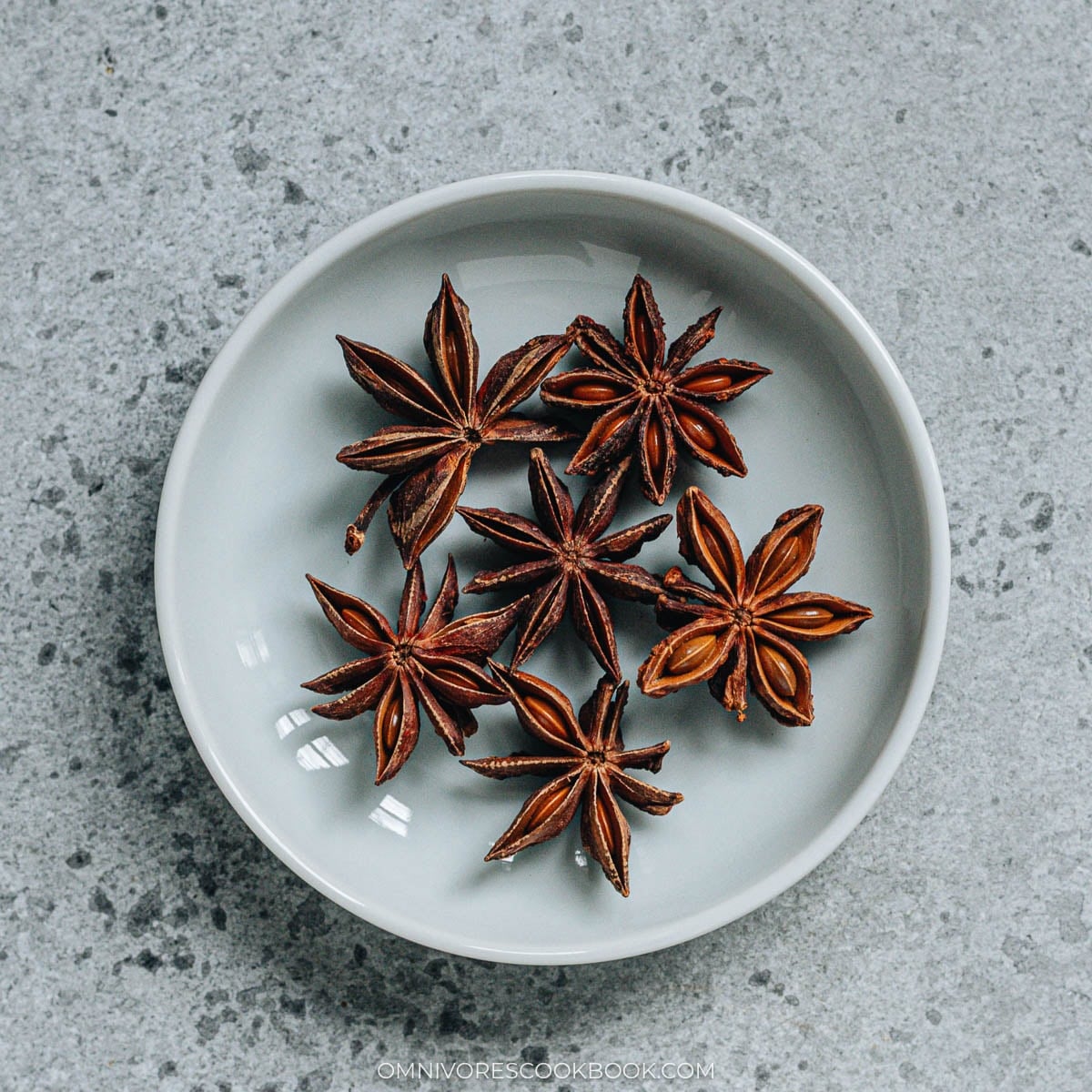
I always add a pod or two to my Tea Eggs for the marbled brown color and warm flavor, and to my Red Braised Pork when I make it for Sunday dinner. My star anise guide covers the different grades and how to store them. Once you have a small jar of star anise, the smell when you open the lid will pull you straight back into the kitchen.
Final Thoughts
These 20 ingredients are the foundation of how I cook every day. You do not need every one of them to start, but if you stock the first 6 plus the 3 aromatics, you can already make almost any classic Chinese dish at home. I hope this list takes some of the guesswork out of starting your own Chinese pantry.



