
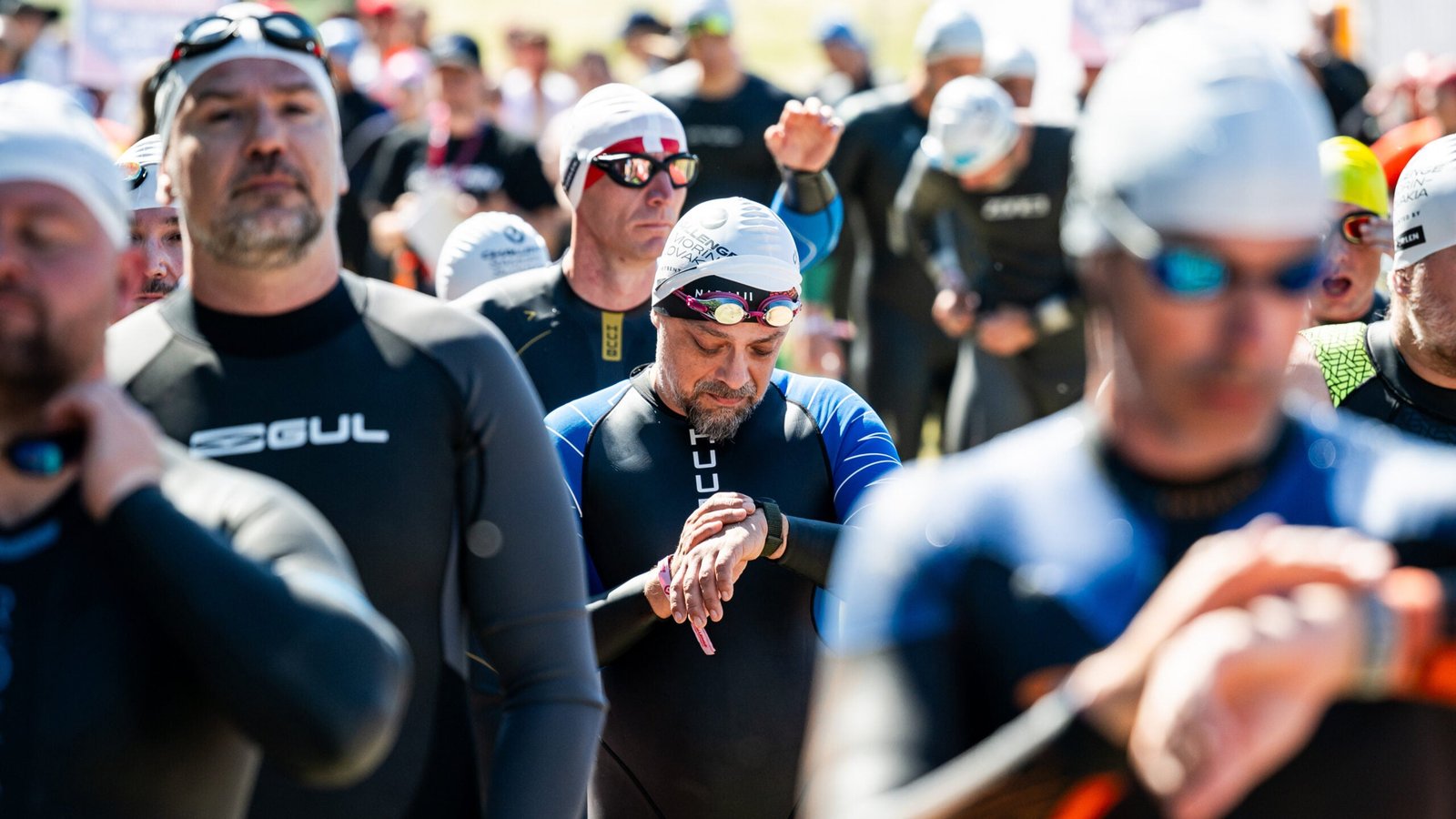
If you want to see improvements in your training, you can’t just go out and swim, bike, and run. Each workout should have a purpose, and knowing your training zones can help you get there.
Setting your heart rate zones helps you develop better, more targeted training sessions. (Photo: Challenge Family)
Published May 28, 2026 06:00AM
How to use training zones in triathlon training
The deeper you get into triathlon training, the more you’ll realize just how important your training zones are. When you go out for a workout without a plan or goal, you’re logging junk miles that have no purpose or benefit to your training.
Training zones aren’t complex, but they are somewhat of a moving target. As your fitness improves, your training zones shift, requiring new tests, new benchmarks, and awareness for what all that means for your training.
Over the years, Triathlete has consulted with the best minds in triathlon, from coaches to medical professionals, to bring you actionable insights into your training. We’ll walk you through the steps from learning what training zones are and how to use them all the way through keeping them up to date throughout your training cycle.
A training zone primer
Just because you’re in shape doesn’t mean you’re ready to take to the pool, trails, and roads to begin training. Spend some time analyzing that fitness and getting to know how it applies to your training goals.
A guide to establishing your training zones

Your first step in using training zones to manage your triathlon training is to establish where you are today. By understanding your fitness through the lens of training zones, you can avoid common training pitfalls, including overtraining.
To establish your training zones, you’ll need good, clean data, including power data, heart rate, pace, and an understanding of perceived effort.
Learn how to establish (and later re-establish) your training zones as you prepare for a successful training cycle.
Learn how to apply your newfound training zones

Once you’ve established your training zones, you’re ready to start applying them to your fitness. Most coaches and training plans use a five-zone system for training zones.
Zone 1 represents active recovery, where you’re at 50-60% of your max heart rate. Zone 5 is when you’re full-out sprinting, and reach 90-100% of your max heart rate.
Even within these five training zones, you’ll find differences across swimming, biking, and running, which is why you should complete sport-specific testing when establishing your zones.
Learn more about how to effectively use zones in your training to avoid under- or overtraining.
Why Zone 2 is so important to triathlon training
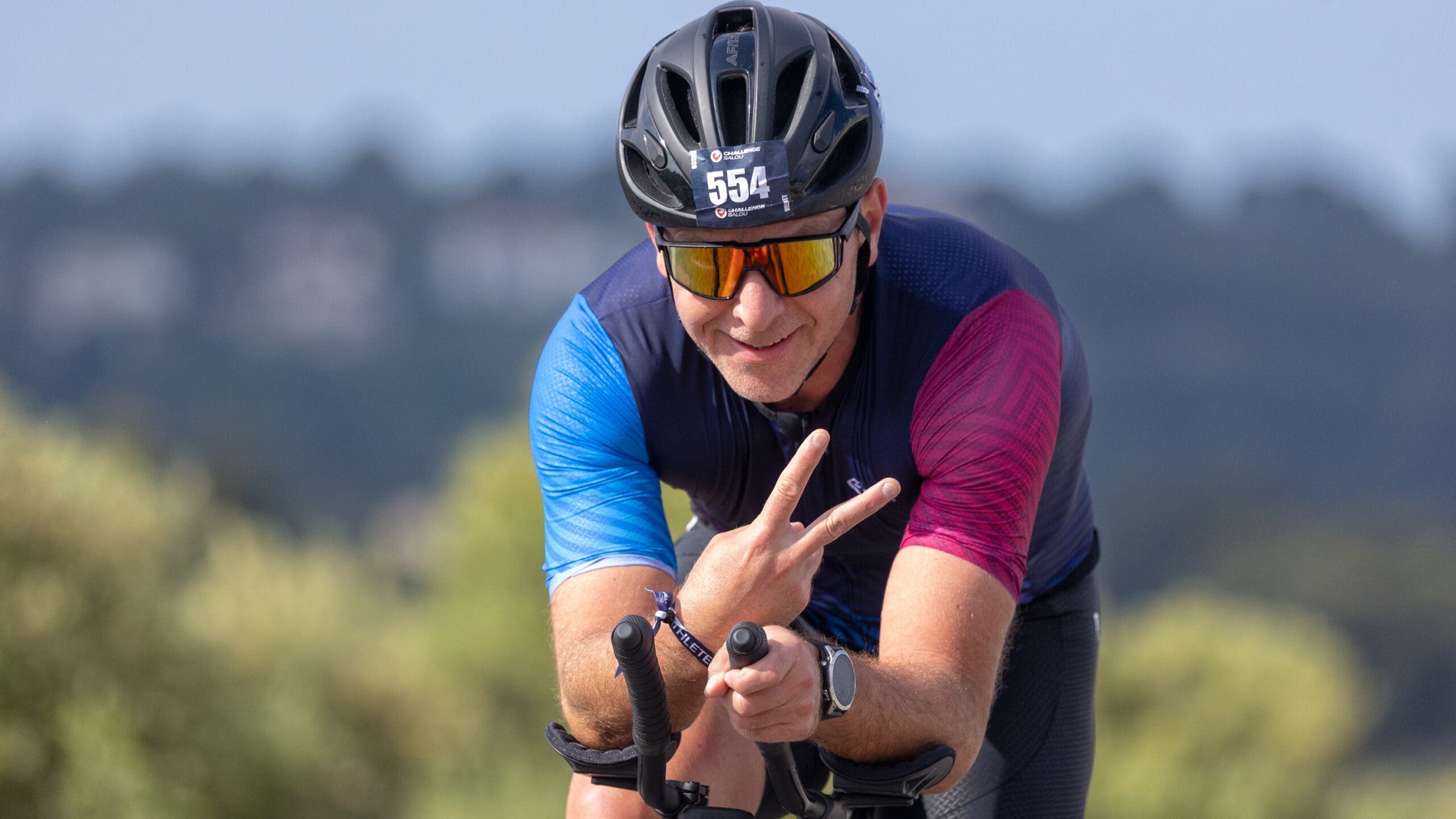
In Zone 2, it might feel like you’re hardly working, which is why so many triathletes are tempted to treat it like Zone 1 and spend little time there. After all, how can you get faster at such minimal speed and output?
But don’t be fooled; this is the most important training zone and where you’ll spend the bulk of your training time. All that slow work has an important meaning. We tasked Alison Freeman, a USAT Level III Certified Coach, with explaining just how important this underrated zone is for athletes.
Take a deep dive into the science behind Zone 2 training and how to use it effectively.
FTP training explained
On the bike, you’ll want to get to know your FTP, or functional threshold power. This is the maximum average power you can sustain for one hour on the bike.
An overview of FTP for triathletes
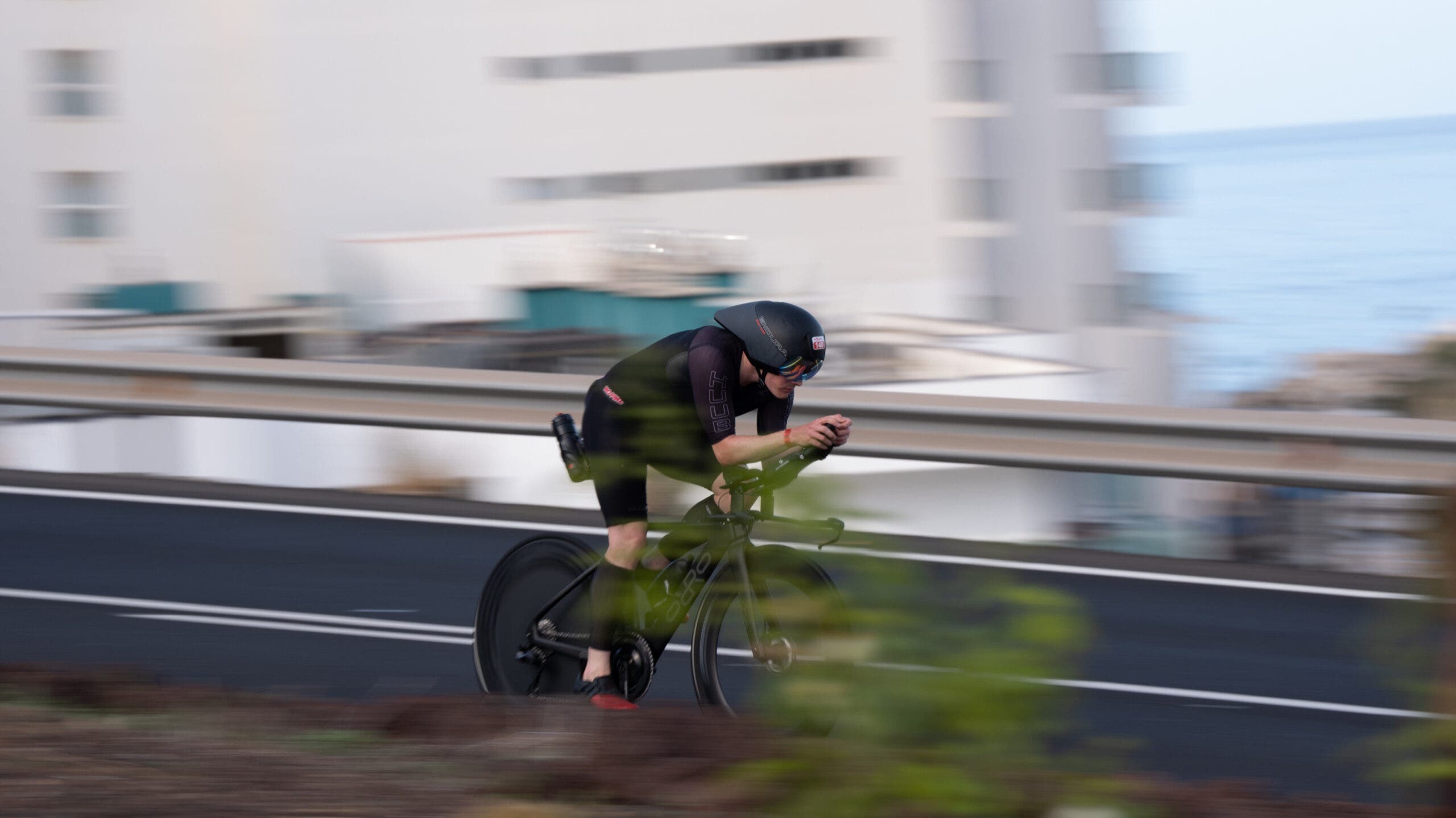
If the term FTP feels like more alphabet soup in your triathlon training, you’re not alone. There’s plenty to learn and explore as you get into the sport.
Understanding your FTP can help you evaluate progress over time, so the sooner you establish your baseline, the better.
Learn how to test your FTP and what to do with the data once you have it to make better-informed decisions about every cycling workout.
How does an FTP test differ from a ramp test?
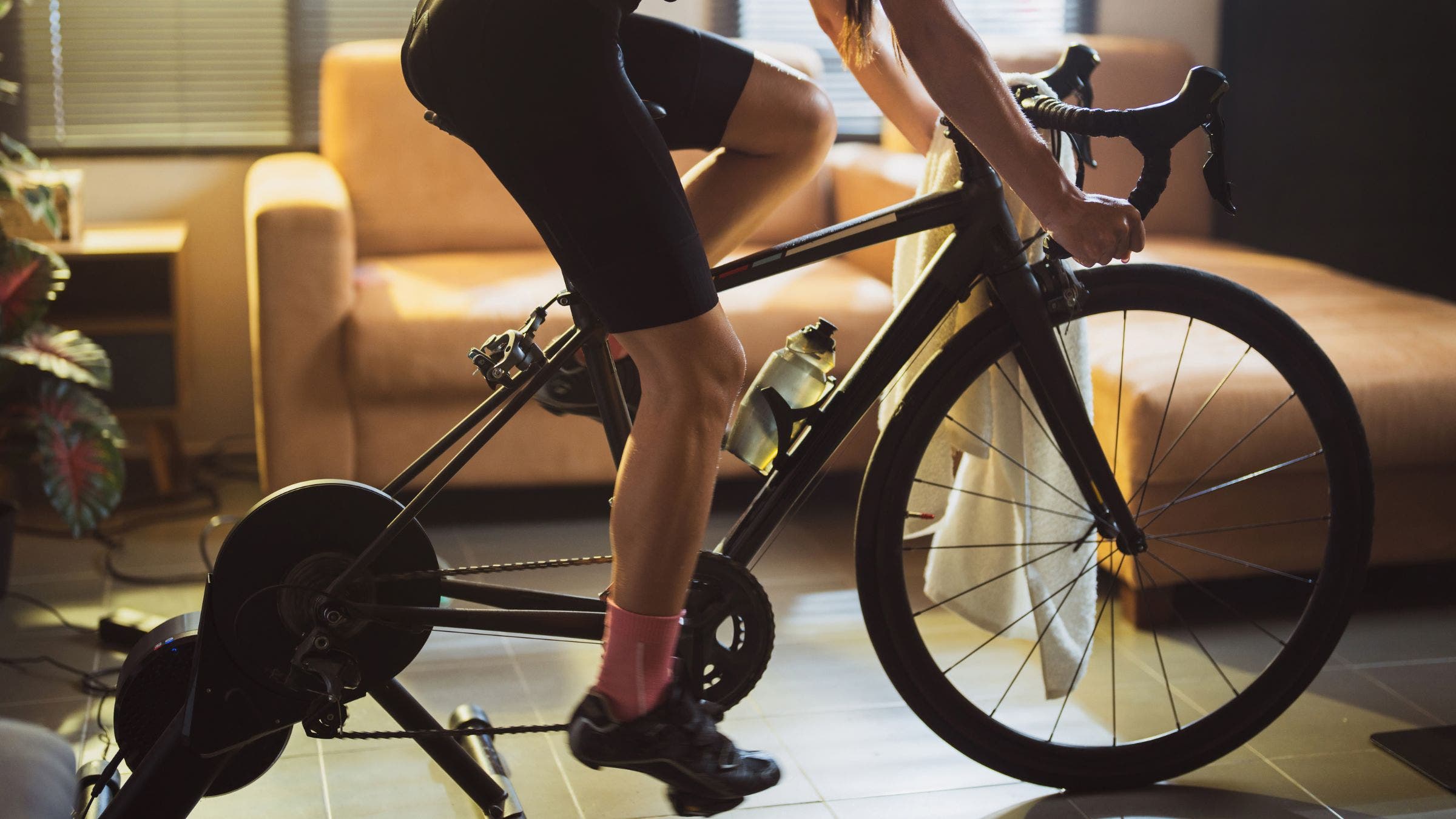
If you read the guide above about setting your FTP, you know the value this metric has on your cycling training. But what about a ramp test?
A ramp test is a term online platforms, such as Zwift and Wahoo use to estimate FTP, but without requiring an intense hour-long workout to establish your baseline. This makes the ramp test better suited for beginner athletes because it only requires a one-minute effort.
Another good use of a ramp test is when you’re already in a training cycle and don’t want the large dose of fatigue that comes with an FTP test.
Improve your FTP with this one-hour workout
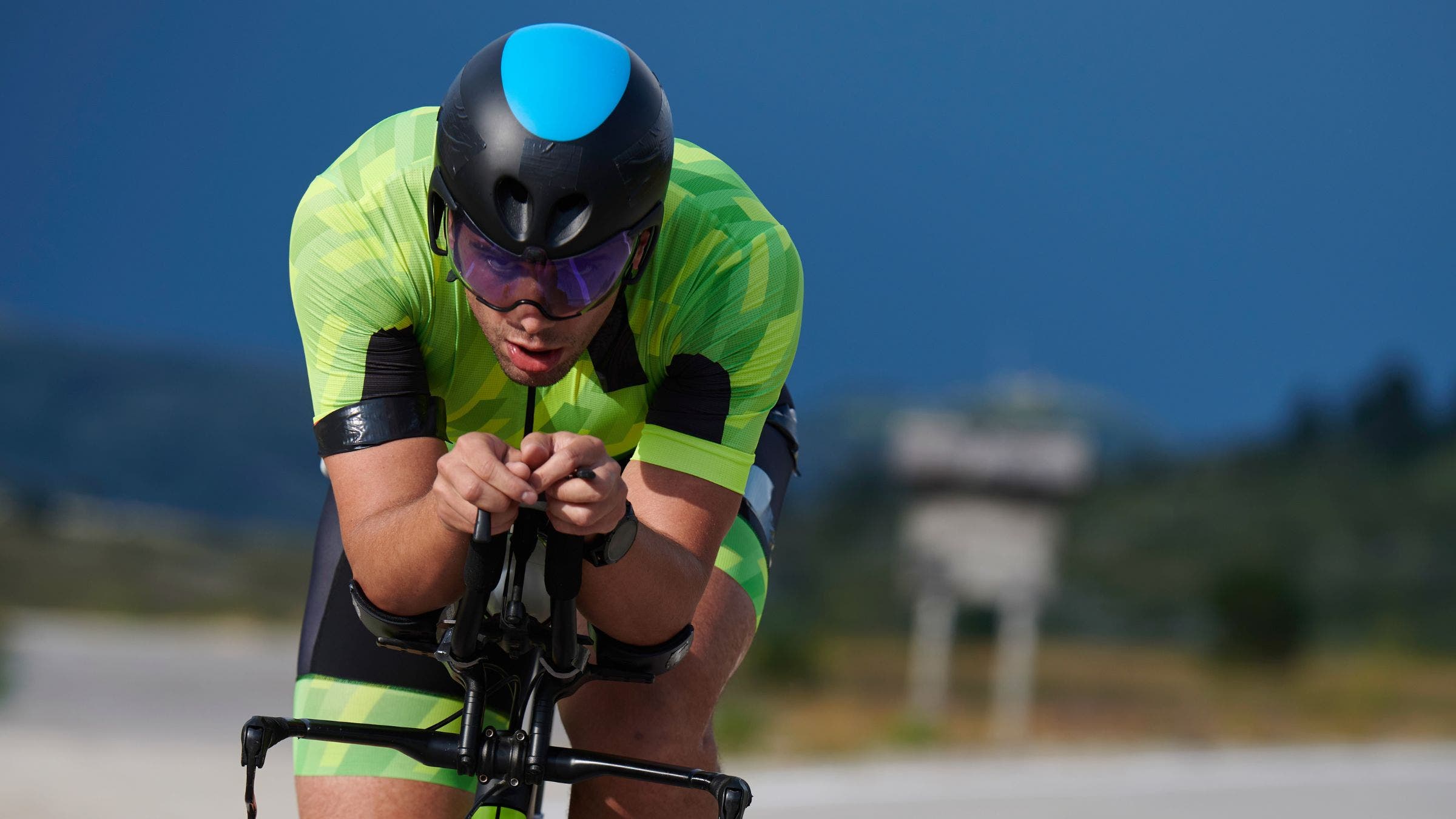
Once you know your baseline, you’re ready to begin targeted training that expands your FTP to increase your threshold on the bike.
Train your body to handle high-intensity surges through targeted training that has you riding just below your FTP.
You’ll find this workout most beneficial in the base phase of training as a way to push through a plateau. You can do it on a trainer or a stretch of road that is stoplight-free.
Applying training zones while training based on feel
Triathlon has become a tech-heavy space. But relying too heavily on your smartwatch or power meter stats over how you’re feeling could still lead to overtraining, even when you go by the training zones you’ve found through testing.
Learn how to race by feel
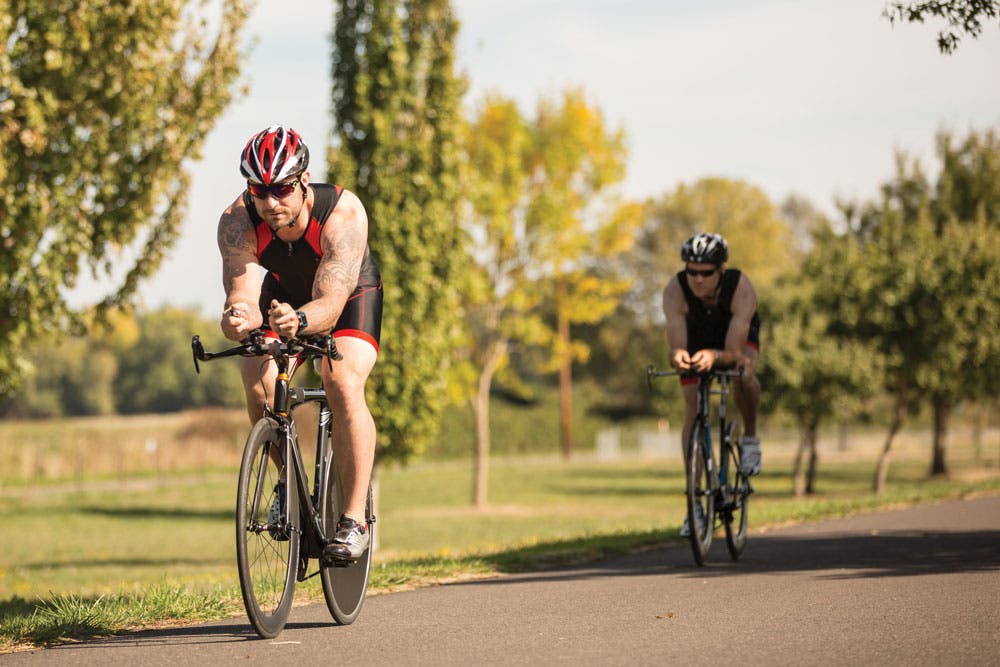
Racing by feel requires that you train by feel, at least some of the time. So yes, that means leaving the tech at home or just not turning it on or looking at it during a training session.
How you train and race by feel will vary based on whether you are swimming, biking, or running. Find your guide to training and racing by feel for each sport and how that applies to rate of perceived exertion (RPE).
How 3 types of run workouts should feel
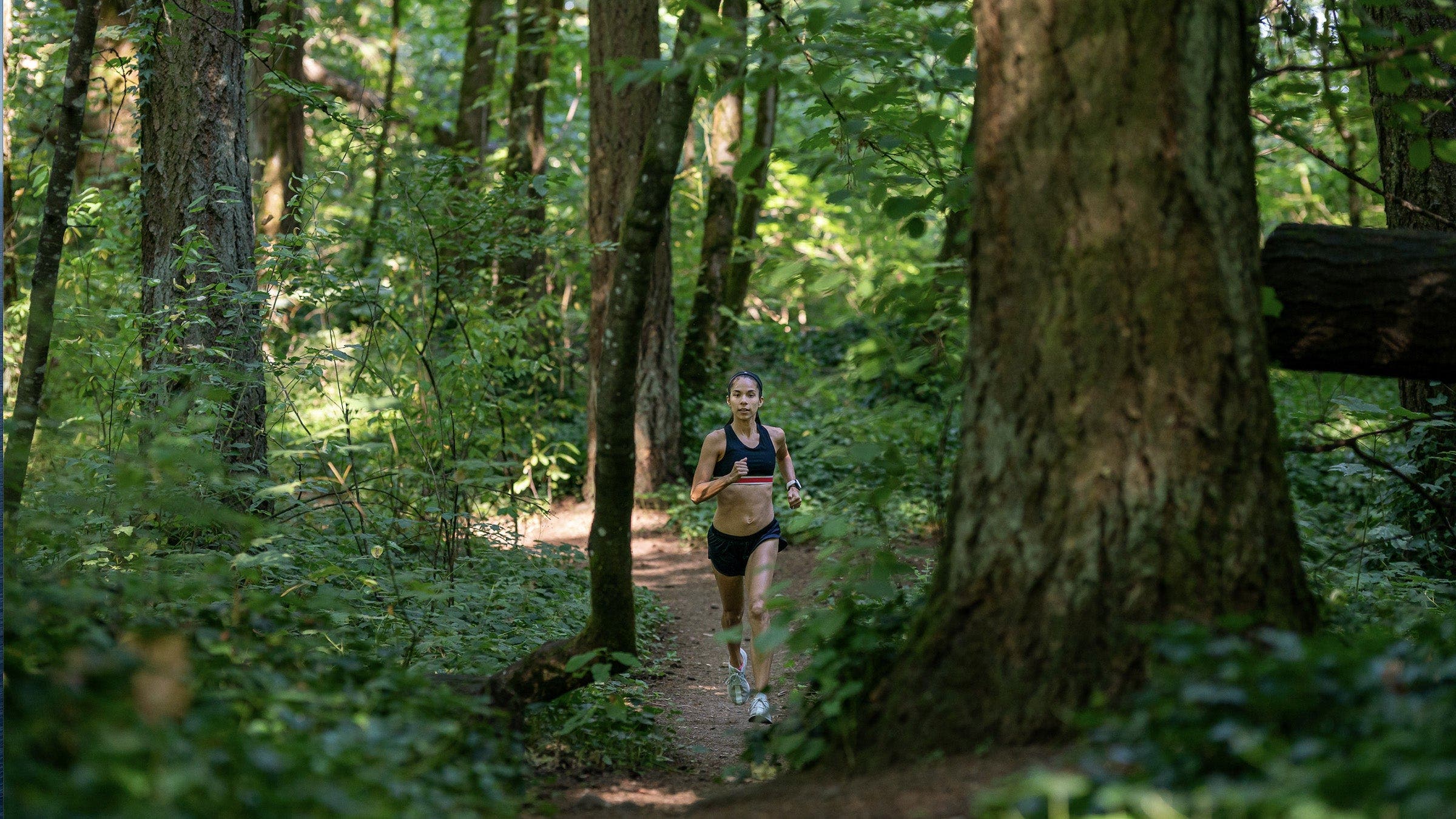
When completing steady runs, tempo runs, and VO2max work, you should know what effort level you’re aiming for, not just what training zone you should be in or what your target heart rate is.
This will help you pace yourself effectively and have the skills to adjust your effort accordingly based on what race day throws at you (such as crazy weather, nutrition disruptions, or delays).
A bike workout that guides you to training based on feel
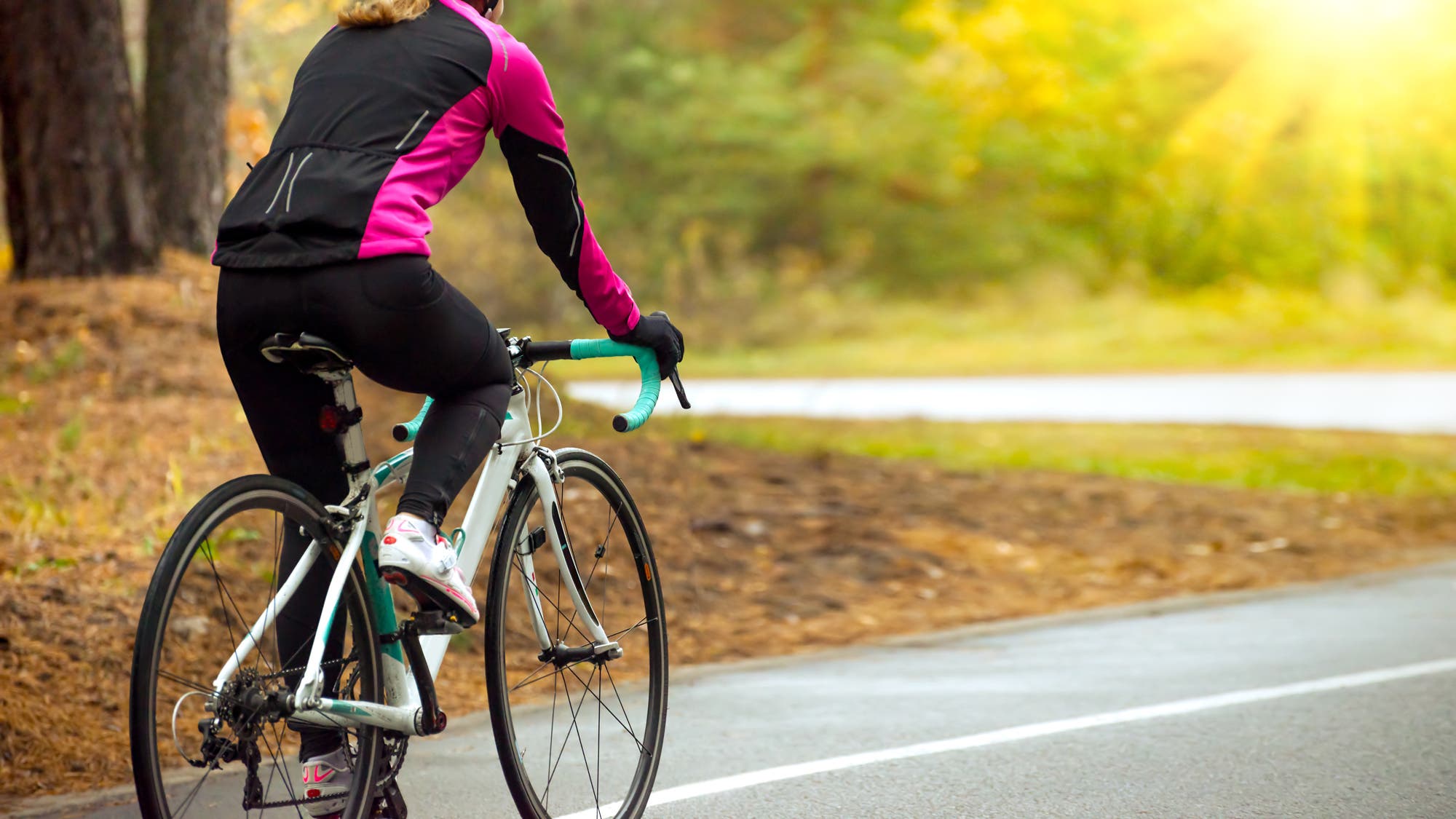
Train your brain as much as your body to race based on feel using this bike workout. This helps you dial in your efforts while listening to the biofeedback your body is giving you throughout training.
You’ll test your body at different levels from moderate to hard as you learn to interpret your body’s signals with no gadgets or tech attached.



