
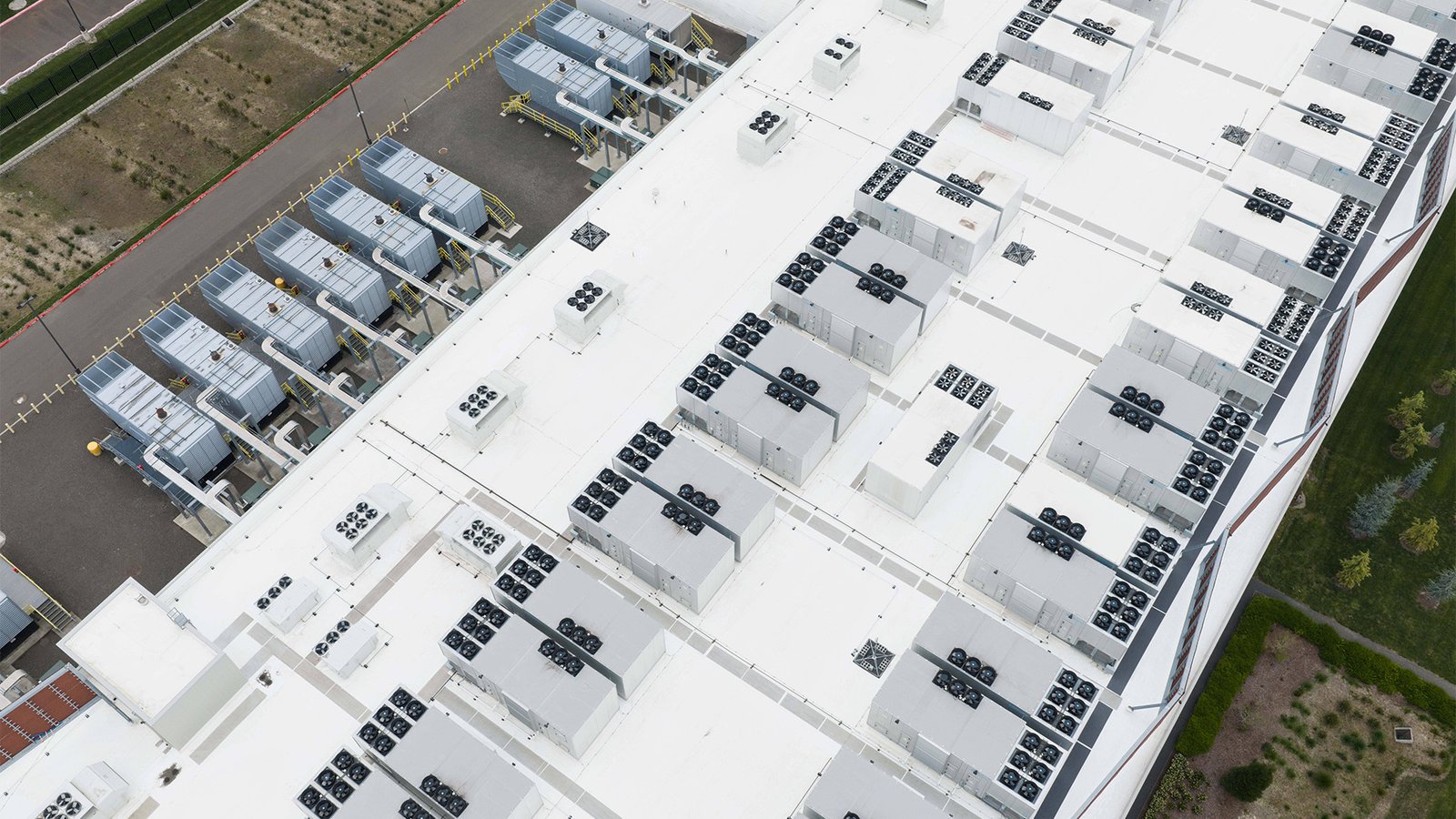
Data centers house servers that run 24/7 to drive artificial intelligence. They demand tremendous amounts of electricity to operate and water to prevent overheating. That’s led to demands to regulate their development.
“Data centers, unfortunately, do have a widespread environmental impact, from where they get to be built, impacting open space, farmland, communities. Then you go into the water usage of these facilities, which require so much water to cool down the server. So there’s an impact to water quality, as well as water availability,” said Anjuli Ramos-Busot, director of the Sierra Club’s New Jersey chapter.
Air pollution, she said, is the biggest drawback.
“Given that data centers are not properly regulated federally, or at the state level, we are seeing a lot of big data centers being proposed and being built that rely on natural gas burning in order to generate their energy required for their service, and that creates a direct impact on air pollution in the surrounding communities.”
Data centers contribute to heat islands, or higher temperatures locally relative to their regions. Cities, and even some blocks within them, can experience hotter weather in part because of scarce trees and other vegetation.
“If you are having a data center in the middle of a community, for sure, this community will experience the impacts of that heat,” Ramos-Busot said.

She supports proposed legislation to require water-use transparency and impact studies from data centers. She also supports bills to require data centers to pay more for energy usage, and to tap clean energy. Any communities considering whether a data center is right for them should consider these questions, she said.
“The heat island effect is one consideration. The noise that the data centers generate is another consideration, and having an adequate buffer for those two things are incredibly important. Where is the water coming from? How much energy is the data center proposing to utilize? Can they bring their own clean energy? It’s incredibly important in order to not tap into the grid,” Ramos-Busot said. “And can they pay for their fair share, right? They shouldn’t be having sweet deals, tax deals with the municipality or the state.”
We’re in this together.
For a better-informed future.
Support our nonprofit newsroom.



