
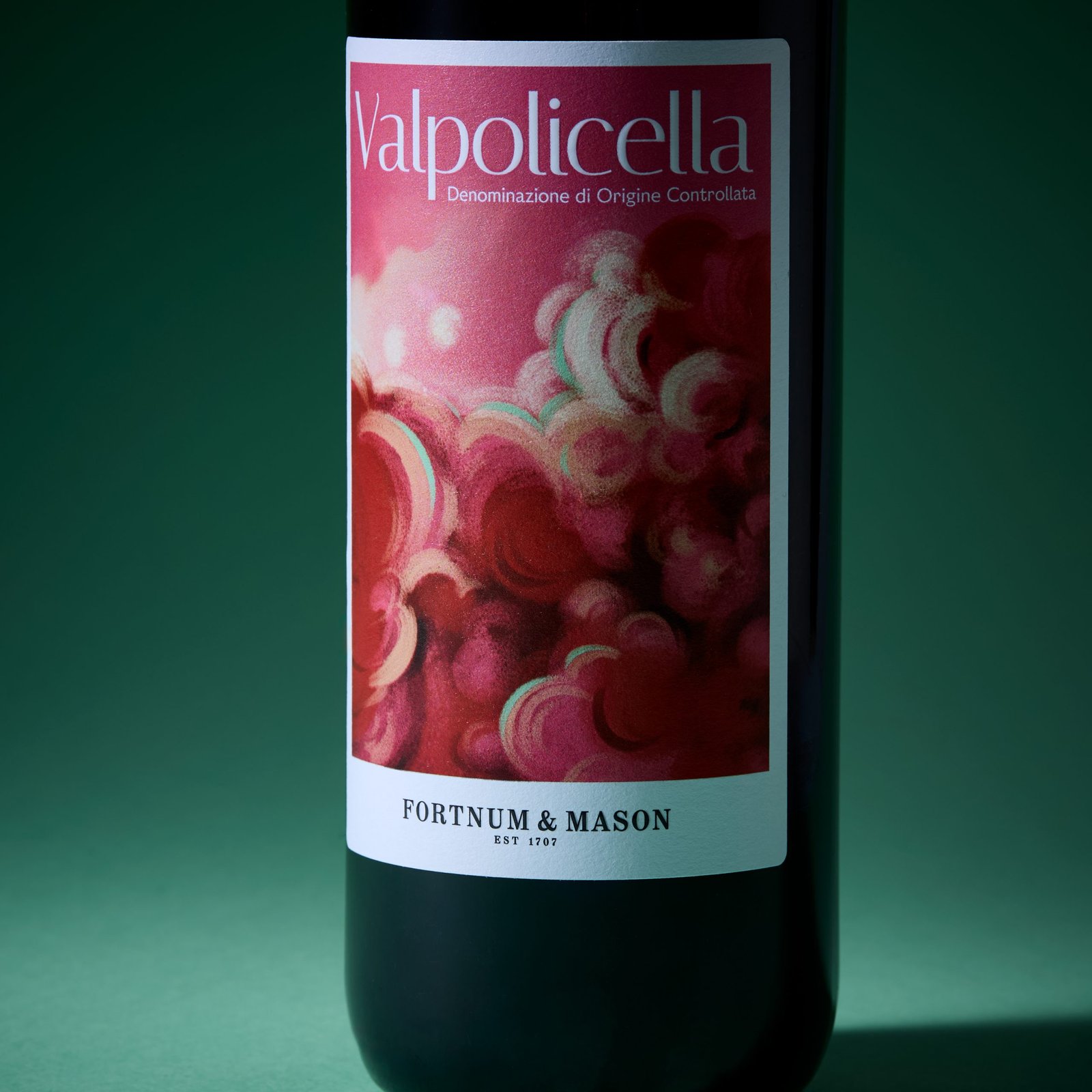
As luxury store Fortnum & Mason unveils a new collection of chilled reds to meet the viral trend, senior wine buyer Edwina Watson tells Sarah Neish why drinking reds cool “still feels counterintuitive to many” and how getting it right requires focusing on “style rather than quality or price point”.
It’s no secret that global sales of red wine have been dwindling as consumers’ eyes swivel towards lighter bodied, lower alcohol, and often white expressions.
But could chilled reds be the answer to producers’ prayers? It seems so. As db revealed last month, online searches for ‘chilled reds’ surged between February and June 2026, according to Google’s ‘Summergeist’ report on the biggest trends of the season. And online explorers were no longer asking “should I drink red wine chilled?” but rather seeking information on which red wines taste best chilled, signalling a change in the wind towards the serving style.
Bordeaux gets on board
What’s more, Bordeaux is reviving its historic ‘claret’ name for a new category of light, fruit-forward, chillable dry red wines aimed at attracting younger consumers back to the region. All grape varieties are permitted in the new Bordeaux Claret, effective from the 2025 vintage, in which short maceration of two to four days produces lightly coloured, low-tannin, unoaked wines intended to be served chilled. Focused on the on-trade, Bordeaux Claret wines are even recommended to be poured over ice.
The building momentum was solidified when luxury UK department store Fortnum & Mason announced this week that it is launching a new range of own-label ‘chilled reds’. Speaking exclusively to db, Fortnum’s senior wine buyer Edwina Watson said that “as a retailer of premium wines, we wanted to respond to market changes in a way that allows customers to explore something new, while not forgetting the classics.”
Pendulum swing
Of course serving red wine chilled is nothing new in Mediterranean countries such as Spain and Italy where refrigerated reds have long been sipped on sunny terraces, but for some components of the UK trade it has, until fairly recently, been seen as sacrilegious to serve a bottle of red at anything cooler than room temperature. Is climate change responsible for the pendulum swing?
“As UK summers have become warmer, it is perhaps unsurprising that customers are looking to enjoy lighter-bodied chilled red wines, in a way that is the norm in Italy or Spain,” said Watson. “The traditional maxim of ‘room temperature’ for red wines is really too warm in a heatwave, or in our centrally heated homes, so the concept of ‘chilled reds’ is a helpful way to communicate how to best enjoy certain red wines.”
Global spread
From a retail perspective, “clear merchandising and communication” is needed to help customers discover wines they may have previously overlooked through the medium of chilling them. The Fortnum’s own-label range includes bottles priced from £13.95 to £29.95 and encompasses quality expressions spanning Beaujolais and Valpolicella to Garnacha, Monastrell, Dão and Tempranillo.
“Each bottle has been carefully selected to be enjoyed lightly chilled, bringing out their bright fruit, freshness and versatility,” explained Fortnum’s, which has also implemented a new ‘chilled reds’ section on its website, suggesting options outside of the store’s own-label range that the buying team believes are perfect for chilling. This larger portfolio include a ‘Rosso’ from Etna, a Pinot Noir from South Africa, a Xinomavro from Naoussa in northern Greece and a Blaufrankisch from Burgenland in eastern Austria, as well as an intriguing English red from Norfolk made from Pinot Précoce.
“The interest in chilled reds reflects how we have been developing our buying strategy, towards a contemporary range that includes fresh, elegant and versatile styles of reds,” said Watson.
Education piece
Not all UK consumers will be familiar with what makes a red wine ‘chillable’. Will there be an education piece from Fortnum’s explaining how to enjoy the new range and what temperature to serve it at?
“The idea of a ‘chilled red’ can still feel counterintuitive to many customers,” said Watson. “Our advice is simple but not prescriptive: these wines are best served lightly chilled, around 10–14°C, rather than fridge-cold. We want customers to be aware that it’s about enhancing freshness and aromatics, not making a wine so cold that it masks its character.”
When choosing which bottles to include in the range, Watson told db that the team had looked for wines with “bright acidity, vibrant fruit, balanced alcohol and supple tannins.”
She added: “These types of wine are even more expressive when served slightly chilled.”

Quality perception
One obstacle to sale could be the entrenched perception that only lower quality reds should be served chilled. Many UK wine lovers would recoil in horror, for instance, at the idea of chilling a Super Tuscan or first-growth Bordeaux.
Watson is clear on this point.
“Serving temperature is about style rather than quality or price point,” she said. “Some of the world’s finest lighter-bodied reds are delicious served with a slight chill because cooler temperatures can emphasise the aromatics and detail in a wine. Whether a wine costs £15 or £50, the right serving temperature helps to show it at its best.”
She stressed that “we want to help customers understand that serving temperature should complement a wine’s style, rather than compensate for its quality.”
Ultimately, Watson is keen to dispel the notion of chilled reds as a gimmick.
“I think it’s encouraging that customers are interested in the concept as it indicates a curiosity around how and when to enjoy wine, rather than thinking of chilled reds simply as a novelty,” she said.
“And we have plenty to offer in this category, not limited to a particular grape variety or region.”
Related news
Online searches ‘through the roof’ for Sancerre and chilled reds



