
Stephanie Pratt held up photo of her smiling daughter, Kylee, to Hillsborough commissioners on Tuesday.
Kylee liked hanging out with her friends, Pratt said. And on one September night, Kylee bought a synthetic kratom mint chocolate chip pill with her friends at a smoke shop on her way home.
About 20 minutes after Kylee took half of the pill, Pratt said, she had trouble breathing. She stumbled into her home and later went to the hospital.
Kylee died two days later on Sept. 6. She was 19.
“Think about that for a moment. In just 20 minutes, a young, healthy girl who was just laughing, smiling, enjoying life with her friends was out fighting for her life,” Pratt said in tears. “Please take this into consideration for our daughter.”
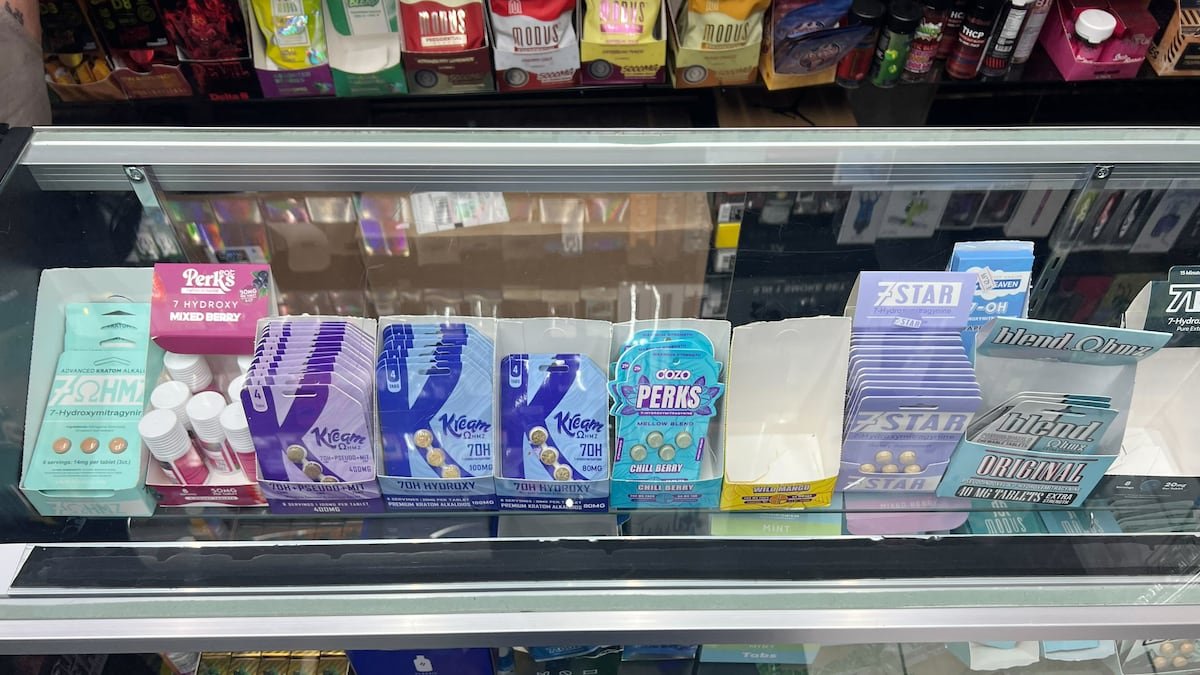
Pratt was one of more than 50 people who spoke at Tuesday’s commission meeting on a proposed change to Hillsborough’s synthetic drug ordinance that would ban chemically-altered kratom products. Kratom comes from the leaves of a tropical tree native to southeast Asia, which has historically been consumed in tea or food.
Kratom also contains opioid-like chemical compounds that can be concentrated and added to energy drinks, gummies and candy in convenience stores. One such potent chemical is 7-hydroxymitragynine, commonly known as 7-OH.
Hillsborough commissioners unanimously voted to adjust the county’s synthetic drug ordinance to ban products that have 7-OH or other concentrated chemicals. It doesn’t affect traditional botanical kratom, the kind that’s been used in teas and other products.
It also creates a misdemeanor criminal penalty for producing, distributing, selling, marketing or advertising the concentrated kratom products. Businesses with a retail food permit that sell kratom products in any form will have to post signs that state the product could lead to adverse health effects.
Commissioner Joshua Wostal proposed the change to the ordinance in June, pointing to research that suggests chemically-altered kratom is highly addictive. He cited a 2023 Tampa Bay Times investigation that found more than 580 people in Florida died from kratom-related overdoses in the last decade.
“I would rather just ban the low-hanging fruit, which is without debate, all of these synthetic drugs,” he said Tuesday.
State and federal officials have recently come down on concentrated kratom products. Florida Attorney General James Uthmeier this July reclassified concentrated 7-OH products as a Schedule 1 drug, which labels them with a high potential of abuse. It came weeks after some federal health officials recommended a ban.
Many speakers held photos of their loved ones that suffered from an addiction to the substance or died from an overdose. Colt Macdonald told commissioners that he became addicted after trying natural kratom in a tea.
Macdonald said he bought it in multiple forms. He told commissioners he woke up in January to find his twin brother dead from a kratom overdose. Macdonald later turned 21 in rehab.
Macdonald, like dozens of others at Tuesday’s meeting, said he believes Hillsborough should ban all kratom, including the natural kind used in teas and other food.
“I got addicted because of a strawberry-flavored tea. The rest of my life I will be fighting to stay clean,” Macdonald said. “If natural kratom didn’t exist, I would be graduating next to my twin brother. Instead, I’m going to AA meetings and planting flowers at his grave.”
About a dozen other people said products from the kratom plant helped them in their daily lives due to their stimulating effect. Some said natural kratom products from the leaves helped them manage chronic pain.
Tyler Daughtry told commissioners that he was able to stop using some harder drugs because he started using kratom.
“Many adults use kratom as an alternative to more dangerous substances, including illicit opioids,” Daughtry said. “Kratom saved my life. We need to focus more on harm reduction, education and addiction prevention.”
Security escorted Daughtry and another person out of the commission meeting after they exchanged profanities. Chairperson Ken Hagan later asked for security to escort a third person out.
Matthew Lowe, the executive director of the Global Kratom Coalition, told commissioners he supported the proposed changes to the ordinance. He said synthetics are dangerous and should be banned but natural kratom products should be regulated.
Commissioner Donna Cameron Cepeda, who voted in favor of the change, said she would like to see a total ban on kratom sales. County Attorney Julia Mandell said Hillsborough can’t enforce that ban without going through another public notice process as natural kratom would not fall under the county’s synthetic drug ordinance.



