
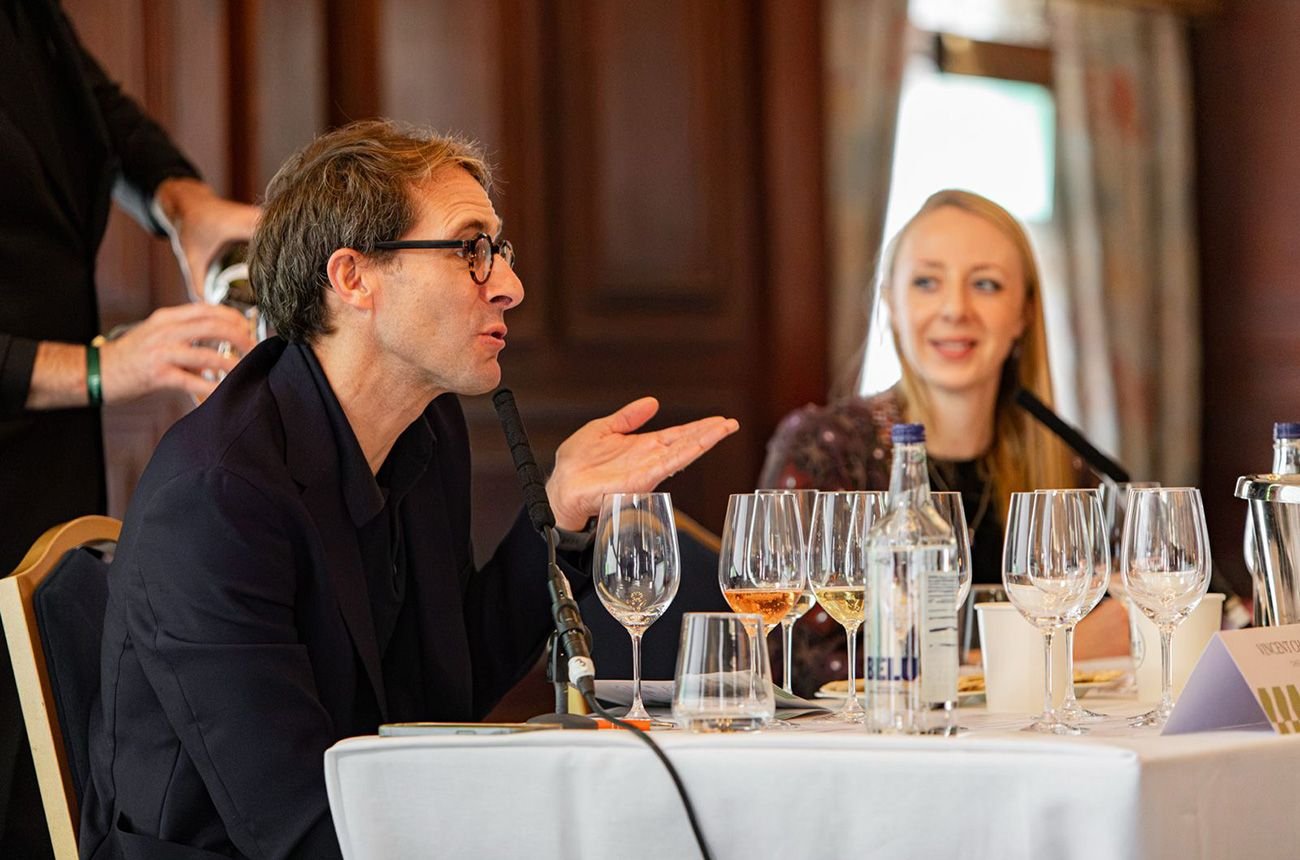
In this packed-out masterclass hosted by Dom Pérignon cellar master Vincent Chaperon, guests were first invited to taste the future.
‘Plénitude 0’ was Chaperon’s name for an exclusive wine bottled just for this masterclass: the finished blend of the 2025 base wines, about to start on its long journey to become a future Dom Pérignon vintage release.
‘You will remember this moment,’ said Chaperon, ‘the moment you drank the future Champagne that you won’t see for another 10 years.’
It was an illuminating insight into the mind and role of a cellar master. ‘You have to project yourself into the future,’ explained Chaperon.
It’s not an easy task, visualising what this wine can – and should – be in 10, 20 or 30 years’ time. The aromas were shy and citrusy, which Chaperon says is intentional: ‘what’s important is to focus on the harmony of the palate’. Structure, integration and coherence is what he’s looking for when he blends.
This was a neat way into a masterclass about time, transmission and memory. Every Dom Pérignon is made with its third act in mind: a vintage is declared only if Chaperon believes it can reach the level of Plénitude 3, some 30 years on.
That means choosing the ‘sharpest, most introverted’ base wines at the start of the blending process.
Get our daily fine wine reviews, latest wine ratings, news and travel guides delivered straight to your inbox.
‘If they are too open, too shiny, too seductive at time zero,’ he asked, ‘how can they deliver in 30 or 40 years?’
The wines
(Image credit: Future / Ellen Richardson Photography)
Dom Pérignon, « Plénitude 0 » 2025
Dom Pérignon, 2018
Dom Pérignon, 2017
Dom Pérignon, Rosé 2010
Dom Pérignon, Plénitude 2 2008
Dom Pérignon, Plénitude 2 2004
Dom Pérignon, Plénitude 2 2003
Dom Pérignon, Rosé Plénitude 2 2000
Dom Pérignon, Plénitude 3 1995
Dom Pérignon, Plénitude 3 1983 (magnum)
Succession
Originally from Pomerol, Chaperon joined Dom Pérignon in 2005 and spent 13 years alongside previous cellar master, and his ‘spiritual father’, Richard Geoffroy.
Although Chaperon took the reins from the 2018 vintage, they’re still in touch – ‘I just sent him a picture of you all!’ he says to the audience at The Landmark Hotel.
The 2017 was Geoffroy’s last vintage; and 2018 was Chaperon’s first in charge. Both came from warm years, but 2017 was the smallest yield ever at Dom Pérignon, while 2018 was generous and abundant.
Because 2017 was so small, the two vintages are reaching the market together for the first time. There’s a certain poetry in this, the line of succession, the final dance between mentor and student.
Although maintaining consistency of style is a cellar master’s key task, they can also bring their own signature and subtle changes to the wine.
Since 2022, Chaperon has begun each blend by sketching out a ‘core’ from 135 lieux-dits across some 350 of the house’s 900 hectares, guided by the team’s emotion and perception of the year.
Making Pinot Noir dance
(Image credit: Future / Ellen Richardson Photography)
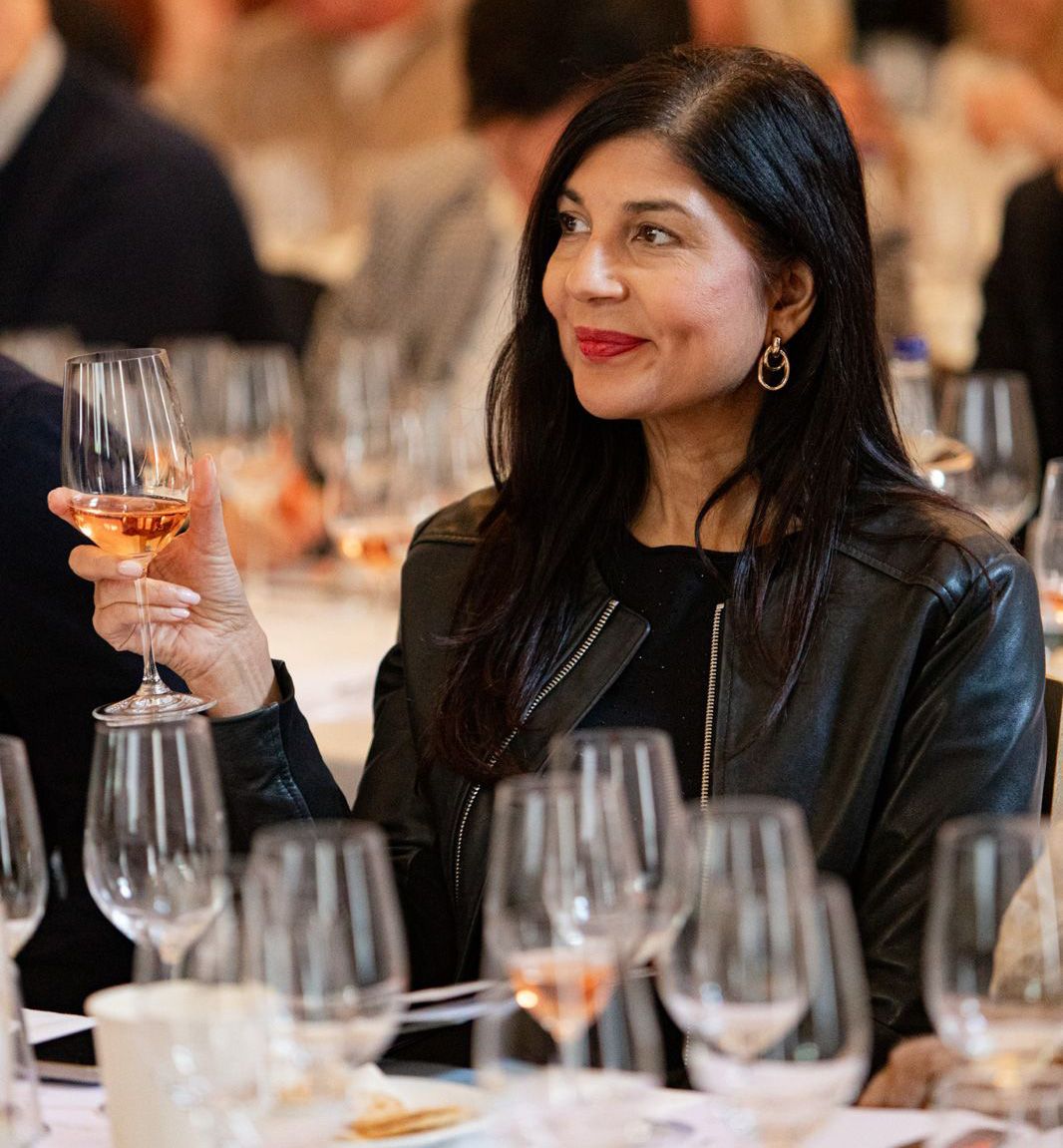
For Chaperon, a Bordelais with red wine at his heart, Dom Pérignon rosé embodies the philosophy of Dom Pierre Pérignon: the tension between black and white.
Dom Pierre Pérignon himself supposedly developed the technique of gently extracting clear juice from black grapes.
According to Chaperon, each vintage, whether the white or rosé, is based on an obsession to achieve the perfect balance between black and white, between Pinot Noir and Chardonnay, to play on the contrast in their expressions.
Although Dom Perignon rosé has been made since 1959, the turning point was in 2000, when he and Geoffroy resolved to push the Pinot Noir expression even further, to make it ‘dance and shine and sing,’ says Chaperon.
To do this, a new winery dedicated to red wine was built in 2006, with the Pinot Noir undergoing pigeage and maceration of no more than six days – ‘a very Burgundian approach of extraction, but much lighter than Burgundy,’ says Chaperon.
They then focused in on vineyard selection. The Pinot Noir for the rosé now comes from a specific 20ha, 15ha of them in Aÿ, two to three in Hautvillers and two to three in Bouzy.
And finally, they pushed the maturation period from 11 to 15 years.
The opportunity to taste both Dom Pérignon Rosé 2010 and Dom Pérignon Rosé Plenitude 2 2000 in this masterclass revealed how obvious that Pinot Noir presence is, in colour, aroma and especially structure.
‘And there will be a red wine, one day,’ says Chaperon, much to the intrigue of the audience. Might we see a still red wine from this iconic brand at some point in the future? Time will tell.
The ultimate expression
(Image credit: Future / Ellen Richardson Photography)
‘Every vintage must reach Plenitude 2 and 3,’ says Chaperon, ‘it’s embarked on in the initial decision to release a vintage.’
For Chaperon, this means that every decision, from picking dates to pressing, is made with the aim to reach Plenitude 3, to give a potential of maturation, a potential of intensification and complexification of the wine through time,’ he says.
‘So that means that we are not making the same decisions as those making Champagne destined to be sold after two or three years,’ says Chaperon.
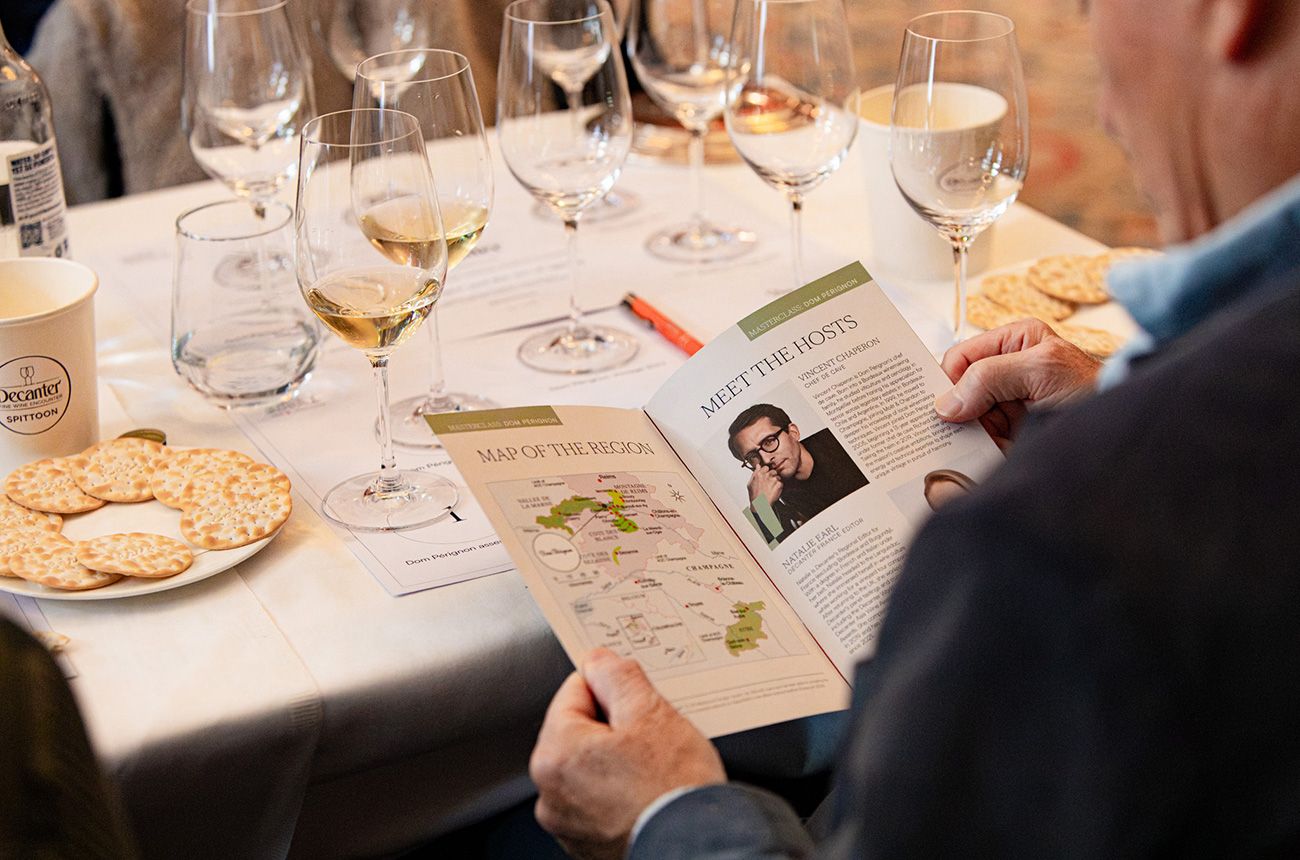
As we came to the end of the masterclass, and the two Plenitude 3 bottlings 1995 and 1983, there was little left for Chaperon to say, he needed simply to let the wines speak for themselves.
It was particularly special to taste the 1995, as it is Chaperon’s favourite vintage, which he describes as ‘complete’, both vertical and horizontal, with structure and texture pulling in several directions at once.
It was a fitting place to end, letting the audience imagine what the 2025 they tasted at the start would become in 30 years time.



