
October WTI crude oil (CLV26) closed up +4.46 (+5.20%) on Tuesday, and October RBOB gasoline (RBV26) closed up +0.0581 (+1.89%).
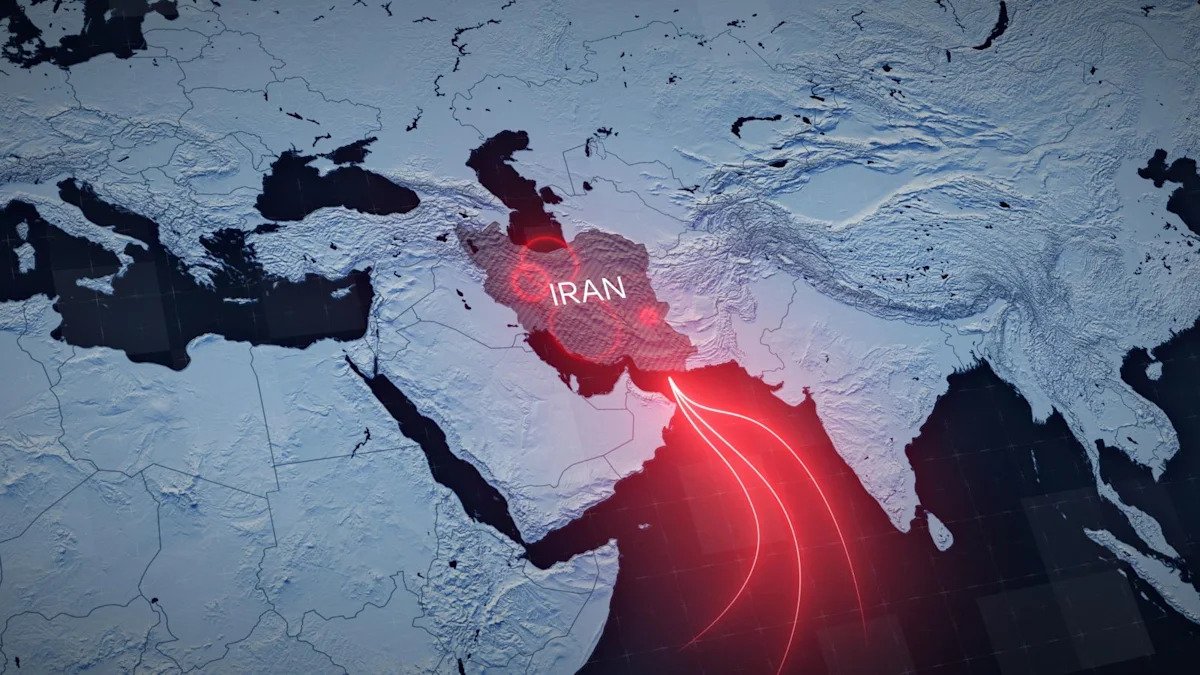
Crude oil and gasoline prices surged on Tuesday, with crude oil posting a 6-week high. Crude prices rallied sharply on escalation of hostilities between the US and Iran, raising concerns about prolonged disruptions to energy flows through the Strait of Hormuz.
More News from Barchart
Crude oil prices soared on Tuesday after two oil supertankers were struck by projectiles late Monday while attempting to exit the Strait of Hormuz. The attacks came after the US on Sunday targeted Iranian rocket launchers preparing to send mines into the Strait of Hormuz, and after Iran retaliated by firing missiles and drones at US air bases in Jordan and the United Arab Emirates.
Crude prices raced to their highs Tuesday afternoon when the US launched a fresh wave of strikes against targets in Iran in retaliation for Iran trying to put mines in the Strait of Hormuz and for earlier strikes on a US military base in Jordan. Iran threatened “severe punishment” and said it will target US bases and interests in the Middle East in retaliation.
President Trump recently said that the US naval blockade on Iranian ports is putting pressure on the country, and he has no timeline for resolving the US-Iran conflict.
Crude prices also have support amid fresh Israeli attacks on Iran-backed Hezbollah in Lebanon, dampening the prospects of ending hostilities in the Middle East and a quick reopening of the Strait of Hormuz. In addition, Israel has struck Iran-backed Hamas in Gaza, the Yemen- based Houthis have attacked ships in the Red Sea, and several vessels have been hit by projectiles in the Strait of Hormuz.
In a supporting factor, the International Energy Agency (IEA) said in its monthly report, released on August 12, that the global oil supply deficit will worsen, even as oil demand is taking a hit from the war and high prices. The IEA said global oil inventories will fall in Q3 at twice the previously estimated rate because of ongoing disruptions from the US-Iran war.



