
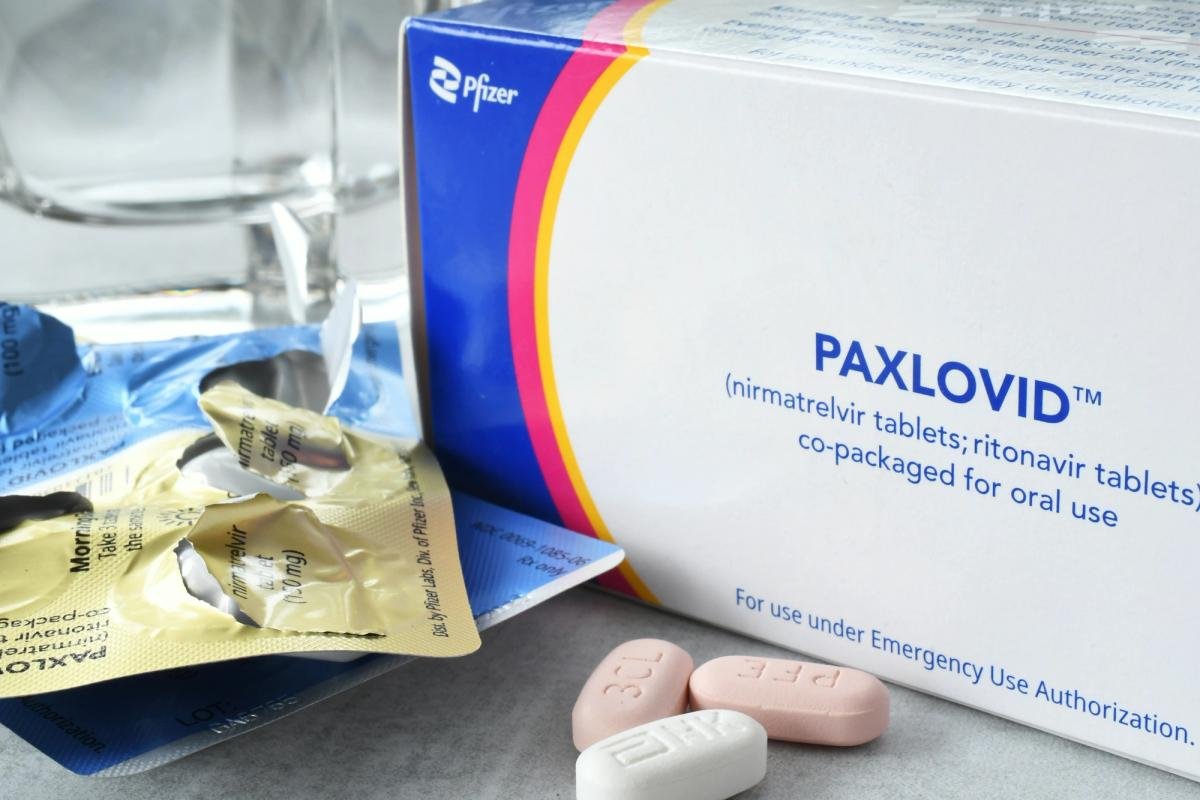
Treatment with nirmatrelvir/ritonavir (Paxlovid; Pfizer) within 5 days of SARS-CoV-2 infection was associated with modestly lower risks of long COVID, post-acute hospitalization, and death among high-risk, nonhospitalized adults, according to a target trial emulation study published in PLOS Global Public Health. However, investigators observed no clear reduction in long COVID risk among individuals without documented risk factors for severe COVID-19.1,2
Although nirmatrelvir/ritonavir has been shown to reduce severe acute COVID-19, evidence on whether it prevents post-acute sequelae of SARS-CoV-2 infection (PASC), or long COVID, has been mixed in high-risk patients and largely absent in low-risk patients, the study authors noted.1
Study Drew on a Large, Diverse Patient Population
The researchers analyzed electronic health records from 29 repositories within the Patient-Centered Clinical Research Network (PCORnet) as part of the NIH Researching COVID to Enhance Recovery (RECOVER) Initiative. The study included 497,499 adults with a first SARS-CoV-2 infection between March 1, 2022, and February 28, 2023. Among individuals with at least 1 risk factor for severe illness, 159,659 received nirmatrelvir/ritonavir within 5 days of infection and 272,048 received no COVID-19 treatment.1
Investigators used stabilized inverse probability of treatment weighting to balance baseline characteristics and ran negative control outcome analyses to assess residual confounding. Outcomes were measured 30 to 180 days after infection.1
The previous largest study on the topic, conducted in 281,793 US veterans, found that nirmatrelvir was associated with a reduced risk of post–COVID-19 condition (relative risk, 0.74; absolute risk reduction, 4.51%). However, that population was older and predominantly White and male, leaving questions about generalizability.1,3
Benefits Observed Across Organ Systems and Subgroups
At 180 days, the estimated risk of long COVID was 30.51 events per 100 individuals in the treated group versus 33.50 in the untreated group (HR, 0.88; 95% CI, 0.87-0.89), an absolute risk reduction of 2.99 events per 100 individuals. Treatment was also associated with lower risks of all-cause hospitalization (HR, 0.70; 95% CI, 0.68-0.73) and all-cause death (HR, 0.53; 95% CI, 0.46-0.60) in the post-acute period.1