
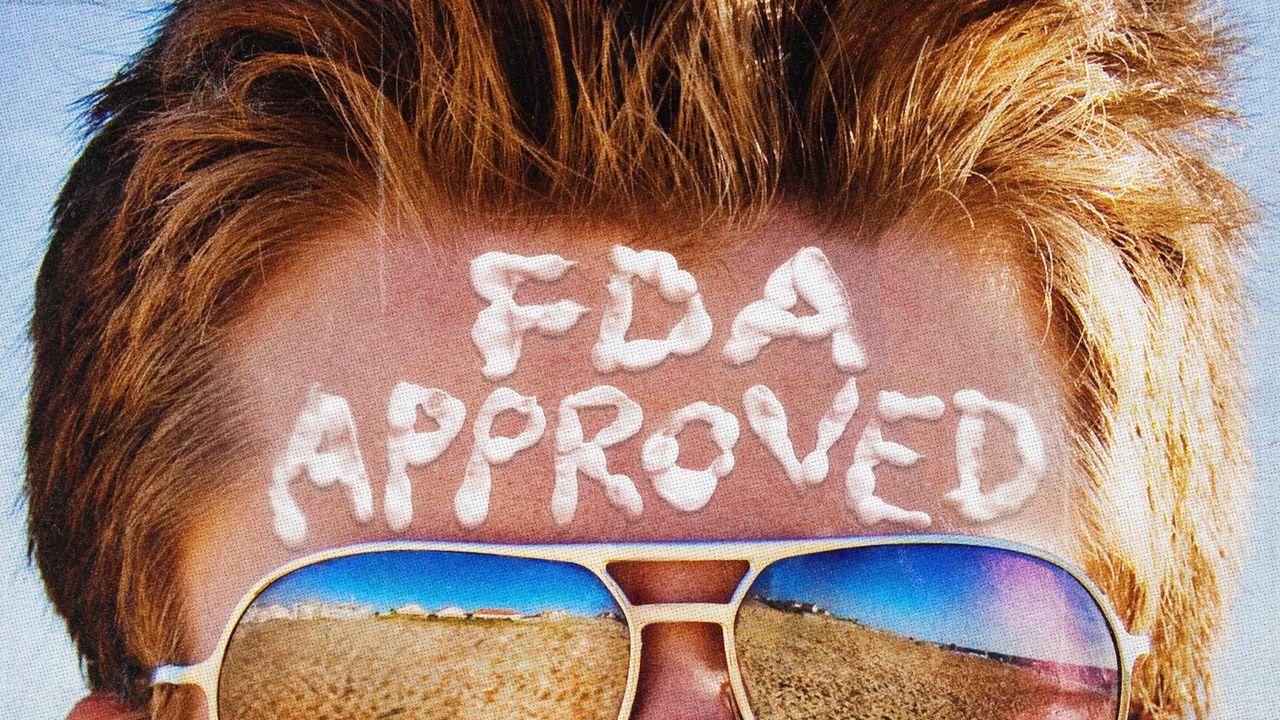
People come up with all kinds of excuses to avoid wearing sunscreen. They hate the chalky consistency, the white cast, and the heavy feeling that many formulas leave behind. They can’t bear their eyes stinging as product drips when they run outdoors or simply exist in the summer heat. They’ve heard that chemical sunscreens are toxic and better off avoided altogether. But thanks to the FDA’s approval of a new sunscreen filter, many of those complaints could soon be lulled.
After decades of lobbying, the FDA finally approved the new sunscreen ingredient bemotrizinol (aka Tinosorb S, or BEMT) on June 10. Long used across Europe and Asia, this chemical sunscreen filter will soon make its grand entry stateside—making skincare obsessives, industry insiders, and product developers sound a lot like sneakerheads.
Why the approval is such a big win
The FDA hasn’t approved a new sunscreen filter since the late ‘90s. Because sunscreen is regulated as a drug in the U.S., new filters face a far longer approval process than they do overseas. In terms of technology and textures, our SPF formulas simply aren’t up to snuff globally—hence why many people strategically stuff their carry-ons with sunscreen on their Eurotrips and glow-up getaways to Seoul. Now with bemotrizinol on the scene, that narrative may start to change.
“The FDA approval of bemotrizinol is a significant milestone because it gives formulators in the U.S. access to one of the most effective and photostable UV filters that has been used safely in Europe and other markets for years,” says Whitney Hovenic, MD, board-certified dermatologist, Mohs surgeon, and co-founder of sunscreen brand SPOOGE. The filter provides broad-spectrum protection against both UVA and UVB rays (responsible for skin aging/cancer risk and sunburn, respectively) and has low potential for skin penetration. It also helps stabilize other sunscreen ingredients, including the mineral filter zinc oxide, and makes for more wearable formulas.
According to Alexa Friedman, PhD, senior scientist with the Environmental Working Group (EWG), BEMT’s level of protection against UVA rays is among its most compelling benefits. “For too long, American consumers have been applying sunscreen and believing they were fully protected, not knowing that their product was delivering far less UVA protection than the label implied,” she says. Put simply, American sunscreens have traditionally been better at preventing a lobster-red tinge than blocking the UV light linked to wrinkles and melanoma. Zinc oxide and the chemical filter avobenzone are exceptions here, yet the latter is more likely to break down under the scorching sun than BEMT.
“To further complicate things, the FDA doesn’t allow formulations blending avobenzone with zinc oxide, so innovation was challenging,” adds Charlotte Palermino, aesthetician and co-founder of skincare brand Dieux. Palermino—who, alongside lawmakers like Alexandria Ocasio-Cortez, actively advocated for the SAFE Sunscreen Standards Act, signed into law last November prompting the FDA to modernize its approval process for new sunscreen ingredients—is growing more optimistic about the future of sunscreen in the U.S. “Now, we have the first step in creating better formulas that feel amazing, are less sensitizing, and have gorgeous finishes.” And since bemotrizinol is officially Generally Recognized As Safe and Effective (GRASE), she hopes it’ll silence critics who claim that all chemical sunscreens are toxic.
When will the new sunscreen ingredient hit shelves?
Don’t expect to buy a bottle before your beach trip this summer. According to Carl D’Ruiz, MPH, senior manager for North America Beauty and Care Advocacy and Business Development for personal care manufacturer DSM-Firmenich, the FDA’s Final Order for bemotrizinol becomes effective on August 9. It’s only then that it’ll no longer be considered an unapproved drug, and marketing activities can kick off. (DSM-Firmenich is the maker of PARSOL Shield, a branded version of BEMT that earned an 18-month exclusivity agreement from the FDA for pushing the approval through.)



