
The Fantasia International Film Festival manages every year to offer an impressive programme that combines fantastic cinema, animation, horror, action, cult restorations, short productions, industry events and appearances by some of the most influential creators in genre filmmaking. Its 30th edition once again confirmed Fantasia’s position as one of the most significant festivals for fantastic cinema internationally and one of the West’s essential showcases for Asian genre productions, with the Japanese selections in particular being truly top notch.
Nevertheless, the programme featured works from established filmmakers and emerging directors across Japan, South Korea, the Philippines, Thailand, Kazakhstan, Myanmar, Singapore and India. Among the highlights were Masanao Kawajiri’s inventive animated romantic drama “Cherry and Virgin”, Kiyoshi Kurosawa’s period mystery “The Samurai and the Prisoner”, the anniversary documentary “The Origin of Ultraman”, Aitore Zholdaskali’s violent Kazakh thriller “Sicko” and Paween Purijitpanya’s Thai action fantasy “God Skin”.
Asian cinema also enjoyed a prominent showing at the festival’s juried awards, receiving 14 prizes and special mentions. Edwin’s “Sleep No More” won Best Screenplay and received recognition for its practical effects, while Hideo Jojo’s “Beasts Clutching at Straws” received the inaugural Cheval Noir Award for Best Editing. Dilnaz Kurmangali and Ayan Utepbergen earned a New Flesh Special Mention for “Sicko”, while Asian shorts and animation received numerous awards across the International Short Film, Satoshi Kon and Quebec Association of Film Critics competitions.
The following reviews, interviews and festival features constitute Asian Movie Pulse’s coverage of the 30th Fantasia International Film Festival.
The most touching and impactful part of “The Origin of Ultraman” is the one featuring Hideaki Anno, who becomes visibly emotional while discussing how profoundly the series shaped his work. He even mentions that “Evangelion”, along with much of his other output, is essentially a variation on the iconic programme. Shannon Tindle and Nicolas Winding Refn provide the most humorous moments, with both highlighting the impact “Ultraman” had beyond Japan.
The documentary also repeatedly emphasises the intense work invested in the original series, while everyone involved appears to acknowledge Eiji Tsuburaya as a genius. Despite a few minor issues, “The Origin of Ultraman” functions particularly well as a presentation, analysis and tribute, while also serving as an ideal starting point for anyone wishing to discover one of the most influential franchises of all time.
Takeshi Yagi organised his Fantasia presentation around a larger question: What happened to Japan after “Ultraman” appeared on television on July 17, 1966? For Yagi, the answer could be found in the behaviour of the children watching. Across the country, children from different backgrounds were suddenly connected by the same 30-minute experience.
“Ultraman” did not simply become a successful television programme. It entered family memories, childhood games and the collective imagination of several generations. Yagi connected that impact to the Japanese tradition of tokusatsu, which he described not merely as a technical process but as a method of storytelling that gives physical form to dreams, fears and possibilities.
Yu Nakamoto presents a story commenting on the current situation of the yakuza through a predominantly comedic approach, with dancing providing the principal source of entertainment. The gangsters are initially presented as caricatures, particularly when they are forced to take on service jobs to survive. As the story progresses, however, a degree of respect gradually emerges, with the ending presenting loyalty in a positive light.
Akito Fujii gives a brilliant performance as Kunio, managing to appear dangerous, kind, loyal, temperamental and caring. His attitude and physical appearance provide the main source of humour and essentially form the core of the narrative. Although somewhat vague in its commentary about the yakuza, “Break Free” is a highly entertaining and uplifting production that benefits from its unusual combination of violence, dancing and social media.
Director Yu Nakamoto, lead actor Akito Fujii and executive producer Yusuke Suzuki explained that “Break Free” was constructed around Fujii from its earliest stages. The team combined his history of playing gangsters with the dance experience he had acquired during his childhood, arriving at the seemingly absurd but immediately cinematic idea of making a production about a yakuza who dances.
The team initially launched a TikTok campaign, with Fujii being told that the feature would move forward once the account reached 10,000 followers. Fujii also gained approximately 20 kilograms for the part, believing that the image of a heavy, middle-aged gangster seriously pursuing dance would be both funnier and more inspiring than presenting Kunio as a conventional athletic performer.
Drawing inspiration from his own experiences in the industry, Takeru Shinozuka creates an animation about the hardships of working in the sector. Long hours and the constant pursuit of kawaii appeal are presented as pressures that gradually drown both workers and their creativity. When Shinano realises that Koyami and the other creatures are manifestations of herself, her journey towards healing begins.
The art form is particularly interesting, with the relatively simple design of the protagonist contrasting with the more elaborate creatures surrounding her. The flow of the animation is excellent, while the combination of the real world and the images appearing on Shinano’s drawing board is exceptional. “Foxing: Kitsuné-tsuki” communicates both the physical and psychological challenges facing animators through an accomplished and fitting visual approach.
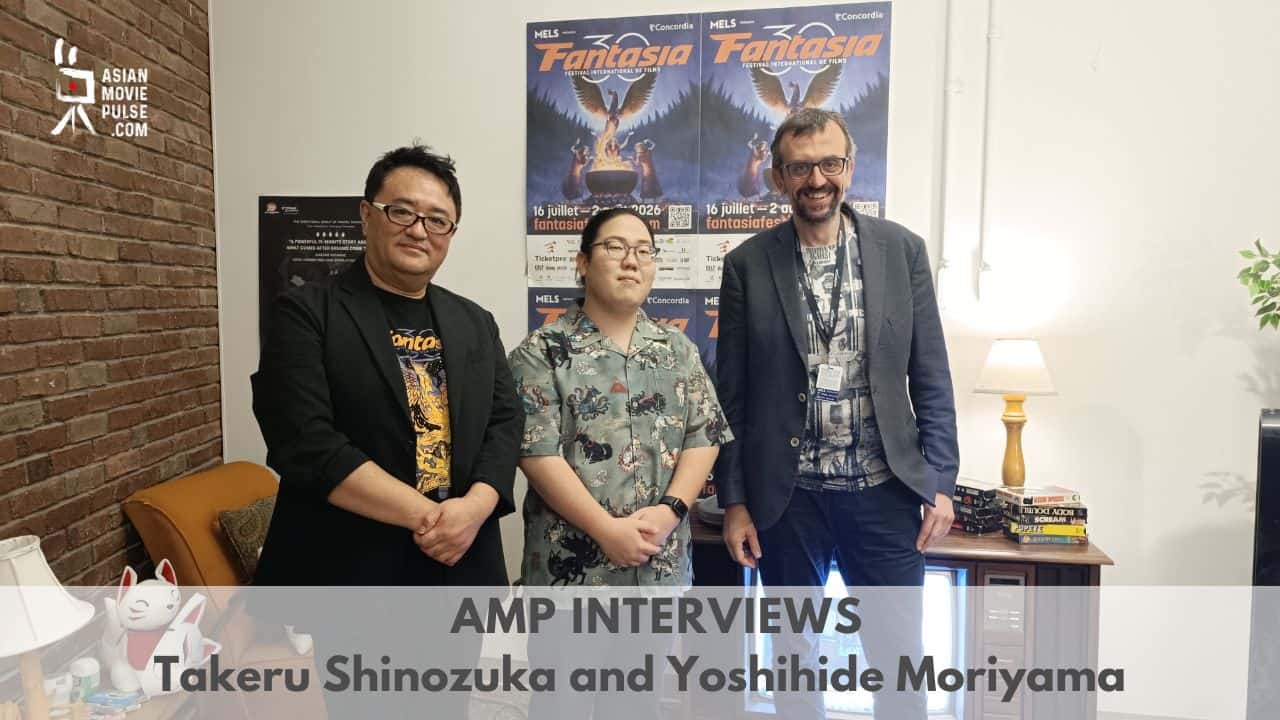
Producer Yoshihide Moriyama explained that ETERNA Animation was established to provide an alternative creative environment within Toei Animation. While the company remains internationally associated with franchises including “Dragon Ball” and “One Piece”, the new brand is intended to focus on original productions and give individual creators greater control from conception to completion.
Shinozuka estimated that approximately 30 to 40 percent of “Foxing: Kitsuné-tsuki” emerged from his own experiences. He combined those autobiographical elements with imagery drawn from Shinto beliefs, yokai traditions and Japanese fox mythology. The concept of fox possession functions both as a supernatural condition and as a metaphor for Shinano’s alienation from her creativity.
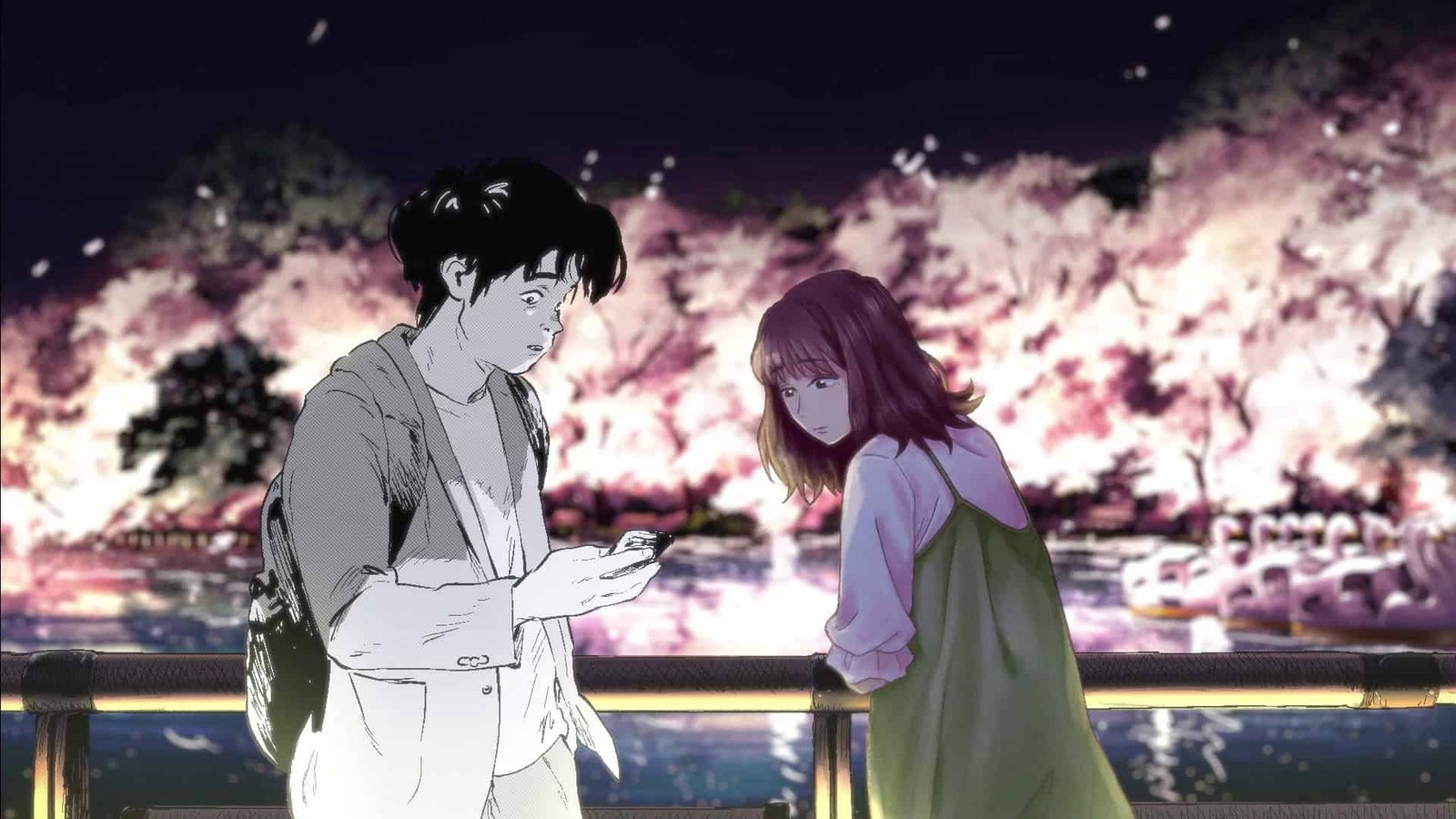
“Cherry and Virgin” is one of the best productions of the year, including both animation and live action. Masanao Kawajiri focuses on two creative people who have ended up doing work they do not particularly enjoy while having experienced no romantic relationships despite being in their thirties. Their awkward efforts to become closer are sensitive, realistic, hilariously funny and eventually dramatic.
The two protagonists are presented through completely different drawing styles. Ryo appears in black and white with a pencil-like design, while Ami is colourful and more closely resembles a conventional anime character. The fact that this difference becomes part of the narrative is among the smartest elements in a production that thrives equally through its context, writing and art form.
Production on “Redline” began around 2002, seven years before its premiere. Taiki Sakurai joined during the early development stage and was initially expected to write only one of the production’s four principal segments. He eventually completed the first draft of the entire screenplay, with much of his writing remaining in the finished version.
Sakurai explained that “Redline” contains no conventional background artwork, since the backgrounds themselves were created as animation. He also discussed the transformation of the anime industry, the international expansion encouraged by streaming and the importance of original productions. For Sakurai, original projects remain essential because they give exceptional creators the freedom to construct something without the restrictions imposed by established properties.
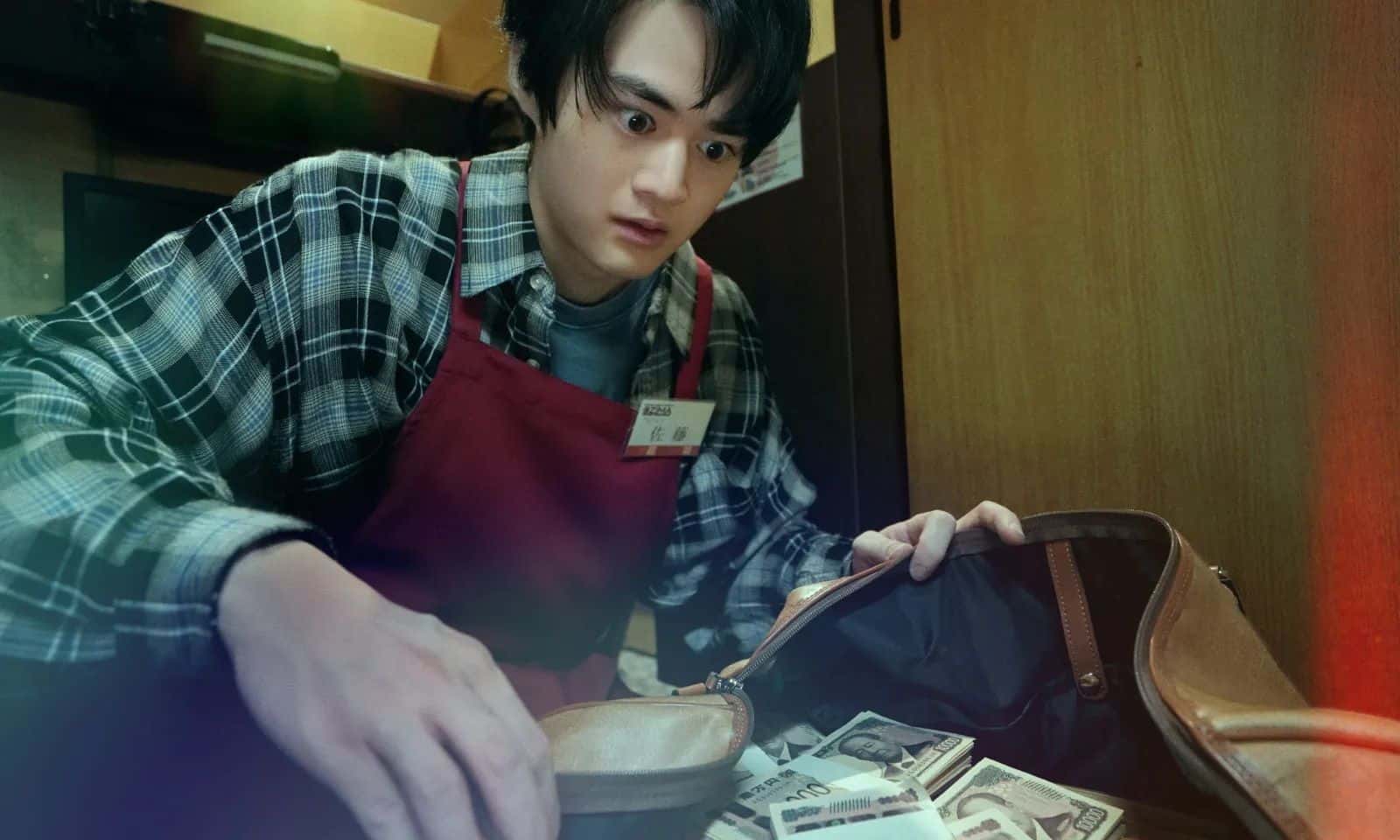
The source material contains numerous characters, episodes and interconnected events based on increasingly complex coincidences. Hideo Jojo nevertheless does a good job of presenting the whole story, particularly through the placement of flashbacks and the accomplished editing. The recurring image of the bag being opened proves especially effective.
Tonally, there are some issues, since Jojo occasionally appears uncertain whether the production should follow a comedic path or function as a violent thriller. The acting, however, remains at a very high level, particularly from Nana Mori, Ouji Suzuka, Hiroki Narimiya and Jun Fubuki. Although slightly inferior to the South Korean adaptation, “Beasts Clutching at Straws” remains highly entertaining and enjoyable.
The combination of the visuals and Mozart’s “Requiem in D Minor” is nothing short of impressive. Junar Kim places the action within a highly elaborate frame, making the entire short resemble a moving painting. The presence of the female protagonist is minimal, but the various manifestations of Death, presented in all their baroque grotesqueness, are truly epic.
The existential question of what death represents and how fate is imposed upon people forms an appealing narrative foundation. Furthermore, the fact that the protagonist is a woman while Death repeatedly takes masculine forms introduces a comment about female defiance. “The End of the End” draws viewers in through its epic audiovisual atmosphere while retaining their interest through its context.
The negative comment about the pursuit of beauty and the broader concept of improving oneself forms the basis of “Tamasira”. The presentation of the other women at the retreat also introduces a comment on conformity and the pressure placed on women to abide by particular standards of appearance and prescribed states of mind.
As the narrative gradually turns into supernatural horror with a touch of sensuality, the commentary becomes even more intense. Aaron Ang’s cinematography, Maryann Yee’s special effects, Yu Ting Yen’s sound design and Russell Goh’s production design are all top notch. Despite some excessiveness and a rushed final section, “Tamasira” artfully combines entertainment with social commentary inside an impressive audiovisual package.
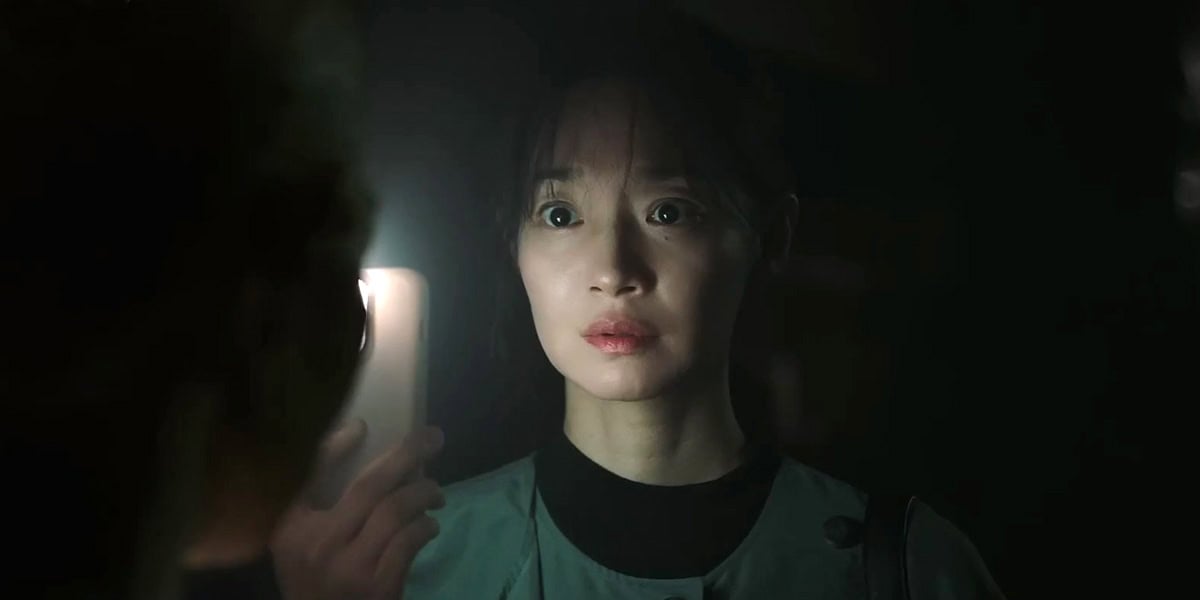
“The Eyes” understands the possibilities of using blindness in horror during its strongest sequences. Seo-jin cannot identify who is near her, where a particular sound originates or whether a blurred figure represents immediate danger. Yeom Ji-ho gradually builds an oppressive atmosphere, with the voyeuristic framing suggesting that she is being observed even when neither she nor the audience can identify the watcher.
Shin Min-a gives an astonishing performance as both Seo-jin and Seo-in, communicating deteriorating vision, physical vulnerability, suspicion and recklessness with intensity. Nevertheless, the screenplay continues adding complications without integrating them smoothly. “The Eyes” remains visually polished and frequently frightening, but its technical confidence is undermined by uneven pacing, overcomplicated plotting and an unconvincing final revelation.
Matt Halsall begins “Idols” with an intense piece of social commentary about the cruelty of the K-pop world. The audition scene highlights its dog-eat-dog environment in particularly pragmatic fashion, while the story also addresses parents pressuring their children to enter an industry where demands and expectations come from every direction.
Once the action moves to the house, the production turns into a psychological thriller and horror story. Hojo Shin is quite good in the double role of a famous woman depressed by her situation and another desperate to attain the former’s status. Although the short format occasionally feels restrictive, “Idols” is intriguing in the way it uses thriller elements to present its comments about celebrity culture.
By Panos Kotzathanasis
Matt Halsall and Pierce Conran explained that “Idols” was conceived as proof of concept for a feature-length expansion. Rather than relying extensively on digital effects to present Hojo Shin as two physically identical women, the production used body doubles, carefully planned compositions and Simon Halsall’s editing.
The conversation also moved towards the wider crisis facing South Korean cinema. Declining investment, increasing production costs and weakened theatrical distribution threaten the system that created several generations of internationally acclaimed filmmakers. Halsall and Conran nevertheless suggested that the decline of unsustainable blockbuster models could create room for lower-budget productions, international partnerships and stronger creative identities.
A staple of Filipino popular culture, Zsazsa Zaturnnah is the principal character of one of the country’s most popular graphic novels. Building upon a parody of the classic comic character Darna, the original work attracted a large audience through adult humour and LGBTQ themes before inspiring theatrical and live-action adaptations.
Avid Liongoren’s animated version contains several technical inconsistencies, particularly during its action scenes. Nevertheless, these issues do not impair its ability to deliver a genuinely entertaining and occasionally moving experience. Most importantly, “Zsazsa Zaturnnah” remains true to the queer core of the original comic without slowing the pace of its colourful superhero action.
By Giovanni Stigliano
Avid Liongoren spent six years bringing “Zsazsa Zaturnnah” to the screen, transforming Carlo Vergara’s cult graphic novel into an independent animated musical comedy. One of the production team’s principal objectives was to create cartoons that looked distinctly Filipino rather than reproducing the visual conventions of American superhero comics or Japanese anime.
The artists studied Filipino faces, skin tones, buildings, vehicles and neighbourhoods. Liongoren wanted them to draw what existed outside their windows, including areas such as Quezon City and Cubao. The production’s representation of beauty also moved away from Eurocentric standards, presenting brown-skinned characters while remaining faithful to the story’s queer themes and cultural identity.

Kiyoshi Kurosawa directs a production that begins brilliantly. Whenever a mysterious incident occurs inside Arioka Castle, Araki Murashige seeks the help of his prisoner, Kanbei Kuroda, who guides him towards the correct way of thinking without directly providing an answer. Their relationship raises the possibility that Kanbei may be manipulating Murashige even while chained inside an underground cell.
In terms of context, “The Samurai and the Prisoner” is exquisite. Murashige is a lord who does not want to kill during an era when ritual suicide and executions are everyday occurrences. Despite pacing, repetition and lagging that become increasingly prominent during the final section, the story, acting and audiovisual approach remain of the highest calibre.
“The Last Footage” is a solid found-footage feature whose simple narrative hits many of the genre’s necessary beats while introducing elements of local culture. The opening establishes the group of friends as outgoing and genuinely good-natured, allowing their journey into the forest to feel immersive before the supernatural incidents begin.
The production becomes significantly more terrifying once it introduces black magic, local spirits and the witch’s blood ritual. Its final half shifts from eerie mystery to energetic action as the resurrected creature begins pursuing the group. Some traditional found-footage conventions and a rushed finale hold it back slightly, but the result remains an imposing first feature for Myanmar’s emerging genre cinema.
By Don Anelli
Arkar Soe Oo explained that he chose to present “The Last Footage” through camera glasses because he wanted audiences to feel directly immersed in the events. Operating the camera himself while playing Aung Khant meant that he had to remember his dialogue, control every camera movement and ensure that the other performers completed their actions at precisely the correct moment.
Weather conditions created further problems. The shoot took place during Myanmar’s rainy season, although the story was intended to unfold during a single continuous night. A production initially scheduled for approximately 21 days consequently extended across seven months. Its Fantasia premiere has already attracted attention from sales agents, distributors and international festivals.
“The Mouths” is a likeable, if somewhat confusing, genre experience. The story by Masahiro Yamaura and Takashi Shimizu brings together classic J-horror sensibilities through a local legend concerning a cursed tree in a cemetery and the terrifying consequences faced by the university students who visit it.
The supernatural sequences include an unkillable cicada, an encounter in a deserted library and a series of disturbing videotapes featuring unnatural bodily movement. However, the nonlinear structure and constant changes in perspective make the story difficult to follow. The result is an enjoyable but not entirely accessible production whose frightening imagery outweighs its narrative problems.
By Don Anelli
Takashi Shimizu admitted that Sesuji’s “A Questionnaire About the Mouth” appeared extremely difficult to adapt. Its interview-based construction worked effectively as written horror but presented significant challenges when translated into images. That difficulty, however, became the principal reason he accepted the project.
Shimizu retained the testimonies that form the foundation of the novella while changing the role of An, turning her into something closer to a manifestation of the tree’s curse. He also discussed revisiting “Village of Eight Gravestones”, balancing original projects with commissioned assignments and the appearance of younger Japanese filmmakers bringing new sensibilities into horror cinema.
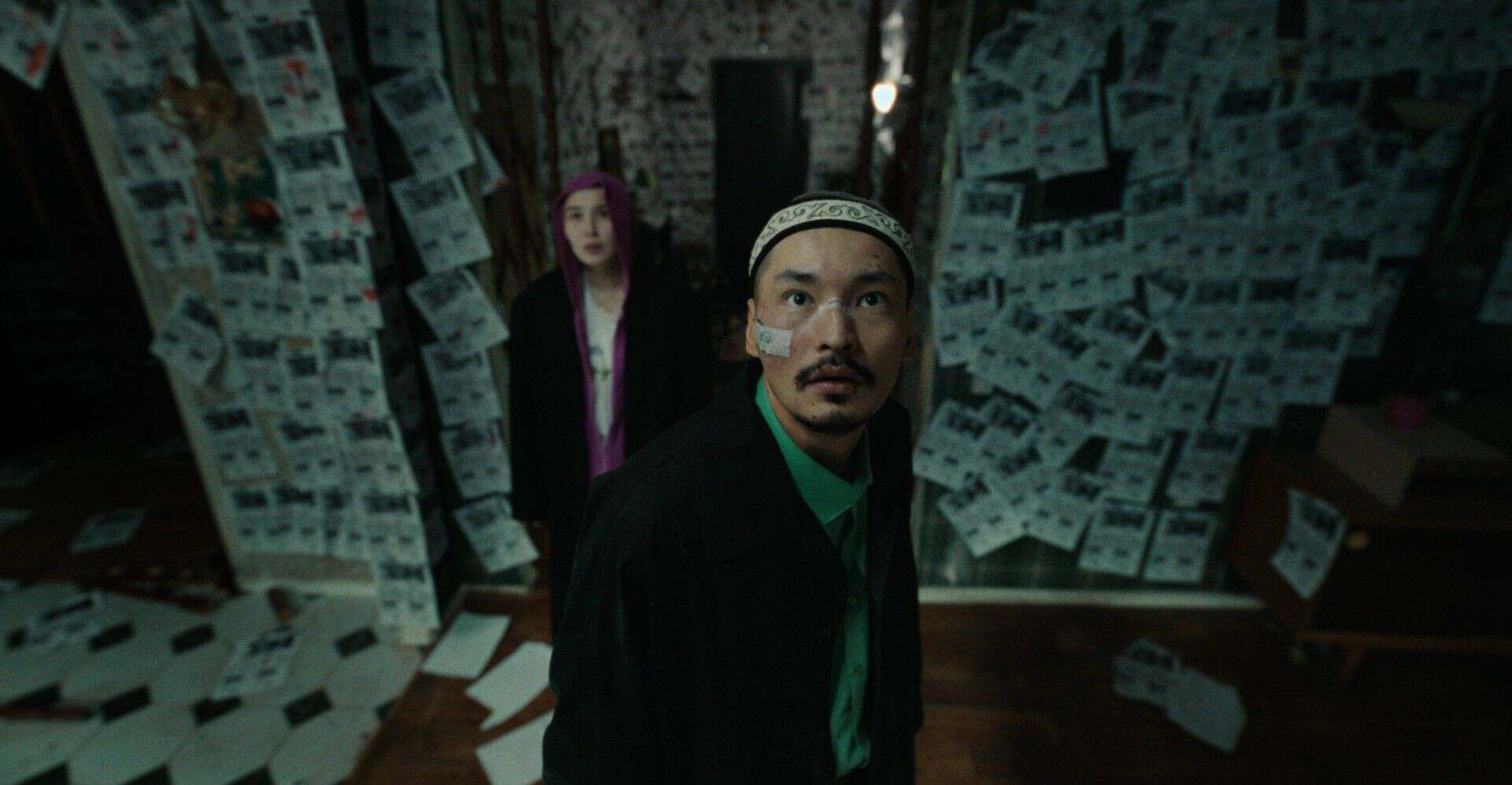
The escalation of the story, and particularly of Azamat’s behaviour, is among the strongest aspects of “Sicko”. Aitore Zholdaskali begins with an almost straightforward social drama about people trapped by debt, unemployment, predatory lending and the pressure to maintain an image of prosperity. Their fraudulent fundraising campaign initially emerges from desperation combined with an absence of moral restraint.
The production is particularly perceptive regarding the monetisation of suffering, as illness becomes online content and sympathy is transformed into a commercial resource. The final section goes too far, with violence eventually becoming an attraction in itself. Nevertheless, “Sicko” remains a bold, disturbing and visually accomplished work that confirms Zholdaskali as one of the most intriguing directors emerging from contemporary Kazakh genre cinema.
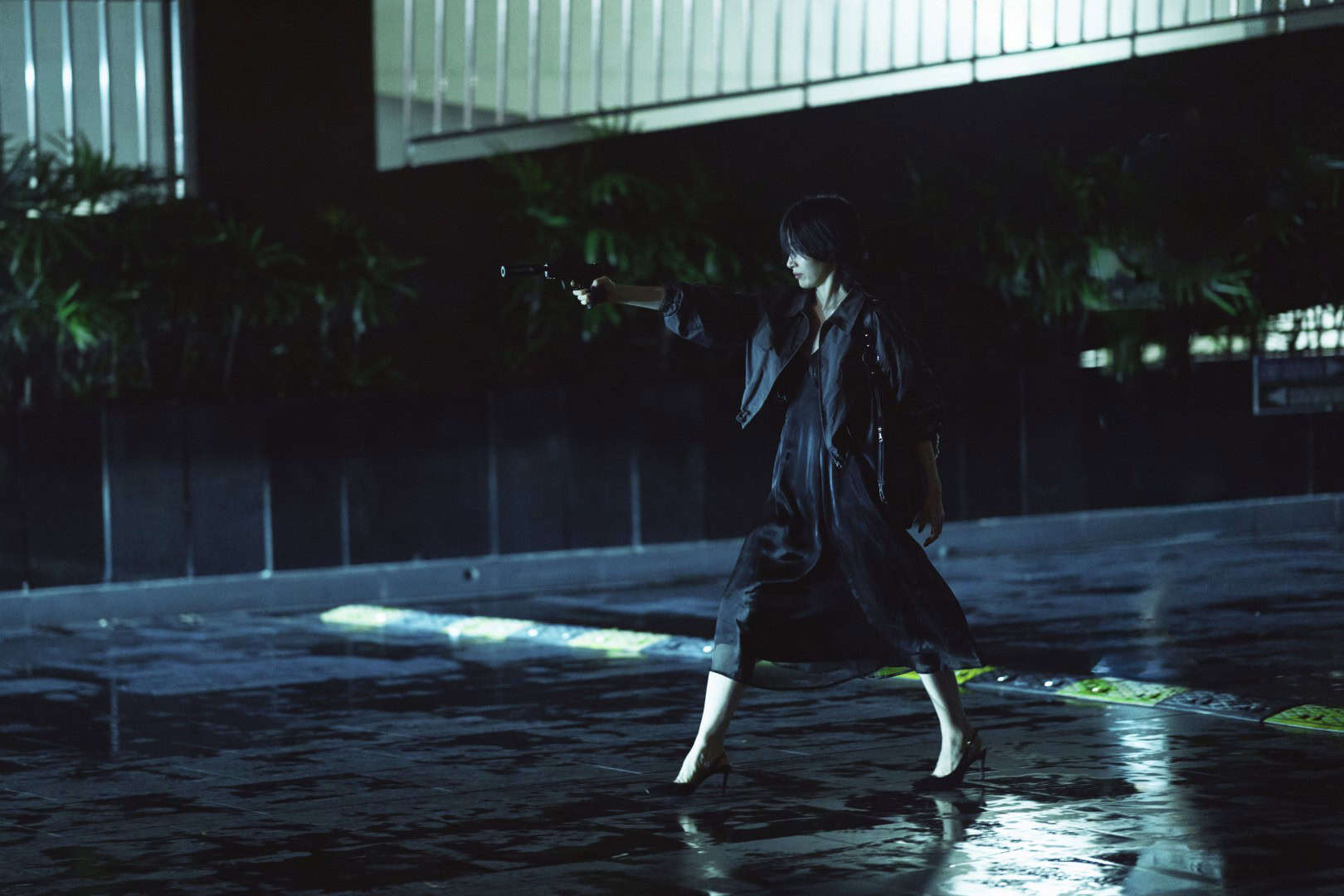
Since “The Witch: Part 1. The Subversion”, Park Hoon-jung has been fascinated by secret organisations and assassins, and “Tristes Tropiques” continues along similar lines. The narrative does not offer much that is new, but its crosses, double-crosses and competing plots retain the audience’s attention until the story eventually erupts into action.
The action is of superior quality even among Park’s own productions. Closed spaces are used particularly effectively, including an elevator and a police van, while the climactic melee involving Roo and a group of masked Noh fighters is the main highlight. “Tristes Tropiques” benefits from gorgeous cinematography, eccentric characters, excellent music and impressive action sequences.
The central setup of “When You Open the Door” generates considerable sympathy for Miki while gradually building towards a terrifying set of revelations. The slow-burning first half immerses viewers in her isolation, including the dull routine of her architectural office and the quiet home where a chirping bird is her only companion.
The narrative becomes increasingly intriguing as Miki confronts her transformation and follows a call towards a forest community of elderly women. Her appetite, new personality and fixation on the moon create several chilling moments, while the practical effects offer a distinctive interpretation of the werewolf. The emphasis on psychological mystery rather than traditional lycanthropic violence may frustrate some viewers, but Eriko Katagiri’s debut remains compelling.
By Don Anelli
Syed Shadan directs a work that appears to criticise the tactics of real estate agents, presenting them as people willing to do almost anything to complete a deal, even when they know the house they are offering is problematic. The focus, however, remains on the tenant’s gradual loss of contact with reality and the severe physical consequences of his deterioration.
The atmosphere of ambiguity and horror is presented through Rajiv Malu’s extensive close shots and compositions from unusual angles. Sanyukta Kaza’s editing also works particularly well, especially when lapses in time strengthen the feeling that something strange is taking place. “Chaar Diwaari” follows the tendencies of elevated horror, combining genre elements with social commentary in competent fashion.

In an era when tensions between South Korea and Japan remain intense, Eiji Uchida attempts to present a form of reconciliation through “TOKYO BURST: Crime City”. The relationship between Japanese detective Shiro Aiba and Korean officer Choi Siwoo begins antagonistically before developing into a dedicated partnership. The scene in which they sing the theme from “Linda Linda Linda” is particularly indicative.
The combination of comedy and action works especially well, while the investigation incorporates politicians, chaebols, authorities, hosts, casinos and the frequently dubious relationships between the Japanese police and the yakuza. “TOKYO BURST: Crime City” is action comedy at its best, with the collaboration between the Japanese and Korean cast and crew proving ideal.
Paween Purijitpanya directs a production containing social commentary about poverty, the ability of the rich to manipulate disadvantaged people and the Thai health system. Whatever realism exists, however, is soon buried beneath science-fiction action sequences that follow the rules of video games.
The slapstick approach, variety of warriors and dramatic elements provide enough crowd-pleasing qualities to retain the interest of martial arts and science-fiction fans. Sutthirak Subvijitra has sufficient charisma to convince as both a fighter and victim, while his chemistry with Phantira Pipityakorn is undisputed. Although the ending goes completely overboard, “God Skin” succeeds in providing action-driven entertainment accompanied by a pinch of social commentary.
“The Mutation” represents a stylistic departure from the thriller and mystery elements of Shin Su-won’s earlier features, including “Pluto” and “Madonna”. Shin explained that this change did not emerge from a rejection of genre cinema, but from a desire to explore territory she had not previously attempted.
The starting point was her observation that South Korea’s conception of itself as a nation united by one ethnicity and one bloodline no longer corresponds with its demographic reality. The story asks viewers to consider the small, instinctive reactions through which prejudice is sustained, while refusing to provide a simple solution. Shin also discussed her next project, “The Way to Étretat”, which will focus on Korean adoptees living in France.
“My Missing Half” centres on Zisa, a manananggal who does not want to continue living as a monster. Unlike traditional versions of the Filipino creature, the screenplay gives her detached lower body a personality and desires of its own. The search for her missing legs develops into a blackly comic supernatural road movie involving characters connected to different periods of Philippine history.
The lower half, nicknamed Shirley, embodies Zisa’s anger, monstrous instincts and the parts of herself she has attempted to suppress. The confrontation transforms bodily separation into a metaphor for self-rejection and questions whether becoming acceptable requires erasing everything uncomfortable within oneself. The Philippines and Japan co-production is currently seeking additional financing and post-production partners.



