
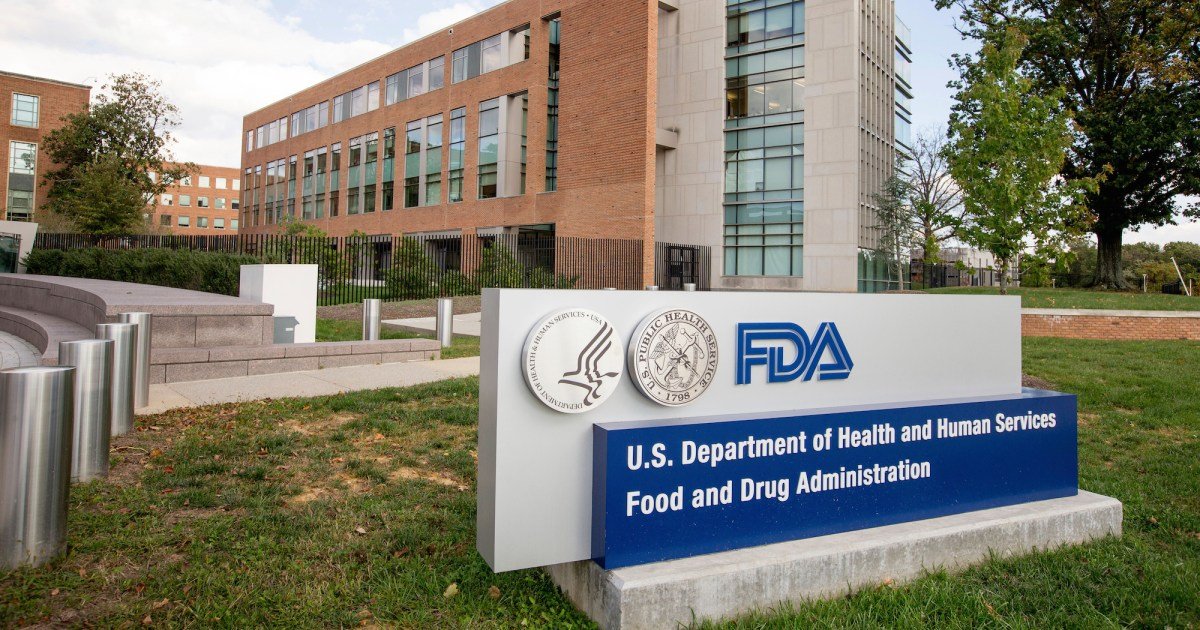
The FDA has been weighing whether to ban the use of electrical shocks on autistic kids for years.Andrew Harnik/AP
In March 2024, the Food and Drug Administration under President Joe Biden introduced a new rule that would have banned, after decades, the use of electric shocks on disabled children as a form of punishment. A ban on forcibly shocking kids—which the American Academy of Pediatrics says causes “long-lasting adverse physical and psychological impacts,” was set to come into force last year—but the Trump FDA kicked the can down the road, giving itself more time to decide whether its new leadership was on board.
Now, two years later, the FDA’s website claims that a decision will be made in the coming days on whether or not to follow through.
Massachusetts’ Judge Rotenberg Educational Center (JRC), the focus of a 2007 Mother Jones investigation, remains the only known US institution to use electric shock devices to control—and punish—disabled youths in its care, many of whom are autistic or have mental illnesses, like schizophrenia.
The FDA’s new rule, if finalized by the Trump administration, doesn’t prohibit all types of shock therapy. Electrical stimulation may still be used voluntarily for things like smoking cessation, for example, and the rule won’t affect the electroconvulsive therapy devices used to treat conditions like major depressive disorder and bipolar disorder. But the types of devices used by JRC would be banned from the market.
“We know from the testimony of survivors and experts that this torture inflicts injuries, trauma and lasting harm,” Zoe Gross, director of advocacy at the Autistic Self Advocacy Network, said.
“Autistic people…are getting [electrically shocked] for things like not taking off their coat.”
The FDA banned involuntary shock for self-injurious or aggressive behavior in 2020, but was overruled the following year by a federal appeals court panel that questioned the agency’s authority to institute such an order.
The House of Representatives then passed legislation in 2022 that would have banned using the supposed treatment to control the behavior of people with intellectual and developmental disabilities, but the bill never cleared the Senate. In September 2023, Massachusetts’ highest court ruled that JRC could continue shocking children in its care.
Proponents of shock therapy claim that it calms people with intellectual and developmental disabilities who are engaging in the behaviors at issue. But there is no evidence that supports this claim, according to the FDA, and shock therapy can have side effects. “These devices present a number of psychological risks including depression, anxiety, worsening of underlying symptoms, development of post-traumatic stress disorder, and physical risks such as pain, burns, and tissue damage,” Owen Faris, former acting director of the FDA’s Office of Product Evaluation and Quality, said in a statement in March 2024.
During the rulemaking process, nearly 800 people and groups submitted comments. Most favored reinstating the ban. “Autistic people need help, not punishment,” wrote River Bradley, an autistic person who submitted comment, “and they are getting punished for things like not taking off their coat and for screaming out in pain from being shocked.” One parent of an autistic person noted that the stimulation devices “used at the JRC are much more powerful than the taser I carried” as a police officer—and that the criteria for shocking kids in the institution’s care were much looser.
As Mother Jones previously reported, several “students” died while receiving shocks at JRC. Dr. Matthew Israel, the center’s founder, resigned in 2011 after being accused of interfering with an investigation. Authorities were looking into an incident in which a person called the center impersonating a supervisor and demanded that two students be shocked. Administrators gave one teen 29 electric shocks and the other 77.
JRC’s practices have garnered international attention. Back in 2012, a UN special rapporteur on torture called for an investigation of its practices, telling the Guardian, “The use of electricity on anyone’s body raises the question of whether this is therapeutic or whether it inflicts pain and suffering tantamount to torture in violation of international law.”



