
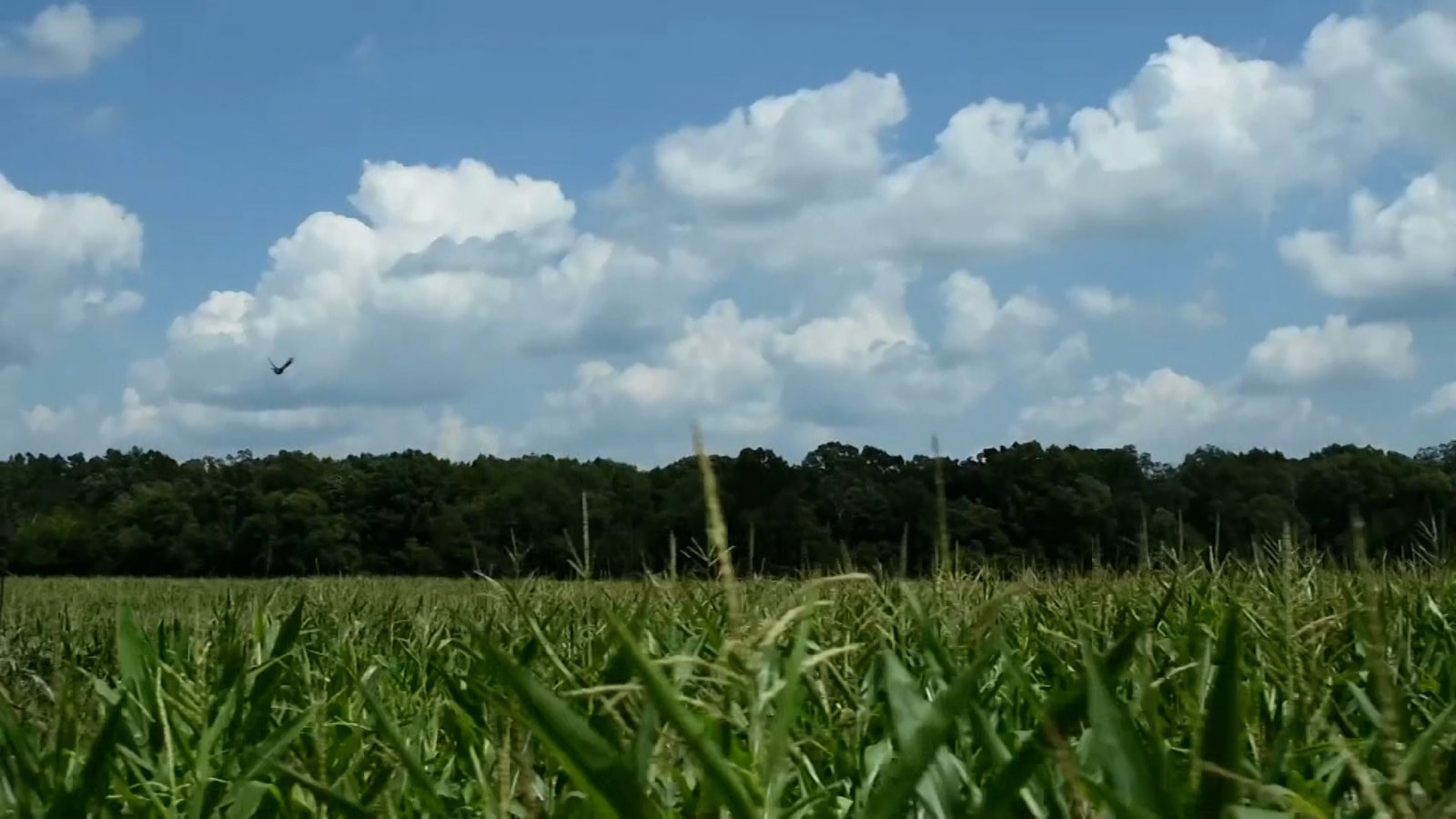
A late April freeze blanketed New Jersey and much of the East Coast, causing widespread destruction of crops, and with it hundreds of millions of dollars in damage. Now, one farm is grateful for the produce it was able to save — and for the customers who trust a local source amid a national outbreak of foodborne illness.
“It really did affect all the way from upstate New York down to North Carolina,” Rebekah Alstede Modery, co-owner and assistant production manager of the 600-acre Alstede Farms in Chester, said of the extreme temperature change. “It affected tree fruit, apples and peaches, and had the potential to impact blueberries and strawberries.”
Alstede had the resources to protect at least some fruit.
“We were able to use machinery that was pushing hot air into the orchards trying to raise the orchard temperature just a couple of degrees,” Alstede said. “That kind of investment in this crop-saving technology has never been more expensive than the protection we get out of it,” Alstede said.
Gov. Mikie Sherrill’s petition for federal relief in all 21 counties was approved by Agriculture Secretary Brooke Rollins in June, and New Jersey farmers have until February to apply. The emergency loans, though, are unlikely to make up for this year’s losses.
“We’re definitely harvesting a little bit lower quantities than we are used to,” Alstede said. “But our protection efforts did work to the point that we are able to sell both yellow and white peaches.”
Rising costs
As the prices of farm essentials like fuel, fertilizer and labor are increasing, crop production costs nationally are likely to hit record highs in 2027, according to the U.S. Department of Agriculture.

“Farming has been getting more and more expensive,” Alstede said. “I don’t know that you could pin it to one certain thing. It’s been happening year over year.”
Farm diesel prices surged nearly 50% since the U.S.-Iran military conflict began in late February, according to the American Farm Bureau. Nitrogen fertilizer prices are up more than 30%, with the relatively small Northeast farms hit particularly hard.
Alstede said consumers should be mindful of how these expenses weigh on small businesses, and how they affect prices.
“We are handling all of those costs ourselves, just over what we are producing,” Alstede said.
Shopping local for food safety
In recent weeks, an at least nine-state outbreak of gastrointestinal illness caused by the microscopic parasite Cyclospora has led health officials to advise against consuming widely distributed salad mixes, vegetable trays and berries. It has made consumers nationwide wary of summer produce.
The upside: It is driving more people to shop local, according to Alstede.
“We saw a lot of people coming to us, knowing that they would be able to get ahold of one of us that’s actually in the field, growing the crops, and be able to know how their food is being grown,” Alstede said.
She was grateful for the business boost. She stressed, though, the importance of controlling the parasite and stopping the illness.
“It really did benefit the local farmers in the state,” Alstede said. “And I wish that would continue even when there is no outbreak.”



