
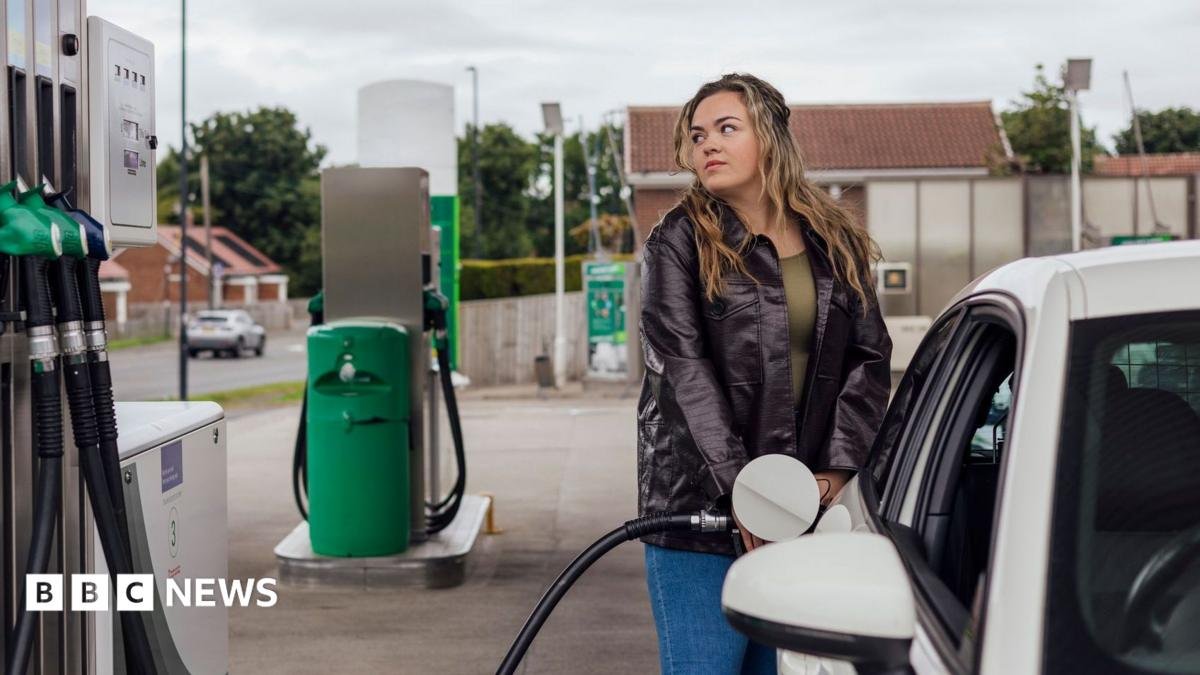
Higher petrol and diesel prices pushed the UK’s inflation rate up again last month, official figures show.
Prices rose 3.6% in the year to October, up from 3.5% in September, the Office for National Statistics (ONS) said.
Elevated oil prices also affected the wider economy, the ONS said, continuing to drive up the cost of raw materials and goods leaving factories.
Inflation risks being pushed higher in the coming months. Gas and electricity bills are forecast to jump by 26% in January, according to consultancy Cornwall Insight, adding £443 to annual household energy costs when a new price cap comes into force.
Prices have surged in recent months because of the US-Iran war, with the Bank of England raising interest rates for the first time in three years earlier this month in a bid to slow inflation to its target of 2%.
Interest rates increased from 3.75% to 4%, and the Bank signalled a further rate rise could be likely unless the conflict in the Middle East is resolved.
Higher interest rates increase the cost of borrowing for some mortgages, loans and credit cards, but can also lead to a better return on savings.
Emma Reynolds, chief secretary to the Treasury, said the government was providing help for households with energy costs.
VAT has been cut on electricity bills to zero until next July and the government will also hand £100 to 20 million homes in January.
But with household annual energy costs forecast to reach £2,166, Cornwall Insight’s retail markets principal, Craig Lowrey, said that “ultimately this support can only chip away at the edges of a bill that continues to be pushed up by events in the Middle East”.



