
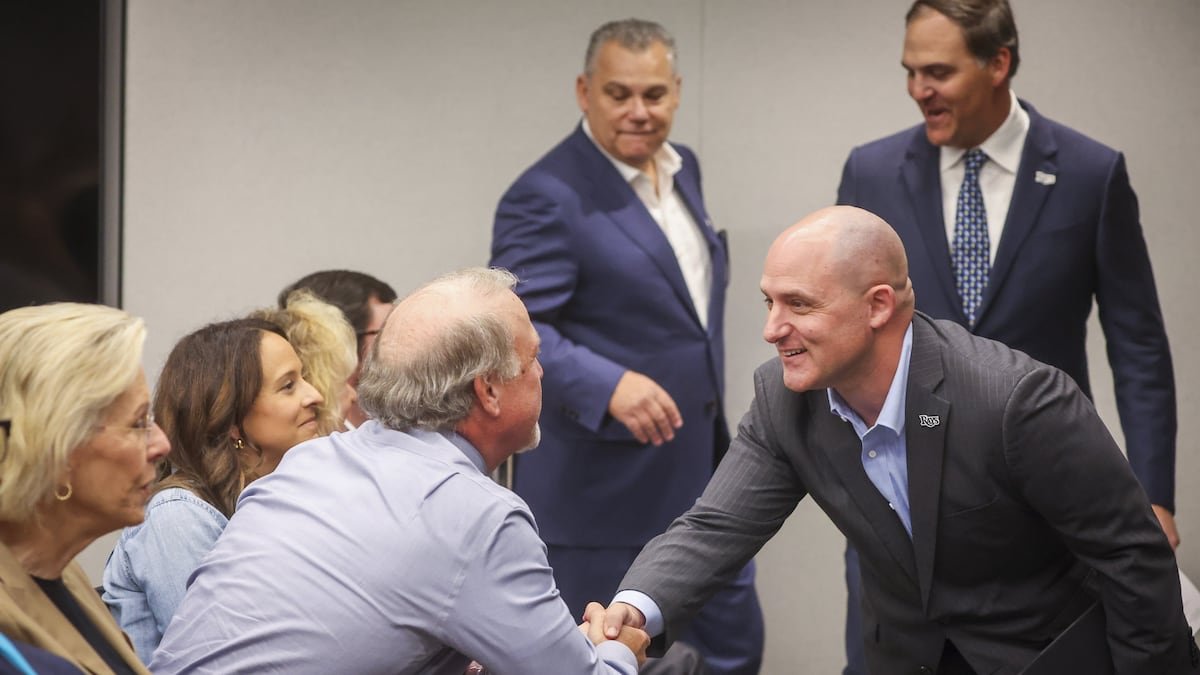
The Tampa Bay Rays’ proposed stadium is eligible to receive funding from Hillsborough’s half-cent sales tax despite commissioners previously saying it should be off-limits to new stadiums, according to an external legal opinion sought by the county.
The question of the Community Investment Tax, the county’s half-cent sales tax that pays for roads, public buildings and upgrades to existing professional stadiums, has swirled around the Rays’ stadium talks for months.
The tax represents the biggest share of public money the Rays are seeking. Last month, the Tampa Bay Times reported the team’s latest financing proposal is built around $467 million from the county’s slice of the tax.
Uncertainty stemmed from discussions in 2024 before voters approved extending the tax, which renews in December 2026 and runs into 2041.
Most of the current county commissioners said the tax should not go to a new stadium, but the referendum’s language was never formally amended to reflect that belief. Instead, the tax landed on the ballot without language that did not specifically prohibit its use for a new stadium.
When the tax was first introduced as a potential funding source in February through a framework document from Commissioner Ken Hagan’s office, Commissioner Joshua Wostal raised the 2024 discussions as disqualifying, and Commissioner Chris Boles echoed the concern. Hagan has maintained that the negotiations will fail if the tax is not included.
Last month, commissioners approved a motion from Commissioner Gwen Myers raising the question of the tax’s eligibility to Hillsborough County Attorney Julia Mandell.
While discussing the motion, Wostal said he believes Hillsborough will be sued if it uses the tax to help fund a Rays stadium.
“I want to be clear,” he said. “It’s not if we’re going to be sued on this. It’s when we get sued on this, if we use (the tax) for a new professional sports stadium.”
Mandell opted to seek an outside legal opinion from Bryant Miller Olive, the same firm St. Petersburg enlisted to assist with its failed stadium deal.
In a memo that Mandell will present to commissioners at Thursday’s workshop on the stadium pursuit, the firm said the county only expresses its “decision-making power” through “official actions and majority votes.”
“That certain elected officials expressed policy views against the use of the surtax for a new sports stadium does not change the plain meaning of the ordinance or the ballot question approved by the voters,” the memo read.



