
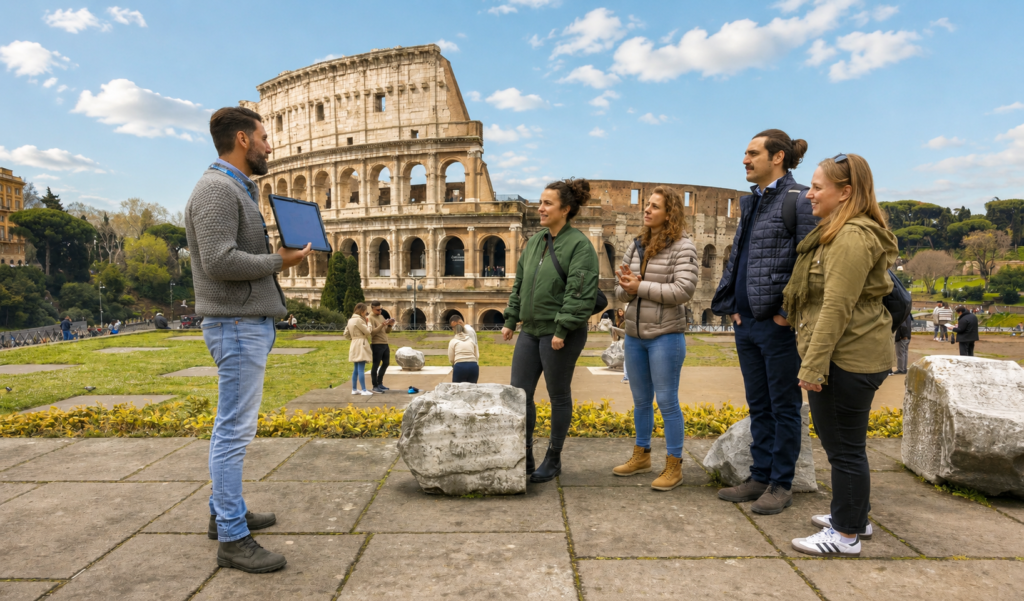
Rome is one of those rare destinations where every street seems to reveal another chapter of history. Ancient ruins rise beside lively neighborhoods, Renaissance masterpieces hide inside centuries-old churches, and spectacular piazzas become part of everyday city life. For American travelers visiting Italy, choosing the right guided experiences can make the difference between simply seeing the Eternal City and truly understanding it.
Travelers looking for a more personal way to explore the city can consider Rome Tours by Kirba Tours, with private experiences designed to showcase both Rome’s most famous landmarks and some of its lesser-known stories.
A well-guided experience offers travelers much more than a checklist of famous landmarks. With a knowledgeable local guide, the ruins of Ancient Rome become easier to understand, artistic masterpieces gain context, and seemingly ordinary streets reveal stories that most independent visitors would otherwise walk past. This is especially valuable in a city as historically complex as Rome, where more than two thousand years of history overlap within the same neighborhoods.
If you are traveling from the United States and wondering which experiences to include on your itinerary, this guide covers some of the best tours in Rome, from the Colosseum and Vatican to private walking tours, local neighborhoods, culinary experiences, and family-friendly activities.
Why Booking Rome Tours Is Worth It
Rome is certainly a city you can explore independently. In fact, simply walking through the historic center is one of the pleasures of visiting the Italian capital. However, major historical sites such as the Colosseum, Roman Forum, Palatine Hill, and Vatican Museums contain so much history that visiting without context can leave travelers seeing impressive monuments without fully understanding their significance.
An experienced guide can connect the individual landmarks to the larger story of Rome. Instead of looking at a collection of stones inside the Roman Forum, for example, you begin to understand where senators gathered, where emperors celebrated victories, where temples dominated the city skyline, and how political and religious life shaped the Roman Empire.
Private and guided tours can be particularly useful for American visitors because they can help with:
- Understanding Rome’s complex history in an engaging way
- Making efficient use of limited vacation time
- Discovering details that are easy to miss when sightseeing independently
- Adjusting the pace of the visit to couples, families, or groups of friends
- Asking questions directly to a knowledgeable local guide
- Discovering both famous attractions and lesser-known corners of the city
For first-time visitors, guided experiences also make planning a Rome itinerary significantly easier.
1. Colosseum Tours: The Essential Ancient Rome Experience
For many travelers from the United States, the Colosseum is the first image that comes to mind when they think about Rome. Seeing it in person is unforgettable, but exploring it with a guide can transform the experience.
A well-planned Colosseum tour introduces visitors not only to gladiatorial combat but also to the engineering, social structure, entertainment culture, and political symbolism of Ancient Rome. The amphitheater was much more than a stadium: it was a monumental expression of Roman power and public life.
Travelers who want a more comprehensive experience should consider combining the Colosseum with the Roman Forum and Palatine Hill.
The Roman Forum was the civic and political heart of the ancient city, while Palatine Hill became associated with emperors, aristocratic residences, and the legendary foundation of Rome. Visiting all three sites creates a much clearer picture of how Ancient Rome actually functioned.
Who Should Choose a Private Colosseum Tour?
A private tour is especially attractive for couples, families, and groups who prefer a more personalized experience. Instead of following the fixed rhythm of a large group, travelers can interact directly with their guide, spend more time on subjects that interest them, and enjoy a more flexible approach.
Families traveling with children may also find private tours useful because an experienced guide can make stories about emperors, gladiators, myths, and ancient daily life more engaging for younger visitors.
2. Vatican Tours: Art, History, and the Sistine Chapel
Another essential experience for first-time visitors is a tour of the Vatican Museums and Sistine Chapel.
The Vatican Museums contain an extraordinary concentration of art and history. The challenge for visitors is that the collection is enormous. Trying to see everything can quickly become exhausting.
This is one of the places where an expert guide provides tremendous value. Rather than moving through room after room without context, travelers can focus on the most important works and understand the historical connections between ancient sculpture, Renaissance art, papal history, and the development of the Vatican collections.
The Sistine Chapel is naturally one of the highlights. Michelangelo’s frescoes are among the most celebrated works in Western art, and understanding the stories, artistic techniques, and historical circumstances behind them makes the experience far more meaningful.
Depending on the tour selected and current access conditions, a Vatican itinerary may also include St. Peter’s Basilica, another essential landmark for travelers interested in art, architecture, and religious history.
3. Historic Center Walking Tours: The Rome Everyone Dreams About
Not every great Rome tour requires entering an archaeological site or museum.
One of the best ways to experience the city is through a private walking tour of Rome’s historic center.
This is the Rome of elegant piazzas, narrow cobblestone streets, Baroque fountains, hidden courtyards, churches, cafés, and unexpected archaeological remains.
A classic walking itinerary may introduce travelers to landmarks such as:
- Pantheon
- Piazza Navona
- Trevi Fountain
- Spanish Steps
- Historic churches and palaces
- Small streets and lesser-known architectural details
These attractions are relatively close together, making the historic center ideal for walking. Yet traveling with a local guide changes the experience, making the journey more than just moving from one photo opportunity to another.
You begin to understand why Piazza Navona has its unusual shape, how Ancient Roman buildings were reused over the centuries, why certain fountains were commissioned, and how different architectural periods coexist throughout central Rome.
4. The Pantheon: A Masterpiece You Should Understand, Not Just Photograph
The Pantheon deserves special attention on any list of the best things to see in Rome.
From outside, its enormous columns immediately evoke Ancient Rome. Inside, however, the building becomes even more impressive. Its monumental dome and central oculus demonstrate the extraordinary engineering capabilities of Roman architects.
Many tourists visit the Pantheon quickly, take a few photographs, and leave. A guided visit helps reveal why the structure is considered so important and how its history continued long after the Roman Empire.
For travelers interested in architecture, archaeology, engineering, art, or Roman history, the Pantheon can easily become one of the most fascinating stops of an entire Rome vacation.
5. Trastevere and Rome’s Local Neighborhoods
First-time visitors naturally want to see Rome’s famous landmarks, but the city becomes even more rewarding when you explore beyond its most photographed attractions.
Trastevere is one of the best-known neighborhoods for travelers looking for another side of Rome. Its narrow lanes, churches, small squares, restaurants, and distinctive atmosphere make it particularly enjoyable to explore on foot.
A neighborhood walking tour can reveal layers of history that casual visitors may overlook, from medieval architecture and religious traditions to stories connected with local communities and everyday Roman life.
The nearby Jewish Quarter and Tiber Island can also add another fascinating historical dimension to a walking itinerary.
For American tourists who have already visited the Colosseum and Vatican, neighborhood tours are an excellent way to move from “must-see Rome” toward a deeper understanding of the city.
6. Hidden Gems and Underground Rome Tours
One of the most surprising things about Rome is how much of the ancient and medieval city exists below modern street level.
Churches, archaeological areas, ancient houses, underground passages, and earlier structures can sometimes be found beneath buildings that visitors pass every day.
Exploring underground Rome or lesser-known historical sites is an excellent choice for repeat visitors and travelers who want something beyond the standard sightseeing circuit.
Places such as the Basilica of San Clemente can help illustrate one of Rome’s defining characteristics: the city was not simply rebuilt once. Instead, successive generations constructed new buildings above, beside, and sometimes directly inside earlier ones.
These layered sites provide a fascinating physical timeline of Rome’s evolution.
7. Rome Food Tours and Italian Cooking Classes
History may bring travelers to Rome, but food often becomes one of their strongest memories.
For travelers interested in Italian cuisine, a Rome food tour or private cooking experience offers an enjoyable alternative to traditional sightseeing.
Roman cuisine has its own distinctive identity. Famous dishes include carbonara, cacio e pepe, amatriciana, gricia, supplì, Roman-style artichokes, and numerous local specialties.
A food-focused experience allows visitors to discover these traditions while learning how Roman cuisine developed and why certain ingredients play such an important role.
For something more interactive, consider an Italian cooking class in Rome. Preparing fresh pasta with a local chef can be especially memorable for couples, families, and groups of friends.
Cooking experiences are also useful when creating a balanced itinerary. After several days of museums, archaeological sites, and churches, spending a few hours preparing and enjoying Italian food creates a completely different kind of cultural experience.
8. Gladiator Experiences for Families and Curious Travelers
Families visiting Rome often need to balance educational sightseeing with activities that keep younger travelers interested.
A gladiator experience in Rome can provide exactly that combination.
Instead of only hearing stories about gladiators in the Colosseum, participants can engage with the subject more interactively and learn about Roman combat, equipment, training, and military traditions.
This type of experience can be especially effective for children and teenagers who have already spent several days visiting museums and monuments.
Adults can enjoy it too. Rome does not have to be experienced exclusively through traditional guided tours, and adding one playful activity can make a family itinerary much more memorable.
Private Rome Tours vs. Group Tours: Which Is Better?
Both formats have advantages, and the best choice depends on budget, travel style, and who you are traveling with.
Group Tours
Group tours can be a good option for travelers who want a lower per-person price and enjoy meeting other visitors. They usually follow a predetermined itinerary and schedule.
Private Rome Tours
Private Rome tours are better suited to travelers who value flexibility and personal interaction.
They can be particularly useful for:
- Families with children
- Multi-generational families
- Couples celebrating a special trip
- Groups of friends traveling together
- Travelers with specific historical or artistic interests
- Visitors who have already been to Rome and want to explore lesser-known places
A private guide can often adapt the storytelling and rhythm of the experience to the people taking the tour. For American travelers with limited time in Rome, that personalization can be particularly valuable.
How to Choose the Best Rome Tours for Your Vacation
With so many options available, it is easy to overbook your itinerary. One of the biggest mistakes first-time visitors make is trying to fit too many major attractions into a single day.
Instead, think about your Rome vacation in terms of themes.
If You Have Only One Day in Rome
Focus on one major archaeological experience and a walk through the historic center. Trying to combine every major monument may leave you exhausted.
If You Have Two or Three Days
A balanced itinerary could include:
- Day 1: Colosseum, Roman Forum, and Palatine Hill
- Day 2: Vatican Museums, Sistine Chapel, and St. Peter’s area
- Day 3: Historic center, Pantheon, Piazza Navona, Trevi Fountain, and Trastevere
If You Have Four or More Days
Add a cooking class, food tour, underground experience, Appian Way visit, neighborhood walking tour, or another specialized experience.
Leaving some unscheduled time is important. Rome is a city where wandering without a strict itinerary can be just as rewarding as visiting a famous monument.
Practical Rome Tour Tips for American Travelers
Traveling in Rome is different from sightseeing in many American cities. A little preparation makes the experience considerably easier.
- Wear comfortable shoes. Rome involves substantial walking, cobblestones, stairs, and uneven archaeological surfaces.
- Do not schedule tours too close together. Leave time for transportation, security procedures, lunch, and unexpected delays.
- Plan outdoor archaeological visits carefully in summer. Rome can become very hot, particularly around exposed archaeological areas.
- Dress appropriately for churches. Religious sites may require visitors to cover shoulders and knees.
- Tell your tour provider about special needs in advance. Families with young children, seniors, and travelers with mobility concerns should discuss pacing and accessibility before booking.
- Keep your itinerary realistic. Two meaningful experiences are often better than rushing through five attractions.
- Ask questions. One of the main advantages of having a private guide is the opportunity to explore the topics that genuinely interest you.
Are Rome Tours Good for Families?
Yes, especially when the itinerary is designed around the children’s ages and interests.
Young travelers may become tired during long museum visits, while stories about gladiators, emperors, mythology, underground passages, and ancient daily life can capture their imagination.
Combining traditional sightseeing with interactive activities is often the best strategy. For example, a family itinerary might pair a Colosseum tour with a gladiator experience or combine a historic-center walk with a cooking class.
Private tours are particularly helpful for multi-generational families because the pace can be more flexible than on a large organized tour.
What Makes a Great Private Tour in Rome?
The best private tours are not simply private versions of a standard group itinerary.
They should create a conversation between the traveler and the city.
A strong local guide understands the history but also knows how to communicate it. Dates and names matter, but memorable storytelling connects historical events to the places standing in front of you.
Look for experiences that combine:
- Expert local knowledge
- Engaging storytelling
- A clear and manageable itinerary
- Opportunities to ask questions
- Flexibility for different travel styles
- A balance between major attractions and hidden details
The objective should not be to see Rome as quickly as possible. It should be to leave the city understanding more than you did when you arrived.
Frequently Asked Questions About Rome Tours
What are the best tours to take in Rome?
For a first visit, the most important choices are generally a Colosseum and Ancient Rome tour, a Vatican Museums and Sistine Chapel tour, and a guided walk through the historic center. Travelers staying longer can add Trastevere, underground Rome, food tours, cooking classes, or specialized experiences.
Are private Rome tours worth it?
Private tours can be an excellent investment for travelers who value flexibility, personal attention, and the ability to ask questions throughout the experience. They are especially suitable for families, couples, groups of friends, and visitors with specific interests.
What is the best Rome tour for families?
The answer depends on children’s ages and interests, but Ancient Rome is often a strong choice because stories about gladiators and emperors can be highly engaging. Interactive activities such as gladiator experiences and cooking classes can also work well for families.
Should I book Rome tours before traveling from the United States?
For major attractions and private experiences, planning ahead is generally wise, particularly if you are visiting during peak travel periods or have specific dates in mind. Reserving your priority experiences first also makes it easier to organize the rest of your Rome itinerary.
How many guided tours should I book in Rome?
For a three-day first visit, two or three guided experiences are usually enough. Avoid scheduling every hour of your vacation. Rome deserves time for spontaneous walks, cafés, restaurants, shopping, and simply enjoying its piazzas.
Experience Rome Beyond the Checklist
The Colosseum, Vatican, Pantheon, Trevi Fountain, Piazza Navona, and Spanish Steps are famous for good reason. Every first-time visitor should experience at least some of Rome’s great landmarks.
But the most memorable trips go beyond collecting photographs.
They reveal why a monument was built, who walked through the same streets centuries ago, how Rome changed from an imperial capital into a medieval and Renaissance city, and how modern Romans continue to live among these extraordinary layers of history.
That is where carefully chosen Rome tours provide their greatest value. Whether you prefer Ancient Roman history, Renaissance art, neighborhood walks, traditional food, a family-friendly activity, or a completely private itinerary, exploring with a knowledgeable local guide can turn sightseeing into a genuine connection with the Eternal City.
If Rome is part of your next Italian vacation, choose the experiences that matter most to you, leave enough time to enjoy the city at a comfortable pace, and let local stories add meaning to the monuments you have traveled so far to see.
Rome is not a city you simply visit. It is a city you uncover, one story at a time.



