
Winner of the Silver Bear at the 76th Berlin International Film Festival and the Golden Gate Award at the 69th San Francisco International Film Festival, “Salvation” is yet another politically charged film by Emin Alper, known for such works as “A Tale of Three Sisters” (2019) and “Burning Days” (2022). His fifth feature was inspired by the Bilge Village massacre, in which the perpetrators tried to hide their crimes by blaming the Kurdistan Workers’ Party, a political organization considered to be a terrorist group by many countries, including Turkey, the United States, and Japan. While Alper creates a movie that is locally specific, it is universal at the same time.
The story takes place in a Turkish mountain village, where an old dispute over land threatens to divide the community. In the past, the Hazerans fought to protect the land from terrorists, while the Bezaris escaped to survive. During their absence, the Hazerans, once a servant class, took care of the land and successfully worked the fields. When the Bezaris return, claiming to be the rightful owners of the land, tensions between the two groups quickly grow. However, the leader of the Hazerans, Ferit (Feyyaz Duman), does not take the concerns of his clan seriously. When his older brother, Mesut (Caner Cindoruk), begins experiencing intense visions, he becomes more and more convinced that he is destined to save his people.
Simultaneously exploring two closely connected themes, the movie takes its time introducing the characters and presenting crucial events, aptly creating suspense. One part of the narrative shows how people can lose trust in their leader and begin following another who proposes simple solutions. The second is more mythical, as it looks at religious faith and fanaticism, which often go together with politics. When Ferit fails to listen to the people, Mesut slowly begins to see himself as a prophet, while others become more willing to believe in his visions, joining in a sort of collective psychosis. That way, the story raises questions about how cults and extremist religious movements can grow out of fear, uncertainty, and frustration that needs an outlet.
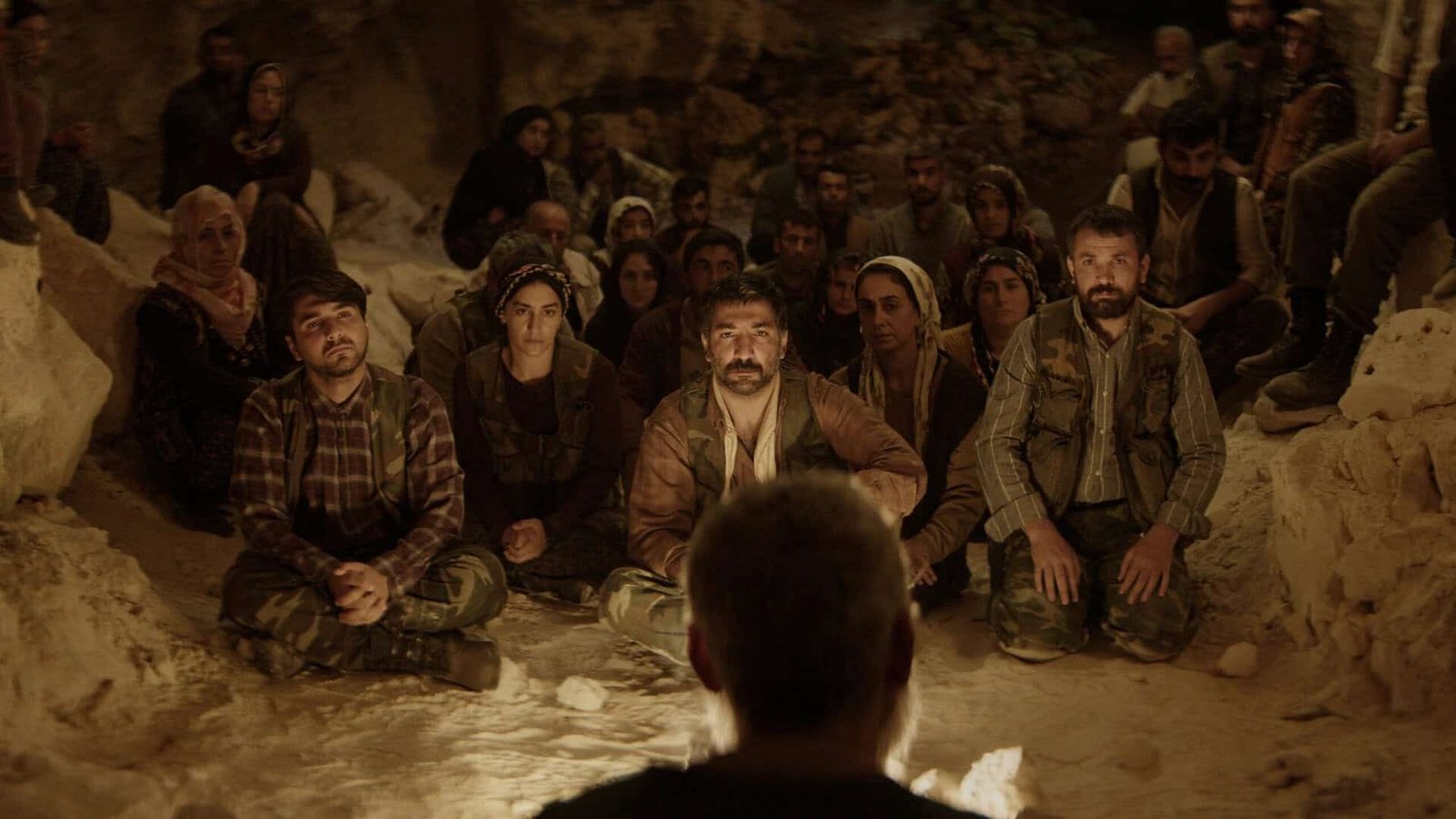
Making good use of darkness, cinematographers Baris Aygen and Ahmet Sesigurgil, create a tense atmosphere in which the viewer always gets the impression that there is something lurking in the shadows. Other than that, “Salvation” is visually simple and restrained, as Alper lets the story and the characters take centre stage. The performances are strong across the cast, with Cindoruk giving the standout performance as he convincingly portrays a man torn between doubt and faith. His character is quiet and withdrawn at first, but as his visions become stronger, he grows more confident and dangerous. All these elements make the whole picture believable. However, the approach of presenting certain scenes as events that later turn out to be merely visions experienced by the main character starts to feel overused rather quickly.
Although not ground-breaking, “Salvation” is a well-made and engaging thriller that combines politics, religion, and psychology in a story about power and the danger of rash decisions. Despite focusing on a small community, its themes can easily be applied to a much wider context, as its questions about who is considered an outsider, how they are treated, and how certain beliefs can be used to justify violence against them remain highly relevant in many places. Providing a striking contrast to the complexity of the issues presented, the raw, desolate mountain setting lets Alper turn “Salvation” into a thoughtful study of society.



