
 A new installment of Stay NJ property tax relief benefits is being distributed to hundreds of thousands of senior homeowners statewide this month.
This average quarterly payment totals $645.58, according to the state Department of the Treasury.
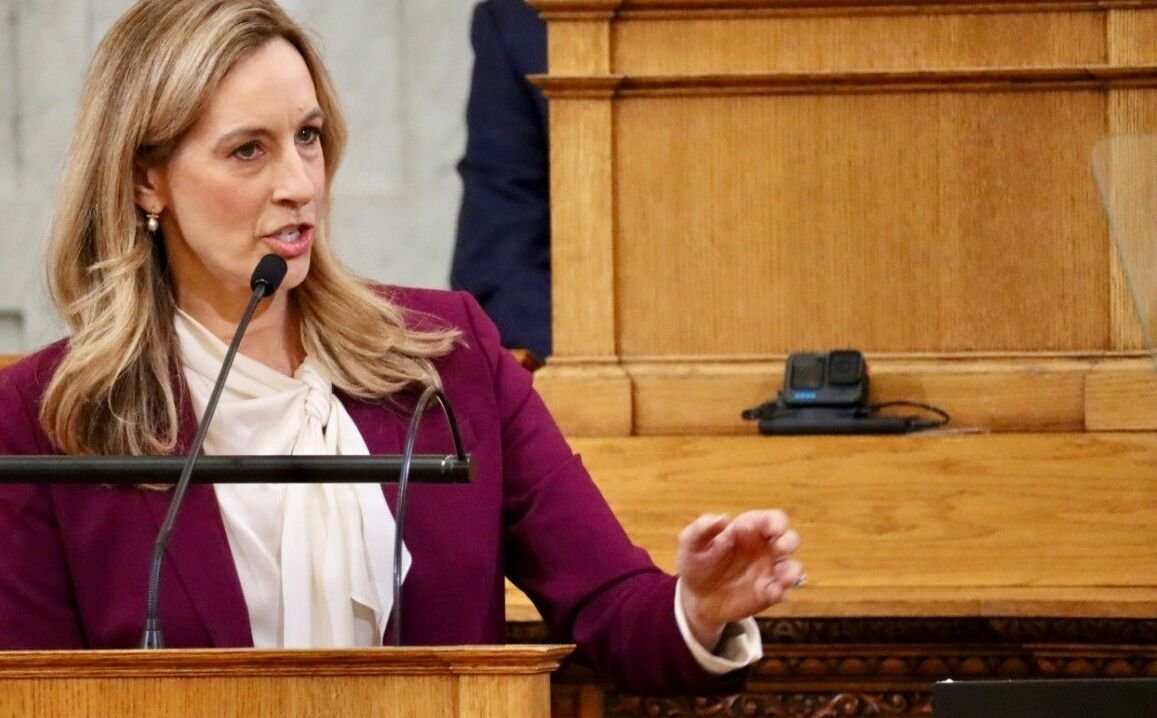
Under serious consideration in Trenton, though, are important changes to the state-funded program that are likely to affect future payments designed to help offset New Jersey’s record-high local property taxes. As part of ongoing cost-cutting efforts, Gov. Mikie Sherrill is looking to lower the Stay NJ program’s income ceiling and reduce the maximum benefit paid to eligible recipients.

These policy changes are up for review in the Legislature, along with Sherrill’s $60.7 billion proposed spending plan for the fiscal year that begins July 1, which she’s pitching as an “affordability budget.”
At stake are quarterly Stay NJ benefits for which an estimated nearly 470,000 senior homeowners are eligible under current rules, according to budget documents prepared by the Sherrill administration.
As the state accepts applications for a future round of benefits, Sherrill’s state treasurer promised lawmakers during a budget hearing Wednesday that those affected would be told about any program changes approved by the governor and lawmakers.
“Everyone who would be impacted would be notified,” Treasurer Aaron Binder said.
Years of saving
This year marked the debut of Stay NJ benefits after policymakers spent years setting aside enough money to roll out the program, which was conceived in 2023 to help seniors remain in their homes instead of leaving due to rising property taxes.
A perennial concern in New Jersey, the average local property tax bill rose to $10,570 last year, according to the state Department of Community Affairs. The latest year-over-year increase totaled $475.
Under the current state budget, nearly $600 million was allocated to cover Stay NJ benefits for an estimated 467,676 recipients age 65 and older. The cost of the program, though, would effectively double in the new fiscal year unless changes are made, according to budget documents.
In her budget address in March, Sherrill said her proposed changes would “safeguard Stay NJ for middle-class seniors.”
To do so, Sherrill’s plan calls for halving the annual $500,000 income ceiling for the Stay NJ program. If lawmakers go along, she would also reduce the maximum benefit to $4,000, a $2,500 cut for senior homeowners who remain eligible for Stay NJ.
As a result, the overall pool of Stay NJ recipients would be lowered to 443,974, according to budget documents.
The estimated savings – which total approximately $500 million – would help reduce an overall structural budget gap that would total nearly $3 billion without a change in course, according to the Sherrill administration. Under a final draft of Sherrill’s proposed budget released this week, that gap would fall below $1.5 billion.
$2 billion for Anchor
Appearing before the Assembly Budget Committee on Wednesday, Binder reminded lawmakers that Sherrill’s overall budget, amid the belt-tightening, calls for spending more than $4 billion on direct property tax relief during the 2027 fiscal year.
This includes more than $2 billion earmarked for the Anchor program, which benefits homeowners and renters of all ages who meet income and residency requirements.
Sherrill’s plan would also preserve a $250 bonus. provided to senior renters through Anchor, that would otherwise expire at the end of June. By contrast, senior renters are not eligible to receive any Stay NJ benefits. Anchor also uses a lower income ceiling than Stay NJ; those making over $250,000 annually are ineligible for Anchor benefits.
What happens next remains to be seen. Some lawmakers asked Binder about the cost of making other changes to Stay NJ, such as reducing the maximum benefit, but not as much as Sherrill has proposed.
Under the state constitution, the governor has the authority to put forward an annual budget, and it’s up to lawmakers to draft the spending bill. A balanced budget must be in place by the July 1 deadline, which is also written into the state constitution, to avoid a government shutdown.
This story is made possible in part by the Corporation for Public Broadcasting, a private corporation funded by the American people.



