
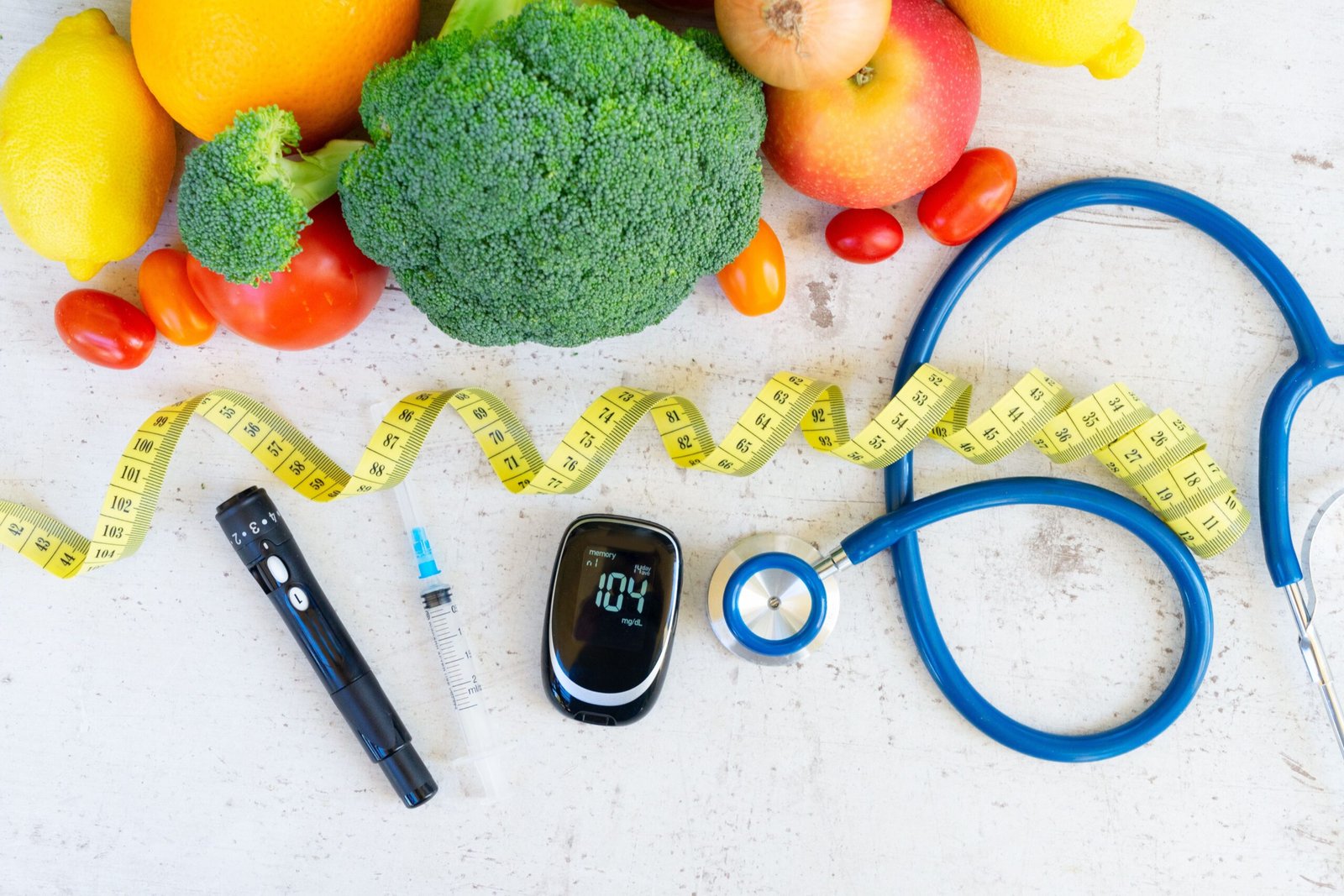
The American Diabetes Association (ADA) indicates that maintaining healthy glucose control supports overall health and well-being and helps reduce the risk of insulin resistance, type 2 diabetes, chronic inflammation, microvascular and macrovascular complications, cardiovascular disease, and other metabolic complications.1
Based on 2023 data reported in the
An estimated 2.1 million Americans live with type 1 diabetes, including 1.8 million adults 20 years and older and 314,000 children and adolescents younger than 20 years, and approximately 1.5 million individuals are newly diagnosed each year.2
Rates of prediabetes continue to increase, with an estimated 115 million adults affected. Diabetes is also especially common among older adults, affecting 28.8% of individuals 65 years and older. Mortality from diabetes remains substantial. In 2023 diabetes ranked as the seventh leading cause of death in the US, with 95,190 deaths attributed to diabetes as the underlying cause and 399,342 death certificates listing it as an underlying or contributing factor.2
Value of Adherence and Preventive and Proactive Care
Various health organizations continue working to expand awareness about the importance of early identification and clinical intervention to prevent or reduce the risk of developing prediabetes, diabetes, and related complications. In addition to routine health care, the ADA emphasizes the value of effective self-management, including adherence to an individualized treatment plan, routine blood glucose monitoring, and healthy lifestyle behaviors such as balanced nutrition and physical activity.
The ADA also encourages patients to take an active role in their care to improve clinical outcomes and decrease diabetes-related complications. By empowering patients to monitor their blood glucose, maintain healthier habits, adhere to medications, and stay engaged with routine health care visits, pharmacists play a vital role in supporting early recognition and ongoing diabetes management. This comprehensive support improves clinical outcomes, enhances quality of life, and reduces the substantial health and economic burdens associated with diabetes across communities.
Meanwhile, the number of individuals at risk for or diagnosed with prediabetes and diabetes continues to rise each year, with the ongoing obesity epidemic remaining one of the primary contributing factors.
Because of their accessibility and frequent patient interactions, pharmacists play a pivotal role in raising awareness of the importance of early detection and in delivering patient-centered preventive and clinical interventions for both prediabetes and diabetes.
The 2026 ADA Standards of Care in Diabetes emphasize that routine self-monitoring of blood glucose (SMBG) is a core component of diabetes self-management, particularly for individuals using insulin or medications that may cause hypoglycemia.1 SMBG is identified as an effective method for assessing glycemic status, guiding treatment adjustments, and evaluating the effectiveness of selected therapies.
Recent evidence continues to show that maintaining tight glycemic control significantly reduces the risk of diabetes-related complications, reinforcing findings from earlier landmark trials and supported by updated analyses published over the past decade.1,3 SMBG provides real-time insight into daily glucose patterns, aids patients in achieving fasting and postprandial targets, and helps identify and prevent episodes of hyperglycemia and hypoglycemia. It also enables individuals to understand how glucose levels respond to food intake, medications, physical activity, sleep, stress, illness, and changes in therapy, making SMBG an indispensable tool.1,4



