
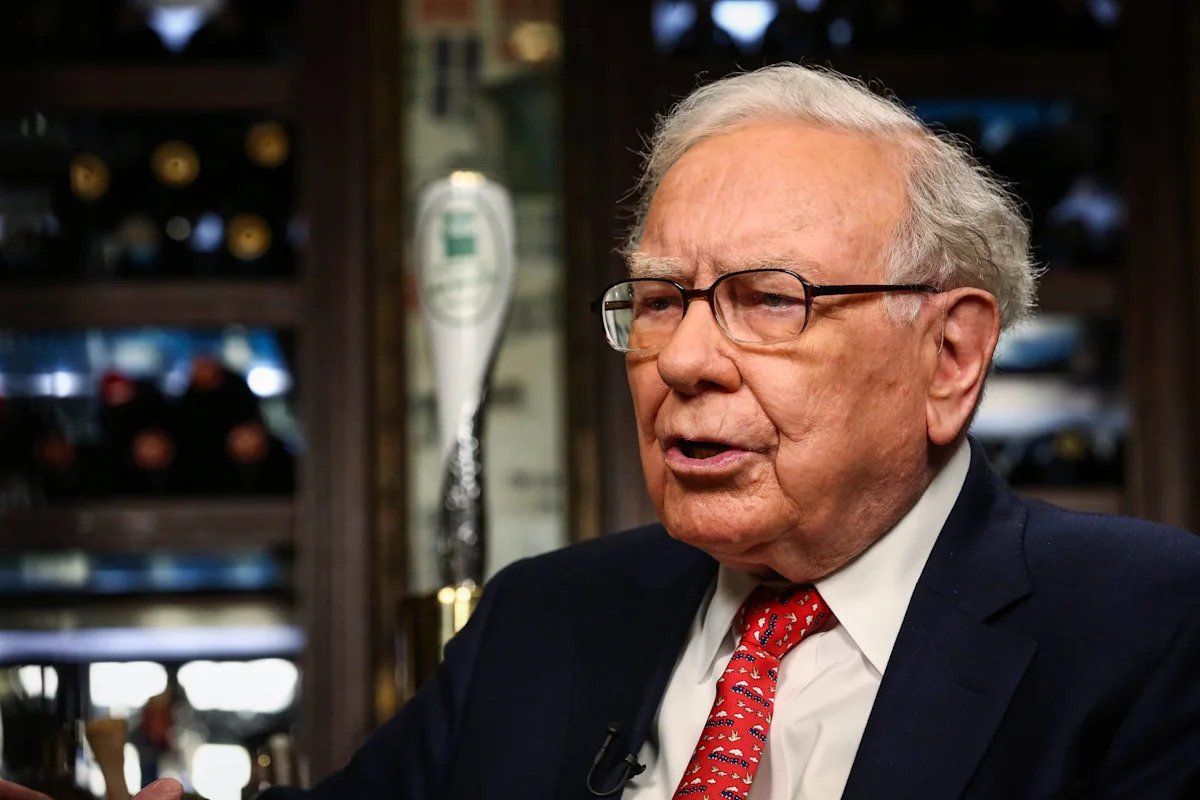
Warren Buffett spent 60 years building one of the greatest investing records in history, not by chasing whatever was popular, but by finding businesses he never wanted to sell.
He said it himself in his 1988 shareholder letter, the year he first bought Coca-Cola: “Our favorite holding period is forever.”
That line was not just about one stock. It was a philosophy that shaped every major decision Berkshire Hathaway made under his leadership.
Three companies sit at the core of that philosophy today. Apple, Coca-Cola, and Alphabet each reflect something different about what Buffett means when he talks about compounders. Each one has earned its place in the portfolio through a different kind of durable advantage, and each one keeps widening that advantage as time passes.
Apple stock and the ecosystem that traps customers in a good way
Apple is Berkshire’s largest holding, accounting for roughly 22% of the portfolio as of the first quarter of 2026. Buffett first bought the stock in 2016, which was unusual for him, given his historical reluctance to invest in technology companies. He has since called it one of the best businesses he has ever seen.
Ask most iPhone users why they won’t switch to Android, and the answer isn’t really about the phone. It’s about everything else. Three years of photos in iCloud. Apps they paid for. A watch that only fully works with an iPhone. Apple Music. Apple Pay habits. At some point, the cost of leaving gets high enough that most people stop thinking about it. That’s when Apple starts making real money, through services that cost almost nothing to deliver and carry margins hardware could never touch.
More Warren Buffett:
Apple’s installed base now exceeds 2.5 billion active devices globally. That is the foundation on which every new product and service launch sits. The company does not need to win new customers to grow. It needs to keep selling more to the ones it already has, and its customers tend to be among the more affluent and brand-loyal in the consumer market.
The risks are real, though. Apple still generates a significant portion of its revenue from iPhone hardware, which makes it vulnerable to cyclical slowdowns in consumer spending.
Related: Apple’s next iPhone battle just got more complicated
Regulatory scrutiny over App Store practices is intensifying in Europe and the United States. And the company needs to prove that the AI features being built into its devices will justify continued hardware upgrade cycles.



