

When Kiplinger Personal Finance debuted in 1947, a gallon of gas cost less than a quarter, credit cards weren’t widely available and the internet was decades away.
Over the past 80 years, we’ve witnessed remarkable advances in technology, historic economic shifts, cultural milestones and events that changed the way we live, work and manage our money.
Sign up for Kiplinger’s Free Newsletters
Profit and prosper with the best of expert advice on investing, taxes, retirement, personal finance and more – straight to your e-mail.
Profit and prosper with the best of expert advice – straight to your e-mail.
The Silent Generation (1928–1945)
(Image credit: Getty Images)
For the Silent Generation, the years following World War II brought economic growth and a changing way of life. Families moved to the suburbs, homeownership expanded and televisions became a fixture in living rooms across the country.
The introduction of the first modern credit card in 1950 changed how Americans paid for purchases, while the polio vaccine, introduced in 1955, marked a major public health breakthrough. These milestones helped shape a new era of prosperity, convenience and opportunity.
Baby boomers (1946–1964)

(Image credit: Getty Images)
The 1970s oil crisis brought a different kind of challenge, with soaring gas prices, fuel shortages and long lines at gas stations. Rising inflation and economic uncertainty changed how Americans thought about spending, saving and their financial futures.
Generation X (1965–1980)

(Image credit: SSPL/Getty Images)
The fall of the Berlin Wall in 1989 marked a historic turning point, while the emergence of the internet in the 1990s opened the door to online shopping, banking and new ways to manage money.
Millennials (1981–1996)
(Image credit: David Paul Morris/Getty Images)
Millennials came of age during a period of rapid technological change and economic uncertainty. The turn of the millennium brought excitement and concerns about Y2K, while the September 11 attacks in 2001 forever changed how Americans traveled and reshaped the nation’s approach to security.
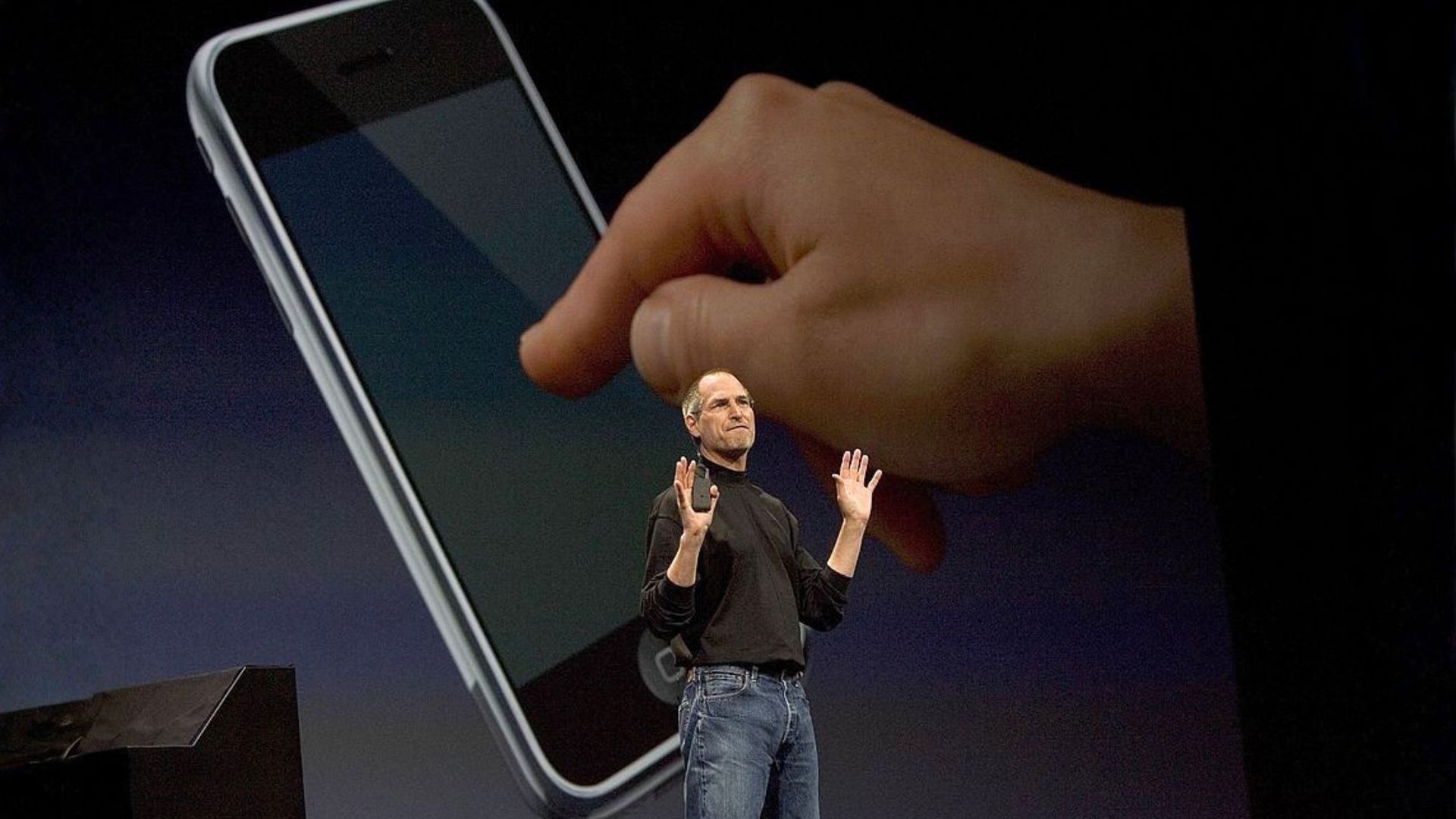
The introduction of the iPhone in 2007 transformed how people communicated, shopped and managed their finances. Just a year later, the Great Recession brought widespread job losses, falling home values and financial challenges that shaped this generation’s approach to saving and spending.
Generation Z (1997–2012)
(Image credit: TOLGA AKMEN/AFP via Getty Images)
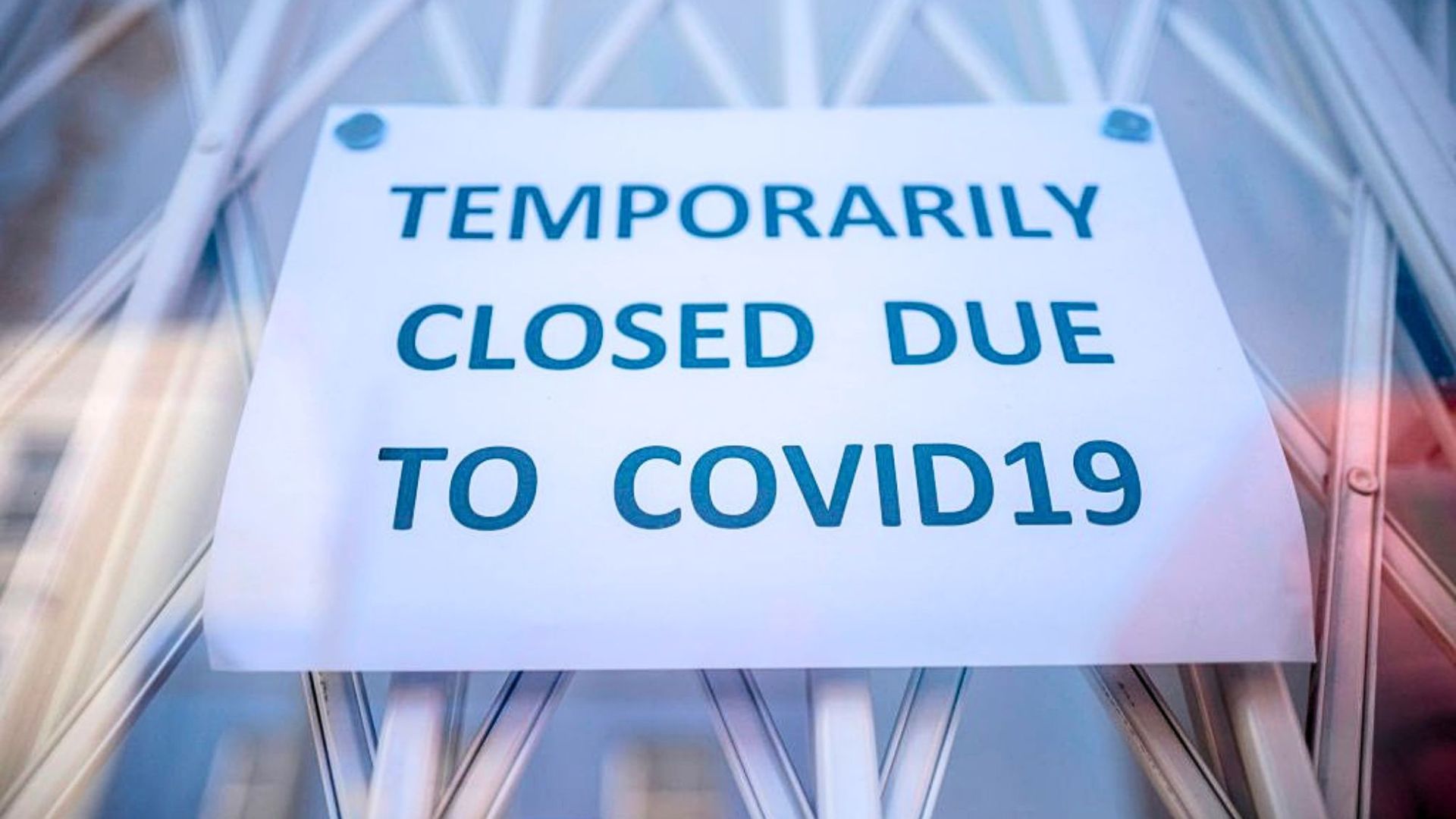
The COVID-19 pandemic disrupted education, employment and the global economy, while the emergence of generative artificial intelligence introduced new possibilities and concerns about the future of work. These events continue to shape how younger generations approach their careers, finances and daily lives.
Vote here
History looks different depending on when you were born and what you’ve experienced. From the introduction of credit cards to the Great Recession, some events changed how Americans earned, spent and saved their money.
As we celebrate 80 years of Kiplinger Personal Finance, we’d love to hear from you.



