
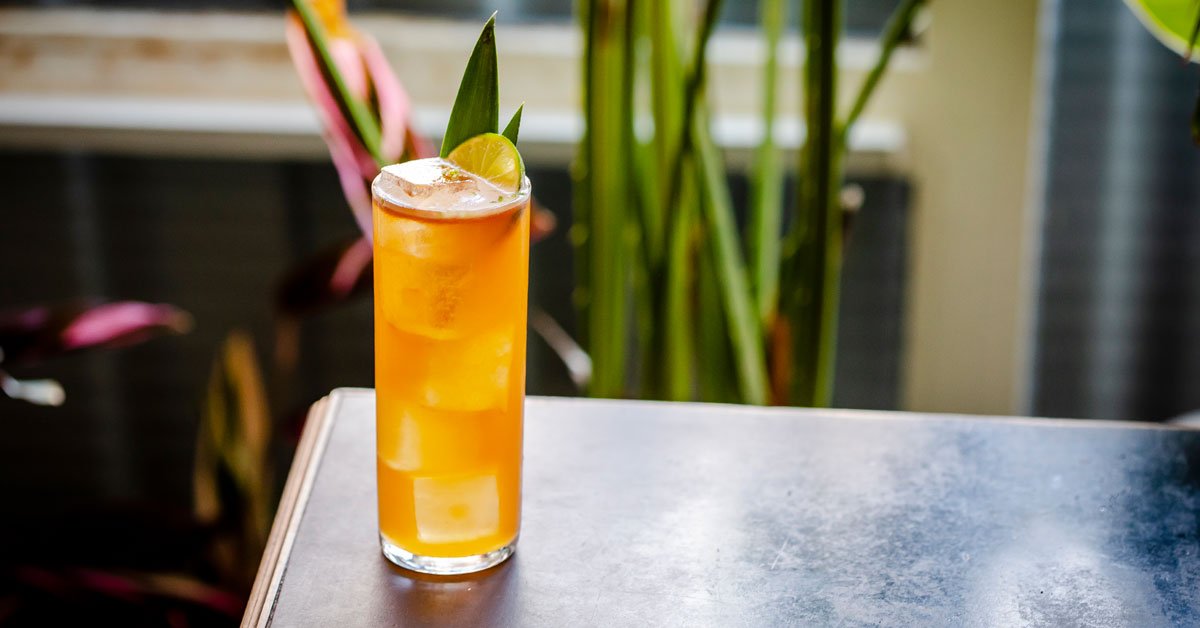
Between tiki-style drinks, the Caribbean classics and much more, tropical drinking is far from one thing. And hidden beneath the spotlight that favorites like the Mai Tai and the Piña Colada demand this time of year is a trove of lesser-known recipes that deserve more attention. These five cocktails—from a little-known Daiquiri variation to the Philippines’ answer to a Singapore Sling—are a good place to start.
The Pago Pago, essentially a Daiquiri made with Chartreuse and crème de cacao, was created by the rum brand Ronrico in the 1940s, and it appears in the second edition of Hyman Gale and Gerald F. Marco’s The How and When. While it’s not a tiki drink, the cocktail—which shares a name with the capital of Samoa—has some of the hallmarks of the genre. Paul McGee, who has revived the drink at Echo Lake, likens it to Donn the Beachcomber’s style. “He’s best known for using dual citrus and layering a lot of different flavors,” McGee says. The cocktail has become a favorite among both rum nerds and those new to the spirit. “That’s the genius of this drink,” he says. “It’s so approachable, yet, if you look for it, you find the layers.”
Hailing from the Philippines in the early 20th century, this cocktail pays homage to the boxer Francisco Villaruel Guilledo, whose moniker was Pancho Villa. With its gin, pineapple juice and fruit liqueurs, the drink is Singapore Sling–like, though it differs with its inclusion of gold rum. When Manila-born, New York–based bartender Marlo Gamora first came across the cocktail, the original recipe was “not balanced at all,” he says. His version skews more rum-forward, with more acid, to cater to modern palates. While the original was served with a salty olive, Gamora says it’s best served with lumpia—Filipino spring rolls.

In recent years, aperitivo and tiki-style drinks have often found themselves intermingled, whether in the modern classic Jungle Bird or in the fleet of bitter Mai Tais. On the flip side, the hybrid of digestivo and tropical is a less-trodden path, maybe because the dark and brooding vibe of the former feels incongruous with the fruit-forward palate of the latter. The Away Colors is one of the rare drinks that bridges the gap. Created at New York’s now-shuttered Lion Lion, the drink simply combines añejo rum, Fernet-Branca and banana liqueur, and has popped up on menus around the world.

A mix of aguardiente de caña, honey, lime juice and water, the Canchánchara is “the original Cuban cocktail,” according to Cabrera. The simple cocktail was created by guerilla fighters of the Cuban Wars of Independence, originally as a restorative for enslaved people working on plantations. In his riff, La Chancleta, Cabrera uses cachaça and a ginger-infused honey syrup, which puts a spicy spin on the template.

It may come as a surprise to know that dairy once played a major role at tiki bars. Throughout the mid-20th century, dessert drinks like the Banana Cow (rum, brandy, Bénédictine, banana and cream) were served as a foil to the citrusy, fruit-forward tropical drinks the genre is better known for today. For New York bartender Jelani Johnson, the Rum Cow (rum, milk and sugar) is a standout in the category of tropical dairy drinks. His maximalist take splits the rum portion between four expressions and adds two syrups and two types of bitters. Though he says guests are initially skeptical when hearing about the drink, once it’s on the bar in its eye-catching milkshake glass, “everybody wants to try it.”




