
Published June 30, 2026 10:44AM
Challenge Roth 2026 Preview
Every year the assumption is that Challenge Roth cannot possibly match the field it assembled the year before, and race director Felix Walchshöfer and Belinda Granger, the 2005 champion who now serves as the professional field’s liaison, will admit to the worry themselves. But every year another great field comes together anyway. Part of it is money: a prize purse of €160,000 (nearly $183,000 USD), plus appearance fees that are never made public.
But the larger part is harder to buy: the genuine relationships the two have built with the athletes over years, and the loyalty that keeps the best of them prioritizing Roth over other races.
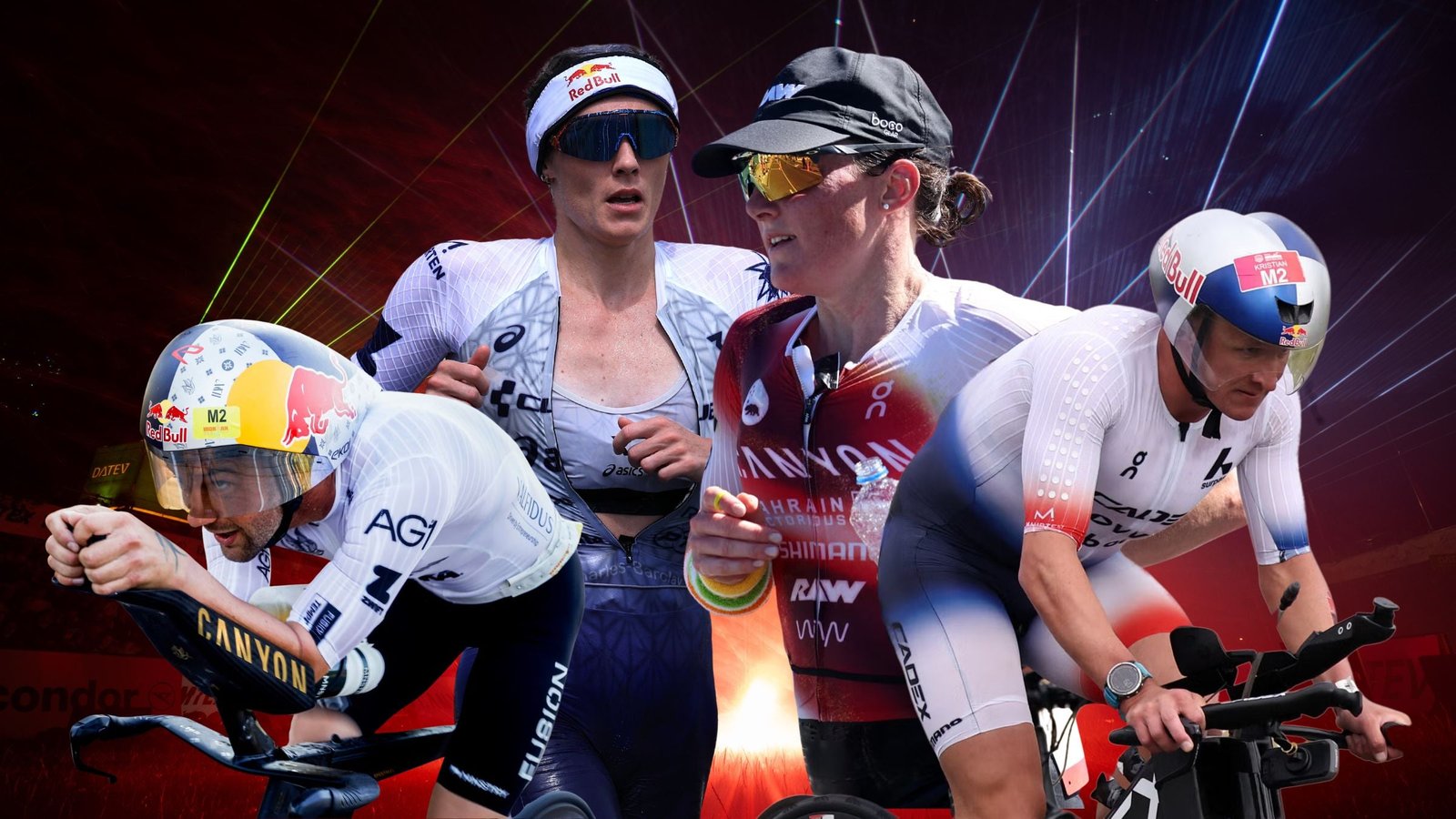
This year’s field is no exception. Kristian Blummenfelt and Sam Laidlow headline a men’s race that pairs the sport’s most calculating runner against its boldest risk-taker, on a course fast enough to put the all-time record genuinely into play.
The women’s race sets Kat Matthews against Lucy Charles-Barclay, the strongest bike-runner in the field against a Roth champion whose bike and run are getting closer to her superb swim: a duel of opposites that will be interesting to watch all day.
And around them is the usual Roth supporting cast: established names, in-form challengers, and rookies who choose one of the sport’s biggest stages for their first race over the full distance.
What makes Challenge Roth special
Roth has anchored German long-distance racing for more than forty years. It began as Ironman Europe, the brand’s original European race, before the Walchshöfer family took it independent in 2002 and rebuilt it as Challenge Roth. That independence still defines the race: when the PTO acquired Challenge Family earlier this year, Roth confirmed it will stay its own entity, owned and run by the family rather than absorbed into any series.
What the independence buys is a race built around two ideas: taking care of athletes and speed. Roth is where the clock stops earlier than at other courses. The women’s iron-distance record was set in Roth: Anne Haug’s 8:02:38 is also from 2024. The fastest men’s iron-distance time on record belongs to Kristian Blummenfelt, a 7:21:12 at Cozumel in 2021, though that finish carries an asterisk, as it was aided by a down-current swim which he covered in under forty minutes. This year, Blummenfelt won Ironman Texas in just twelve seconds more. The fastest time in Roth is Magnus Ditlev’s 7:23:24 from 2024.
Several men in this year’s field have the raw speed to approach these records, even if every one of them would need quick conditions and a near-flawless day.
The other draw of Roth is atmosphere. The race pulls around a quarter of a million spectators across the day, and the Solarer Berg turns into a wall of noise, the crowd parting just enough to let riders through. Age-group entries sell out in under a minute; on-site registration for the following year opens the morning after the race, and athletes start queuing before the finish-line party has wound down.
The pull is real – just take a look at the start list. Defending women’s champion Laura Philipp had to withdraw for health reasons just two weeks before this year’s race. A gap like that would weaken most races, but Roth was able to fill it with Lucy Charles-Barclay, the 2023 Kona champion and a past Roth winner herself. A replacement of this caliber is one few events could summon at short notice, and the clearest sign of why the best keep coming.
The Challenge Roth course
Roth’s fast times come from a fast course, but also from the care that Felix Walchshöfer and his organizing team put into every detail. Race day starts with a swim in the Main-Donau-Canal, only 55 meters wide, making it easy to hold a straight line. The course is a long out-and-back with two 180-degree turns before athletes return to the start area and T1.
The fast bike splits make the course look flat, but 1,500 meters of elevation gain shows that is not the case. Short climbs in the rolling Franconian countryside help break up large groups, particularly at the steep Kalvarienberg at the southern end of the course in Greding. The legendary Solarer Berg, only a short walk from the swim, is neither long nor steep. After several small adjustments over the years, the bike course now measures almost exactly 180 kilometers.
The run splits into two distinct parts. The first 30 kilometers follow crushed gravel along long, straight sections beside the canal, often lonely with only the occasional aid station. After a stretch through the cobbled streets of the town of Roth, the closing 10 kilometers are an out-and-back to Büchenbach: the climb on the way out demands the last reserves, and the descent back offers a different challenge to tired legs. The finish line is at a temporary triathlon stadium erected each year just for this race.
Challenge Roth start list: Men’s contenders
To see how the men’s race is likely to play out, we have to work backwards from the finish line. Kristian Blummenfelt is likely going to have the fastest run among the athletes in contention after the bike. On a course that has so often come down to the run, that makes him the man everyone else has to plan around. If the race stays together to T2, Blummenfelt should win it on the run. So the only way to beat him is to make sure it doesn’t, and to arrive at the marathon with a solid lead over Blummenfelt already built.
That is the problem Sam Laidlow has to solve, and the reason the pace can be expected to be “on” from the gun. The defending champion is one of the quickest swimmers, and is capable of finishing the bike leg in under four hours. But his projected run is around eight minutes slower than Blummenfelt’s. His only route to defend his Roth title is to swim and bike hard enough to reach T2 with a margin large enough to survive that deficit. At Kona in 2024, he rode eight minutes clear of the chase group and still lost, having overcooked the bike and faded hard. Roth’s bike course tends to compress bike gaps rather than widen them. Laidlow’s history says the rest: enormous upside, but also a real chance of blowing up. On his best day the aggression wins; on his worst it hands the race to the runners.
The same math sets the trap for the field’s other fast runners. Patrick Lange might have the quickest projected marathon of anyone here, Blummenfelt included, and Menno Koolhaas isn’t much slower. But both will probably give time to the leaders on the bike, possibly twelve minutes for Lange and maybe eight for Koolhaas. If they want to contend, a hard front pace forces them to ride harder than suits them, risking the fast run that makes them dangerous.
Laidlow’s pace is also what could crack the race open for someone else. Rico Bogen, on his long-distance debut, and Jonas Schomburg, second here last year, both have the swim and bike to sit at the front and the potential to go with a hard pace — Bogen as the ally Laidlow needs to press the lead, Schomburg as the more complete threat if his run holds. Kristian Hogenhaug and Frederic Funk round out the bike-strong names, though their slower swims likely leave them chasing.
If the race holds to the seedings, it ends as a duel: Laidlow forcing the pace, Blummenfelt running him down. But the seedings are not the race, and one of Laidlow, Bogen or Schomburg could turn a hard bike into a clear T2 lead, and then still find the legs to deny Blummenfelt over the final, punishing kilometers to Büchenbach and back to the finish line.
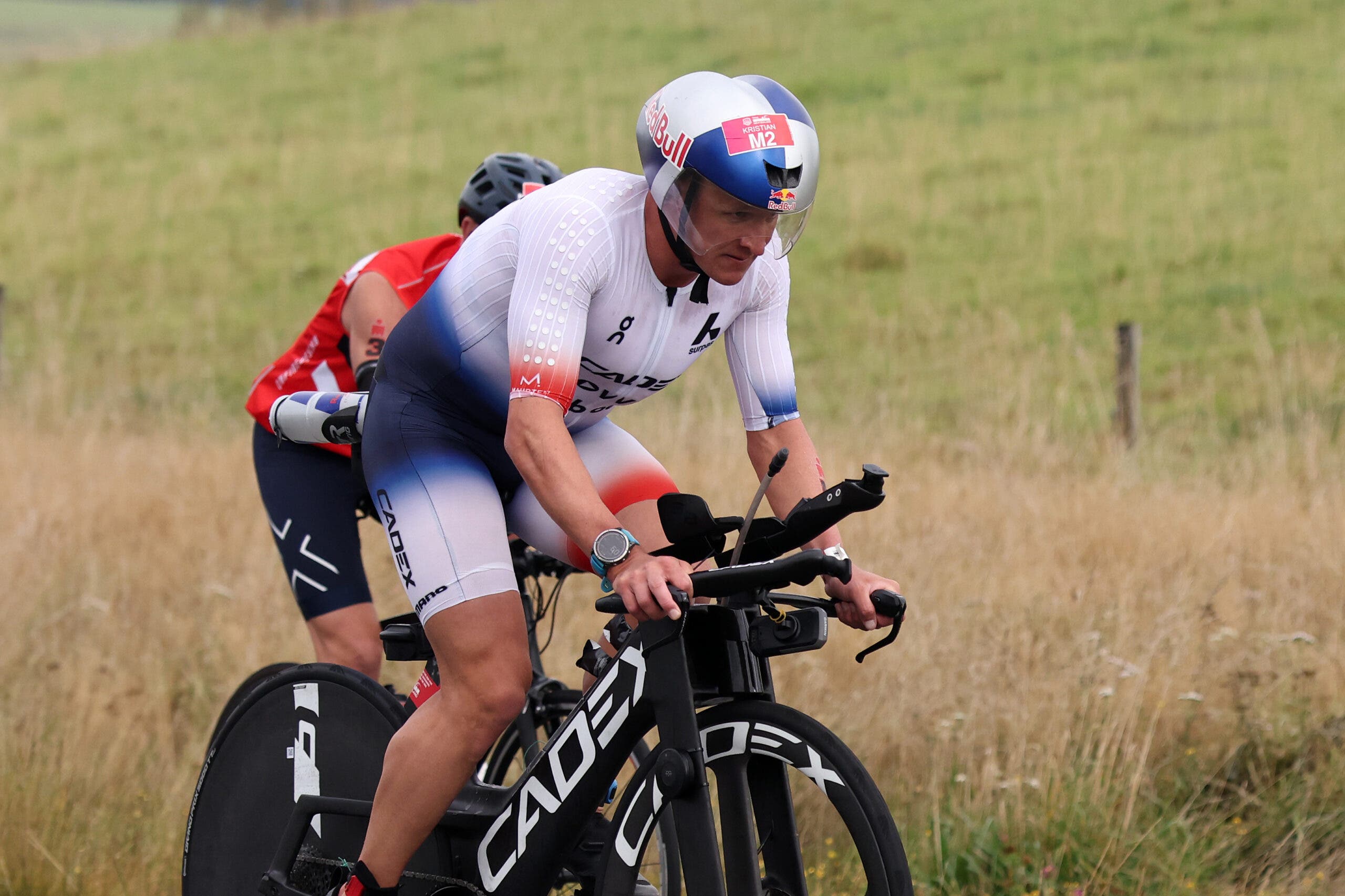
Kristian Blummenfelt
32 years old, Norway
| Swim | ★★★★ |
| Bike | ★★★★ |
| Run | ★★★★ |
| Overall | ★★★★★ |
| Winning Odds | 35% (2 to 1) |
Kristian Blummenfelt is the athlete the men’s race revolves around, not because he is a dominant favorite but because his pace sets the terms for everyone else. He has the fastest, or close to the fastest, marathon in the field, and a proven method for using it: stay in contact through the swim and bike without overpacing, then run away from the race. It is how he won Frankfurt in 2025 and Texas in 2026, and it is the template he brings to his first Roth.
The method depends on discipline, and Blummenfelt has shown both the discipline and the cost of losing it. At the 2022 World Championship in St. George, caught in no-man’s-land between the lead and the chase, he eased back to the chasers rather than burn himself bridging the gap, then ran the fastest split of the day to win. At Kona in 2024, he did the opposite, latching onto Magnus Ditlev’s chase of Laidlow to try to bridge across, riding too hard, losing his nutrition and fading badly. The difference between those days is the difference between his best and his worst, and it points to the one prize still missing from his record: for all he has won, he has yet to take Kona, the misses tracing partly to that same temptation to over-ride. It is exactly the race Laidlow wants to force at Roth.
That ambition has an extra edge, and the arithmetic is worth doing. Given a forty-six-minute swim, five minutes of transitions and a 2:30 marathon, a bike of about 4:02 breaks Magnus Ditlev’s Roth record. To go under the 7:21:12 he set in Cozumel and claim an undisputed fastest time, he would need to drop below four hours, faster than Laidlow rode last year and the point at which Blummenfelt might impact his marathon leg. That is the squeeze: the Roth win, and possibly the course record, sit inside his established race strategy, while the outright mark asks him to bike like the race’s best cyclist and still run away from the field.
His 2026 form supports the ambition, with one caveat: he was sixth at Ironman New Zealand earlier this year, but the result came with an aero bar problem on the bike and nutrition trouble on the run – setbacks rather than a sign of poor shape.
On paper, his marathon could be around 2:30; he could run eight minutes into Laidlow and the other athletes who could push the pace on the bike. That means he does not need to lead off the bike, only to arrive within range of his own run. The risk is a gap that grows beyond even that margin, whether Laidlow forces it or the chase tempts Blummenfelt into the over-riding that has cost him before. Keep his T2 deficit inside his run, and the rest of the field is racing for second.
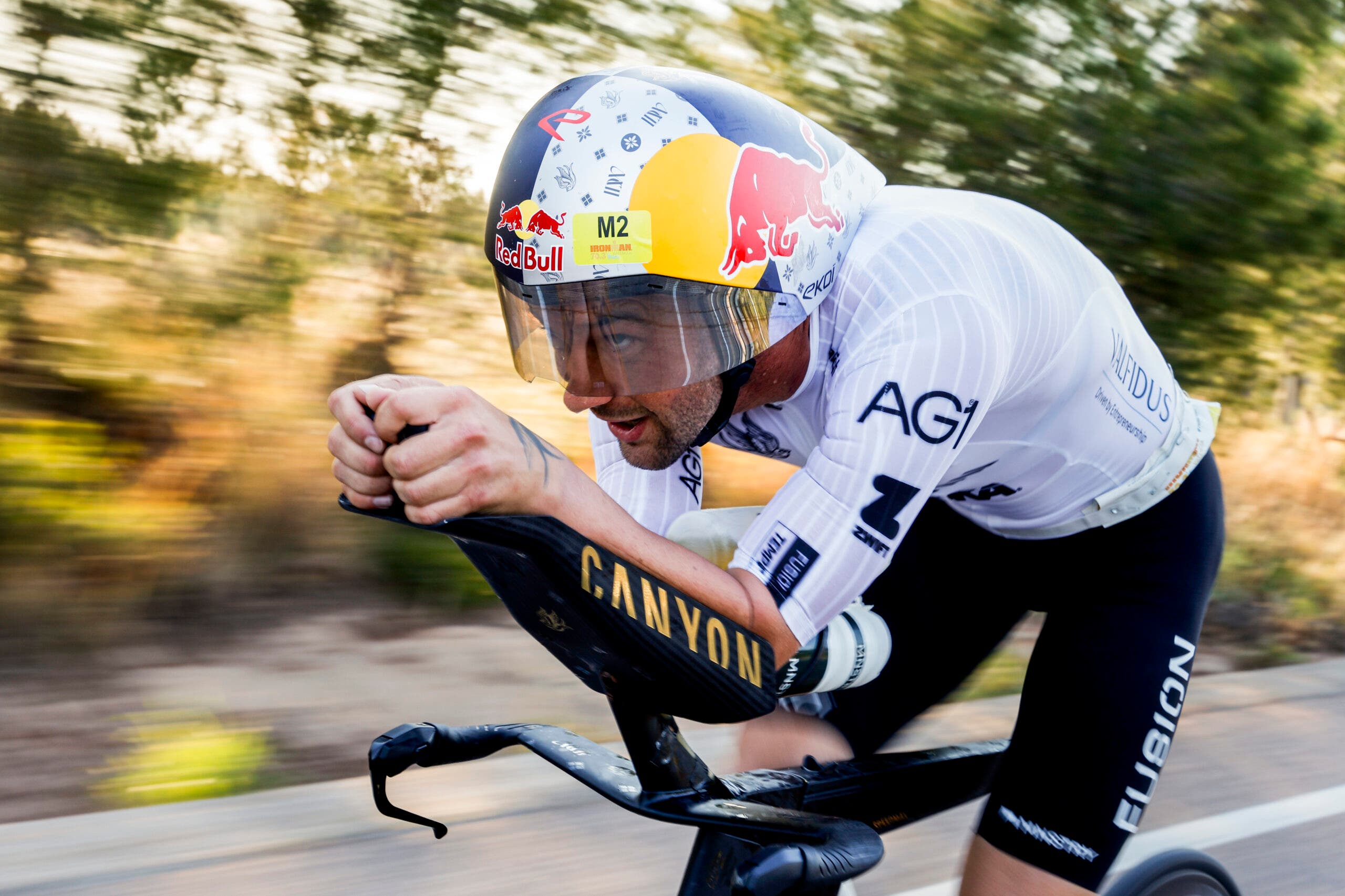
Sam Laidlow
27 years old, France
| Swim | ★★★★★ |
| Bike | ★★★★★ |
| Run | ★★ |
| Overall | ★★★★★ |
| Winning Odds | 30% (2 to 1) |
Sam Laidlow is the defending champion with very similar odds to Blummenfelt, and the seeds explain why: the fastest bike in the field after a swim that should put him out of the water a touch ahead of Blummenfelt — perhaps thirty seconds, enough to press the early bike and try to sneak clear before the race settles. His 2026 results back the form: two convincing wins at 70.3 Valencia and Ironman Lanzarote, the latter with new bike and course records on one of the sport’s oldest and hardest courses.
The trouble is the kind of race he now has to run. He won here last year in 7:29:35 off a 4:03 bike and a 2:37 marathon, but Blummenfelt was not in the field, and a man who can run a 2:30 changes the math. Repeating last year’s splits won’t be enough to defend his title. To beat Blummenfelt, Laidlow has to find more on the bike without giving it back on the run: ride under four hours to bank a real lead (or faster still, if Blummenfelt commits to the record) and still have the legs to hold the marathon together when he puts on his running shoes.
That is not a tweak to last year’s winning ride; it is a step up, and it is the exact plan he has failed to execute before. At Kona in 2024, he rode sub-four then walked stretches of the marathon to finish eighteenth. His good races came off disciplined bike legs: Nice in 2023, second at Kona in 2022, Roth last year (when he eased off, believing he was already clear).
Laidlow can win this, and he is the most likely man to shape it well into the run. Whether he wins or detonates comes down to a judgment he has not always got right.
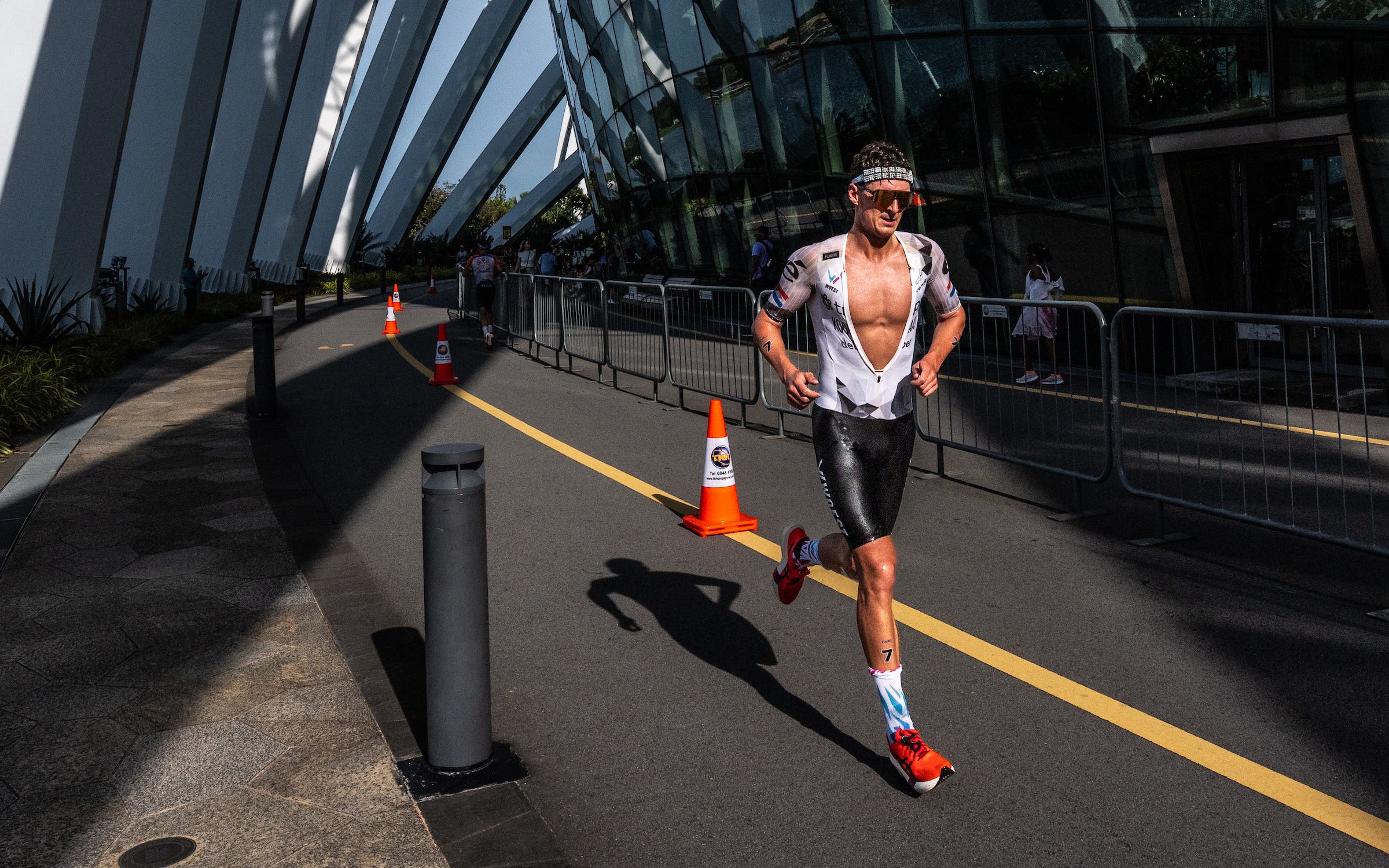
Dark Horse 1: Menno Koolhaas
30 years old, Netherlands
| Swim | ★★★★★ |
| Bike | ★★★ |
| Run | ★★★★ |
| Overall | ★★★ |
Menno Koolhaas has no standout leg but no soft one either, and that evenness is its own weapon: where the field’s other fast runners spend the bike losing touch and the marathon clawing back, he could be in contention from the water to the finish line. His results back this up: a Dutch record at Almere 2023, fifth at both Frankfurt and Kona in 2024, and a win and Kona slot at Ironman Arizona last year. The bike is the closest thing he has to a weakness, and the hard tempo Laidlow wants puts extra pressure on him there. A solid swim and bike keep his losses to a handful of minutes, not the ten-plus that buries a podium hope.
From there, his run can do the work. Koolhaas does not need the leaders to falter to race onto the podium; he can do it on his own merits, which is what makes him the most dangerous of the four dark horses.
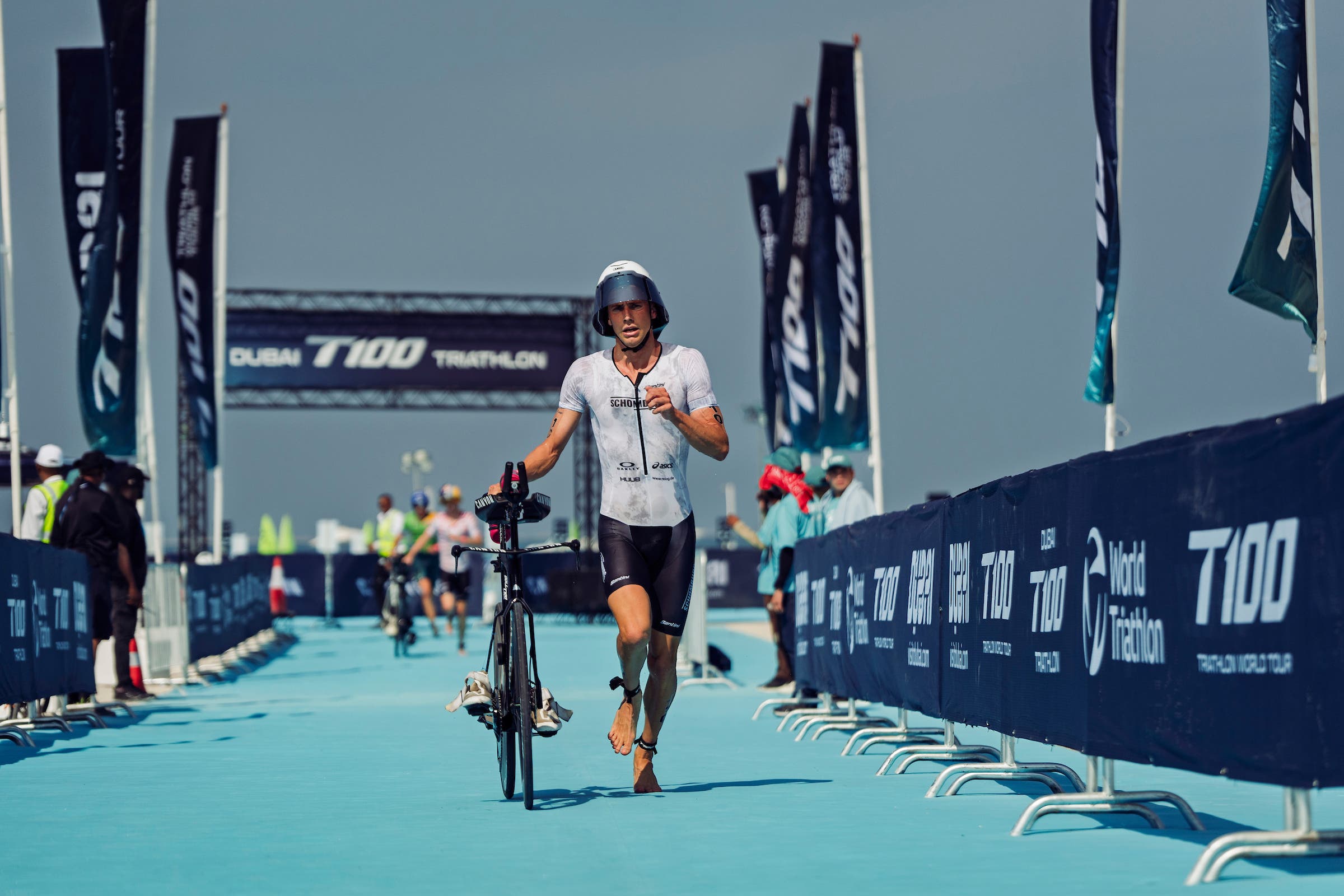
Dark Horse 2: Jonas Schomburg
32 years old, Germany
| Swim | ★★★★★ |
| Bike | ★★★★★ |
| Run | ★★★ |
| Overall | ★★★ |
Jonas Schomburg led into T2 here last year and finished second, and he arrives in form: runner-up to Blummenfelt at 70.3 Oceanside, then seventh and a Kona slot at Texas. His trademark is durability of an unusual kind: he has rough patches, a bad spell on the bike or a run started too hard, but he tends to absorb them and finish well rather than unravel. He may be the one setting the early pace in the swim, dragging Laidlow along with him away from Blummenfelt. If he’s part of a small lead group after the bike, after his race last year no one should be surprised if he’s the one continuing to push the pace on the run – maybe all the way to a win in Roth?
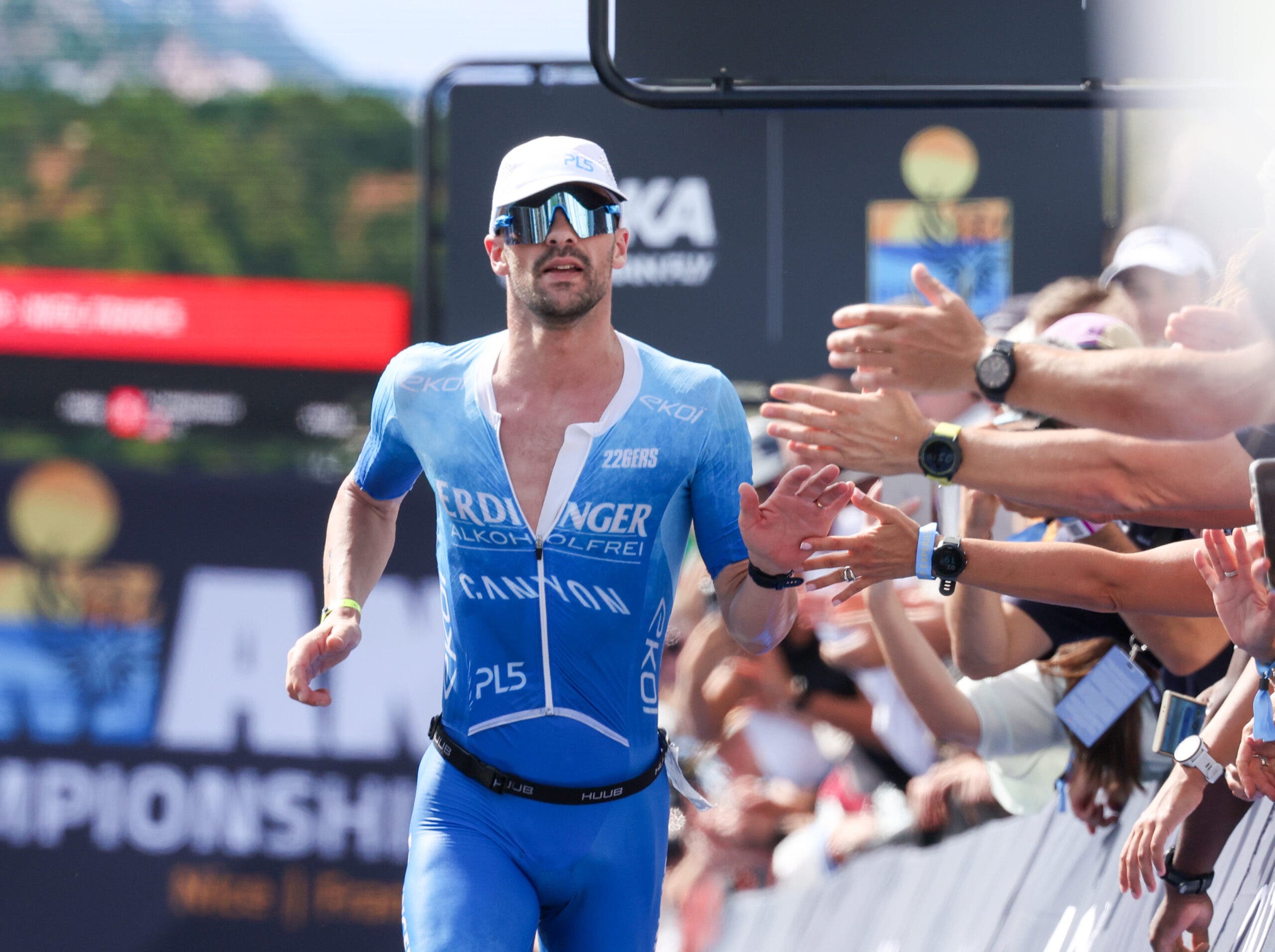
Dark Horse 3: Patrick Lange
39 years old, Germany
| Swim | ★★★ |
| Bike | ★★ |
| Run | ★★★★★ |
| Overall | ★★★ |
It wouldn’t be a surprise at all if Patrick Lange posts the fastest run in the entire field, as he is quicker than Blummenfelt (and than anyone else, for that matter). But when he arrives in T2, he may have the deepest hole to climb out of. His 2026 season shows the pattern. At Lanzarote this year he conceded 17 minutes to Laidlow on the bike, ran 8 of them back, and still finished 9 minutes down.
That is his whole question at Roth, and it is really a question about company. Lange rides best when there are others around him: a group pulls him along at a harder pace than he would hold alone. We saw this in the way the chase packs carried him to a manageable gap when he won in Kona. When he rides solo, as a fragmented Roth may force him to, the deficit balloons.
This year’s race projects to splinter rather than bunch, the hard early pace and wider draft zone scattering the field. It feels wrong to list a three-time world champion and past Roth winner among the dark horses. Lange is the man no one here outruns, but a flat course and a fragmenting race make it unlikely he can climb back from as far as the bike drops him. Then again, that is how he won his third Kona title in 2024, when Laidlow and Blummenfelt faded, and his run did the rest. A splintering Roth could offer the same.
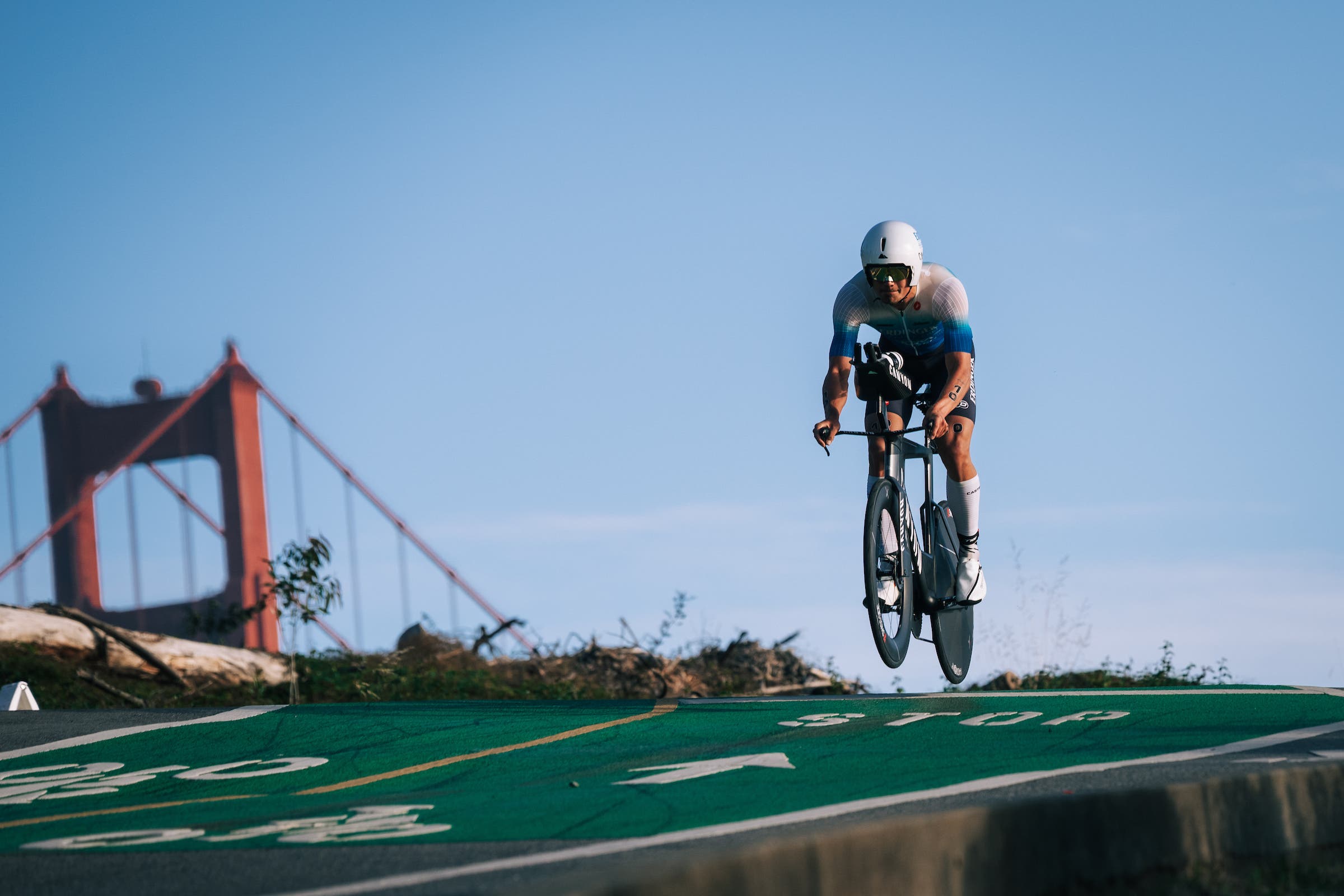
Dark Horse 4: Rico Bogen
25 years old, Germany
| Swim | ★★★★★ |
| Bike | ★★★★★ |
| Run | ★★ |
| Overall | ★★★ |
Rico Bogen arrived as a near-unknown to win the 70.3 World Championship in 2023 and has spent the two seasons after that to make sure no one forgets him: strong T100 campaigns and a standout record in San Francisco, third in 2024 and a winner in 2025 and again this year.
He is now firmly established as a half-distance racer. Roth is something else entirely: his first race over the full distance.
What the half-distance pedigree buys him is a place at the front of the race for at least five hours. Bogen should be in the lead group from the water onward — and he is the most natural ally Laidlow has, a rider who can share the work up front and help force the gap to Blummenfelt.
The unknown for him is the marathon. Nothing in a 70.3 career tells you how your body handles its first marathon off a hard bike, and it could go either way. Most likely, Bogen helps shape the race on the bike, and then the marathon decides whether he is racing for the podium or slipping out the back. How successful will his debut in Roth be?
Challenge Roth start list: Women’s contenders
When the women’s field was announced earlier this year, the headline was another exciting duel between Laura Philipp and Kat Matthews. But Philipp has withdrawn on health grounds after an interrupted build and two hard races at Aix-en-Provence and Hamburg; her body is not where it needs to be to contest another long-distance race at the level she holds herself to.
Phillip framed the news as choosing health over ambition, even when goals, expectations and emotion all pull the other way. She still plans to be in Roth on race day, supporting the race and athletes from the sidelines. Her absence would once have left the female race lopsided — but the arrival of Lucy Charles-Barclay restored a duel in its place.
Kat Matthews and Lucy Charles-Barclay are both British, both clearly a step above the rest of the field — but they get there by inverse routes. Charles-Barclay is the fastest swimmer in the race and a powerful cyclist; Matthews probably has the stronger combined bike-and-run. If one leads for most of the day, the other will work to close the gap and then take the win, and the whole race will live in the tension between the two.
Charles-Barclay will lead from the gun, out of the water with a clear margin and onto the bike in front. The swim is where she makes her advantage; the run is where Matthews makes hers, a marathon quicker by minutes that turns the closing hours into a chase.
What sits between them, and decides the race, is the bike – and it can swing either way. Matthews may reduce the swim deficit and reach T2 within striking range, though taking the lead outright before the run is unlikely. Charles-Barclay, on a strong day, can do the opposite and stretch the gap into something a fast marathon cannot fully reel in. That makes the bike a strategic decision as much as a physical one: how hard each is willing to ride, Charles-Barclay weighing whether to bury herself building a buffer, Matthews whether to spend on the bike or save it for the run she trusts. Roth, flat and fast, rewards the gamble and punishes the misjudgment.
Behind the two of them, the final podium step is its own race. Daisy Davies is the most likely third, as a strong cyclist who will lead the chase group early before the longer-distance runners come back into play. Langridge, Bleymehl and debutant Caroline Pohle are all within range of that last podium place if Davies falters or the run reshuffles them.
No one is realistically closing the ten-plus minutes to second on form alone. Short of a withdrawal up front, this is a race for third, and third is prize enough.
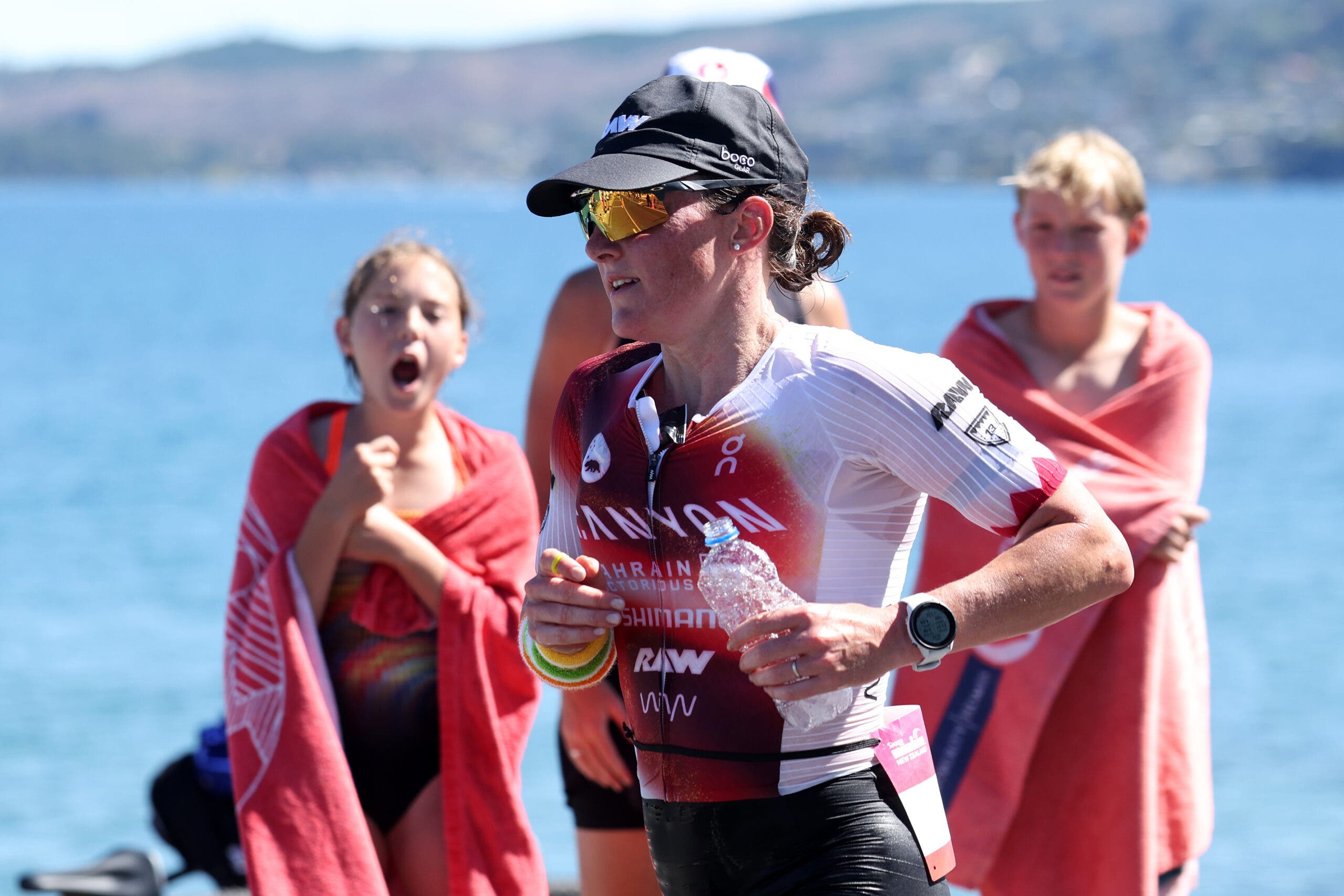
Kat Matthews
35 years old, Great Britain
| Swim | ★★ |
| Bike | ★★★★★ |
| Run | ★★★★★ |
| Overall | ★★★★★ |
| Winning Odds | 50% (1 to 1) |
A seven-time Ironman champion and runner-up at the World Championship two years running (Nice in 2024, Kona in 2025), Matthews arrives at Roth as the favorite, though no longer the runaway, thanks to Charles-Barclay. She is the strongest combined cyclist and runner in the race, and that is why she is favored. But she will spend most of the day chasing, not leading, and that reframes everything about how she has to race here.
By anyone’s standard, she’s had a great 2026 season so far: a win at Ironman New Zealand, victories at 70.3 Geelong and 70.3 Elsinore two weeks before Roth, and a Texas day undone only by a shredded tire rather than her legs. She could have added another Ironman for Pro Series points; she kept her original plan and chose Roth instead, which tells you what the race means to her. The marathon is her weapon; at around 2:45 she’s ten minutes quicker than Charles-Barclay.
The complication is getting to that run close enough to use it. Charles-Barclay will be out of the water five minutes ahead of Matthews, and the bike becomes a judgment call: ride hard to keep the deficit manageable and risk arriving with less for the marathon, or trust the run and let the gap sit, betting it is one her legs can erase. Misjudge it on a course she has never raced, and even the best marathon in the field can run out of road. Get it right, and she runs Charles-Barclay down. Matthews is the favorite, but we will only know on the run whether she has done enough to win it.
Lucy Charles-Barclay
32 years old, Great Britain
| Swim | ★★★★★ |
| Bike | ★★★★ |
| Run | ★★★★ |
| Overall | ★★★★★ |
| Winning Odds | 40% (2 to 1) |
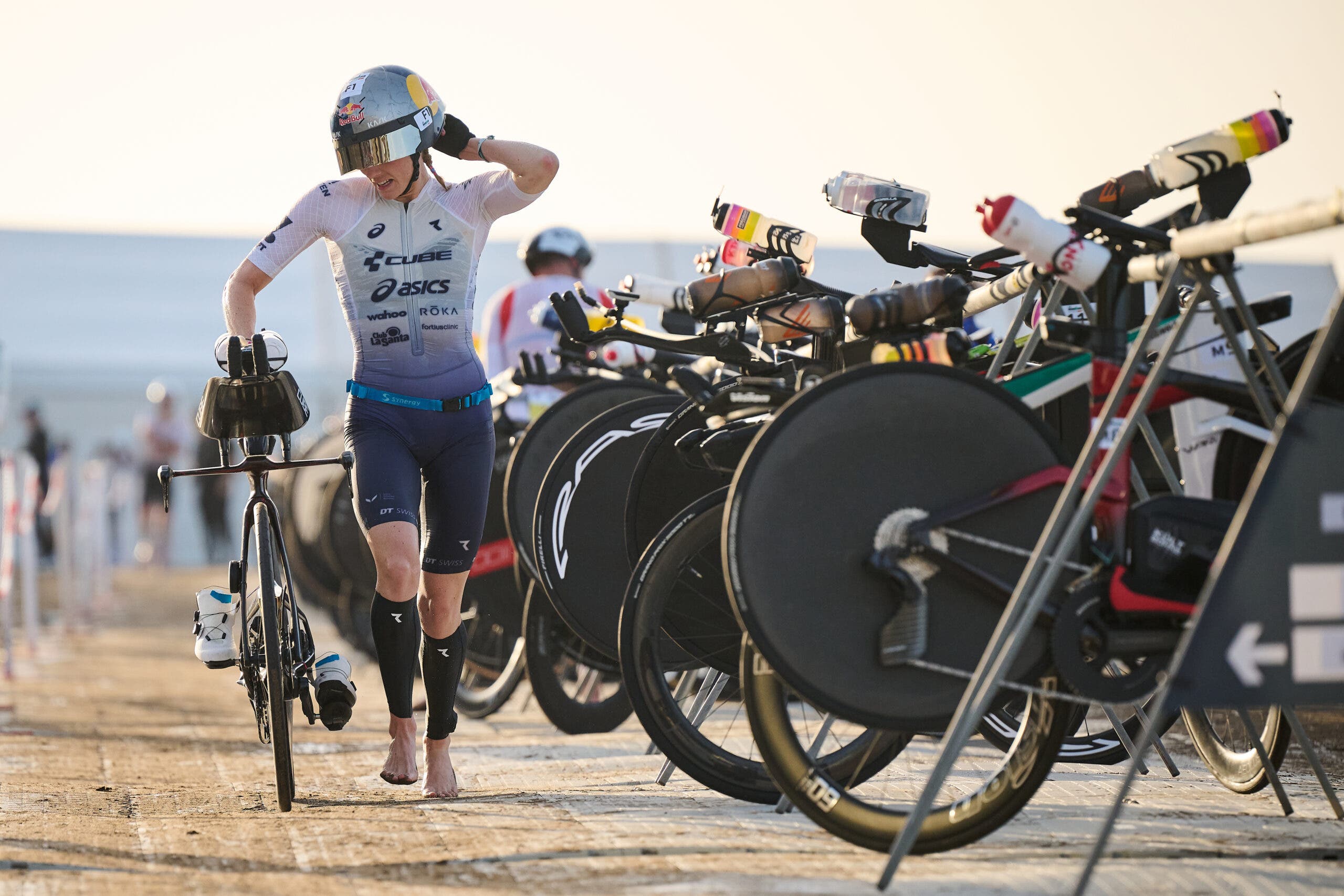
Lucy Charles-Barclay’s late entry turns the women’s race back into a contest, and into a different shape than a duel with Philipp would have been. Where Matthews is the bike-and-run powerhouse, Charles-Barclay is her opposite number: the fastest swimmer in the field by a wide margin (she holds the Roth women’s swim record), a near-equal on the bike, and the one most likely to lead this race for hours.
In the seedings, she exits the water some five minutes up on Matthews and holds the front of the race through T2, which makes this a chase, Matthews hunting from behind rather than dictating from the front.
Over the winter, Charles-Barclay had surgery to remove a thickened tendon that had been grinding against her Achilles, then rebuilt with a swim-heavy block and returned at Ironman Lanzarote in May, winning by more than twenty-five minutes and validating her Kona slot. The telling number was her run there: 3:01, within a breath of last year’s pre-surgery level. The recovery is not in doubt, as she is already back to her old form on limited run training, and with the tendon pain gone she may have had a better run build than in previous years.
Still, her run is unlikely to be faster than Matthews’. A sub-three-hour marathon against a 2:45 is the matchup, and it is why Matthews remains the favorite: Charles-Barclay’s job is to build a swim-and-bike lead that Matthews can’t erase.
She has done exactly that before. She won Roth in 2019 from the front, and she led Kona wire to wire to take the world title in 2023 — then was building another commanding lead in 2025, thirteen minutes up on Matthews at T2, when hyponatremia ended her day in the Energy Lab. Weeks later she won the 70.3 World Championship in Marbella. The seedings give her nothing like that Kona margin at Roth, more like two to five minutes into T2, a lead that a 2:45 marathoner can erase quickly. But thirteen minutes is what she has built on her best day in the water and on the bike, and that is likely too much even for Matthews in great running form.
That is what decides this year’s women’s race in Roth. An average ride for Charles-Barclay, and Matthews runs her down; ride at her Kona level, and Matthews may never catch her.
Dark Horse 1: Daisy Davies
24 years old, Great Britain
| Swim | ★★★ |
| Bike | ★★★★ |
| Run | ★★ |
| Overall | ★★★ |
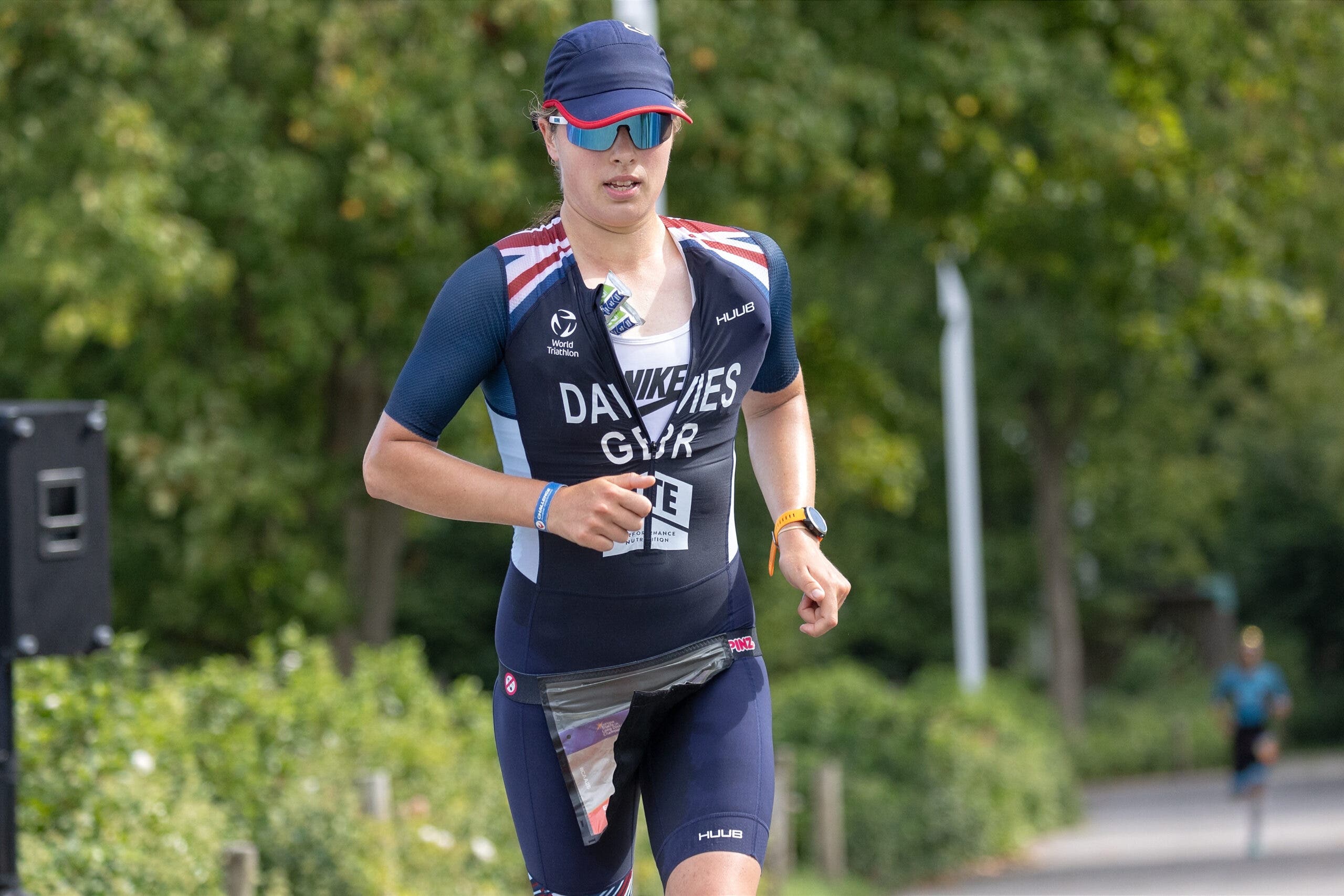
Two full-distance starts, two wins at Challenge Almere last year and an 11-minute win at Ironman South Africa this spring, make the 24-year-old Daisy Davies the most intriguing of the chasers, and the most likely of them to take third. A British Triathlon product who left the Olympic pathway for long course in 2025, she likes to race off the front against the clock, though here the front belongs to Charles-Barclay.
Expect a solid swim, fifth or so out of the water, then a strong bike that carries her up into third by T2, likely leading the chase group, behind only the two favorites.
Then the question is the one that has shadowed both her wins: fueling. She took both iron-distance titles despite losing nutrition on the bike and cramping late in South Africa. It is the flaw that has cost her time, but it also means she has yet to run a marathon on a day everything went right. Get it right at Roth and her run could be better than anything she has shown. Maybe not enough to reach the two in front, but enough to hold third against the other women in the field.
Dark Horse 2: Fenella Langridge
34 years old, Great Britain
| Swim | ★★★★ |
| Bike | ★★★ |
| Run | ★★★ |
| Overall | ★★★ |
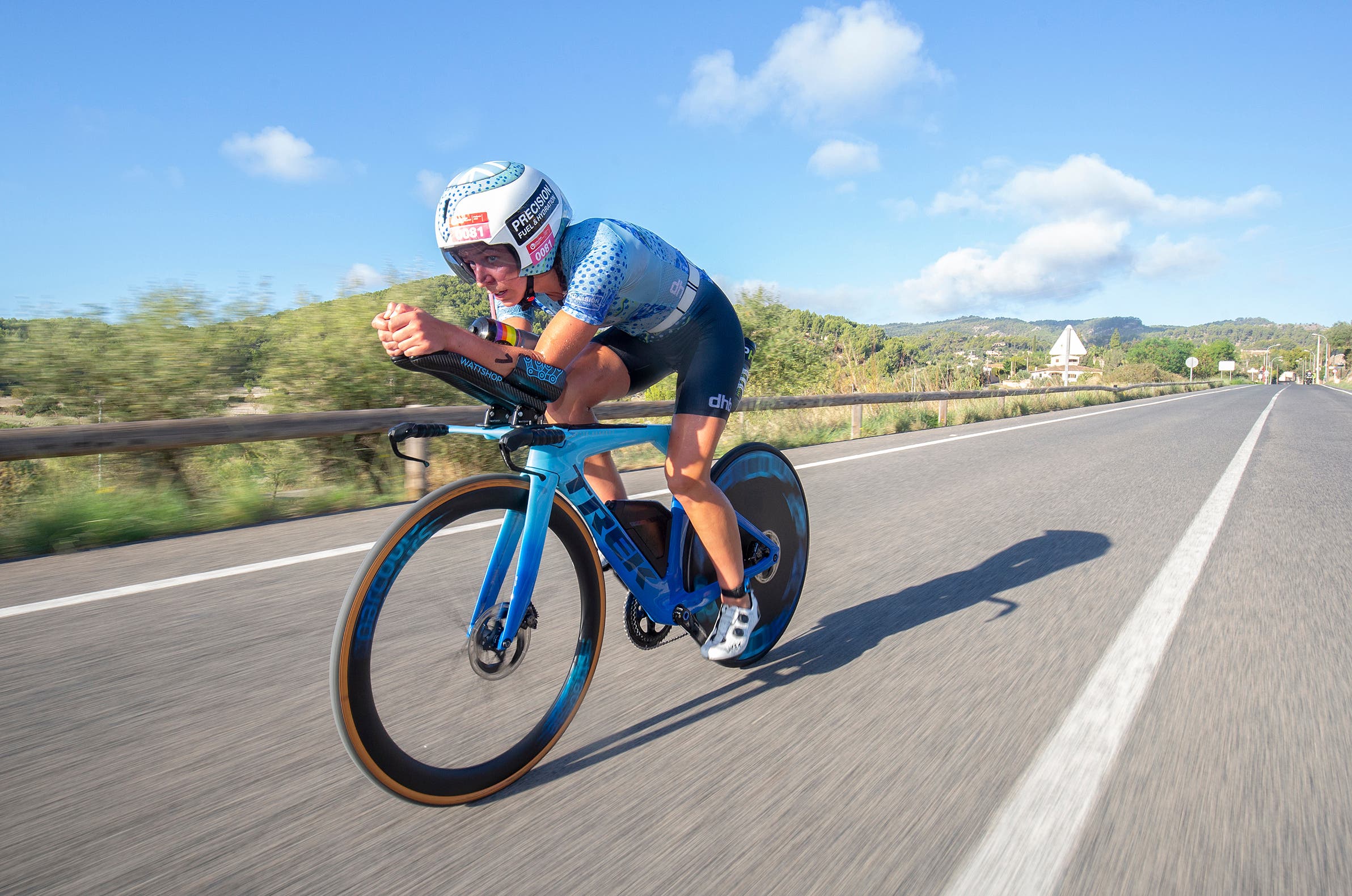
No one in this field knows Roth like Fenella Langridge. She has finished third, second and fourth here across three straight starts between 2021 and 2023. Then the last two years tested her: an external iliac artery endofibrosis diagnosis, surgery and a long recovery. Her projected ride is the slowest of the podium contenders; partially a result of not riding pain-free before surgery.
Where she has already gained ground is the run. At Ironman Hamburg four weeks before Roth, she led the swim and ran a personal best of 2:56 off the bike, a few minutes inside the 2:59 she ran at Roth in 2023 and a marathon that would be among the best of the chasers.
The bike is still the variable, but it need not be fatal: it should leave her not too far behind Davies, several minutes down in T2 but with the best closing run of the group. From there the run decides if she can contend for the podium. Run the Hamburg 2:56 again, and third is within reach.
Dark Horse 3: Daniela Bleymehl
37 years old, Germany
| Swim | ★ |
| Bike | ★★★★ |
| Run | ★★ |
| Overall | ★★ |
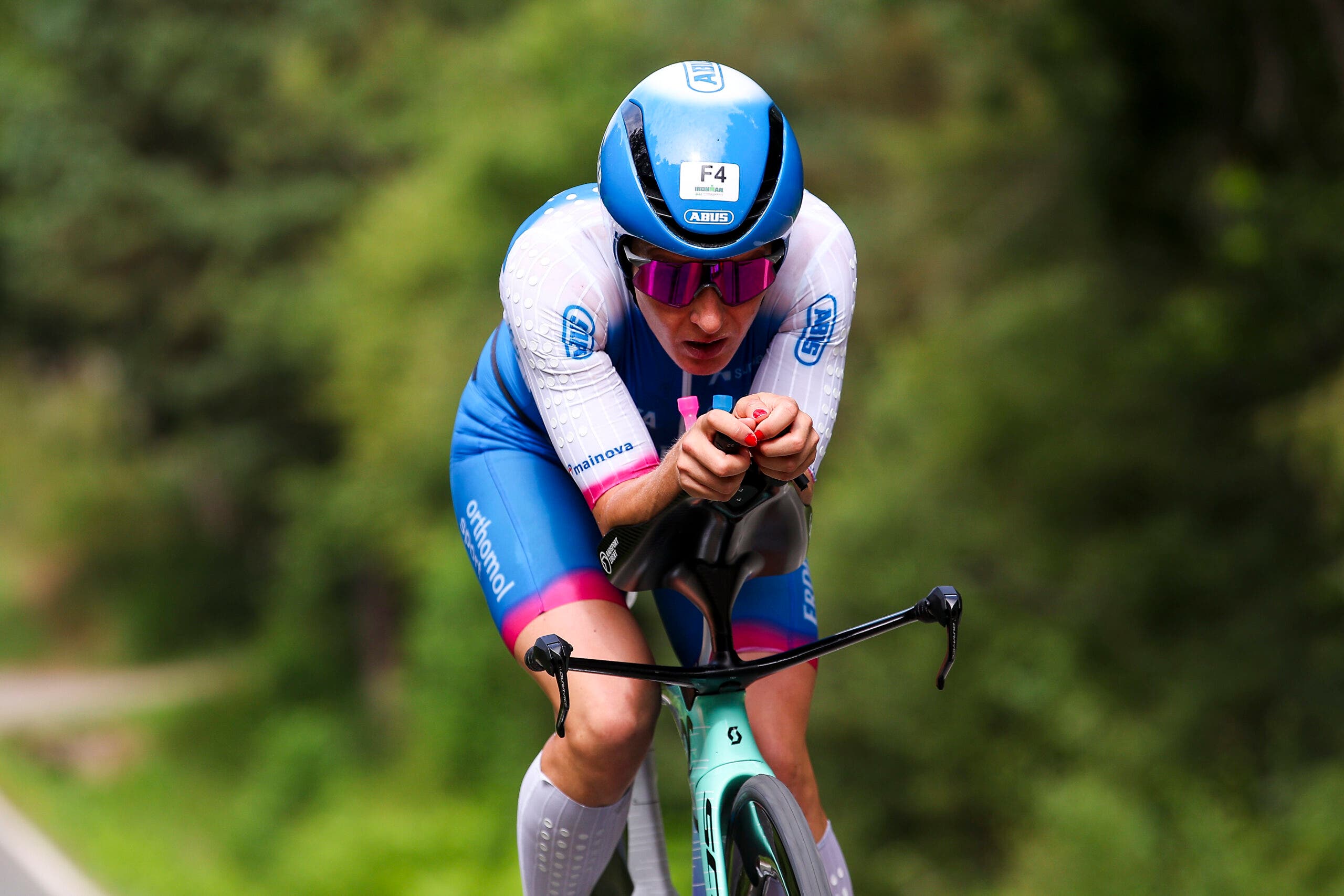
Daniela Bleymehl won Roth in 2018, and the years since have shown how durable she is: a third here in 2019, an Ironman South Africa title and a runner-up at Ironman Israel in 2022, and a third at Ironman Hamburg in 2024 with a personal best of 8:28 set on what was then the fastest bike split in Ironman history.
The bike is her weapon: strong enough to put her right with Langridge at the head of the chase, a handful of minutes behind Davies and the podium. The run is the question mark and what stands between her and a charge at third.
Her current chapter is a comeback. Since the birth of her daughter Emilia last August, she has rebuilt toward the front, finishing third at Ironman South Africa this spring, where she secured her Kona slot. She has already returned to a career-best after her second child, and with an 8:28 already in her legs, this year’s climb back may not be finished.
Free of slot pressure and with the strongest bike in the chasing group, she is the most experienced of the dark horses.
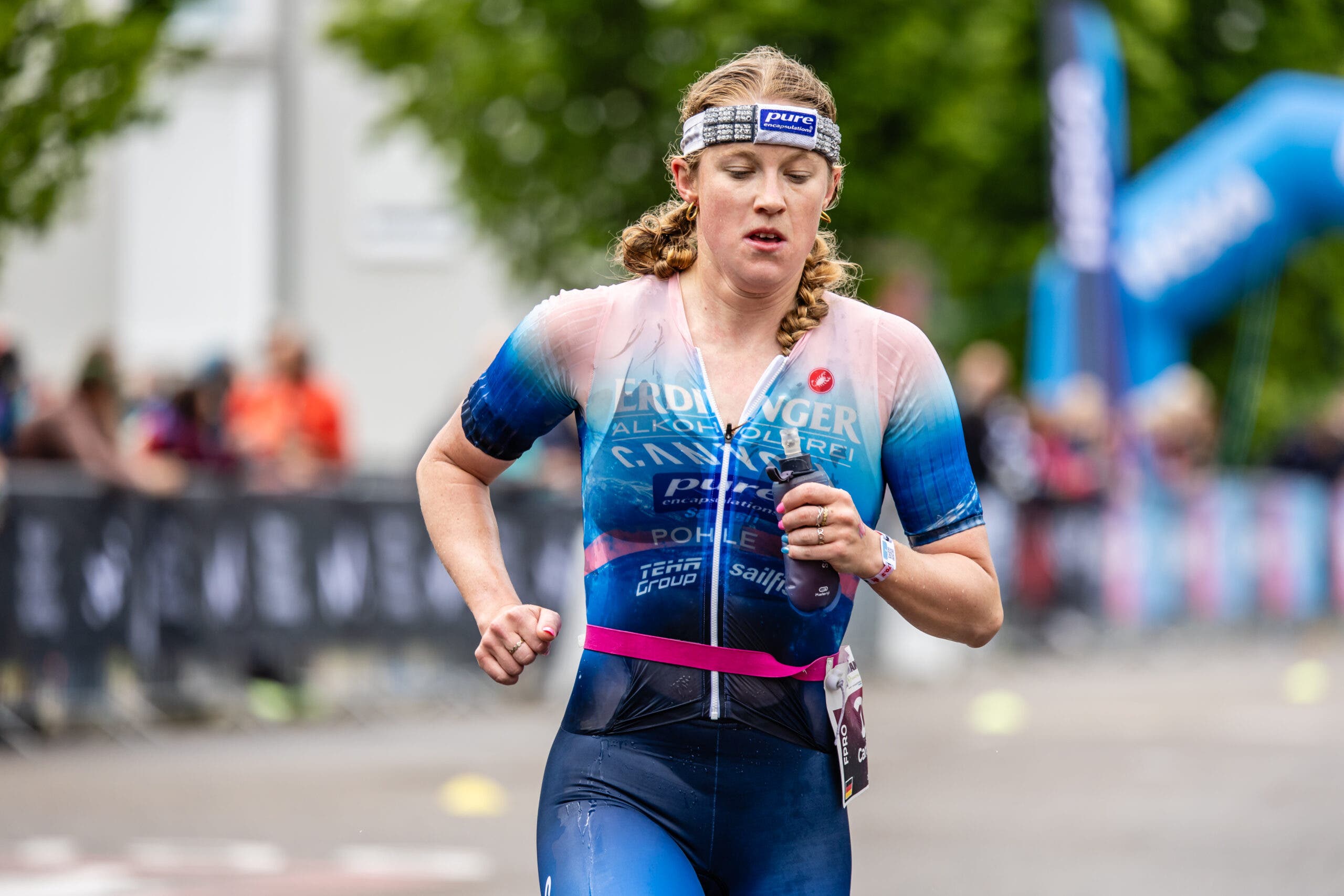
Dark Horse 4: Caroline Pohle
30 years old, Germany
| Swim | ★★★ |
| Bike | ★★ |
| Run | ★★★ |
| Overall | ★★★ |
Caroline “Caro” Pohle comes to Roth for her first race over the full distance, and she comes with form: three wins in 2026, the most telling of them at The Championship in Samorin against a quality field. As a debutant, she is the hardest athlete to read, and the seedings are an informed guess for someone who has never raced the distance. The likeliest shape has her riding into the back of the chase, well behind Davies and the podium places, with the work still to come.
By nature she is an aggressive racer, and that instinct can be expensive here: ride too hard early, and the long climb to Büchenbach late in the marathon is where the bill comes due. How she handles a first iron-distance marathon (and whether she has anything left when the course turns hard in the closing miles) is the question, and not even she knows the answer. To reach the podium from where she will start the run takes a fast marathon, and a sub-3 on debut is a tough ask. She chose Roth for its atmosphere, the crowds and the noise of the Solarer Berg: a fitting place to start her long-distance racing.
How to watch Challenge Roth 2026
The official Challenge Roth YouTube Channel will host the main international feed. The coverage will feature expert commentary from triathlon legend Sebastian Kienle and commentator Belinda Granger.
The international race broadcast begins at 6:15 AM CEST (local German time). For U.S. time zones, this translates to 12:15 AM ET/9:15 PM PT.
The Challenge Roth app will also provide users with real-time split times, an interactive leaderboard, and live text alerts.



