
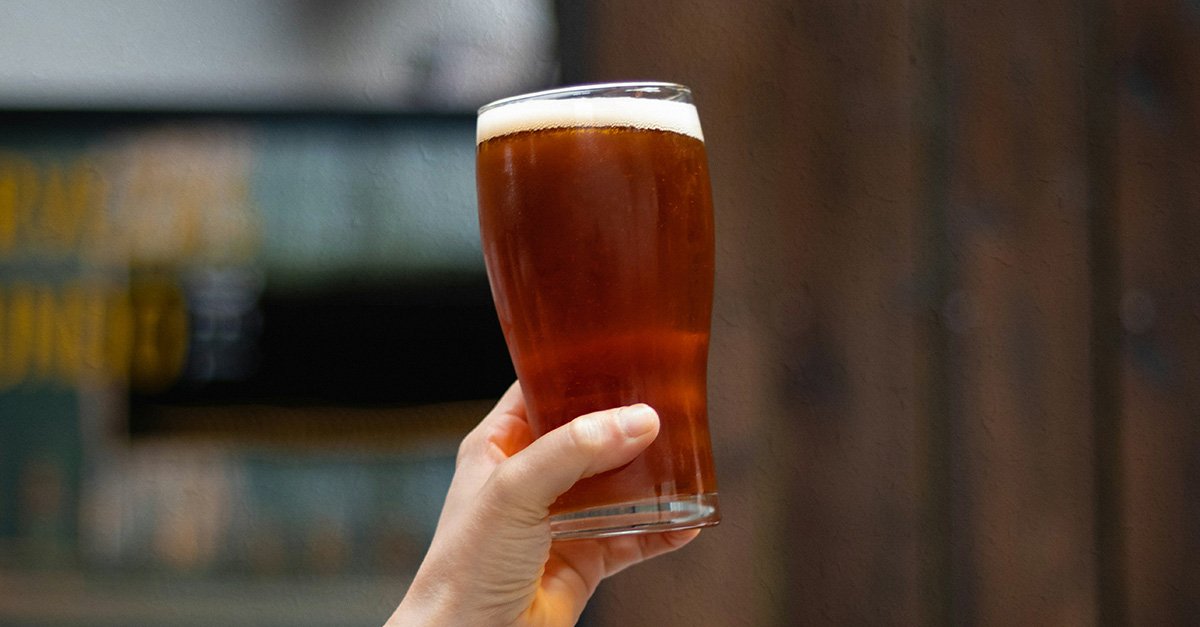
Over the past 30 years or so, craft beer evolved from a semi-obscure curiosity to a known commodity. Perhaps more importantly, it’s made this journey without the sector ever fully selling out to the mainstream. Sure, several key brands were acquired by beer behemoths or made the leap into the realm of widespread distribution and popularity. But for the most part, craft beer’s engine still operates through the steady hum of smaller regional and cult brands pushing the beer scene forward through unique and innovative styles.
At one point or another during these three decades, certain styles have bubbled up to the craft beer scene’s forefront as the industry’s darling brews. Sometimes their stars burn brightly before quickly fading. Occasionally, the “it” status gains a sense of anchoring permanency within the scene. There’s also the rare times when a style hatches its own subcategory of darlings, not unlike a beloved sitcom paving the way for successful spinoffs.
What follows is a rough timeline of the rise, fall, and occasional stability of these darling craft beer styles. While this roadmap naturally highlights a few obvious if not slightly ubiquitous types, it also features a few iterations that may not be recalled as easily. Of course, whether or not their flavor makes them worth recalling is relative.
1995 – 2000: American Pale Ale
American Pale Ale was the craft beer movement’s mother dough. It took some time for the public to warm up to the hoppy, fruity, more potent riff on traditional low-ABV English pales — the style’s flagship label, Sierra Nevada Pale Ale, was initially brewed in 1980. Once they did, though, obsession soon followed, arguably making it the first time people really nerded out over a specific beer style. It certainly wouldn’t be the last time: Labels like Dale’s Pale Ale from Oskar Blues Brewery and, yes, even the beers from the “it’s easy to forget they were a small craft brewery” beer titan Samuel Adams began pulling attention away from the heavyweights for doing things a little differently.
1995 – 2000: Hefeweizen
Brewed in Bavaria since the early 16th century — if not even earlier — Hefeweizen wasn’t a new category when it achieved darling status in the mid-’90s. But the easy-drinking wheat beer with the slightly cloudy composition was new to most American beer drinkers when pioneering breweries like Widmer Brothers and Pyramid began producing the style. While that perceived newness initially grabbed interest, its crisp, mildly fruity and phenolic flavors helped Hefeweizen retain top-level attention for nearly two decades.
1995 – 2000: Brown Ale
In retrospect, brown ale’s quick turn as craft beer’s “it” brew is slightly unorthodox, because the craft sector was only partially responsible for its popularity. Craft labels like Pete’s Wicked Ale were certainly instrumental in pushing the traditional British style to the top of the pedestal in the late ’90s, but so was the well-established British import Newcastle, which thrived in the States as it ironically plummeted in popularity back home. Both enticed plenty of folks to expand their sudsy horizons; sadly, the category’s starpower faded somewhat rapidly once people discovered more styles.
1995 – 2005: Amber Ale
For about 10 years, amber ale provided a crucial bridge between mainstream beers and more hardcore corners of the craft beer scene. The reason was fairly obvious. The subtly bittersweet style was darker than a lager and lighter than a stout, providing curious parties an approachable middle ground in both flavor and appearance that didn’t feel too esoteric. Much like brown ale, amber ale fell by the wayside when consumers were ready to be more adventurous.
1995 – 2005: West Coast IPA
The beloved brews of craft beer’s early years contained a sense of stylistic familiarity, even if hoppy characteristics like citrus and pine notes anchored their profile. The West Coast IPA trend shifted things dramatically, if not permanently. Bright and fruity yet also bitter and dank, West Coast IPA was an aggressive beer style in relation to what existed on the market at the time. With heavy hitting brands like Lagunitas and Stone Brewing, its market presence was just as aggressive as beer enthusiasts took heed. Over the years, other beers falling under the IPA umbrella would intrude on West Coast IPA’s popularity. However, its impact was so strong, it arguably remains the default way casual beer drinkers define the IPA category.
2000 – 2015: Double IPA/Extreme Beers
One of craft beer’s most notorious darlings essentially originated from an industry pissing contest. Around the turn of the century, breweries decided to push the limits of bitterness and alcohol. This resulted in intensely flavored, over-the-top hoppy styles like the double IPA. It also produced beers with higher ABVs than the average wine. They achieved darling status because people flocked to purchase them. Whether they bought them for their flavor or their novelty is an entirely different question.
2005 – 2015: American Belgian-Style/Farmhouse Ale
Belgian Trappist beer styles like Dubbel and Trippel built a cult following around the outset of the craft beer movement. While they were delicious, they weren’t sessionable because of their high-price point. Pioneering craft brewers like Allagash and Ommegang solved this problem by producing Belgian-style beers combining Belgian yeast strains with American ingredients. This offshoot not only gained mass appeal, it produced its own offshoot, the tart, earthy farmhouse ale. While they’re no longer the craft industry darling they once were, these unfussy beers still remain a solid retail presence.
2010 – 2015: Imperial Stout
By the end of the 2000s, Guinness was fully mainstream and stouts mostly shedded their status as an intimidating beer to most consumers. Imperial stouts reset this narrative by upping the intensity of classic stout notes. Unlike the increased bitterness of Double IPAs, this led to stronger notes of chocolate, coffee, and other pleasant treat-like notes. Enthusiasts championed the style, which would eventually spawn other popular and occasionally polarizing subgenres.
2010 – 2025: Niche IPA Substyles
IPAs just didn’t get extreme after the West Coast style became popular. They also got weird. A steady stream of IPA substyles started showing up at the beginning of the 2010s, when Black IPA’s odd juxtaposition of looking like a stout and tasting like an IPA bowled over craft hopheads. The ensuing IPA branches, such as the low-ABV Session IPA and the crisp, clean Cold IPA and Brut IPA, have been enthusiastically championed over the years, including some that almost feel like a mistake or even a dare now (we’re looking at you, Milkshake IPA).
2015 – Present: Barrel-Aged Beer
While craft beer produced a wide range of unique and innovative styles, it was still beer. Therefore, it was still a down-to-earth, approachable beverage. Then brewers started aging their beers in wine and spirits barrels anywhere from a couple of months to a couple of years. Suddenly, beer was fancy. Instead of scoffing at these elevated brews, craft beer enthusiasts stuck out their pinkies and embraced the trend with their full chest, even if these special brews left their wallet less than full. Today, barrel-aged beers’ combination of craftsmanship, unique flavor profile, and prestige continues to grant them darling status.
2015 – 2025: Hazy IPAs
Hazy IPAs did more than become an “it” beer in the mid-2010s. They changed the conversation around IPAs, and for the better. Cloudy, juicy, and low on bitterness, the beer enjoyed success for years as a regional cult brew along the East Coast, where they were known as New England IPAs, or NEIPAs. Word eventually got out; more importantly, so did pictures — part of the reason the style gained nationwide traction was because they looked good on Instagram. It remained a nationwide sensation because people found their brazen tropical notes to be a refreshing change from West Coast IPAs’ notorious bite.
2015 – 2020: Sours
Beer doesn’t always have to taste like beer. Sometimes, they can taste like mouth-puckering treats from your childhood. That may be the impetus behind why sours had their turn as a darling style. These tart, funky, and often vigorously fruit-forward brews brought existing styles like Lambics, Goses, and Berliner Weisses to the forefront of the craft scene, while also paving the way for newer substyles like the viscous, smoothie-like slushy beer. While the style is past peak popularity, they remain rather polarizing. Either you love it or you hate it, gray area be damned.
2015 – 2020: Pastry Stout
Stout styles imbued with sweet notes date back to the 19th century. The craft sector cranked this notion to 11 in the 2010s, as brewers keen on producing stout riffs turned their breweries into liquid bakeries, making brews featuring sweet culinary ingredients like cocoa nibs, vanilla beans, and coconut. The result was a decadent stout sub-category buoyed by beers which leaned into flavor notes typically associated with indulgent belt-loosening desserts like German chocolate cake, cookies, and gingerbread. Once the term “Pastry Stout” was coined in 2017, “it” status quickly followed, making the category the perfect yin to sour beer’s yang.
2020 – Present: Italian Pilsner
Right before Covid shut the world down, the craft scene started to drop hints that the next big thing was a return to basics. The surge in interest over Italian-style pilsners provided the first clue. There was nothing odd or esoteric about the style; craft breweries like Firestone Walker stuck to the formula of dry-hopping European hop varietals to produce crisp, subtly herbaceous brews with a subdued bitterness. It took a few years for the trend to take off — the most well-known version, Firestone Walker’s Pivo Pils, hit the market in 2012 — but once it did, there was no turning back.
2020 – Present: Mexican Lager
It’s entirely possible for a craft beer style to gain darling status because they’re simple and refreshing. That seems to be the case with Mexican lagers. Even if there’s something bigger behind the style’s initial surge, such as it being a symbolic post-Covid backlash to more esoteric styles, the crushable excellence of the crisp, flaked corn-kissed low-ABV brews doesn’t exactly hurt its still-unwavering popularity.
2025 – Present: Czech Lager
Coming off the heels of the Mexican lager trend, Czech lager’s current status as a craft darling feels as though the craft scene has come full circle. Like the early “it” beers in the craft sector, Czech-style lagers aren’t some wacky new innovation. They’re beer rooted in the traditions of classic Bohemian brewing techniques utilized since the mid-19th century. There’s no manipulations to amp bitterness, no fruit or chocolate finishes, no excess aging in an old Cabernet Sauvignon barrel. That doesn’t mean it’s totally bereft of innovation: The pristine foamy head produced when the Czech Lager comes from a Lukr faucet can make the beer look visually arresting. Aesthetics aside, thought, it’s just beer that tastes like beer, but in craft form. Sometimes, that’s all you can really ask for.
*Image retrieved from tito pixel via unsplash.com



