
Updated July 15, 2026 12:43PM
Ironman Lake Placid 2026 Preview
Ironman Lake Placid is among the oldest races on the tri calendar, with the first edition starting way back in 1999. For most of its history it was among the toughest (and slowest): a slow, often cold swim, a bike with climbs and technical descents, and a run that never lets you settle into a comfortable rhythm. For years the finishing times told the story: No man broke eight hours here until 2024, and the women’s course record sat above nine hours until last summer.
But then nearly every one of the course records fell in the 2025 race: American Matthew Marquardt won the men’s event in a course-record 7:50:08; countryman Trevor Foley took the bike record. On the women’s side, Norway’s Solveig Løvseth obliterated the old women’s standard, going more than 15 minutes faster than any woman had ever gone here, while Spain’s Marta Sanchez reset the women’s bike record and Canada’s Tamara Jewett ran a 2:40 marathon. Only the two ancient swim marks — from 2001 for the women and from 2012 for the men — were left standing. The slow race had, for one day at least, stopped being slow.
Why should you watch Ironman Lake Placid 2026?
Last year’s race sets up the obvious question for 2026: Was 2025 a one-off or the new normal? Marquardt returns to defend his title but will face a tough challenge from a newcomer to the course as Marten Van Riel, the Belgian short-course and T100 star, seems to be built for racing at a fast speed. On the women’s side, runner-up and third-place finisher from last year, Lisa Perterer of Austria and Sanchez, are the two women most likely to inherit the top step of the podium. Both fields are strong at the top and maybe a bit thinner behind, the kind of field that often rewards one of the favorites but still leaves the door open for a surprise result.
But it’s not only the podium that matters in Lake Placid. The race carries four Kona slots for each of the men and women, and most of the leading names already have theirs. Van Riel, Marquardt, Foley, and American Rudy von Berg have already qualified on the men’s side, as have Perterer, Sanchez, and Jewett for the women. That changes the texture of the race at the front: For the favorites, this is about the win, Ironman Pro Series points, and building toward the fall; racing with a secured slot can free an athlete to take risks they otherwise wouldn’t. Further back, the slots are genuinely up for grabs, and a strong swim-bike or a well-paced marathon could hand an unheralded name a ticket to Kona in October.
There’s one more full-distance Pro Series race before Kona: Ironman Kalmar in Sweden in August will also be the last chance to earn a pro Kona slot. But Lake Placid is an important summer highlight of the Ironman season, especially for the North Americans chasing a home-soil slot before the qualifying road runs out in Europe. The record book says this course can now be raced quickly — whether it happens again on July 19 is worth watching.
The Ironman Lake Placid course
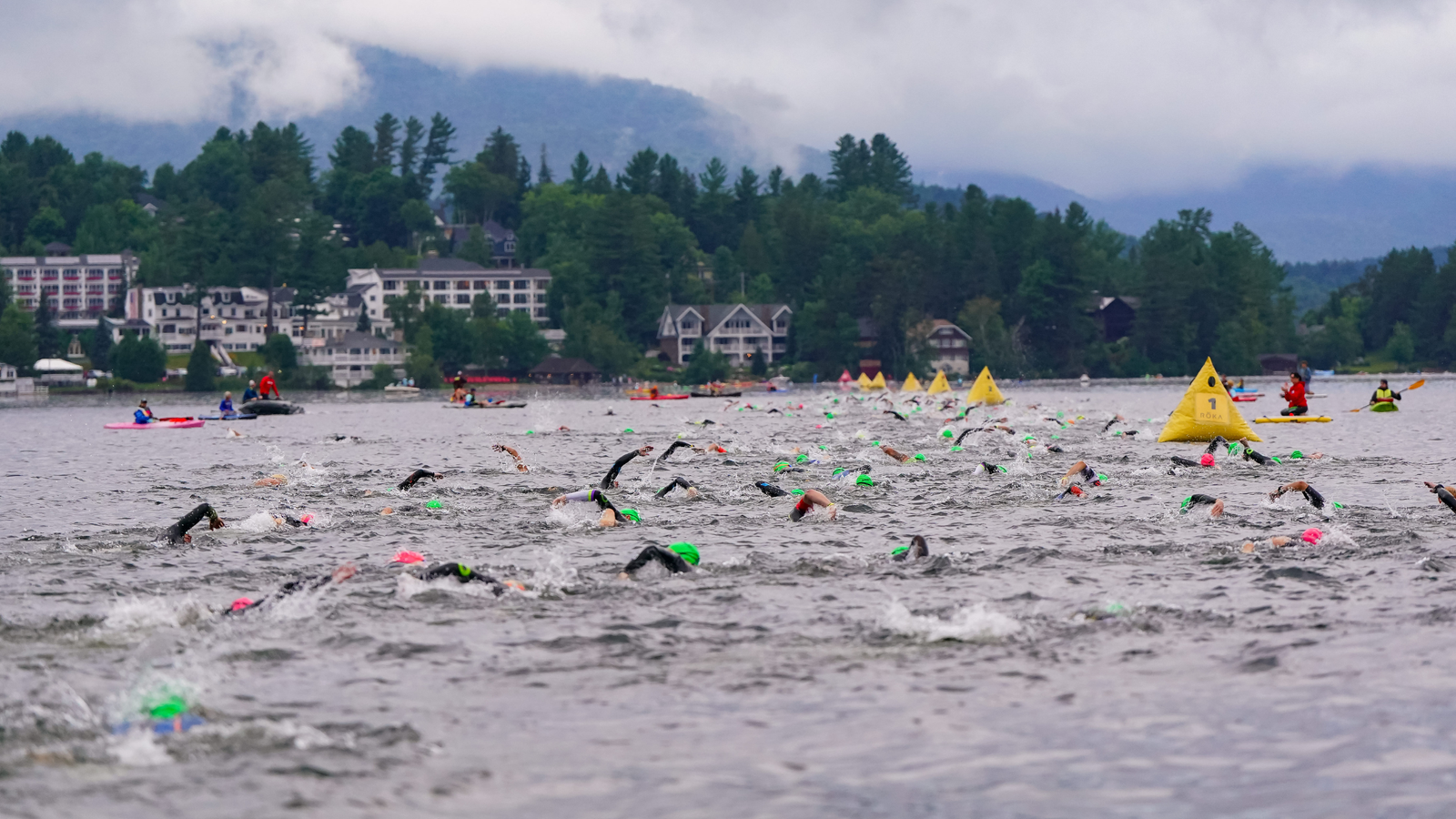
The Lake Placid swim is two loops of Mirror Lake, flat and sheltered, and has been non-wetsuit for the pros in recent years. The records belong to another era — Americans Andy Potts in 2012 for the men and Joanna Zeiger in 2001 for the women. Both were complete racers rather than pure swimmers, but neither mark is under real threat this year. That isn’t because the swimming has slowed; it’s because a fast swim no longer buys what it once did. The field now closes early gaps on the bike, so time made in the water rarely survives to the finish, and even if the swim leg opens the first gaps of the day, they won’t be decisive.
The course’s defining leg is the bike. Two loops on Route 73 drop athletes down a long, fast descent toward Keene early in each lap, then requires sustained climbing on the way back to town, capped by the hills — known as the Three Bears — before the return to Lake Placid. It rewards riders who can descend, then time-trial, the rolling middle section without spending too much energy needed for the upcoming climbs and the marathon that follows. Foley holds the bike record at 4:10:45 from 2025, with Sanchez setting the women’s mark of 4:51:25 the same day. The sub-4 rides that are now routine in Florida, Texas, or Roth do not happen here.
The run is two loops and truly decides the race. It rolls the whole way, with an out-and-back along the flat lower section and a climb back up into town on each lap, finishing on the Olympic speedskating oval — a reminder that Lake Placid hosted the 1980 Winter Games. Foley owns this record too, a 2:36:31 from his 2024 win, while Jewett reset the women’s run record to 2:40:05 in 2025. Interestingly enough, even with that marathon time she finished well off the podium, which shows how crucial all three legs are.
Ironman Lake Placid start list: Men’s contenders
Expect the men’s race to change shape as the day progresses. A couple of swim specialists may hit T1 first, American Thomas Gordon led the swim here in 2025, but then finished well back in 25th. The contenders should be led out of Mirror Lake by Van Riel and American Ben Kanute, with Marquardt and von Berg a few seconds back. Foley will start the bike around seven minutes behind the quicker swimmers, roughly where he was when he won here in 2024. His swim is the one clear weakness among the favorites, and it turns his day into a pursuit from the gun.
The bike is where Foley needs to start closing the gap. He owns the course record at 4:10 and should ride the fastest split again, even if only by a few minutes. Kristian Høgenhaug of Denmark is the one bike threat who needs to turn the leg into a gap rather than a regroup: Others are expected to have a faster run, so arriving at T2 in a bunch does him no favors.
The question is whether the strong riders can splinter the race or whether it comes back together. The likeliest scenario has the top six athletes reaching T2 inside four minutes of each other — Høgenhaug, Marquardt, and Van Riel together, with Foley closing to less than four minutes despite his slower swim.
That compression sets up the running race in Lake Placid. Van Riel brings the fastest run in the field; he may even slip under Foley’s course record. If he can reach T2 even with Marquardt and just behind Høgenhaug and then run to his potential, it’ll be tough for von Berg, Foley, or Marquardt to answer it. The doubt is not the speed but the distance: Van Riel’s short-course and T100 pedigree is beyond question, but this is a different test over 140.6 miles on a course that punishes anyone who misjudges the bike, while most of the men around him have much more experience of how to race this course.
Another layer impacts how hard the front athletes will actually push the pace: Van Riel, Marquardt, von Berg, and Foley have all previously qualified for Kona, so for the favorites this is about the win and building toward the fall rather than survival, which raises the question of how much risk a secured athlete is willing to take in July (with Kona just around the corner). Høgenhaug is the exception among the leading names. He is still chasing a slot, which might make him the most motivated rider on the road, and the one with the most reason to force the race early rather than gamble on a run where he’s likely to lose ground.
Marten Van Riel
33 years old, Belgium
| Swim | ★★★★★ |
| Bike | ★★★★ |
| Run | ★★★★★ |
| Overall | ★★★★★ |
| Winning Odds | 35% (2 to 1) |
Marten Van Riel is a newcomer to this course but he has the fastest marathon PR: A 2:32 marathon at Ironman Texas earlier this year carried him to second place behind Norway’s Kristian Blummenfelt, and no one in this field has run that fast off an Ironman bike. But he’s also one of the fastest in the swim and on the bike, and that’s the profile that’s rewarded by the Lake Placid course.
The reservation is not his speed but the setting. Van Riel’s pedigree on the shorter distances has been well established, but Lake Placid is a different test. His Texas run came on a fast, flat course; whether it transfers to the hillier profile is the open question, and the men around him have successfully paced Lake Placid before while he is seeing it for the first time.
After a long-and-draining 2025, Van Riel is racing a lighter schedule with the fall clearly in mind, and his Kona slot is already secured. Lake Placid is a step toward October, rather than an end in itself, which raises the usual question of how hard a qualified athlete pushes in July. His preparation has hardly been idle, though: He won 70.3 Elsinore in late June to grab a last-minute 70.3 Worlds slot. He should reach T2 with Marquardt and just behind any athlete pushing the bike a bit harder. If he can run anywhere near his Texas number, anyone else in the front group will need a special day to answer it.
Matthew Marquardt
28 years old, United States
| Swim | ★★★★ |
| Bike | ★★★★ |
| Run | ★★★ |
| Overall | ★★★★ |
| Winning Odds | 25% (3 to 1) |
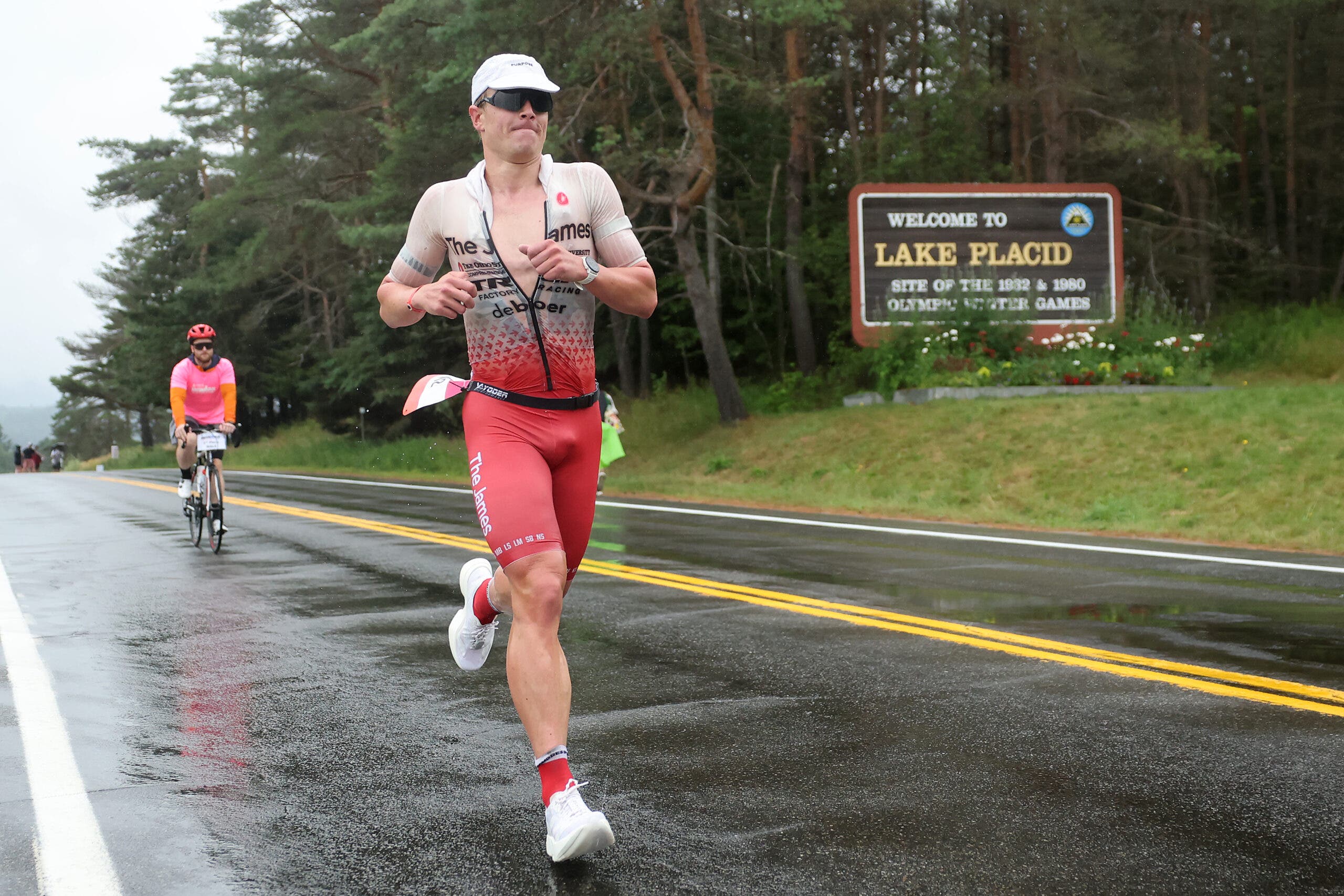
The defending champion returns to the site of his biggest win. Last year, Marquardt controlled the race from the bike and stayed clear through the marathon to take the title in a course-record 7:50:08. He backed it up in the fall with an eighth place at the Ironman World Championship in Nice, then opened 2026 by winning Ironman South Africa.
But his old pattern of leading into T2, then getting caught on the run hasn’t fully gone away. At 70.3 Pennsylvania this spring, he again led into T2 and faded to fourth. That is the question hanging over his race in Lake Placid: the men most likely to beat him here are the faster runners. Van Riel could run five minutes quicker, so Marquardt likely has to reach T2 with enough of a lead that a low-2:40 marathon is fast enough to take the win — exactly how he won in 2025. If this year’s front group arrives together, it hands the finish to whomever runs fastest off the bike. Can Marquardt step up his marathon to match the speed of Van Riel?
Marquardt continues to combine a medical career with professional racing, a balance that makes his consistency at this level even more notable. He knows this course, he knows how to win on it, and he has beaten most of these men here before. Whether he can do it against a deeper set of runners is what makes him a favorite to watch rather than the clear pick.
Trevor Foley
27 years old, United States
| Swim | ★ |
| Bike | ★★★★★ |
| Run | ★★★★ |
| Overall | ★★★★ |
| Winning Odds | 10% (9 to 1) |
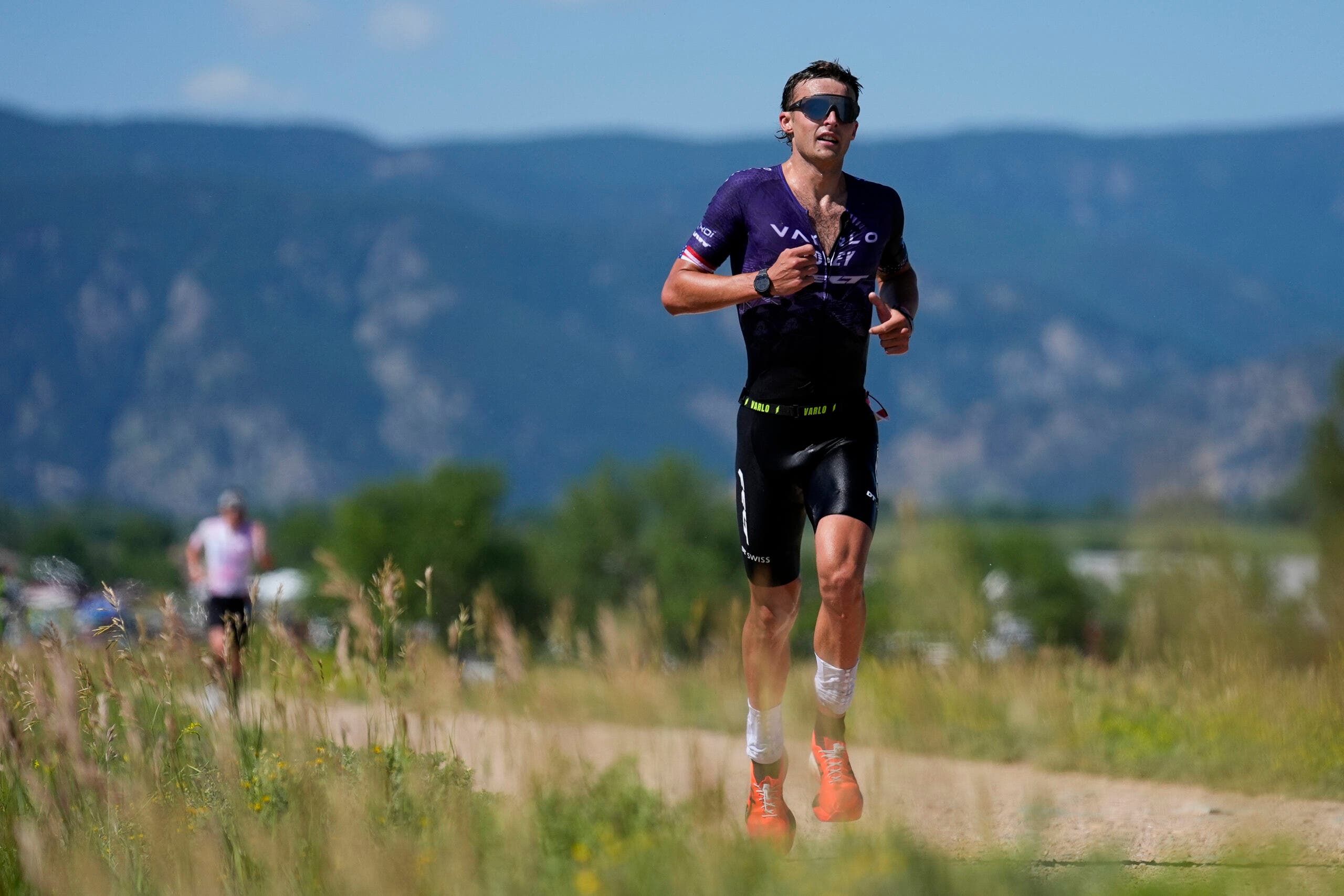
No one in this field knows how to race Lake Placid like Foley: He took the title in 2024, was third in 2025, and holds both the bike course record (4:10:45) and the run course record (2:36:31). What holds his win probability down is his swim. Foley has always started the bike well behind the other race favorites, close to seven minutes behind the quicker swimmers out of the water. Expect him to post the fastest bike split of the day again, even if only by a few minutes, but even a strong bike leg might not be able to fully erase his swim deficit by T2.
But this season, Foley has noticeably closed his swim deficit: He won Ironman New Zealand in March after only losing four minutes in the swim and riding up to the lead group in the first half of the bike. If he exits Mirror Lake closer to the leaders than last year, the race dynamic could change, giving Foley the chance to start the run in a much better position than previously. He arrives in form, with wins at Ironman New Zealand and 70.3 Pennsylvania already this year, and those results have him in strong contention for the Ironman Pro Series, which makes a solid points haul in Lake Placid a goal in its own right.
The case for Foley is simple: On a course decided by evenness across all three legs, he owns two of the three records and has already turned a seven-minute swim hole into a win here once. The case against him is that he may have to do it against a faster runner this time. If his swim really has taken a step forward, he could make Lake Placid closer in T2 than previously, and things could get interesting on the run for him.
Dark Horse 1: Rudy von Berg
32 years old, United States
| Swim | ★★★★ |
| Bike | ★★★★★ |
| Run | ★★ |
| Overall | ★★★★ |
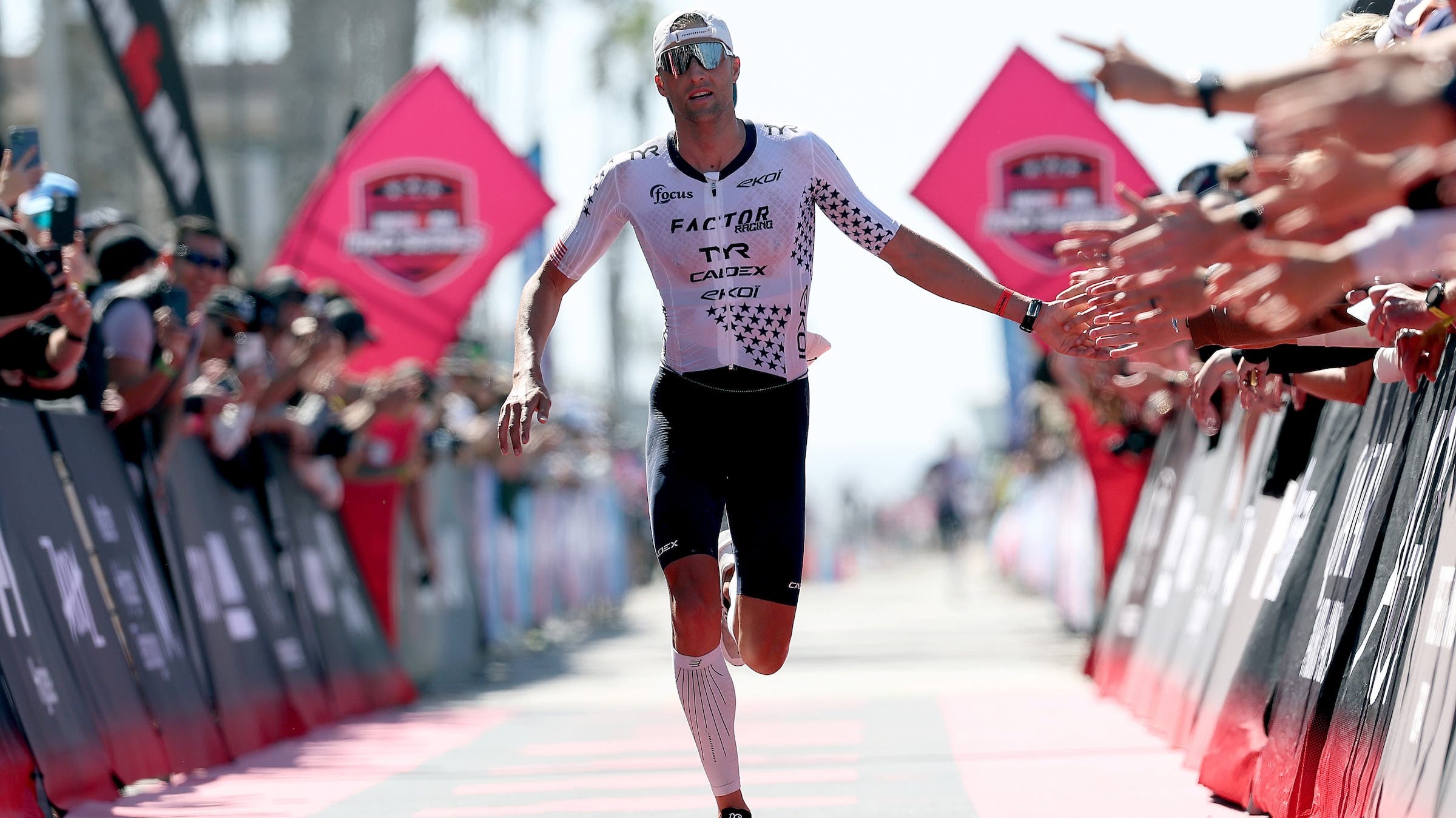
Rudy von Berg is the most consistent man in the field with no obvious weak leg, and also the one still waiting for the result that turns consistency into a big win in 2026. His 2026 has been solid without a breakthrough: fifth at Ironman Texas, enough for a Kona slot, and a run of top-10 70.3 finishes since. He is now working with coach Ben Reszel, but the signature performance hasn’t yet arrived. Lake Placid is new ground for him, and a course that rewards all-round balance over any single weapon should suit an athlete built exactly that way. A podium here, against this field, would be the confidence builder his season has been missing.
Dark Horse 2: Kristian Høgenhaug
34 years old, Denmark
| Swim | ★★★★ |
| Bike | ★★★★★ |
| Run | ★★ |
| Overall | ★★★★ |
Høgenhaug was runner-up here in 2025 and is the one rider in this field who can turn the bike into a genuine gap rather than a reshuffle. That matters because his run is the softest of the front-runners: Arriving at T2 in a bunch plays into the hands of Van Riel and Foley, not him. His route to the win is to ride away hard enough that a slightly slower marathon is still enough to hold on to the lead. He comes in off an eighth place at Challenge Roth to open his summer campaign, and unlike most of the names around him, he still needs a Kona slot. That makes him the most motivated athlete on the road, and the one most likely to force the race on the bike rather than wait for the run.
Ironman Lake Placid start list: Women’s contenders
The first hour of the women’s race is likely to be dominated by the swim specialists: Lara Hernandez-Tome of Spain is probably the first athlete into T1, but the front of the water won’t be the front of the race for long. After that, the women’s race is likely to develop in a different way than the men’s.
Where the men’s day compresses before T2 and builds toward a running contest, the women’s race is likely to split in the swim and on the bike, and gaps built there will have to be defended on the run. Lisa Perterer is the main reason: She’s expected to reach T2 a few minutes up on the other favorites, likely without one truly dominant leg, before running a marathon that is only marginally slower than the women chasing her. She’s the favorite to win this race by controlling the first two legs and then refusing to hand back much time on the run.
The fastest runner in the field is Jewett. She holds the run course record, a 2:40 set here last year, and could be more than fifteen minutes quicker than Perterer. The problem is where she starts the marathon: Her swim and bike leave her into T2 possibly twenty minutes down, a hole that even the best runner in the race couldn’t recover from. Jewett is the reason to keep watching the gaps further behind, but the arithmetic is unforgiving, and even a crazy-fast run won’t erase a big T2 deficit.
In between, are two other interesting athletes. Sanchez was third in 2025 and owns the women’s bike course record. She may race aggressively again, trying to extend a small swim gap to Perterer on the bike. But will she be able to bike and run well in Lake Placid? American Chelsea Sodaro is the bigger name, but also the bigger gamble because her performances vary wildly. On a good day she has the run to trouble Perterer; on a bad one she is out of the podium picture entirely.
Canada’s Paula Findlay is the wild card that’s hard to predict. Lake Placid will be her first Ironman, so any expectations have to be built off her stellar half-distance results. She can be expected to be close to the front and in the Kona slots for most of the day, but can she pace well enough to still hold on strong in the final hour on the bike and on the run?
One thread runs underneath all of it: how freely each woman can afford to race. Perterer, Sanchez, and Jewett arrive already qualified for Kona, so their day is about the win, Pro Series points, and sharpening for October — rather than survival. Sodaro carries a different calculation as her automatic qualifier slot still needs a finish to validate, which makes a blow-up costlier for her than for anyone ahead of her, and Findlay is here chasing a slot outright. Another athlete who is already qualified is Australian Grace Thek, who is steady across all three legs. If the favorites run into problems, she could be there to run by them with her proven staying power. The qualified athletes can race freely and might gamble a bit; the two who cannot have every reason to race with one eye on simply getting to the line.
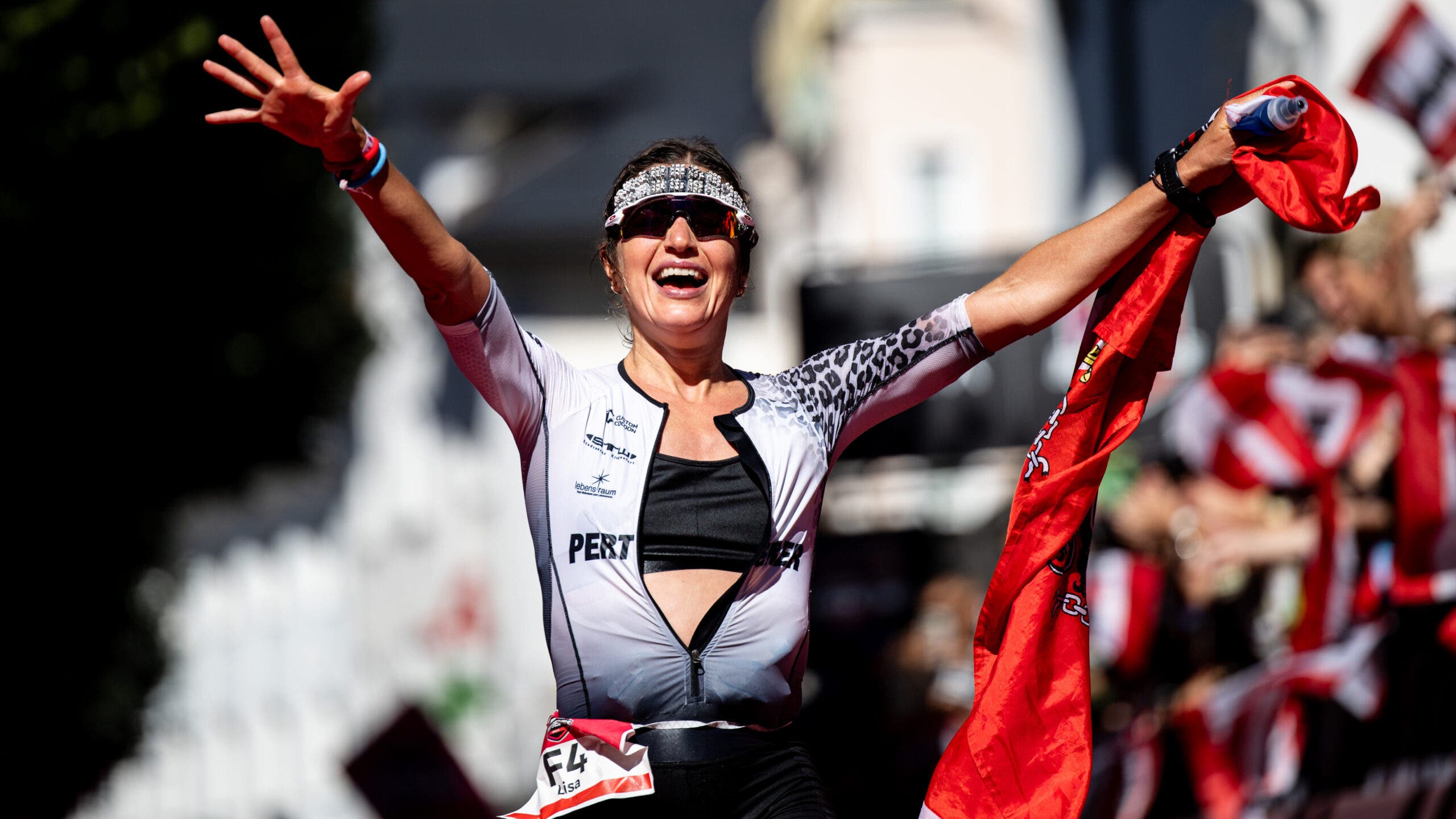
Lisa Perterer
34 years old, Austria
| Swim | ★★★ |
| Bike | ★★★★★ |
| Run | ★★★ |
| Overall | ★★★★★ |
| Winning Odds | 45% (1 to 1) |
Perterer was the runner-up here in 2025, and this year she might go one better: a good swim, a strong bike, and a reliable marathon — exactly the all-round profile this course rewards, with no one behind her carrying both the form and the consistency to match it. On paper, there’s a strong case for her to reach T2 ahead of everyone and defend from there. What the paper doesn’t show is the complication.
A three-time Olympian with a competitive-swimming background, Perterer made her long-distance breakthrough in 2025: Ironman podiums in Texas and Lake Placid; fifth place in Kona; followed by a win in Cozumel. However, these results were accompanied by undiagnosed pain, and late in 2025 she was told that she had iliac artery endofibrosis, a vascular condition that had unbalanced her on the bike and limited her run for more than two seasons. She chose surgery, and 2026 has been a patient rebuild: a Texas start lost to a race-morning fever, a bitterly cold 70.3 Aix that revealed little, and then Hamburg, where a fifth place was good enough to secure her Kona slot. That result is the first real sign the repaired legs are coming together — but it was a fifth, not a win or a podium, and her top form is trending, but not yet fully confirmed.
So Lake Placid asks a straightforward question of a complicated situation. The course suits her, the field opens the door, and her Kona place is already banked, which frees her to race for a strong performance and the win without a slot to protect. We won’t know until the gun whether the legs that carried her to second place here in 2025 can do it again in 2026.
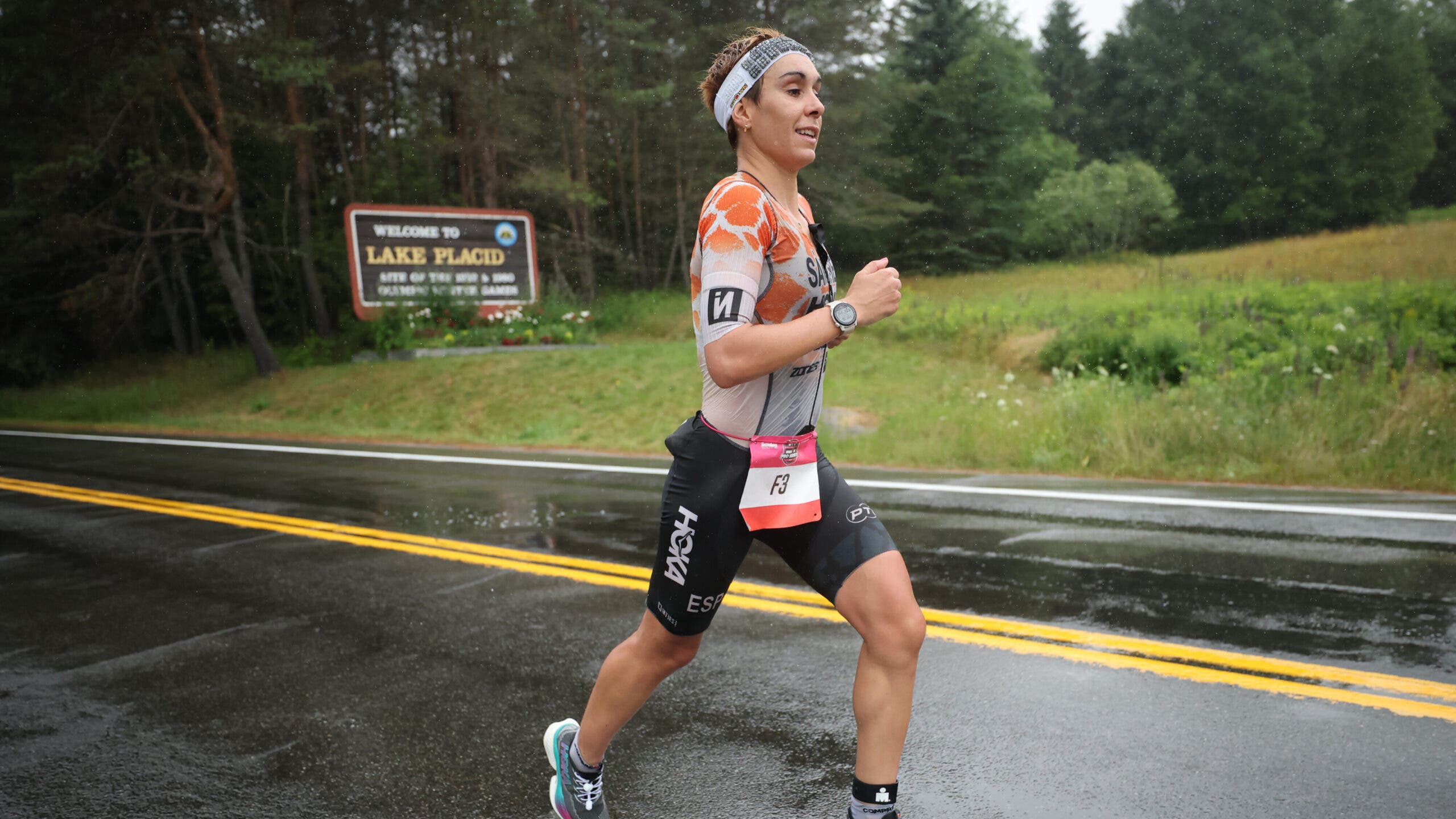
Marta Sanchez
31 years old, Spain
| Swim | ★★★★ |
| Bike | ★★★★ |
| Run | ★★★ |
| Overall | ★★★★ |
| Winning Odds | 25% (3 to 1) |
Sanchez is the biggest challenger to Perterer, and the one athlete here with a weapon that can take the race away from the favorite. She was third in Lake Placid in 2025 and set the women’s bike course record that day, a 4:51:25. While Perterer is first into T2 on all-round balance, Sanchez gets there on bike power, and that difference is the most interesting tactical question in the women’s race.
Her 2026 has built quietly and well. A sixth at 70.3 Oceanside was followed by a strong third place at Ironman Texas, where she led the bike out of T1 before the bigger names came past. Closing with a sub-three marathon, she held on for the final podium spot. Most recently, a fifth at 70.3 Elsinore in late June was a final sharpener before Lake Placid. Her Kona slot is secured, so like Perterer she arrives free to race for the win rather than a place.
The race turns on how Sanchez approaches the bike leg. She owns the fastest split ever ridden here; if she chooses to use it as a weapon, she can try to turn the bike leg into a gap that Perterer’s steadier run profile might struggle to reel back. The safer option is to ride within herself and trust her overall consistency — but that likely plays into Perterer’s hands, since it was Perterer’s balance that edged the podium order in 2025. Sanchez has the tool to dictate this race. Whether she reaches for it, knowing the risk it carries into her own marathon, is what makes her more than a steady second.
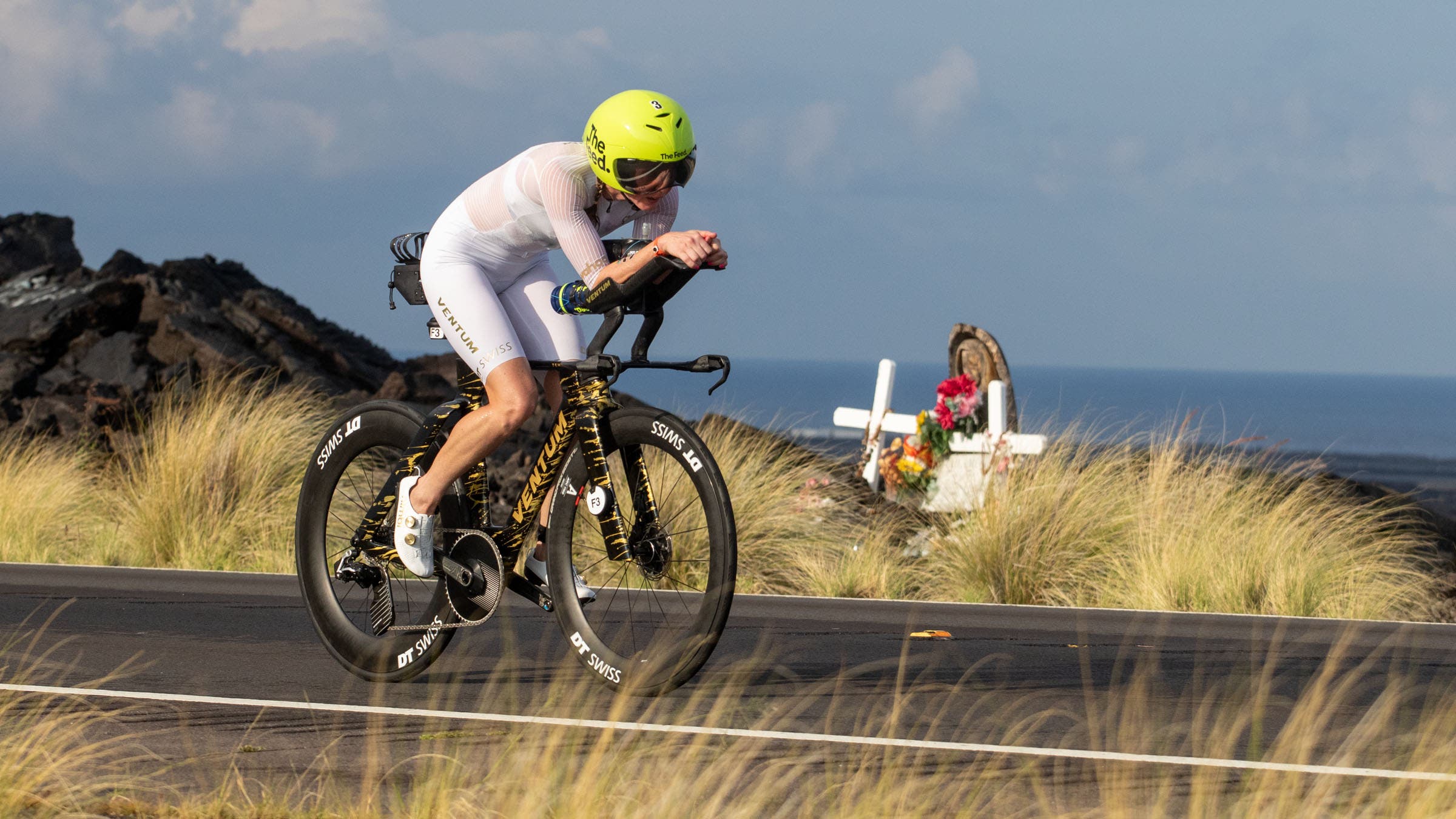
Chelsea Sodaro
37 years old, United States
| Swim | ★★★★ |
| Bike | ★★★★ |
| Run | ★★★★ |
| Overall | ★★★★ |
| Winning Odds | 10% (9 to 1) |
Sodaro is the biggest name in the women’s field and the hardest to predict. She won the Ironman World Championship in 2022, the first American woman to take the Kona title in a generation, and she has the run pedigree of exactly the kind of athlete who wins on a course like Kona and Lake Placid. What she hasn’t done in a while is put together a complete Ironman.
Her last result against a genuinely top field came at the 2024 World Championship in Nice, where she finished third. Since then the picture has been murkier. Her 2025 brought three podiums: second at 70.3 Eagleman, second at 70.3 Pennsylvania, then third at Ironman Kalmar to validate her Kona slot. But these were against modest fields, and her one appearance among the sport’s best unraveled in Kona: a strong swim into the front chase group, then stomach trouble on the bike, and a withdrawal before Hawi. The speed is clearly still there, but showing it on the full distance against a field this deep is what she hasn’t done in nearly two years.
Then came the surgery. Early this year Sodaro had a bone removed from her ankle and was only cleared to start running again in late April. She comes to Lake Placid on a shortened build without any 2026 racing. By her own account, the swimming and cycling are back, but the run leg that decides this course is the piece no one has seen yet.
On a good day she has the run to trouble Perterer at the front — the pedigree of a world champion doesn’t disappear over a hard eighteen months, and on talent alone she belongs above everyone here. Whether the ankle and the compressed build let her reach that level by July is the question, and unlike her rivals she arrives with no 2026 result to answer it. Her automatic Kona slot also still needs a finish to validate, giving her more reason than anyone to get to the line conservatively rather than gamble on it.
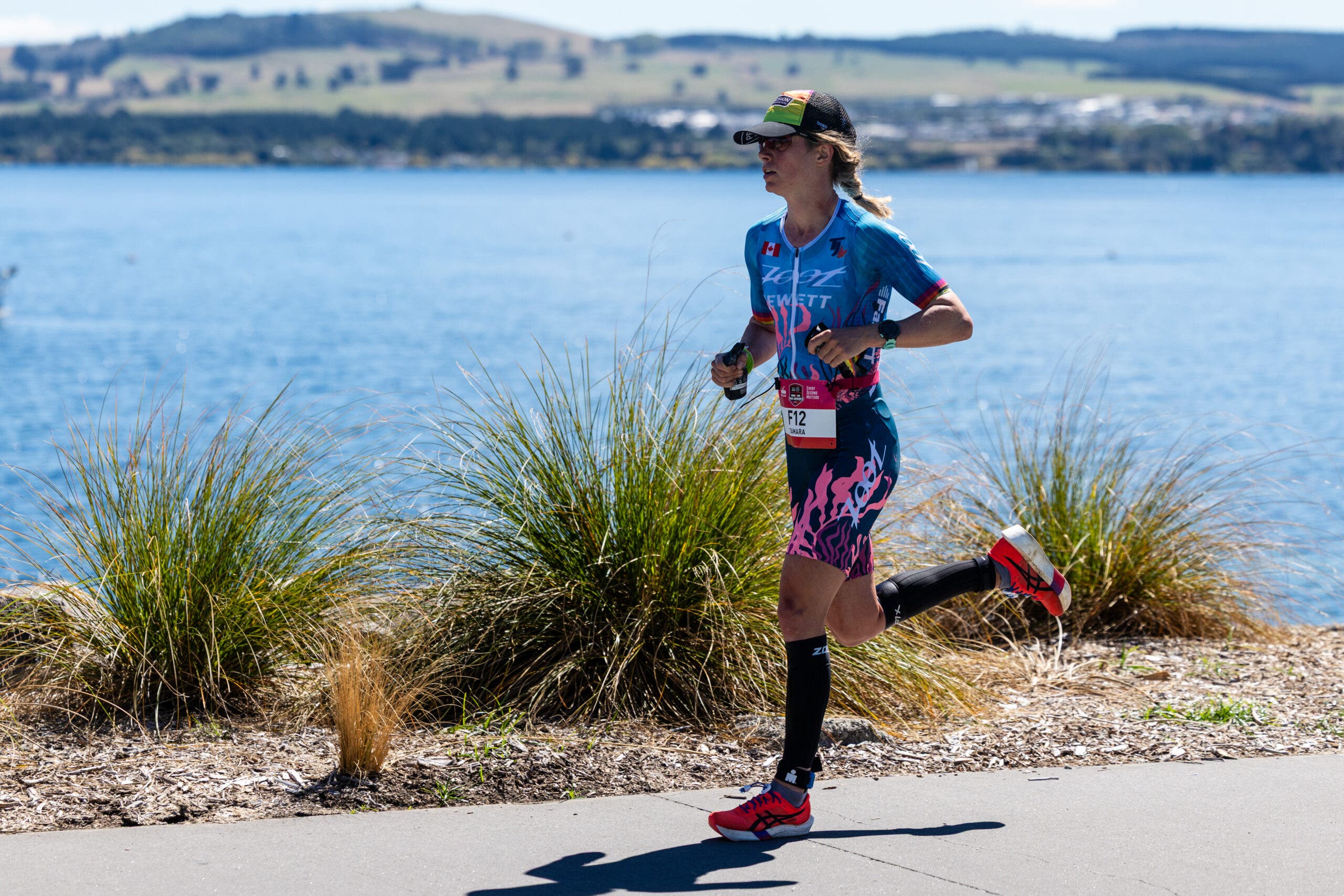
Dark Horse 1: Tamara Jewett
36 years old, Canada
| Swim | ★★ |
| Bike | ★★ |
| Run | ★★★★★ |
| Overall | ★★★ |
Jewett owns the fastest run this course has seen, a 2:40:05 last year that reset the women’s record. She is a clear illustration of the theme of this race: That record run came while she still finished off the podium, because her swim and bike left her too far back to use it. Nothing has changed her pattern in 2026: a fourth at Ironman New Zealand, where she again ran a course record, but again couldn’t climb onto the podium, plus a sixth at 70.3 Pennsylvania. If she reaches T2 within 10 minutes of the leaders, no one in the field is likely to withstand her marathon. The arithmetic says she will be further back, but her run says to never quite count her out.
Dark Horse 2: Paula Findlay
37 years old, Canada
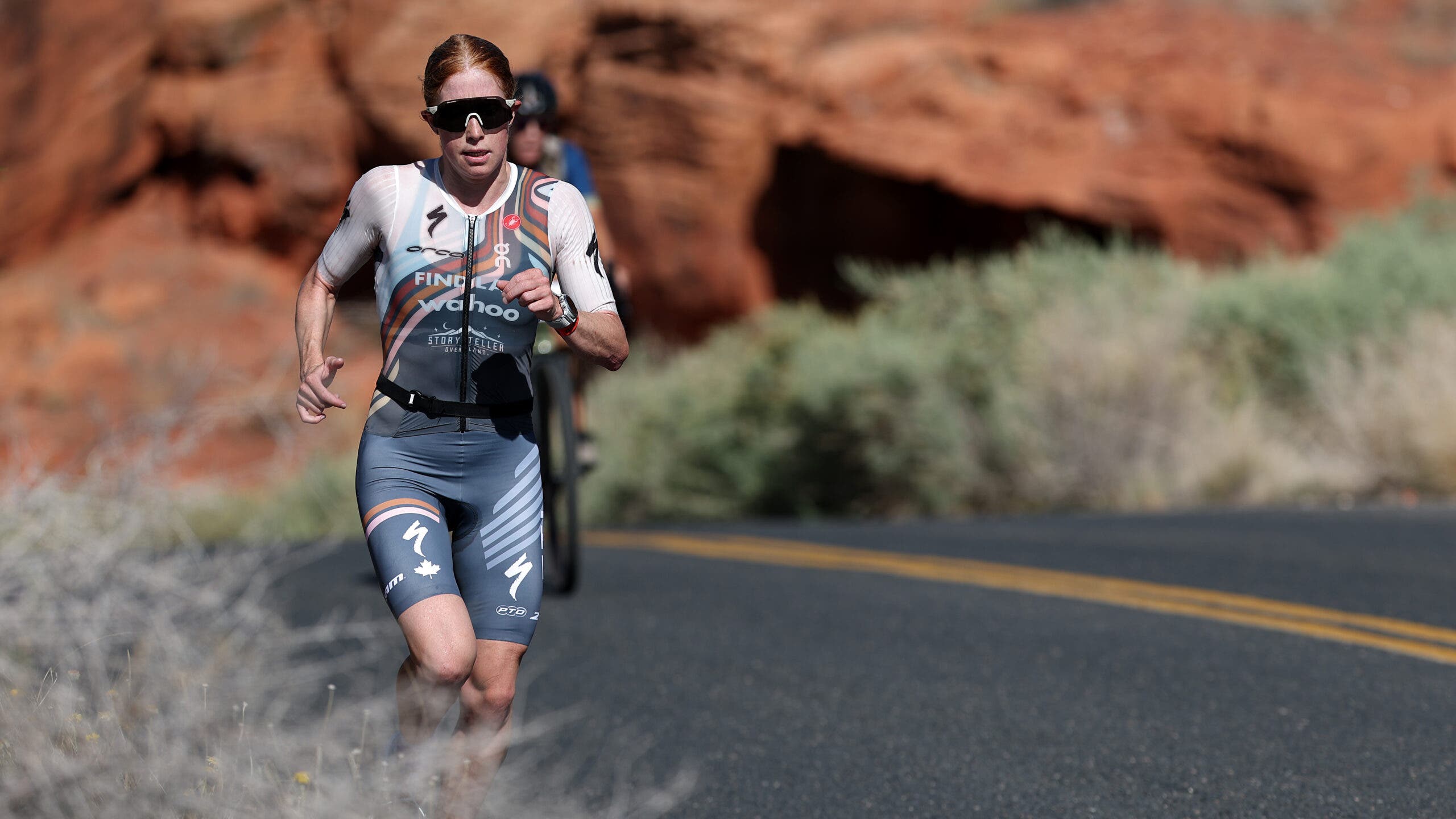
| Swim | ★★★ |
| Bike | ★★★ |
| Run | ★★★ |
| Overall | ★★★ |
Paula Findlay is the most intriguing unknown in the field. One of the most accomplished racers on 70.3 and T100 courses, she makes her Ironman debut at Lake Placid after eyeing the move to the full distance for some time. A run niggle wrecked the start of her season, with a DNF at 70.3 Oceanside that also cost her an initially planned Ironman Texas start. But she rebuilt and then took a second at 70.3 Chattanooga in May and then a win at 70.3 Pennsylvania in June. Her speed is unquestioned, but the open question is the same one every half-distance star faces on their first serious Ironman: whether that speed survives another seventy miles and four hours of racing, on a course that punishes anyone who misjudges it. She is here chasing a Kona slot, which is reason enough to find out.



