
SlateStone Wealth chief market strategist Kenny Polcari discusses whether investors are too dependent on AI, Space X’s IPO and his outlook for the markets on ‘Varney & Co.’
Coca-Cola and the IRS are heading to court with $20 billion on the line amid a years-long dispute over the beverage company’s reporting of profits made in the U.S. and overseas.
The soda giant is taking its case to a federal appeals court in Miami as it looks to resolve a tax liability stemming from how Coca-Cola and its foreign subsidiaries disclosed profits from 2007 to 2009 using an accounting practice known as transfer pricing.
The case centers on an agreement between the company and the IRS from 1996 about how the company would report foreign profits, as Coca-Cola’s U.S. corporation licenses its intellectual property – ranging from recipes, brand names and trademarks – to foreign subsidiaries that manufacture concentrates used to make its beverages for foreign markets.
Coca-Cola argues that it structured its operations to comply with the 1996 agreement using a “10-50-50” method that lets foreign suppliers keep 10% of the gross sales, with the U.S. parent company and foreign subsidiary splitting the remaining profits.
COCA-COLA SHUTTING DOWN CALIFORNIA FACILITY AFTER MORE THAN A CENTURY
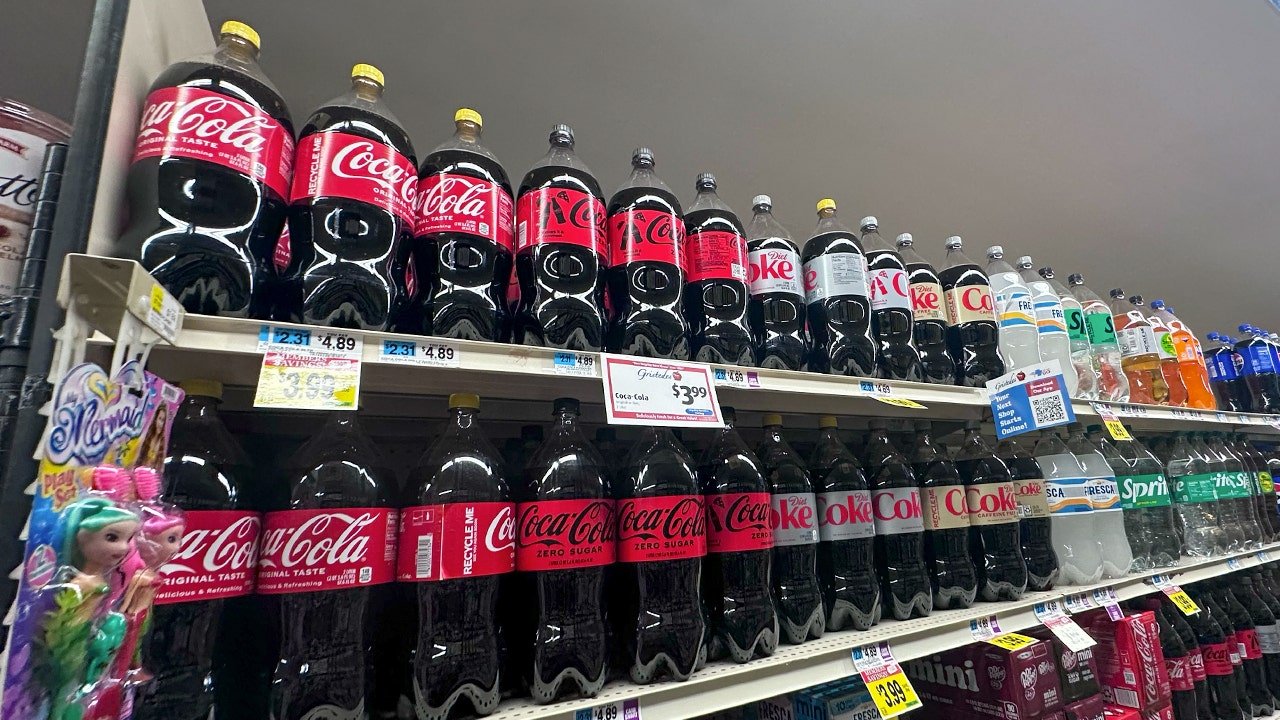
Coca-Cola argues the IRS backtracked on an agreement it reached with the company in 1996. (Rachel Wolf/Fox News Digital)
“Far from seeking to evade its tax obligations, Coca-Cola carefully structured its operations to adhere to a method that the IRS had repeatedly blessed,” the company said in a court filing, per The Wall Street Journal.
The outlet reported that the IRS counters that the 1996 agreement was retroactive to 1987 but didn’t apply to future years, and that it only offered protection from penalties for the use of the 10-50-50 method as opposed to immunity.
The IRS said in its own filing that the “combination of two non-promises does not add up to a promise, as Coca-Cola wishes.”
COCA-COLA’S YELLOW CAPS ARE BACK – WHAT THEY MEAN AND WHY THEY’RE COMPARED TO MEXICAN COKE
| Ticker | Security | Last | Change | Change % |
|---|---|---|---|---|
| KO | THE COCA-COLA CO. | 79.55 | +0.16 | +0.20% |
While the company’s tax filings from 2007 to 2009 were the focus of the IRS’ initial case, Coca-Cola has continued to use the accounting method as the legal dispute has played out.
The IRS prevailed over Coca-Cola in a Tax Court ruling in 2020, which resulted in the company paying $6 billion in taxes and interest as the judge ruled the parent company’s deals with foreign subsidiaries were structured improperly to keep profits overseas in lower tax jurisdictions.
COCA-COLA OFFICIALLY ROLLS OUT CANE SUGAR SODA ACROSS US MARKETS FOLLOWING TRUMP’S URGING: REPORT
The IRS argues Coca-Cola’s international accounting practices were flawed and not approved. (Kayla Bartkowski/Getty Images)
That money could go back to Coca-Cola with interest if the company prevails with its appeal, though it could face an even larger tax bill if it’s defeated in court due to the ongoing use of the tool.
Coca-Cola would owe an estimated $14 billion in taxes and interest for the 2010 through 2025 tax years, bringing the total to $20 billion if it loses its appeal against the IRS.
GET FOX BUSINESS ON THE GO BY CLICKING HERE
The Journal noted that the potential $14 billion liability could cause Coca-Cola to borrow to pay the IRS, as the amount exceeds the cash it has on hand – though analysts have said the company is emphasizing it has the needed liquidity to cover the bill and maintain its dividend for investors.
FOX Business reached out to Coca-Cola and the IRS for comment.



