
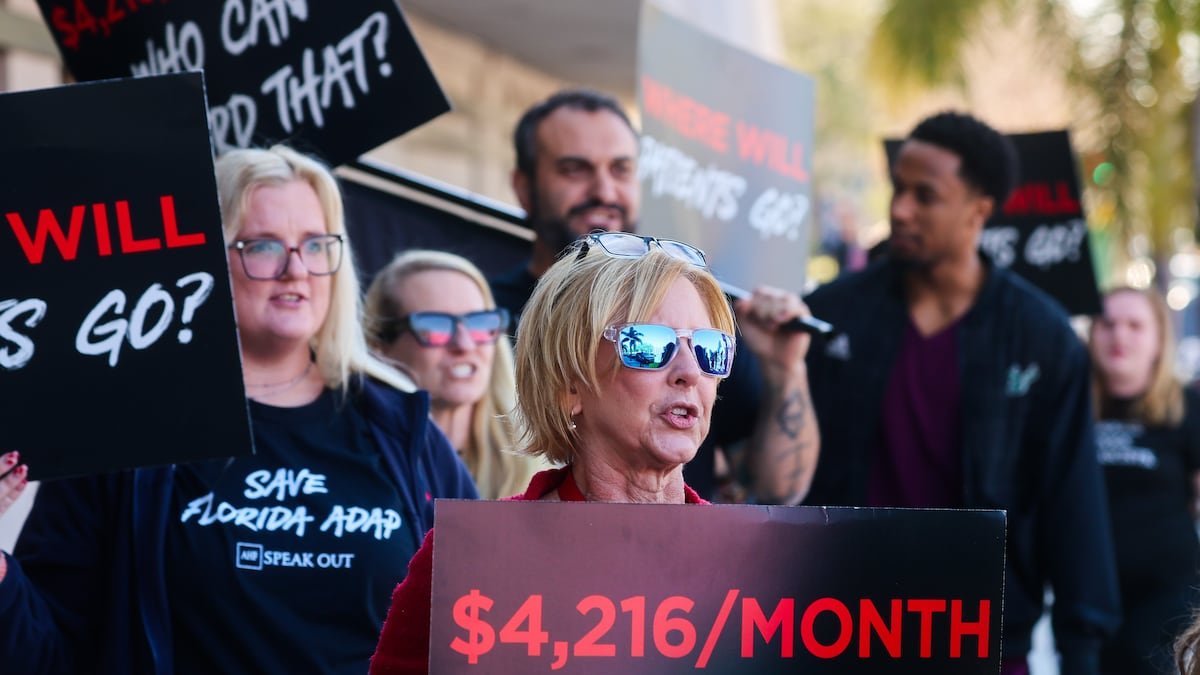
TALLAHASSEE — Lawmakers acted early this year to save a key AIDS drug program from drastic cuts, but a new report from the state released Monday indicates the program remains in peril.
A report by the Florida Department of Health argues the state won’t be able to secure enough funds for the AIDS Drug Assistance Program if it continues to serve people at 400% of the poverty level.
The AIDS Drug Assistance Program, funded by a combination of state money, federal grants and pharmaceutical rebates, has faced cuts and dropped participants since the state said the federal government reduced funds for the program and therefore had to lower the threshold for eligibility.
According to the report, annual pharmaceutical rebates have ranged from $158 million to $200 million. But for the 2026-2027 fiscal year, the state expects to receive only an estimated $62.8 million.
The state says this is because the Legislature expanded the income threshold to 400% of the poverty level, which may “shift participants from insured (rebate-generating) models to direct dispense (non-rebate) models.”
The full impact won’t be known until September, according to the report.
The report comes after lawmakers acted to restore cuts to the program earlier this year.
In January, the Department of Health, citing a $120 million shortfall caused by federal funding cuts, stated they would be dropping the coverage threshold from 400% of the poverty level, a yearly income of $62,600, to 130% of the poverty level, or $20,345 annual pay.
The change resulted in approximately 11,000 HIV-positive Floridians losing access to life-saving medications and care through the program.
The agency also withdrew some of the most popular medications from the list of approved drugs and stopped paying premiums for Affordable Care Act plans in March.
In response, the Legislature passed a stopgap measure, including $31 million to restore cuts to ADAP through June 30, the end of the fiscal year. The measure also included reporting requirements — the department must submit monthly accounting reports about the program to the Legislature.
But the bill did not restore coverage for Biktarvy, the most popular once-a-day pill, and other medications were switched to generic versions.
For the budget for the next fiscal year, which begins July 1, the state set aside $75 million for the AIDS Drug Assistance Program, which falls more than $40 million short of what the Senate wanted to fund the program. The House originally proposed $68 million.
According to the report, the number of people enrolled in the program has grown by 9,000 over the past five years. As of last month, there are 27,757 people enrolled in the program in the state.
By Ana Goñi-Lessan, News Service of Florida



