
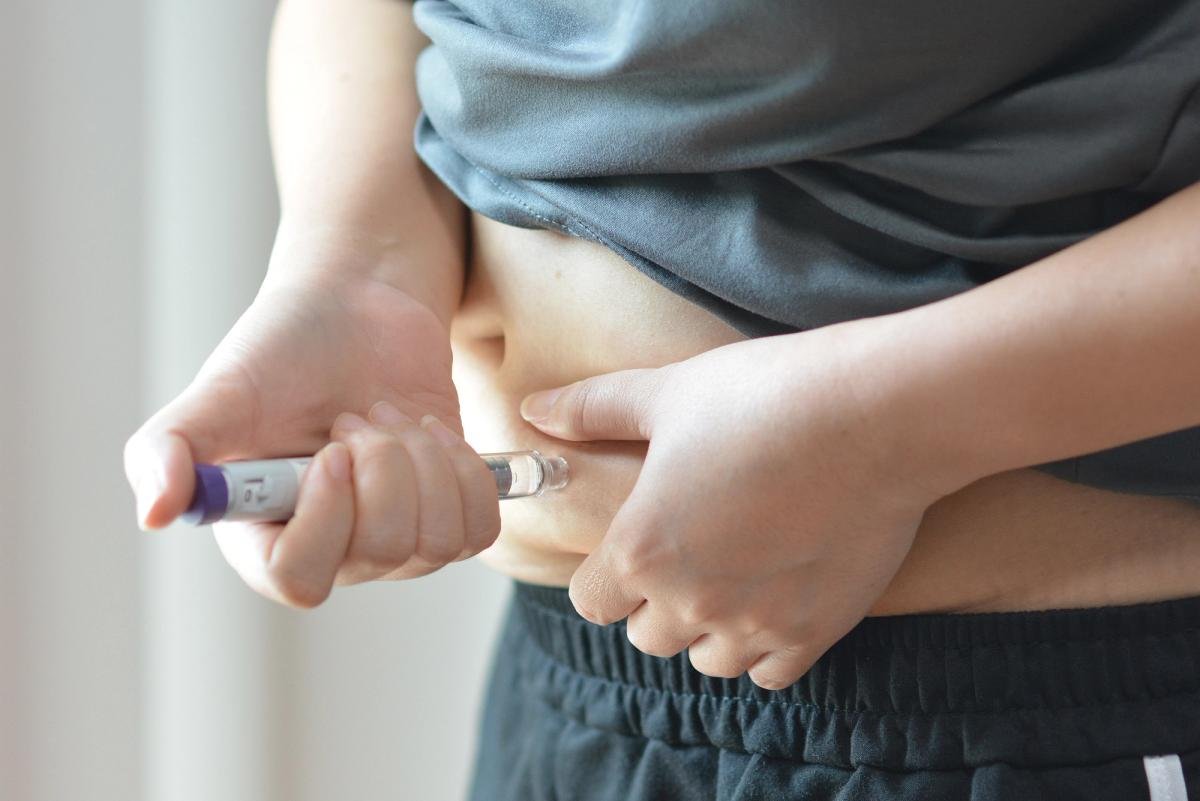
In 2005, the FDA approved exenatide (Byetta; Amylin Pharmaceuticals/Eli Lilly), the first glucagon-like peptide-1 receptor agonist (GLP-1 RA), for the treatment of type 2 diabetes. Exenatide activates the GLP-1 receptor, which is found in the pancreas and brain, helping to regulate blood sugar, appetite, and digestion.1
Over the past 20 years, additional GLP-1–based therapies have been approved, and the class has become a mainstay of type 2 diabetes treatment with a favorable benefit-risk profile compared with many other glucose-lowering medications.2 Because GLP-1 RAs mimic a natural gut hormone that slows digestion, increases feelings of fullness, reduces appetite, and improves insulin function, several have since been approved for weight management in patients with obesity.
Obesity is a difficult chronic condition to treat because of underlying metabolic dysfunction, chronic inflammation, cardiovascular effects, and its relapsing nature. GLP-1 RAs can interrupt the cycle of metabolic dysfunction and inflammation, improve multiple physiological systems, and reduce the risk of obesity-related chronic diseases, offering a more comprehensive approach to obesity than weight loss alone.3
Cardiorenal Outcomes
There is growing interest in the potential cardiorenal benefits of GLP-1 RAs, particularly among people with type 2 diabetes, obesity, chronic kidney disease, or elevated cardiometabolic risk. Several cardiovascular outcomes trials have reported reductions in major adverse cardiovascular events (MACE) with specific agents, including liraglutide, semaglutide, dulaglutide, albiglutide (since withdrawn from the market), and efpeglenatide (an investigational agent not approved by the FDA).4-8 However, the magnitude and consistency of benefit have varied across products and study populations.
In people with overweight or obesity but without diabetes, the SELECT trial found that once-weekly semaglutide reduced the risk of MACE in participants with established cardiovascular disease.9 Renal outcomes are also of increasing interest. Earlier trials reported potential benefits on albuminuria and other kidney-related outcomes, and the dedicated FLOW trial found that semaglutide reduced the risk of a composite kidney outcome in people with type 2 diabetes and chronic kidney disease.10
Nevertheless, these findings should not automatically be generalized to all GLP-1–based therapies or populations. Claims about cardiovascular or renal protection should be tied to the specific product, patient population, end point definition, and trial data supporting them.
Prescribing Considerations
The popularity of GLP-1 RAs for obesity and type 2 diabetes has grown among both patients and health care providers. Providers are concerned about whether patients can balance appropriate use against potential risks, including extreme dietary restriction and excessive weight loss.
One key consideration is preventing over-suppression of appetite and its complications while maintaining a healthy weight and adequate diabetes control.11 Recommendations before prescribing include screening for disordered eating behaviors, monitoring for adverse appetite-related responses, and prescribing cautiously in psychiatric populations.11 Because GLP-1 RAs delay gastric emptying, they may alter the pharmacokinetics of some psychiatric medications, affecting their effectiveness or safety.11
Cost and Coverage
Cost plays a major role in prescribing and affordability. More than adverse effects or age, medication cost is among the clearest predictors of whether a patient feels positive about their treatment.12 Millions of commercially insured people in the United States lack coverage for GLP-1 RAs approved for weight loss, and even with coverage, restrictions such as prior authorization and step therapy add to patient dissatisfaction and out-of-pocket costs.12
List prices for brand-name agents remain above $1,000 per month, but cash-pay options have expanded. Manufacturer direct-to-consumer programs now offer Wegovy (semaglutide; Novo Nordisk) for $349 per month and Zepbound (tirzepatide; Eli Lilly) for $299 to $449 per month depending on dose, with similar prices listed on the federal TrumpRx platform.13 For many low-income patients, these out-of-pocket costs remain out of reach.
For Medicare and Medicaid beneficiaries, CMS introduced the BALANCE (Better Approaches to Lifestyle and Nutrition for Comprehensive hEalth) Model, under which CMS negotiates lower GLP-1 prices with manufacturers on behalf of participating state Medicaid programs and Medicare Part D plans.14,15 The Medicaid component opened in May 2026, with states able to begin participating between May 1, 2026, and January 1, 2027.16