Published August 4, 2026 06:00AM
When the Clifton first came out in 2014, it was revolutionary, providing thick, max cushioning at an extremely light weight (less than eight ounces in a men’s 9). I’ve been testing Cliftons for Outside since the Clifton 5, and in the five iterations since, it’s remained one of the more consistent franchise models. It’s perennially plush underfoot, offers a fantastic weight-to-cushioning ratio, rides smoothly, and is versatile enough to take care of everyone from novice to expert runners. While it’s not known for being particularly bouncy, fun, or super fast, it’s a workhorse focused on comfort.
Now, with its all-new supercritical EVA midsole, the Hoka Clifton Pro aims to shift the narrative from a good-but-dull everyday trainer to something more exciting.
Hoka Clifton Pro: At-a-Glance
Weight: 10.5 oz (men’s); 8.6 oz (women’s)
Stack Height: 42-34 mm (men’s); 38-30 mm (women’s)
Heel-to-toe Drop: 8 mm
Pros and Cons
+ Bouncy and responsive
+ Exceptionally stable for the amount of cushioning
– Slightly heavier than the Clifton 10
– Not very fast and propulsive
Hoka Clifton Pro first impressions
Every so often, I get the opportunity to test a shoe blind, without having seen the specs and pricing. It offers a unique chance to try and figure out how a shoe compares, purely based on how it runs. While I had been briefed on the Hoka Clifton Pro at The Running Event in December 2025, I didn’t remember anything about it by the time I got a wear-test pair this month.
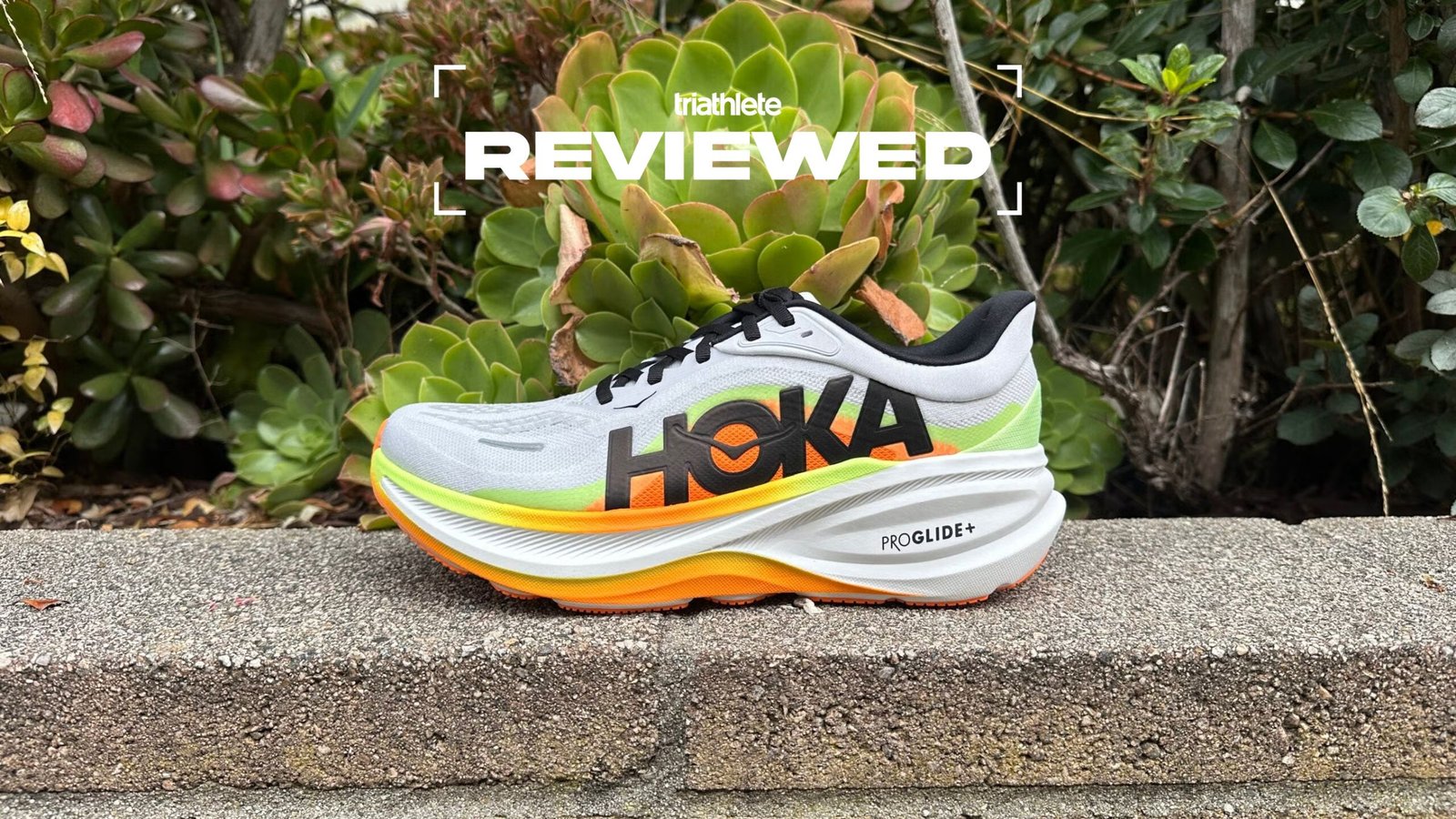
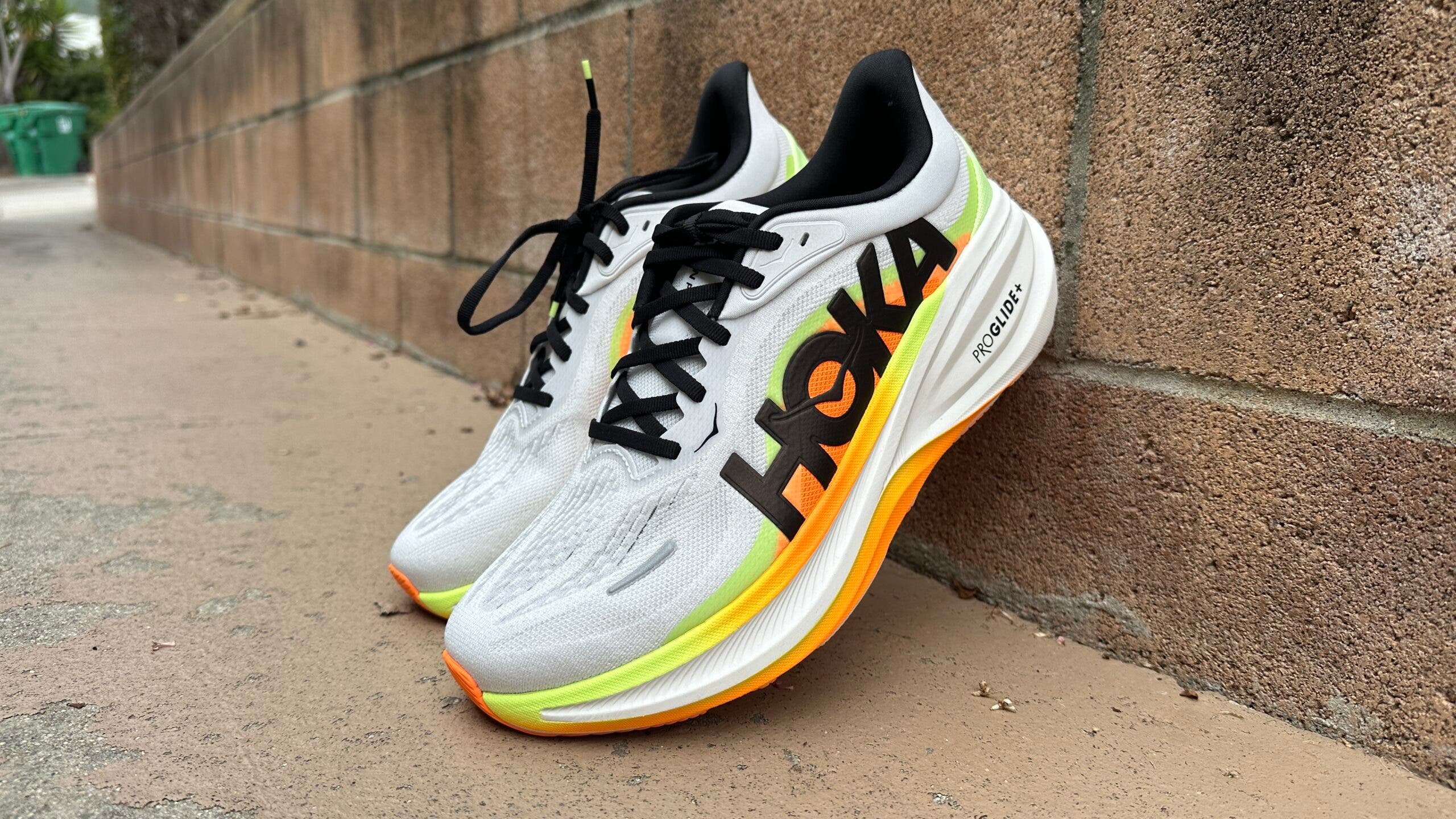
When the Clifton Pro arrived, it looked very similar to the Clifton 10, with a slightly sportier midsole geometry. As I headed out for my first run, the step-in comfort felt identical to the original. The heel collar and tongue are both generously padded.
Historically, I’ve found the Clifton to fit a little tight for my usual men’s size 8.5. On a few occasions, I’ve sized up to a 9. My regular-size Clifton Pro, however, fits perfectly. I had ample room in the toe box, and the laces did a good job of securing the midfoot.
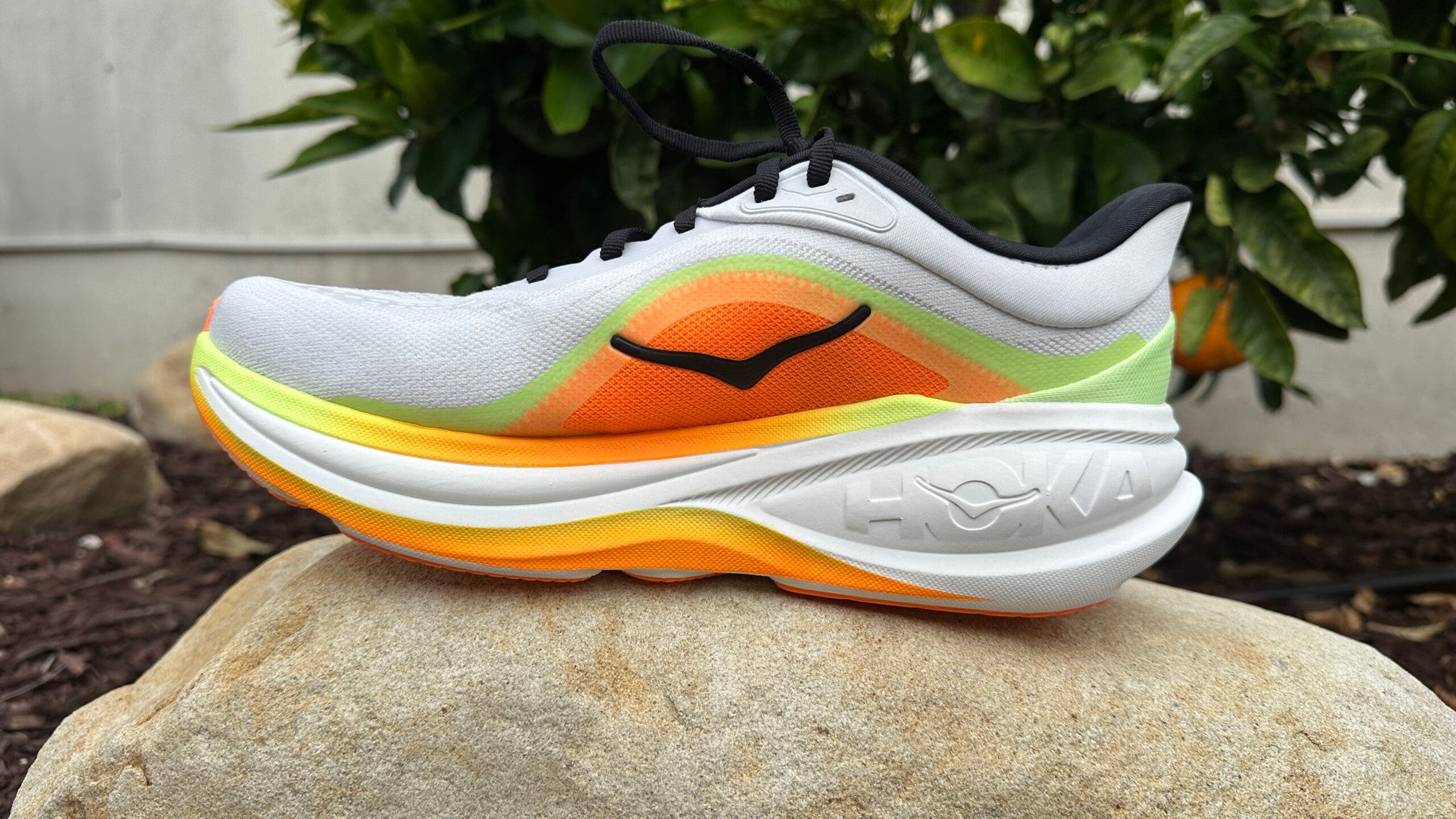
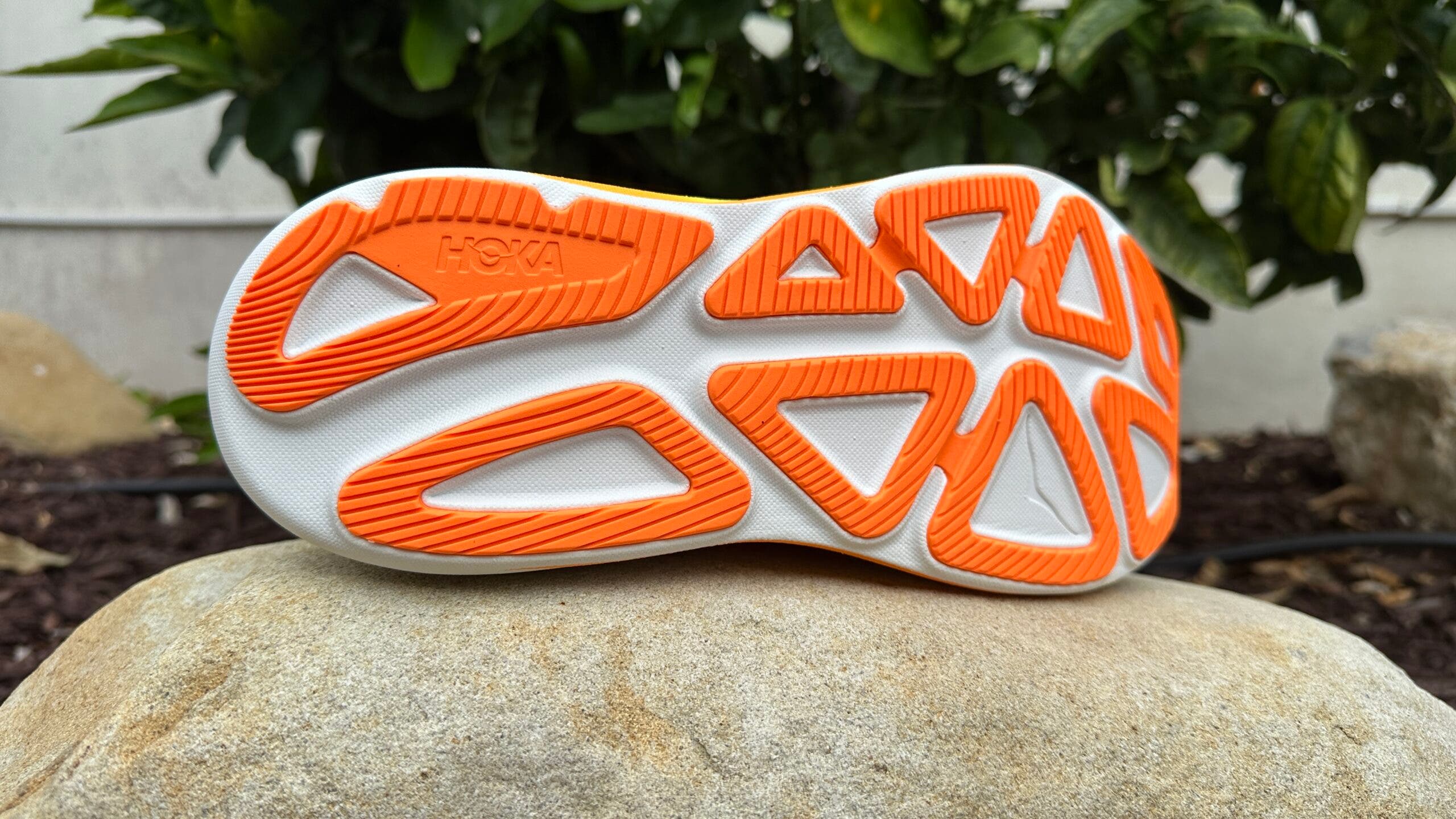
In terms of weight, the Pro felt about the same as the Clifton 10, but the stats show it’s 0.5 ounces heavier on the men’s side and 0.3 ounces heavier on the women’s side. On a racing shoe, 0.5 ounces can be a big deal; for a trainer like the Clifton Pro, I wouldn’t think twice about the extra weight. The difference is likely traced to the Pro’s outsole, which leaves less exposed midsole than the Clifton 10, and should be more durable.
Right away, I could easily tell that it was a thick, max-cushion shoe. Like the Clifton 10, the Pro’s stack height is a hefty 42 millimeters under the heel for men and 38 millimeters for women. Typically, as shoes get taller, they become more unstable; however, the Clifton Pro felt as stable as you’ll find for this amount of cushioning—thanks to Hoka’s wide stance and sidewalls surrounding the heel and midfoot. If you want max cushioning but need a little stability underfoot, this is one of the best shoes you’ll find.
New ride, familiar roll
Almost immediately, I noticed a difference in how the Clifton Pro rode compared to the Clifton: The Pro has much more bounce and responsiveness in the midsole. What I would describe as the dead feeling of the Clifton 10 came back to life in the Clifton Pro.
Hoka has used a new supercritical EVA foam midsole material in the Clifton Pro called PROGLIDE+. If you’re unfamiliar, supercritical foaming is a process in which CO2 or nitrogen is pressurized to a state where it behaves as both a liquid and a gas simultaneously. Then it is injected into a foam and expanded, creating millions of tiny bubbles. The result is a midsole that’s lighter and more energetic than compression-molded foam. In terms of feel, regular EVA is like a memory foam mattress that absorbs and cradles. Supercritical foam is more like a trampoline—it absorbs and then bounces back.
But that’s only part of the ride equation: As most people know, Hoka is known for introducing the now-ubiquitous forefoot rocker, a curved sole meant to promote a smooth rolling motion through your stride as the foot stays flat atop the thick platform.
The Clifton Pro features a slightly more exaggerated heel bevel and a steeper forefoot rocker than the Clifton 10. That said, having tested hundreds of rocker shoes, I’d describe it as a very mild and natural roll. It lets you run at your own pace with your own mechanics rather than feeling forced, and is in no way propulsive.
Sticker shock
Having assessed the fit, ride, weight, and stability, there was only one thing left to discern: the price. Premium foam doesn’t come cheap; it typically adds $25 to $50 to a shoe’s baseline cost. With the Clifton 10 at $155, I figured Hoka would ask around $200 for the Pro. When I checked the specs, I was absolutely shocked—the Clifton Pro is just $165.
I’m left scratching my head over Hoka’s pricing strategy. In my opinion, the Pro is leaps and bounds better than any previous Clifton, and it’s only $10 more. I honestly see no reason to buy the Clifton 10. The Clifton Pro has everything that is great about the Clifton—cushioning, stability, and comfort—and it’s way more fun to run in.
Hoka Clifton Pro: Who it’s for
The Clifton has always been a shoe I recommend to novice and intermediate runners who want stable cushioning. It’s a perfect one-shoe option for these runners, because it’s also very light, so it doesn’t hold you back when you pick up the pace. Outside of being a lot more fun and bouncy, nothing has changed with the Clifton Pro. I would absolutely recommend it to any runner who loves the regular Clifton.
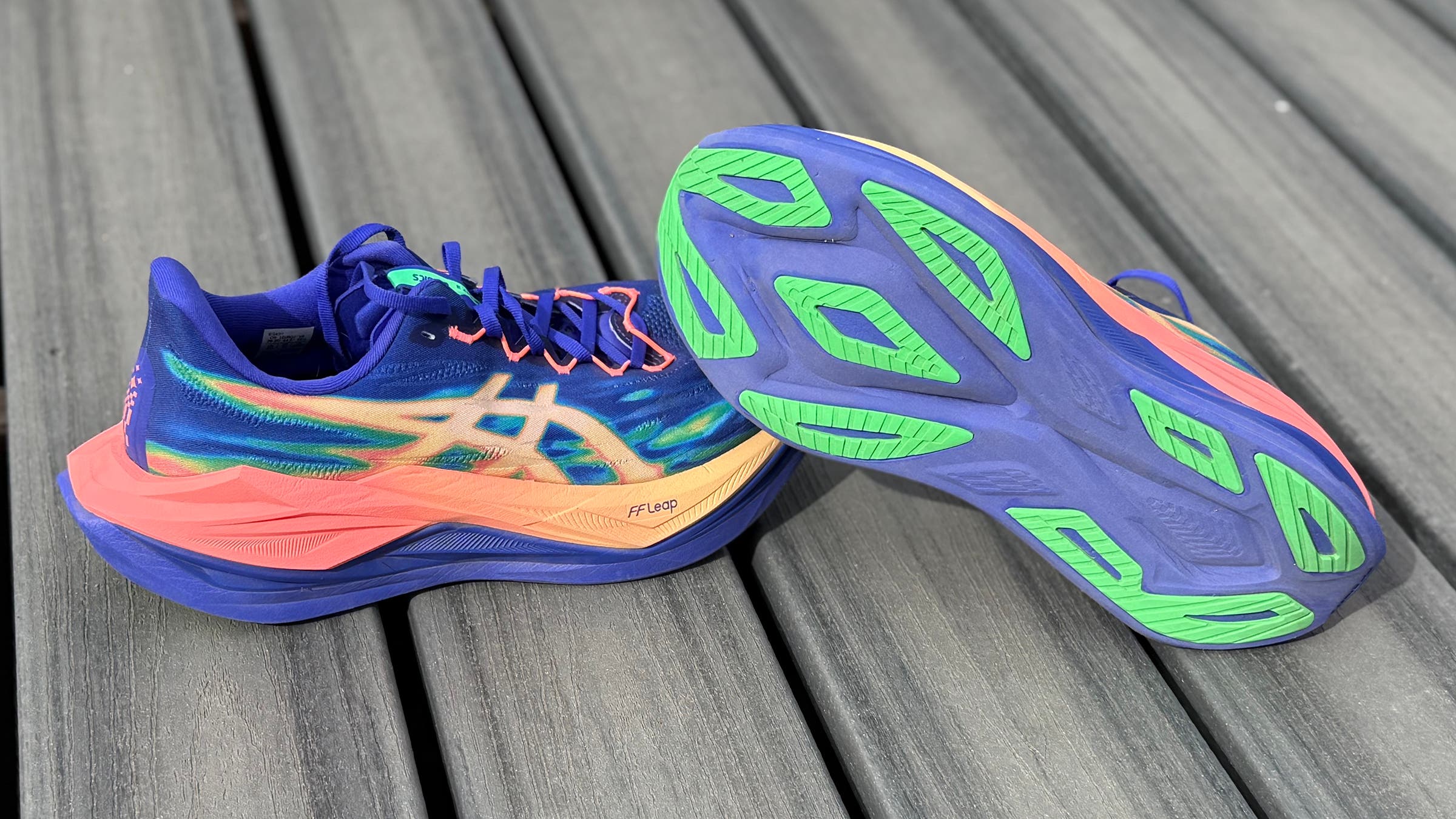
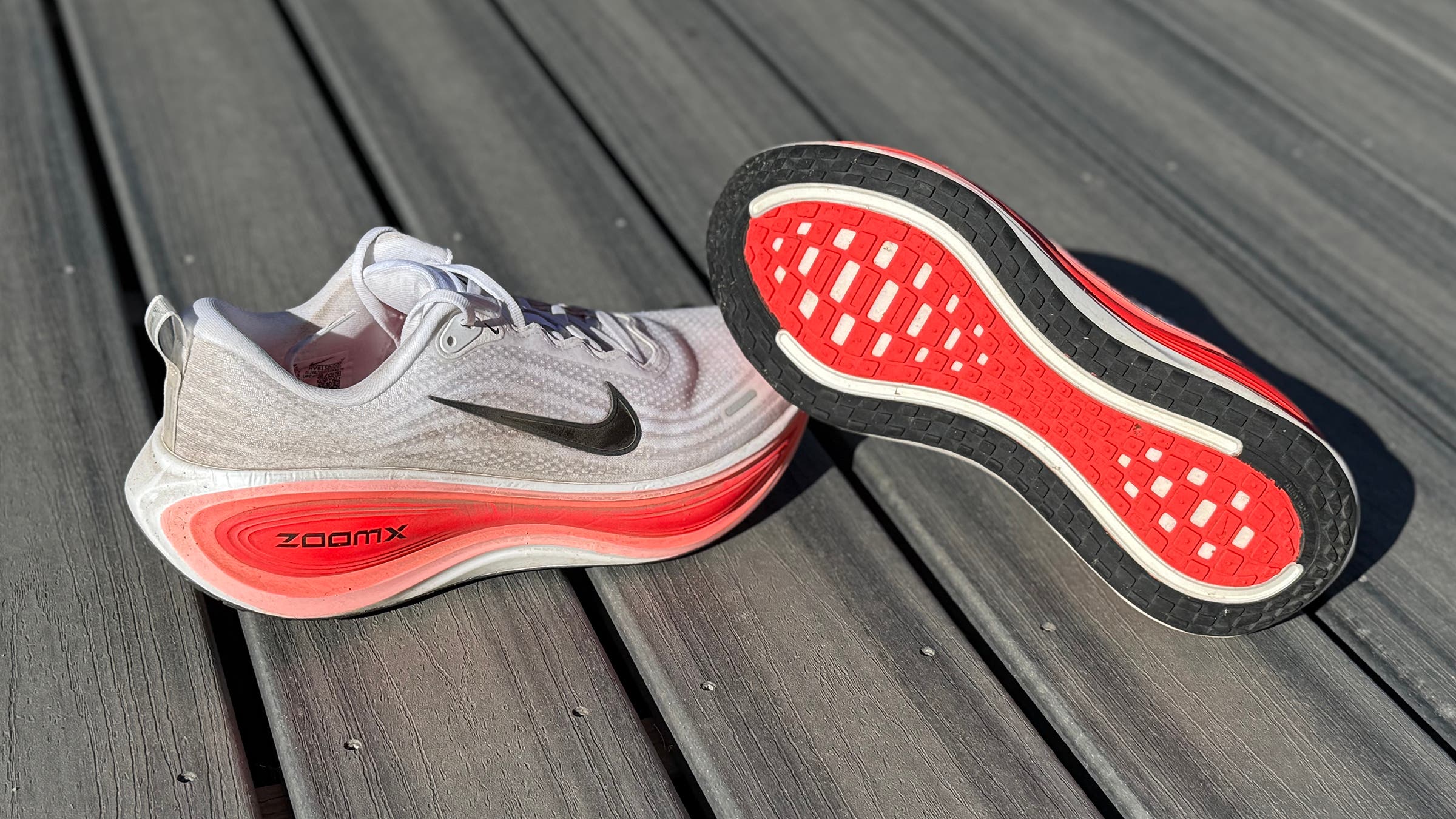
I typically steer more experienced runners looking for a max-cushioned shoe towards the Asics Superblast 3, Nike Vomero Plus, or Adidas Hyperboost Edge. That said, with the addition of the PROGLIDE+ midsole, I’m inclined to add the Clifton Pro to that list for easy recovery runs and long runs. And at $165, it’s $35 cheaper than any of those alternatives.
Similar shoes to the Hoka Clifton Pro
Asics Superblast 3
Nike Vomero Plus