
Updated October 11, 2026 02:05PM
Every triathlete racing the Ironman World Championship has a strategy, whether or not they admit it. Sometimes, their preparation is all about cracking the Kona code; others work on staying on Madame Pele’s good side. But whether the solution to performing well on the Big Island is pragmatism or spiritualism, you’d have thought that after almost 50 years we might have figured it out.
But one thing yesterday’s Ironman World Championship race proved was that – despite analyzing every last nanobyte of data on training, nutrition, race tactics, or psychology – we’re about as close to the right answer as those endurance pioneers were in 1978.
Like it or not, the reputation of this contest was borne of triathletes crawling to the finish line. And like it or not, in the shadow of Julie Moss, we still don’t seem to be able to move beyond that.
We try, of course. More electrolytes, more nutrition, more ice, more ways to cool ourselves. But even if any or all of these things work, they only allow elite performers to turn the dial up just a little bit more: “Oh, so that cooling headband works on the run? Great, I can push harder on the bike.”
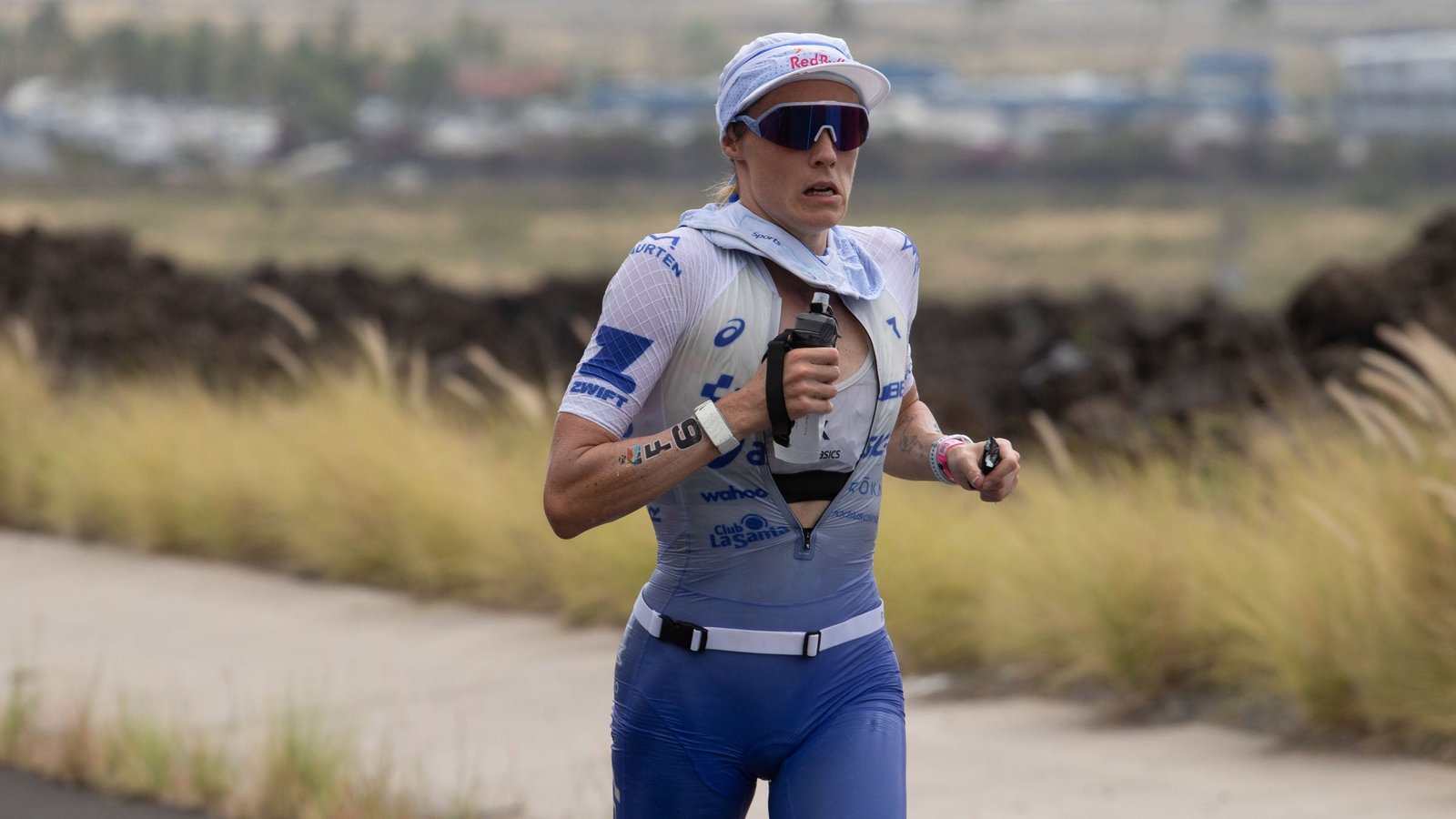
But yesterday’s race wasn’t just chaotic throughout; it was bewildering. Even during the madcap events of the 2025 women’s smack-down, drag-out affair, we could at least hold firm to the modern-day conviction that once you get to the top of Palani Road, you’ll be safe from imploding. As Solveig Løvseth showed us yesterday: not anymore.
The Norwegian only needed to roll through town and it was job done, so she pushed too hard for too long. But did she? It looked as if she had raced as patiently as she had in 2025: mature beyond her years and experience. And for the first 8 hours 28 minutes, it again went perfectly.
And that exact timestamp might be important. Because unlike in 2025, when it marked her crossing the finish line, this time it marked a wobble, which turned to a stumble, which turned to a lengthy lie-down on the asphalt.
Because of the tougher conditions, yesterday’s race was going to take just those few crucial minutes longer, and it proved the difference between back-to-back wins and walking across the finish line half an hour later, with not just the Kona title but also the Ironman Pro Series cash ripped away.
But that’s just one hypothesis. We can all be armchair quarterbacks, but show me the example of the athlete who clearly got their strategy wrong, and I’ll show you an example of an athlete who also got their race strategy wrong, using the exact opposite strategy.
Some athletes planned their whole season around staying fresh for this race; others raced around the world with abandon. Who is right? We still don’t know.
For example, no one was more focused than Lucy Charles-Barclay, who pulled out of defending her Ironman 70.3 world title to pin all her hopes on regaining the Kona crown.
Last year, her race ended in the Natural Energy Lab, and we can be confident her team is as professional as it gets when it comes to pinpointing why and looking to solve it. This year, she pulled out in the Natural Energy Lab, just yards from the same spot.
In contrast, Taylor Knibb, who also had a meltdown last year, won to complete the rare Ironman 70.3 and Ironman World Championship double in the same year. So Knibb got it right, while Charles-Barclay got it wrong?
Maybe, but by Knibb’s own admission, it was also a struggle in the swim, her power was well below par towards the end of the bike leg, and her marathon, at just under three hours, wasn’t quick given her talents. Perhaps Knibb recognized the warning signs and dialed it back earlier, but it’s tough to be certain.
Both athletes have the same coach, Dan Lorang. At least one of his athletes made it to the finish line this year, but there is more analysis to be done, more data to be crunched.
Magnus Ditlev was another with a single-race focus, having only started twice this year and not raced since July. For much of the race, he looked like flying the flag for Denmark as the only Scandinavian country alongside Norway to have won the Ironman World Championship. Until five miles from the finish, when he barely looked capable of making it from one end of an aid station to the other.
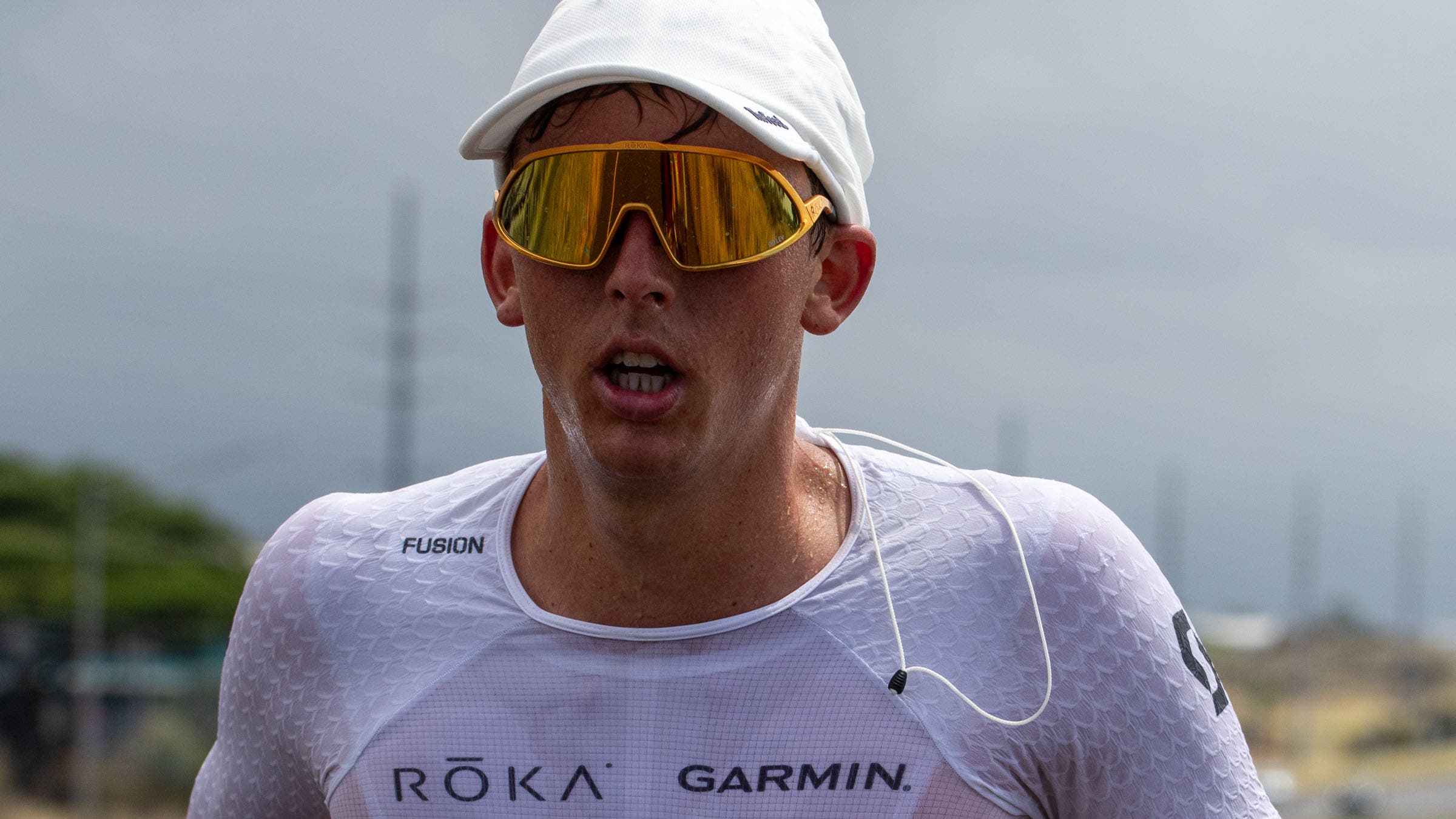
The list goes on. Sam Laidlow dropped out early in the marathon, citing a lack of blood flow to his leg. Kristian Blummenfelt fell away just when he seemed primed to make his move. Patrick Lange is the finest marathon runner and arguably the finest course exponent we’ve seen in Hawaii; his results here far outweigh anything he has achieved elsewhere. His final race ended with cramps in the small town of Hawi, halfway through the bike leg.
As much as there are tales of woe which experience suggests could be avoided, so too are there are success stories which logic says shouldn’t happen.
Laura Philipp, who was in hospital earlier in the year with acute abdominal and back pain, had, against common wisdom, raced herself into form, finishing second and topping the Ironman Pro Series. Yet everyone thought she was supposed to be cooked before she turned up.
Julie Derron walked stretches of the marathon before rallying for third. Kat Matthews had a topsy-turvy race that started with a solid swim, saw her lose 15 minutes on the bike to Taylor Knibb, and then saw her run past more than a dozen athletes to finish fourth.
At least we can say experience counts in Kona. It’s often been beneficial to grab a top three before going on to win. Or can we? Before yesterday, Knibb and Vincent Luis, who had signaled this as his retirement race (and post-race told us that was still very much the plan), had won a grand total of zero Ironmans. So we can park that theory too.
The Ironman World Championship: the race that keeps on giving on the island that keeps on taking, with the unpredictability that keeps us coming back.



