
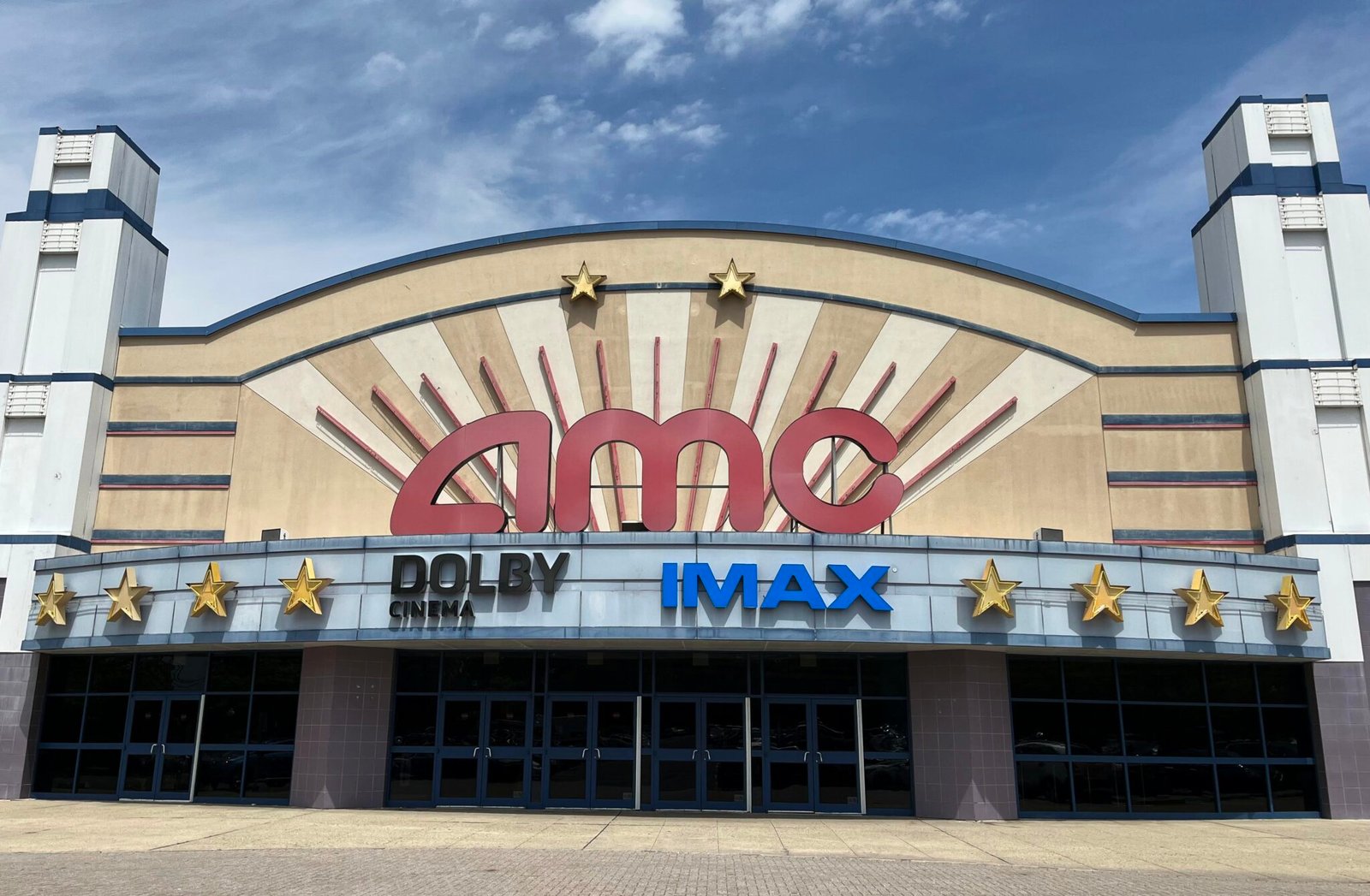
Assembly lawmakers on Thursday advanced a bill that would expand alcohol sales to for-profit movie theaters eight months after lawmakers allowed nonprofit arthouse movie theaters to sell liquor, wine, and beer.
The bill, which was opposed by the two Republican members on the Assembly Oversight, Reform, and Federal Relations Committee, would allow for-profit theaters to purchase retail liquor licenses that would permit them to sell alcohol to patrons during movie screenings and in the hours preceding them.
“For most movie theaters, most liquor licenses, it’s an unattainable investment, and this allows a possible investment while respecting the liquor stores and not infringing on their businesses as well,” said Assemblyman Avi Schnall (D-Ocean).
NJ housing supply is lagging behind population growth
Under the legislation, movie theaters would be able to purchase plenary retail liquor licenses issued by their host municipality for $210,000, subject to the approval of state regulators. That price would drop to $150,000 if at least 10% of alcoholic beverages sold were produced by a New Jersey brewery, winery, or distillery.
But while they share a name, the licenses used by movie theaters would not count against the population-based limit imposed on the type of liquor license used by bars and restaurants.
Municipalities are permitted to issue one retail liquor license for every 3,000 residents, and state law permits municipalities to swap those licenses with their neighbors under some circumstances.
The bill, which has no Senate companion, drew opposition from the New Jersey Licensed Beverage Association, which fears adding new licenses would devalue ones that existing license holders have purchased for hundreds of thousands — or even millions — dollars.
“We think the proper way to proceed would be to actually have them acquire plenary retail consumption licenses,” said Jeff Warsh, a lobbyist for the association. “Many members know there’s approximately 1,300 inactive licenses in this state. One of the reasons why we have so many inactive licenses is because the Legislature keeps making new forms of licenses.”
Though changes then-Gov. Phil Murphy signed into law in 2024 allow inactive liquor licenses to trade between municipalities, the law only allows license trades between towns that share borders. The number of inactive licenses is largely unchanged from 2024.
The concern over devaluing existing licenses is a familiar one, and it’s proven politically potent in the past. These worries torpedoed Murphy’s attempt to phase down then eliminate New Jersey’s population-based limits on liquor licenses.
Since August, nonprofit movie theaters have been able to obtain liquor licenses under a similar framework proposed by the new bill, and the licenses they use are likewise exempt from the state’s population-based limits.
Matthew Greller, a lobbyist for the industry group Cinema United, said for-profit theaters who for years have been buffeted by increased competition from streaming services and lingering slowdowns from the pandemic need alcohol sales to bolster concessions sales that make up most of their revenue.
“Simply put, the current system is not working, which is why we’re asking for this legislation,” he said, adding, “We have a license category in the state already. We’re just, right now, excluding the for-profit movie theaters like Regal Cinemas, who you may have read is trying to emerge from bankruptcy.”
Democratic lawmakers who supported the measure said struggling movie theaters would be unable to afford liquor licenses sold at market rates, which vary wildly based on the host municipality.
“It is a means to keep the movie theaters in business because, as we all know, they have suffered from the pandemic and with streaming services,” said bill sponsor Assemblywoman Maureen Rowan (D-Atlantic). “This license is very limited. It will be another means to get people into the movie theater.”
The liquor licenses the bill would make available cannot be transferred between establishments, and if a movie theater closed, the license would die with it.
Assemblyman Don Guardian (R-Atlantic), who shares a district with Rowan, said he opposed the measure because it would be unfair to movie theaters and others who have already purchased plenary retail licenses.
He argued creating a new liquor license for movie theaters would not boost tax revenue because it would just displace liquor sales by area restaurants. Still, he said, he’s a fan of drinks at the theater.
“When I go to the movies, I go into Ventnor, I enjoy a meal and libations before on the premises, and I’m able to bring my libations into the movie theater,” he said. “Afterwards, I enjoy libations after the movie, and for the record, my husband and I take an Uber home.”
GET THE MORNING HEADLINES.



