
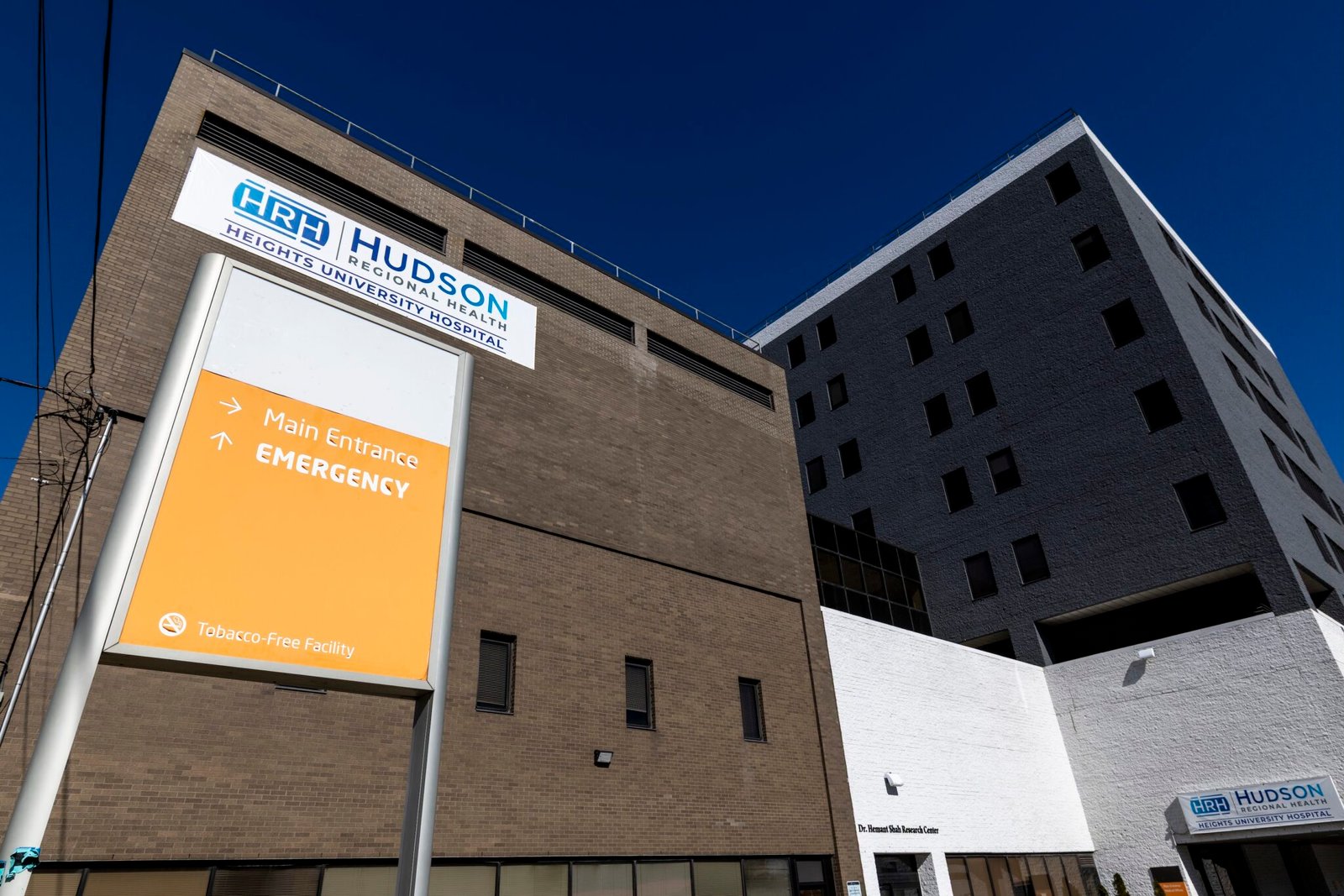
The state health commissioner would have far more power to regulate and significantly fine struggling hospitals in New Jersey under a proposal advancing in the state Assembly in the wake of a Jersey City hospital closure earlier this year.
Democrats who make up the majority of the Assembly Health Infrastructure Committee voted in favor of a bill Monday that would allow the health commissioner to block operations at healthcare facilities that are facing bankruptcy or major regulatory violations.
The bill would also permit the state to ask a court to appoint someone to run the facility if the owners don’t take prompt action to address problems. It would prohibit future hospitals from being developed on land they lease through certain arrangements, and it calls for some regulatory violation penalties to be increased by nearly 50,000%, from $25 to $12,500.
Republicans on the committee abstained, echoing concerns raised by the New Jersey Hospital Association that the bill, introduced June 1, is overly broad and unnecessary, given extensive state regulations already in place. A Senate version of the bill has yet to have a hearing. A similar measure introduced in the Senate in May was also inspired by the Jersey City hospital closure .
Assemblywoman Katie Brennan (D-Hudson) said the shuttering of Heights University Hospital in Jersey City highlights the need for additional state controls. Heights University, long known as Christ Hospital, closed in March in a way the state alleges violates state law. The state Department of Health is now in court with its owners, Hudson Regional Health, with the two sides clashing over the state’s hospital closure process.
Brennan testified Monday that Jersey City is “now considered a healthcare desert.”
“Its closure creates concerns about reduced healthcare access, longer emergency room wait times at neighboring hospitals, increased travel time for patients, and greater strain on the remaining Hudson County healthcare facilities,” she said.
Brennan said Hudson Regional ignored the state’s closure process, depriving Jersey City residents, workers, community leaders, and policymakers of a chance to plan for future healthcare needs. The bill would ensure this process takes place in the future, she said.
But Christine Stearns, representing the hospital association, said New Jersey already has a robust system of acute care oversight and many of the proposed new controls in the bill lack specificity. The association is most concerned about the plan to allow judges to appoint a temporary operator or receiver of a hospital, she said, something that could “destabilize” complex hospital operations and erode the care the state aims to protect.
“Closure of Christ Hospital did raise important questions about hospital oversight, financial stability, and continuity of care. However, one hospital’s experience should not define the regulatory framework for every hospital in New Jersey,” she said.
Hudson Regional Health, which runs three other hospitals in Hudson County — several on sites it leases in ways the bill would prohibit going forward — has insisted Heights University was financially unsustainable without more state support. A spokesman did not immediately return a request for comment on the bill.



