
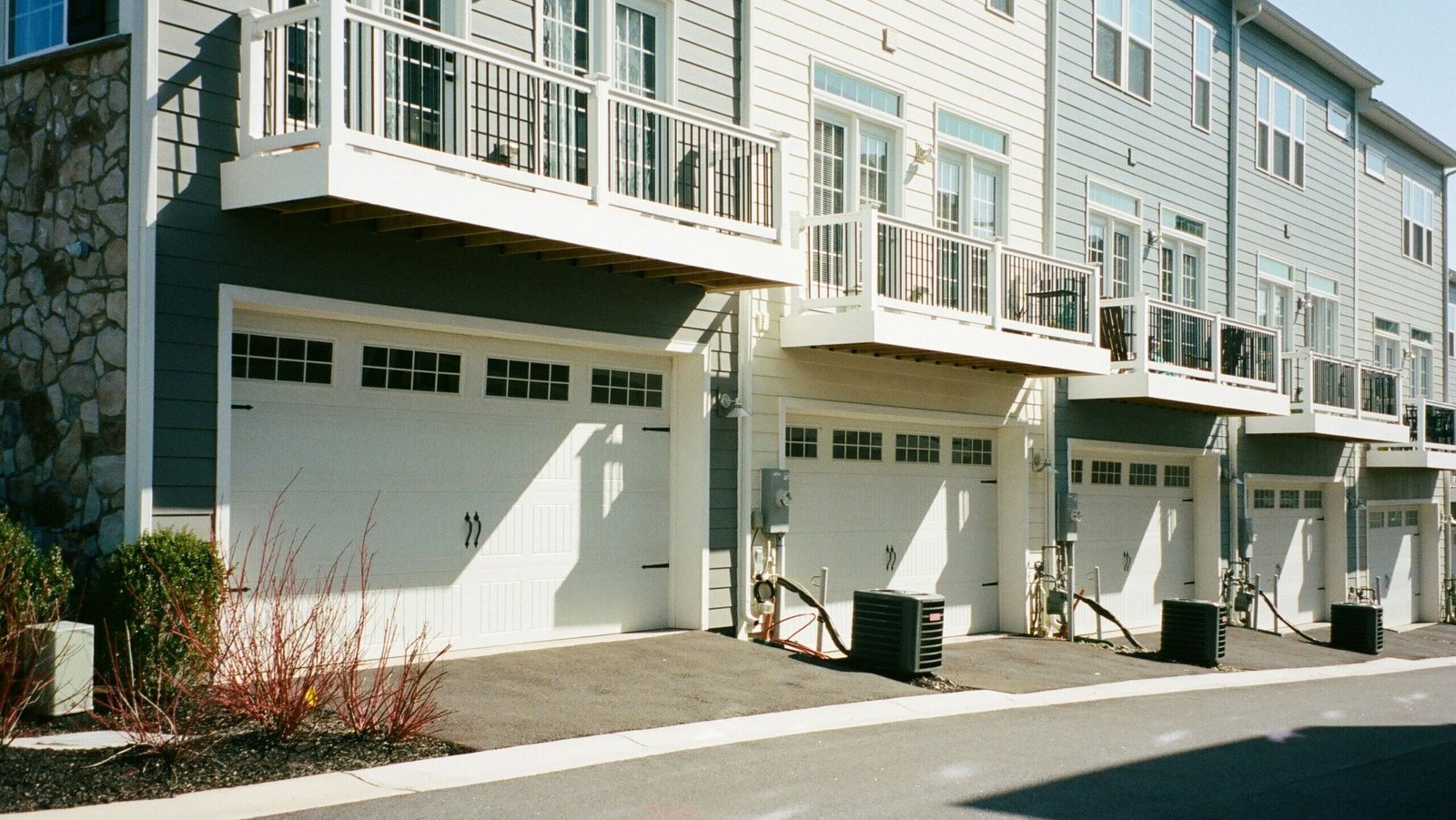
 If you live in a walkup apartment or prewar building on a main street or downtown somewhere in New Jersey, chances are your home would be illegal to build today.
Outdated requirements for multiple stairwells, parking spaces and minimum lot sizes are just a few of the many ways that we’ve made it against the law to build the neighborhoods and homes that people love most.
This is true for the classic brownstones and mixed-use buildings in Jersey City and Hoboken, along with most of the older multifamily housing stock across the state, from Somerville to Collingswood.
It’s a big reason why housing is so expensive in New Jersey. A patchwork of state laws, agency rules, zoning and building codes and permitting stipulations make it nearly impossible to build the types of naturally affordable homes where working- and middle-class have livedfor generations.
Good intentions
Many of these laws were well-intentioned. They’ve led, though, to a growing housing shortage and a warped market where high-rise luxury buildings are almost the only homes that are built.

The median home price in our state is now more than $500,000, rents are up by at least 10% and roughly half of renters spend more than 30% of their incomes on housing. Too many families are getting priced out of the communities where they grew up.
Gov. Mikie Sherrill is moving to change that. Her April executive order on housing production is the first real signal that the state understands the scale of the housing crisis we’re facing.
The order directs every relevant state agency to do something that Trenton has been bad at for decades: coordinating behind a shared goal.
Agencies have to identify all of the regulations slowing construction, inventory underused state-owned land that can be developed and devise a plan to accelerate housing production and boost access to affordable homes.
That kind of whole-of-government push is the only way to address the housing crisis.
In 15 years working in housing before I joined the Assembly — including at the agency that finances most of the affordable housing built in the state — I’ve watched approved projects sit for years bouncing between boards and agencies with conflicting requirements and duplicative reviews. Every delay meant fewer homes built, and it often made construction more expensive than projected.
Unnecessary costs
A serious housing plan has to fix that.

That means allowing “by-right” approvals so new housing can’t be delayed by discretionary hearings or politicized votes if the project follows the zoning and building codes. It means reforming the building code to allow single-staircase buildings up to six stories, the standard in most of the world and the way much of our older housing was built. It means ending parking minimums that add tens of thousands of dollars to every new unit. And it means legalizing accessory dwelling units so people can build small multifamily homes in neighborhoods that are locked into single-family zoning.
These are the rules we used to have, and they’re the types of reforms being adopted by red and blue states alike to bring down housing costs. The longer we wait to act, the more we’ll all pay through higher rents and home prices.
Of course, supply isn’t the only solution to the housing crisis. Renters still need strong protections, corporate landlords need accountability and the state must fund new affordable housing. But none of those reforms work at scale if we don’t also build more homes. You cannot protect tenants in apartments that do not exist.
Sherrill’s executive order is a great start toward addressing New Jersey’s housing crisis, and the Legislature must be ready to do its part.
Because if we want homes that working people can afford, we have to stop making them illegal to build.



