
 New Jersey’s tax collection forecast has brightened in recent weeks, bolstering Gov. Mikie Sherrill’s push to reduce a structural budget gap that she says threatens the state’s long-term financial sustainability.
Sherrill’s state treasurer delivered a formal revenue update to lawmakers on Tuesday, along with the final draft of the governor’s $60.7 billion proposed spending plan for the fiscal year that begins July 1.

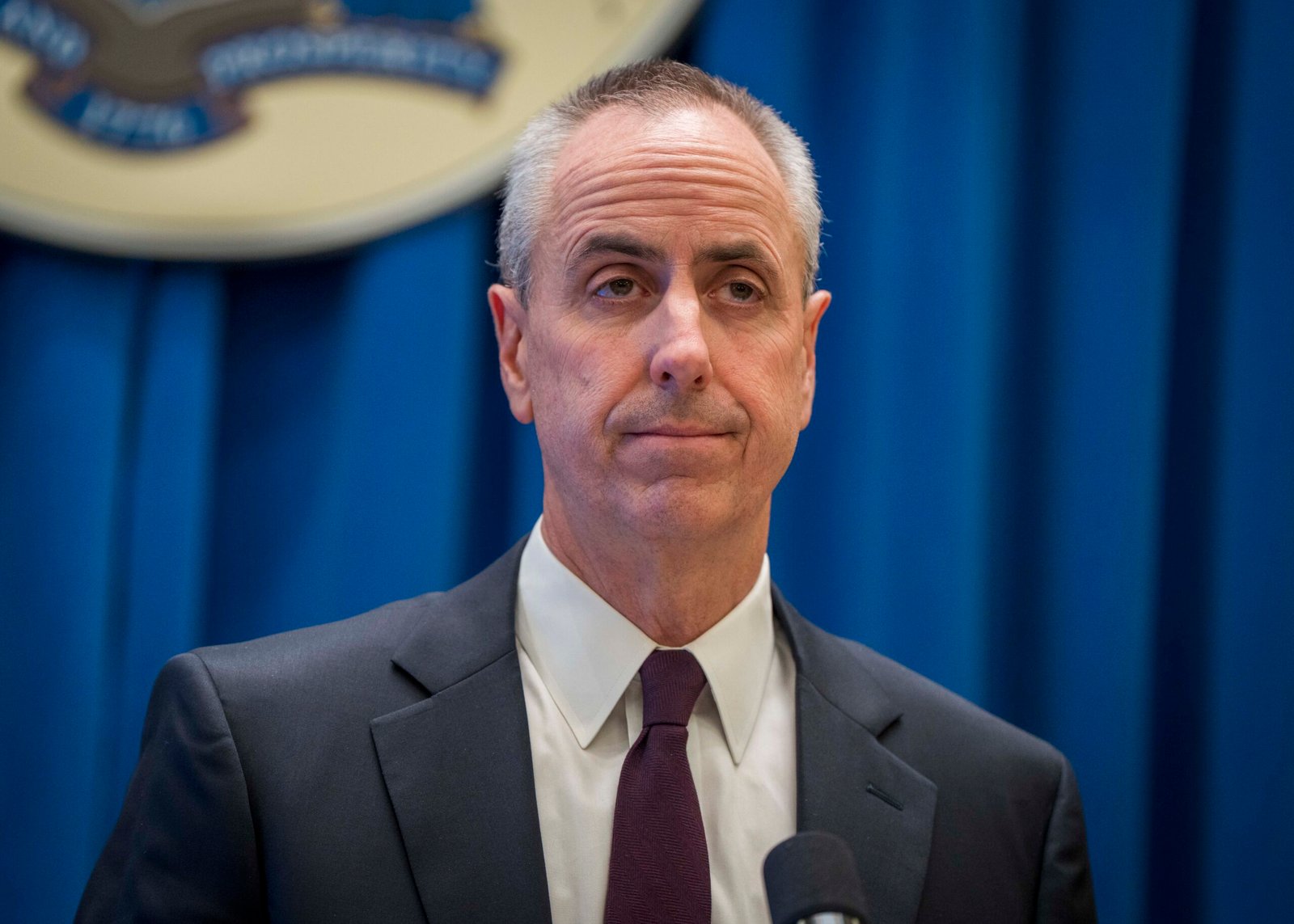
The message from state Treasurer Aaron Binder was generally optimistic as he outlined hundreds of millions in additional tax revenue that is now expected to boost state government’s bottom line over the next 14 months.
Nearly $340 million has been added to the forecast for the remainder of the current fiscal year, while the forecast for the next fiscal year has been inflated by more than $160 million, Binder told members of the Senate Budget and Appropriations Committee.
Thanks to those new estimates, which were compiled after the counting of April tax payments, along with other modest tweaks to the governor’s proposed budget, a forecast imbalance between projected annual spending and revenues has been nearly cut in half, he said.
Once projected to total nearly $3 billion, that structural gap now is less than $1.5 billion in Sherrill’s final draft of the proposed budget.
“As we move forward with the budget process, we hope to find additional ways to save with an eye toward further reducing the structural deficit and better preparing us for the future,” Binder said.
Sherrill, though, must first work with lawmakers to finalize the annual spending plan, which is required to be in place by July 1 to avoid a state government shutdown.
‘Some cuts’ possible
The next step involves lawmakers’ drafting the appropriations bill that will ultimately become the next annual budget prior to the deadline, which is written into the state constitution.
In recent years, majority Democratic lawmakers have added hundreds of millions of dollars in new spending to the governor’s final draft prior to its formal introduction in the Legislature. And they’ve done so without fully offsetting the increased appropriations with cuts or new revenues, resulting in a widened structural gap.
Last week, NJ Spotlight News reported more than 80% of the added spending sponsored by individual lawmakers in the current budget went to Democratic legislative districts. That rate of distribution outpaced the Democrats’ majorities, which is less than 70% cross both houses.
On Tuesday, lawmakers from both parties were already putting forward ideas for how to spend at least portions of what some termed a $500 million revenue “windfall” in response to the updated forecasts.
These included more funding for K-12 public school districts, as well as to other line items in the current fiscal year budget that were reduced or removed by the governor when she put forward her proposed spending plan in March.
Others questioned Sherrill’s plan to raise nearly $750 million in new revenue from businesses by tweaking corporate-tax deductions and other state tax policies.
This year, Sherrill, a first-term Democrat, is insisting that any changes on the spending side of the ledger sought by lawmakers be offset with cuts, something Binder reiterated on Tuesday.
“I’m sure, as we go through this process, the Legislature will look at some cuts to offset potentially some budget restorations that they’ve heard from their constituents throughout the process, and (from) advocacy groups,” said Committee Chair Paul Sarlo (D-Bergen).
Meanwhile, Binder tempered his general optimism by raising concerns about the latest long-range economic outlook amid President Donald Trump’s war in Iran. He added elevated gas prices and rising inflation to the list of concerns.
“The outlook for this year is good and the outlook for next year is cautious in the face of ongoing uncertainties,” he said.
Shrinking surplus
Fiscal experts from the nonpartisan Office of Legislative Services also warned of uncertainty as they unveiled their own revenue forecasts, which mostly aligned with the Sherrill administration’s.
“It is important to recognize that downside risks remain, with potential impacts that are difficult to fully quantify at this stage,” said OLS revenue and economic policy analyst Oscar Mendez.
State government typically maintains a budget surplus to hedge against economic uncertainty and the potential for unforeseen revenue losses or expenditure needs.
In recent years, lawmakers and former Gov. Phil Murphy enacted annual budgets that took funding out of the surplus to sustain spending at levels that outpaced annual tax collections, resulting in the structural gap.
As a result, a budget surplus that totaled more than $10 billion just a few years ago is now projected to fall below $7.7 billion by June 30, according to Treasury’s updated forecasts.
Sherrill’s proposed budget also calls for spending down surplus, even as she works to reduce the size of the structural gap.
The improved tax collection forecast, if it holds up, would reduce that planned drawdown. At the end of the next fiscal year, that woudl mean a projected surplus of nearly $6 billion, which is equal to nearly 10% of planned expenditures, Binder said.
The size of the state’s budget surplus relative to its projected annual spending is important to Wall Street credit analysts as they issue guidance to investors considering purchasing bonds issued by state government.
If those analysts have a negative view of New Jersey’s financial trajectory, they can issue a ratings downgrade that makes it more costly for state government to borrow money. Those costs are typically passed along to taxpayers via the state budget.
Asked about the stability of the state government’s credit rating on Tuesday, Binder highlighted Sherrill’s focus on narrowing the structural gap, another area that ratings analysts track closely.
“Continuing that kind of progress, looking to eventually drive that down to a zero, is something that we think will be seen positively,” Binder said.
This story is made possible in part by the Corporation for Public Broadcasting, a private corporation funded by the American people.



