
New Jersey is part of a Northeast regional transmission organization, PJM Interconnection, that runs our aging electrical grid. When you look at your ever-increasing monthly utility bill, much of it is from PJM’s “capacity auction,” which is supposed to predict our energy need and ensure there is enough power produced to meet it.
This month, PJM hosted its annual meeting in Baltimore, and the atmosphere was different than in years past.
There was a sense of urgency, spurred by a rare moment of honesty. PJM’s new president and CEO, David Mills, released a report that does something rare in regional grid management: It admits that the old playbook is not working. It acknowledges that “the current situation is not tenable.” And we have “years, not decades” to act.
 Credit: (New Jersey Senate Democrats)
The report includes sobering scenarios, such as the prospect of rationing energy reliability based on geography, customer type — or even willingness to pay a price premium. Yet the report also opens the door to visionary reforms.
Nothing is off limits
Now is the time to choose a new path — one of fairness and innovation, not managed scarcity and energy rationing. For the first time, nothing is off limits, and we have an opportunity — and a responsibility — to be bold. We must move past incremental tweaks and design a modern grid that prioritizes clean, affordable energy and community resilience.

The fundamental question is: Who gets to decide which path we take? PJM’s report calls for a “structured, transparent discussion,” yet the organization’s own governance structure remains an obstacle. While the 67 million people living in the PJM footprint face skyrocketing bills and grid uncertainty, we hold a mere 1.4% of the voting power in PJM deliberations.
As PJM members enjoy their annual meeting, the public remains outside looking in.
We cannot rely on PJM to navigate this transformation alone while the voices of families and small businesses are sidelined. We have to ask: How will you welcome the public?
While we hope to see PJM embrace reform, we can neither wait for nor rely on it to do so. New Jersey must strengthen our own energy systems, taking our power back and doubling down on the local solutions that we know work.
We have the tools
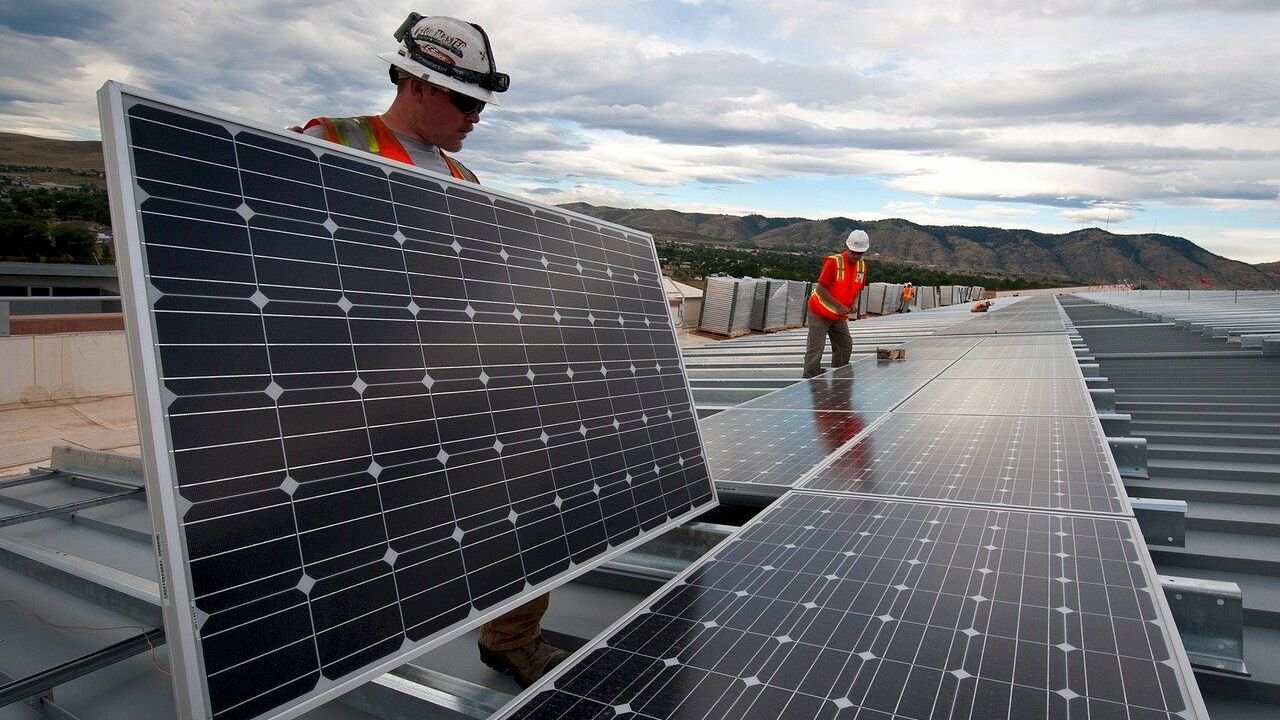
Distributed energy resources, like rooftop solar and local battery storage, are the most immediate tools we have to ensure that reliability isn’t rationed, but shared. Every solar panel installed is a step toward a grid that is less expensive and more resilient. That’s why we’re fighting to make it easier, faster and cheaper for New Jersey families to have access.
We must also fight to protect our constituents from the skyrocketing power demand of data centers. At a minimum, we should require data centers to provide their own new clean generation and storage rather than drive up costs for everyone else.
The technology to power our lives with renewable energy is here.
The demand for lower bills and cleaner air has never been higher.
PJM has given us the clear-eyed assessment we needed to see the cliff ahead.
Now it is up to our state leaders and the public to push for more. We must reject a future of rationed energy and start to build the clean, local and affordable energy future that 67 million of us deserve.



