
Since sports betting has swept the country, schools have been caught flat-footed. Most states require instruction on the dangers of drugs and alcohol but say almost nothing about gambling. Some students are even betting during class. A senior at a Manhattan high school recently told me how he and his friends craft parlays while pretending to work on their laptops.
In 2018, the Supreme Court overturned the Professional and Amateur Sports Protection Act, or PASPA, which prohibited sports betting outside Nevada. Thirty-nine states have since legalized the activity, with most proponents highlighting the boost to tax revenue, as states take a portion of user losses—as high as 51 percent in New York—and to personal liberty.
Advocates of expanded gambling have also emphasized consumer protection. Now more Americans are free to transition from using black market, underground sites to legal, regulated ones that are accountable to state gaming commissions and, they argue, more concerned with player safety. As NBA commissioner Adam Silver wrote in a landmark 2014 New York Times op-ed that reversed the league’s longstanding opposition to legalization, “[S]ports betting is [already] widespread. . . . [It] should be brought out of the underground and into the sunlight where it can be appropriately monitored and regulated.”
One of those highly touted regulations was safeguards to prevent kids from betting. The casino industry’s largest lobbying group, the American Gaming Association, has assured policymakers for over a decade that protecting youth is a priority. As the association’s president testified to Congress in 2013, “Regulated online gambling will provide law enforcement agencies with a willing partner for cracking down on underage gambling. . . . We can use technology to put effective protections in place.”
To a degree, this has occurred. Regulated sites such as DraftKings and FanDuel, where the majority of Americans are gambling, require new users to submit their social security numbers and IDs to become verified, and the names on deposit accounts must match the names on user accounts. Underage gamblers like Ben are not able to use a fake name and birthday and start betting like they can on most unregulated gambling websites.
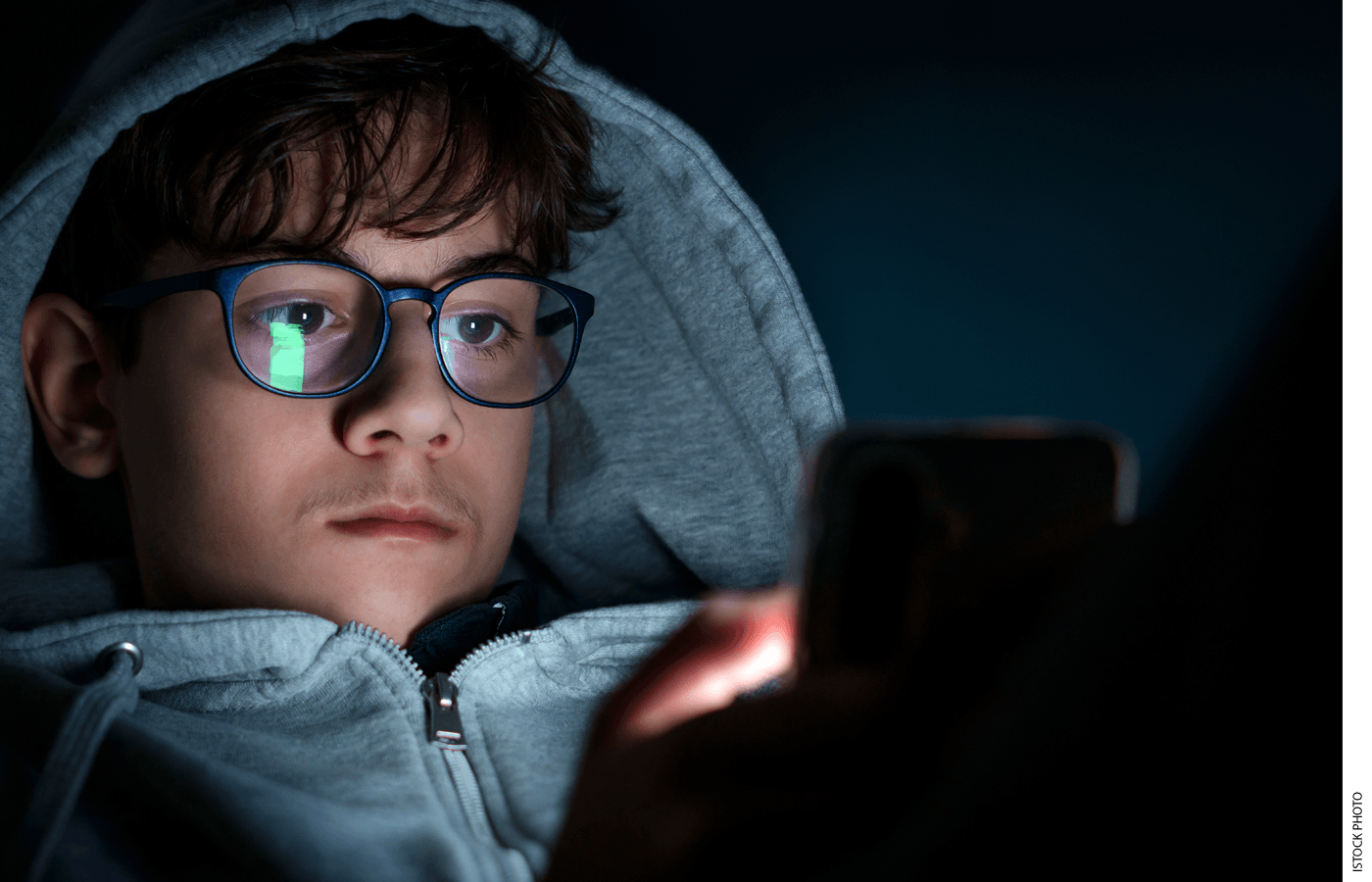
Yet despite these rules, gambling has clearly reached teen boys. Reliable data remain limited, but a recent Common Sense Media report gives one of the clearest pictures yet. In a nationally representative survey of more than 1,000 boys aged 11 to 17, 36 percent reported gambling or participating in gambling-related activities in the past year, rising to 49 percent among 17-year-olds. Teachers, addiction counselors, hotline operators, and teens themselves all say the same thing: Boys are gambling. A lot.
Harm from betting isn’t only financial. Students who gamble are giving up time and attention that should be devoted to friends and schoolwork, exacerbating a trend of skyrocketing smartphone and social media use that already has teenagers staring at their screens for hours a day. The same Common Sense Media report found that 27 percent of boys who gamble report negative effects such as stress or conflict with parents; among boys who gamble at least monthly, the share rises to one-third.
Industry advocates either deny these findings, argue higher rates of gambling are due to increased awareness and reporting, or shift blame to unregulated operators like Fliff that take bets from minors. Asked about underage users on their platform, a DraftKings spokesperson told Rolling Stone, “Any use of our platform by minors violates both our Terms of Use and the law, and we actively monitor to detect and report this prohibited activity.”
Of course, gambling companies are not responsible for the choices of older friends and family members to aid and abet the gambling habits of minors by giving them their login information. But they are responsible for generating so much of the demand in the first place.
Ad spend for sportsbooks has surged from $25 million in 2017, the year before the Supreme Court overturned PASPA, to $1.4 billion in 2022. The Kevin Hart spots Ben can recite from memory are for DraftKings. The betting odds Charles Barkley touts on ESPN are from FanDuel. The companies that are blanketing the airwaves; sponsoring every league, team, and podcast; marketing gambling as easy, fun, and normal—they aren’t shady illegal bookmakers. They’re publicly traded, state-sanctioned behemoths.
And the next frontier is already here. Prediction markets like Kalshi let users as young as 18 wager nationwide on everything from sports outcomes to Taylor Swift album sales, treating those wagers as financial “trades” overseen by federal commodities regulators rather than as bets governed by state gambling laws. Their marketing follows suit, with legions of paid social media influencers pitching the platforms not as gambling but as savvy investing—a way to turn fandom and hunches into quick cash.



