
The future of St. Petersburg will be defined by what we build together.
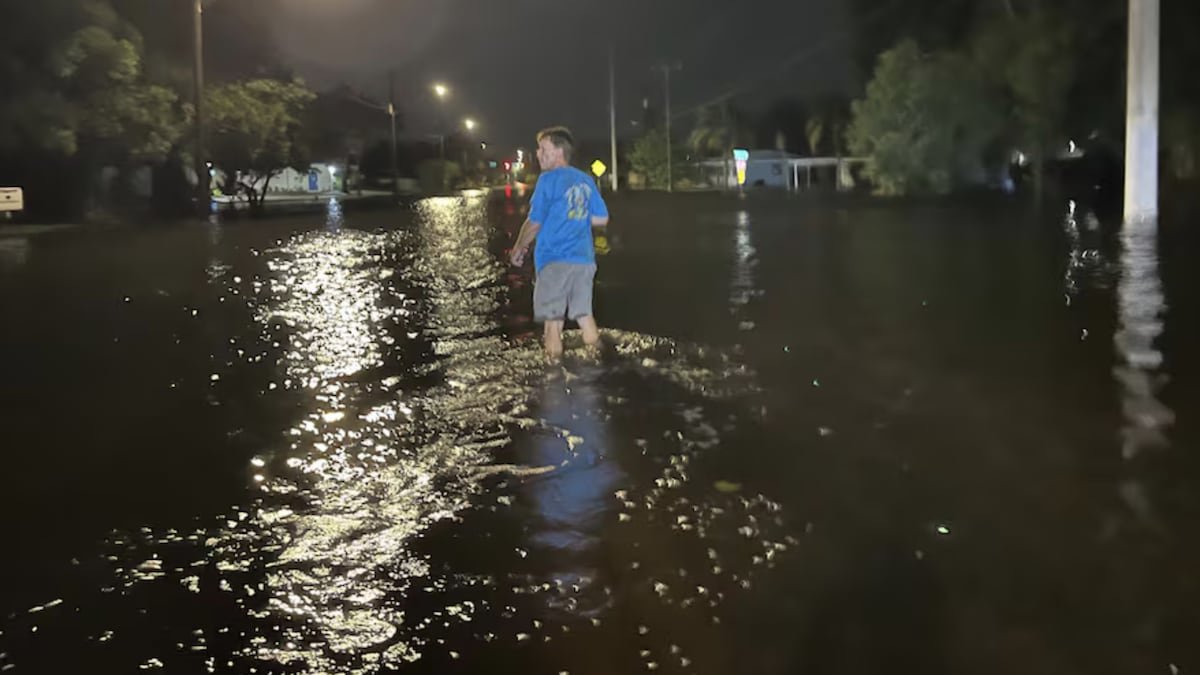
Two years after Hurricane Helene, and as we approach the anniversary of Hurricane Milton, that belief carries renewed urgency. Our city endured extraordinary damage. Families lost belongings, businesses faced disruption, and neighborhoods began a recovery that, for some residents, continues today. Our infrastructure was not built for the environmental realities of today or tomorrow.
We honor those experiences by looking ahead with purpose: helping residents regain stability while building a city better prepared to protect the people who call it home. By doing the difficult work now.
Our goal is a St. Petersburg where families can plan their futures with greater confidence. Where essential services are more dependable. Where our infrastructure reflects the needs of a growing coastal city and the challenges we face now and in the decades ahead.
That promise guides our work through SPAR, which stands for St. Pete Agile Resilience and serves as the city’s framework for prioritizing and accelerating resilience work. The estimated value of SPAR projects planned through 2050 is $2.7 billion.
By strengthening the infrastructure that supports daily life, we can turn the lessons of Helene and Milton into lasting progress. Stormwater and wastewater systems, critical facilities, and the connections between them are fundamental to our city’s future. Investing in them supports public safety, economic opportunity and the long-term health of our neighborhoods. These are investments that have been delayed for too long.
Residents experience infrastructure in practical ways. They want streets that drain more effectively, dependable water and sewer service and confidence that essential systems are prepared for severe weather. Business owners need reliable services to keep their doors open and their employees working. Our progress, more than ever, depends on building a resilient infrastructure throughout the city.
Through SPAR, we have an opportunity to harden our infrastructure faster, with a coordinated vision, connecting today’s investments to tomorrow’s needs. Over the next five years, utility-rate funding will help cover planned SPAR projects valued at $550 million (Learn more about SPAR, including an interactive map, at www.stpete.org/spar).
That requires looking beyond individual repairs. When we improve a system, we should consider how it will serve residents during ordinary conditions, how it will perform under stress, and how it can accommodate future demands. For example, $65.6 million has already gone into electrical and distribution improvements at the city’s Northeast Water Reclamation Facility, a completed project now included among SPAR’s completed resilience projects. Another $712,906 funded the AquaFence protecting Lift Station 85, which serves nearly 90,000 residents and is designed to protect against storm surge of up to 15 feet.
It also requires clear priorities and accountability. Residents deserve to understand what we are building, why it matters, and how projects are progressing. Infrastructure work takes time, and construction can create inconvenience. Explaining the benefits and keeping people informed through dashboards and other tools will be essential parts of delivering those improvements.
We must be equally clear about the challenges. Heavy rainfall and coastal storm surge create different risks. No single project can eliminate every threat. A stronger St. Petersburg will depend on infrastructure improvements working alongside mitigation, sound construction standards and effective emergency planning — a comprehensive approach based on science, data and measurable resiliency impacts.
The benefits extend well beyond hurricane season.
Our infrastructure, housing and recovery priorities must reinforce one another. As we build a more resilient city, we must also preserve residents’ ability to make their lives here.
The storms demonstrated how much St. Petersburg can accomplish when we work together with a clear plan and shared goals. First responders, city employees, neighborhood leaders, faith communities, nonprofits and volunteers brought skill and determination to an extraordinary challenge.
That same spirit can help shape our next chapter. The question before us now is how quickly we can get this critical work done. Under our current funding approach, completing the $2.7 billion in identified SPAR projects is expected to take roughly 24 years. That’s why I proposed putting a General Obligation bond before voters that would provide up to $600 million to accelerate this work. If approved, the bond would allow us to move priority projects forward sooner, potentially cutting about five years from the timeline and strengthening vulnerable infrastructure before the next storm causes more damage.
Government has a responsibility to provide leadership, make responsible investments and follow through. Residents and community partners bring knowledge that helps us make better decisions. Together, we can build on the strengths already present in our neighborhoods.
As a lifelong resident, I see our future in the families raising children here, the entrepreneurs opening businesses and the neighbors who continue investing their time and energy in this community. Their confidence in St. Petersburg deserves to be matched by our commitment to its foundations.
Two years after Helene and Milton, our work is moving toward that future. Through SPAR and a sustained focus on stronger infrastructure, we can make meaningful progress toward a city that is safer, more dependable and ready for the opportunities ahead.
The next chapter of St. Petersburg is ours to build. Let it be one of renewed confidence, shared opportunity, and a stronger place to call home.
Ken Welch is the mayor of St. Petersburg.



