
Genitsaridi, I. et al. 11th edition of the IDF Diabetes Atlas: global, regional, and national diabetes prevalence estimates for 2024 and projections for 2050. Lancet Diabetes Endocrinol. 14, 149–156 (2025).
Chen, S. et al. The global macroeconomic burden of diabetes mellitus. Nat. Med. 32, 126–138 (2025).
WHO. Everyday actions for better health – WHO recommendations. WHO https://www.who.int/europe/news-room/fact-sheets/item/everyday-actions-for-better-health-who-recommendations (2025).
WHO. WHO guidelines on physical activity and sedentary behaviour. WHO https://www.who.int/publications/i/item/9789240015128 (2020).
American Diabetes Association Professional Practice Committee for Diabetes. 8. Obesity and Weight Management for the Prevention and Treatment of Diabetes: Standards of Care in Diabetes-2026. Diabetes Care 49, S166–S182 (2026).
DECODE Study Group. Age- and sex-specific prevalences of diabetes and impaired glucose regulation in 13 European cohorts. Diabetes Care 26, 61–69 (2003).
Abdul-Ghani, M. A., Tripathy, D. & DeFronzo, R. A. Contributions of β-cell dysfunction and insulin resistance to the pathogenesis of impaired glucose tolerance and impaired fasting glucose. Diabetes Care 29, 1130–1139 (2006).
DeFronzo, R. A. et al. Type 2 diabetes mellitus. Nat. Rev. Dis. Primers 1, 15019 (2015).
Roden, M. & Shulman, G. I. The integrative biology of type 2 diabetes. Nature 576, 51–60 (2019).
Lim, L.-L. et al. Biological and mechanistic pathways of cardiometabolic multiple long-term conditions. Lancet 407, 2655–2667 (2026).
Abdul-Ghani, M., Maffei, P. & DeFronzo, R. A. Managing insulin resistance: the forgotten pathophysiological component of type 2 diabetes. Lancet Diabetes Endocrinol. 12, 674–680 (2024).
Unnikrishnan, R. et al. Prediabetes. Nat. Rev. Dis. Primers 11, 49 (2025).
Sancar, G. & Birkenfeld, A. L. The role of adipose tissue dysfunction in hepatic insulin resistance and T2D. J. Endocrinol. 262, e240115 (2024).
Birkenfeld, A. L. & Shulman, G. I. Nonalcoholic fatty liver disease, hepatic insulin resistance, and type 2 diabetes. Hepatology 59, 713–723 (2014).
Emanuelsson, F., Marott, S., Tybjærg-Hansen, A., Nordestgaard, B. G. & Benn, M. Impact of glucose level on micro- and macrovascular disease in the general population: a Mendelian randomization study. Diabetes Care 43, 894–902 (2020).
Zhang, Z., Zhao, L., Lu, Y., Xiao, Y. & Zhou, X. Insulin resistance assessed by estimated glucose disposal rate and risk of incident cardiovascular diseases among individuals without diabetes: findings from a nationwide, population based, prospective cohort study. Cardiovasc. Diabetol. 23, 194 (2024).
Zhang, R. et al. The association of retinopathy and plasma glucose and HbA1c: a validation of diabetes diagnostic criteria in a Chinese population. J. Diabetes Res. 2016, 4034129 (2016).
Nakagami, T. et al. Diabetes diagnostic thresholds of the glycated hemoglobin A1c and fasting plasma glucose levels considering the 5-year incidence of retinopathy. Diabetes Res. Clin. Pract. 124, 20–29 (2016).
Thiab, S. et al. Microvascular complications in prediabetes: a systematic review & meta-analysis. Diabetes Res. Clin. Pract. 225, 112261 (2025).
Mas-Fontao, S. et al. Prevalence and factors linked to renal involvement in prediabetes patients across Europe in the ePREDICE trial. Sci. Rep. 14, 30336 (2024).
Schlesinger, S. et al. Prediabetes and risk of mortality, diabetes-related complications and comorbidities: umbrella review of meta-analyses of prospective studies. Diabetologia 65, 275–285 (2021).
Mutie, P. M. et al. An investigation of causal relationships between prediabetes and vascular complications. Nat. Commun. 11, 4592 (2020).
DECODE Study Group & European Diabetes Epidemiology Group. Is the current definition for diabetes relevant to mortality risk from all causes and cardiovascular and noncardiovascular diseases? Diabetes Care 26, 688–696 (2003).
Rao Kondapally Seshasai, S. et al. Diabetes mellitus, fasting glucose, and risk of cause-specific death. N. Engl. J. Med. 364, 829–841 (2011).
Stefan, N., Fritsche, A., Schick, F. & Häring, H.-U. Phenotypes of prediabetes and stratification of cardiometabolic risk. Lancet Diabetes Endocrinol. 4, 789–798 (2016).
Heyens, L. J. M. et al. Prevalence and risk factors of MASLD in prediabetes and type 2 diabetes mellitus in Belgium and the Netherlands. Biomedicines 13, 2821 (2025).
Ndumele, C. E. et al. 2026 AHA/ACC/ADA/ASN Guideline for the Prevention, Detection, Evaluation, and Management of Cardiovascular-Kidney-Metabolic Syndrome: a report of the American College of Cardiology/American Heart Association Joint Committee on Clinical Practice Guidelines. Circulation https://doi.org/10.1161/CIR.0000000000001453 (2026).
Birkenfeld, A. L. & Mohan, V. Prediabetes remission for type 2 diabetes mellitus prevention. Nat. Rev. Endocrinol. 20, 441–442 (2024).
Sandforth, A. et al. Mechanisms of weight loss-induced remission in people with prediabetes: a post-hoc analysis of the randomised, controlled, multicentre Prediabetes Lifestyle Intervention Study (PLIS). Lancet Diabetes Endocrinol. 11, 798–810 (2023).
Perreault, L. et al. Effect of regression from prediabetes to normal glucose regulation on long-term reduction in diabetes risk: results from the Diabetes Prevention Program Outcomes Study. Lancet 379, 2243–2251 (2012).
Birkenfeld, A. L. et al. Defining prediabetes remission as a distinct prevention endpoint. Lancet Diabetes Endocrinol. 14, 100–102 (2026).
Valabhji, J. et al. Interventions for the prevention and management of cardiometabolic multiple long-term conditions. Lancet 407, 2668–2684 (2026).
Jumpertz von Schwartzenberg, R., Vazquez Arreola, E., Sandforth, A., Hanson, R. L. & Birkenfeld, A. L. Role of weight loss-induced prediabetes remission in the prevention of type 2 diabetes: time to improve diabetes prevention. Diabetologia 67, 1714–1718 (2024).
Herman, W. H. et al. Impact of lifestyle and metformin interventions on the risk of progression to diabetes and regression to normal glucose regulation in overweight or obese people with impaired glucose regulation. Diabetes Care 40, 1668–1677 (2017).
Sandforth, A. et al. Prevention of type 2 diabetes through prediabetes remission without weight loss. Nat. Med. 31, 3330–3340 (2025).
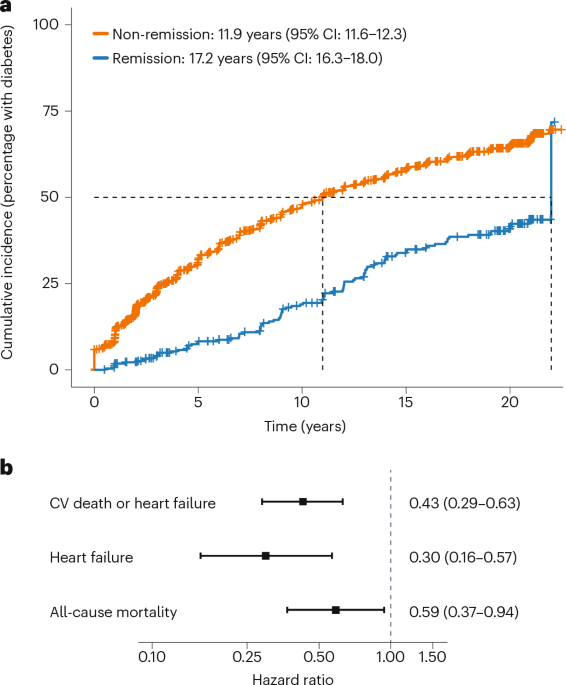
Vazquez Arreola, E. et al. Prediabetes remission and cardiovascular morbidity and mortality: post-hoc analyses from the Diabetes Prevention Program Outcome study and the DaQing Diabetes Prevention Outcome study. Lancet Diabetes Endocrinol. 14, 137–148 (2026).
Perreault, L., Kahn, S. E., Christophi, C. A., Knowler, W. C. & Hamman, R. F. Regression from pre-diabetes to normal glucose regulation in the diabetes prevention program. Diabetes Care 32, 1583–1588 (2009).
Knowler, W. C. et al. 10-year follow-up of diabetes incidence and weight loss in the Diabetes Prevention Program Outcomes Study. Lancet 374, 1677–1686 (2009).
Sandforth, L. et al. Prediabetes remission to reduce the global burden of type 2 diabetes. Trends Endocrinol. Metab. 36, 899–916 (2025).
Wang, Y. et al. Lifestyle intervention is more effective in high 1-hour post-load glucose than in prediabetes for restoring β-cell function, reducing ectopic fat, and preventing type 2 diabetes. Metabolism 174, 156430 (2025).
Perreault, L. et al. Regression from prediabetes to normal glucose regulation and prevalence of microvascular disease in the Diabetes Prevention Program Outcomes Study (DPPOS). Diabetes Care 42, 1809–1815 (2019).
Birkenfeld, A. L. & Heikenwälder, M. Cancer prevention through metabolic remission. Nat. Rev. Endocrinol. https://doi.org/10.1038/s41574-026-01268-3 (2026).
Park, J.-H. et al. Prediabetes remission and the subsequent risk of pancreatic cancer: a nationwide cohort study. Am. J. Prev. Med. 70, 107979 (2025).
Hill-Briggs, F. et al. Social determinants of health and diabetes: a scientific review. Diabetes Care 44, 258–279 (2020).
Beulens, J. W. J. et al. Environmental risk factors of type 2 diabetes—an exposome approach. Diabetologia 65, 263–274 (2021).
Hagemann, E., Silva, D. T., Davis, J. A., Gibson, L. Y. & Prescott, S. L. Developmental origins of health and disease (DOHaD): the importance of life-course and transgenerational approaches. Paediatr. Respir. Rev. 40, 3–9 (2021).
Luk, A. et al. Early-onset type 2 diabetes: the next major diabetes transition. Lancet 405, 2313–2326 (2025).
Lim, L.-L., Jones, S., Cikomola, J. C., Hivert, M.-F. & Misra, S. Understanding the drivers and consequences of early-onset type 2 diabetes. Lancet 405, 2327–2340 (2025).
Harnois-Leblanc, S. & Hivert, M.-F. Stopping the intergenerational risk of diabetes—from mechanisms to interventions: a report on research supported by pathway to stop diabetes. Diabetes 74, 255–264 (2025).
Safi-Stibler, S. & Gabory, A. Epigenetics and the developmental origins of health and disease: parental environment signalling to the epigenome, critical time windows and sculpting the adult phenotype. Semin. Cell Dev. Biol. 97, 172–180 (2019).
Hoang, T. T. et al. Comprehensive evaluation of smoking exposures and their interactions on DNA methylation. eBioMedicine 100, 104956 (2024).
Juvinao-Quintero, D. L., Sharp, G. C., Sanderson, E. C. M., Relton, C. L. & Elliott, H. R. Investigating causality in the association between DNA methylation and type 2 diabetes using bidirectional two-sample Mendelian randomisation. Diabetologia 66, 1247–1259 (2023).
Duschek, E. et al. A polygenic and family risk score are both independently associated with risk of type 2 diabetes in a population-based study. Sci. Rep. 13, 4805 (2023).
Dabelea, D. et al. Intrauterine exposure to diabetes conveys risks for type 2 diabetes and obesity: a study of discordant sibships. Diabetes 49, 2208–2211 (2000).
Wicklow, B. A. et al. Association of gestational diabetes and type 2 diabetes exposure in utero with the development of type 2 diabetes in first nations and non-first nations offspring. JAMA Pediatr. 172, 724–731 (2018).
Lassi, M. et al. Disruption of paternal circadian rhythm affects metabolic health in male offspring via nongerm cell factors. Sci. Adv. 7, eabg6424 (2021).
Tomar, A. et al. Epigenetic inheritance of diet-induced and sperm-borne mitochondrial RNAs. Nature 630, 720–727 (2024).
Farrar, D. et al. Hyperglycaemia and risk of adverse perinatal outcomes: systematic review and meta-analysis. Br. Med. J. 354, i4694 (2016).
Franks, P. W. et al. Gestational glucose tolerance and risk of type 2 diabetes in young Pima Indian offspring. Diabetes 55, 460–465 (2006).
Scholtens, D. M. et al. Hyperglycemia and Adverse Pregnancy Outcome Follow-up Study (HAPO FUS): maternal glycemia and childhood glucose metabolism. Diabetes Care 42, 381–392 (2019).
Dieguez, A. C. et al. In utero exposure to maternal hyperglycemia and offspring type 2 diabetes genetic risk score are independently associated with risk of impaired glucose tolerance in youth. Diabetes Care 48, 1356–1360 (2025).
Grunnet, L. G. et al. Adiposity, dysmetabolic traits, and earlier onset of female puberty in adolescent offspring of women with gestational diabetes mellitus: a clinical study within the Danish National Birth Cohort. Diabetes Care 40, 1746–1755 (2017).
Damm, P. et al. Gestational diabetes mellitus and long-term consequences for mother and offspring: a view from Denmark. Diabetologia 59, 1396–1399 (2016).
Dabelea, D. et al. Association of intrauterine exposure to maternal diabetes and obesity with type 2 diabetes in youth: the SEARCH Case-Control Study. Diabetes Care 31, 1422–1426 (2008).
Page, K. A. et al. Children exposed to maternal obesity or gestational diabetes mellitus during early fetal development have hypothalamic alterations that predict future weight gain. Diabetes Care 42, 1473–1480 (2019).
Chandrasekaran, S. et al. Exposure to gestational diabetes mellitus prior to 26 weeks is related to the presence of mediobasal hypothalamic gliosis in children. Diabetes 71, 2552–2556 (2022).
Page, K. A. Neurodevelopmental pathways to obesity and type 2 diabetes: insights from prenatal exposure to maternal obesity and gestational diabetes mellitus: a report on research supported by pathway to stop diabetes. Diabetes 73, 1937–1941 (2024).
Zhao, S. et al. Exposure to gestational diabetes mellitus in utero impacts hippocampal functional connectivity in response to food cues in children. Int. J. Obes. 48, 1728–1734 (2024).
Marchildon, C. et al. Maternal hyperglycemia during pregnancy is associated specifically with larger hypothalamic volumes at 12 years of age. J. Dev. Orig. Health Dis. 17, e5 (2026).
Landon, M. B. et al. Mild gestational diabetes mellitus and long-term child health. Diabetes Care 38, 445–452 (2014).
Gillman, M. W. et al. Effect of treatment of gestational diabetes mellitus on obesity in the next generation. Diabetes Care 33, 964–968 (2010).
García-Patterson, A., Balsells, M., Solà, I., Gich, I. & Corcoy, R. Impact of gestational diabetes mellitus treatment on medium/long-term outcomes after pregnancy: a systematic review and meta-analysis. Diabet. Med. 40, e14998 (2022).
Kim, C., Newton, K. M. & Knopp, R. H. Gestational diabetes and the incidence of type 2 diabetes: a systematic review. Diabetes Care 25, 1862–1868 (2002).
Bellamy, L., Casas, J.-P., Hingorani, A. D. & Williams, D. Type 2 diabetes mellitus after gestational diabetes: a systematic review and meta-analysis. Lancet 373, 1773–1779 (2009).
Vounzoulaki, E. et al. Progression to type 2 diabetes in women with a known history of gestational diabetes: systematic review and meta-analysis. Br. Med. J. 369, m1361 (2020).
Hivert, M.-F. et al. Pathophysiology from preconception, during pregnancy, and beyond. Lancet 404, 158–174 (2024).
Hannah, W. et al. Prevalence and risk factors of early gestational diabetes mellitus (EGDM) in Indians: the STRiDE study. Diabetes Res. Clin. Pract. 231, 113023 (2025).
Elliott, A. et al. Distinct and shared genetic architectures of gestational diabetes mellitus and type 2 diabetes. Nat. Genet. 56, 377–382 (2024).
Pervjakova, N. et al. Multi-ancestry genome-wide association study of gestational diabetes mellitus highlights genetic links with type 2 diabetes. Hum. Mol. Genet. 31, 3377–3391 (2022).
Retnakaran, R. et al. β-cell function declines within the first year postpartum in women with recent glucose intolerance in pregnancy. Diabetes Care 33, 1798–1804 (2010).
Artzi, N. S. et al. Prediction of gestational diabetes based on nationwide electronic health records. Nat. Med. 26, 71–76 (2020).
Allalou, A. et al. A predictive metabolic signature for the transition from gestational diabetes mellitus to type 2 diabetes. Diabetes 65, 2529–2539 (2016).
Bracco, P. A. et al. Lifestyle intervention to prevent type 2 diabetes after a pregnancy complicated by gestational diabetes mellitus: a systematic review and meta-analysis update. Diabetol. Metab. Syndr. 17, 66 (2025).
Retnakaran, M., Viana, L. V. & Kramer, C. K. Lifestyle intervention for the prevention of type 2 diabetes in women with prior gestational diabetes: a systematic review and meta-analysis. Diabetes Obes. Metab. 25, 1196–1202 (2023).
Amadou, C., Wei, Y., Tuomi, T., Feychting, M. & Carlsson, S. Fetal programming of early-onset type 2 diabetes: a Swedish nationwide cohort and sibling analysis. Eur. J. Epidemiol. 40, 845–857 (2025).
Bhargava, S. K. et al. Relation of serial changes in childhood body-mass index to impaired glucose tolerance in young adulthood. N. Engl. J. Med. 350, 865–875 (2004).
Carrasquilla, G. D., Ängquist, L., Sørensen, T. I. A., Kilpeläinen, T. O. & Loos, R. J. F. Child-to-adult body size change and risk of type 2 diabetes and cardiovascular disease. Diabetologia 67, 864–873 (2023).
Geserick, M. et al. Acceleration of BMI in early childhood and risk of sustained obesity. N. Engl. J. Med. 379, 1303–1312 (2018).
Chen, Y. et al. Association of body mass index and age with incident diabetes in Chinese adults: a population-based cohort study. BMJ Open 8, e021768 (2018).
Luo, J., Hodge, A., Hendryx, M. & Byles, J. E. Age of obesity onset, cumulative obesity exposure over early adulthood and risk of type 2 diabetes. Diabetologia 63, 519–527 (2019).
Zhang, T. et al. Trajectories of childhood BMI and adult diabetes: the Bogalusa Heart Study. Diabetologia 62, 70–77 (2018).
Misra, S. et al. Characteristics and care of young people with type 2 diabetes included in the national diabetes audit datasets for England. Diabet. Med. 40, e14940 (2022).
Yeung, E. H., Zhang, C., Louis, G. M. B., Willett, W. C. & Hu, F. B. Childhood size and life course weight characteristics in association with the risk of incident type 2 diabetes. Diabetes Care 33, 1364–1369 (2010).
Fagherazzi, G. et al. The association of body shape trajectories over the life course with type 2 diabetes risk in adulthood: a group-based modeling approach. Ann. Epidemiol. 25, 785–787 (2015).
Moran, A. et al. Insulin resistance during puberty: results from clamp studies in 357 children. Diabetes 48, 2039–2044 (1999).
Harnois-Leblanc, S. et al. Natural history and determinants of dysglycemia in Canadian children with parental obesity from ages 8–10 to 15–17 years: the QUALITY cohort. Pediatr. Diabetes 23, 274–285 (2022).
Weiss, R. et al. Predictors of changes in glucose tolerance status in obese youth. Diabetes Care 28, 902–909 (2005).
Galderisi, A. et al. Trajectories of changes in glucose tolerance in a multiethnic cohort of obese youths: an observational prospective analysis. Lancet Child Adolesc. Health 2, 726–735 (2018).
Cheng, T. S., Day, F. R., Lakshman, R. & Ong, K. K. Association of puberty timing with type 2 diabetes: a systematic review and meta-analysis. PLoS Med. 17, e1003017 (2020).
Kriska, A. et al. Sedentary behavior and physical activity in youth with recent onset of type 2 diabetes. Pediatrics 131, e850–e856 (2013).
Bo, A. et al. Early-onset type 2 diabetes: age gradient in clinical and behavioural risk factors in 5115 persons with newly diagnosed type 2 diabetes—results from the DD2 study. Diabetes Metab. Res. Rev. 34, e2968 (2018).
Malik, F. S. et al. Prevalence and predictors of household food insecurity and supplemental nutrition assistance program use in youth and young adults with diabetes: the SEARCH for Diabetes in Youth study. Diabetes Care 46, 278–285 (2023).
RISE Consortium. Effects of treatment of impaired glucose tolerance or recently diagnosed type 2 diabetes with metformin alone or in combination with insulin glargine on β-cell function: comparison of responses in youth and adults. Diabetes 68, 1670–1680 (2019).
Bjornstad, P. et al. Long-term complications in youth-onset type 2 diabetes. N. Engl. J. Med. 385, 416–426 (2021).
Srinivasan, S. et al. The first genome-wide association study for type 2 diabetes in youth: the Progress in Diabetes Genetics in Youth (ProDiGY) Consortium. Diabetes 70, 996–1005 (2021).
Suzuki, K. et al. Genetic drivers of heterogeneity in type 2 diabetes pathophysiology. Nature 627, 347–357 (2024).
Lakka, T. A. et al. A 2 year physical activity and dietary intervention attenuates the increase in insulin resistance in a general population of children: the PANIC study. Diabetologia 63, 2270–2281 (2020).
Kullmann, S. et al. A short-term, high-caloric diet has prolonged effects on brain insulin action in men. Nat. Metab. 7, 469–477 (2025).
Hummel, J. et al. Brain insulin action on peripheral insulin sensitivity in women depends on menstrual cycle phase. Nat. Metab. 5, 1475–1482 (2023).
Hummel, J., Kullmann, S., Wagner, R. & Heni, M. Glycaemic fluctuations across the menstrual cycle: possible effect of the brain. Lancet Diabetes Endocrinol. 11, 883–884 (2023).
Brokaw, S. M. et al. Effectiveness of an adapted diabetes prevention program lifestyle intervention in older and younger adults. J. Am. Geriatr. Soc. 63, 1067–1074 (2015).
Muka, T. et al. Associations of steroid sex hormones and sex hormone-binding globulin with the risk of type 2 diabetes in women: a population-based cohort study and meta-analysis. Diabetes 66, 577–586 (2016).
Ding, E. L. et al. Sex hormone-binding globulin and risk of type 2 diabetes in women and men. N. Engl. J. Med. 361, 1152–1163 (2009).
Kautzky-Willer, A., Leutner, M. & Harreiter, J. Sex differences in type 2 diabetes. Diabetologia 66, 986–1002 (2023).
Menopause: a turning point for women’s health. Lancet Diabetes Endocrinol. 10, 373 (2022).
Nappi, R. E., Chedraui, P., Lambrinoudaki, I. & Simoncini, T. Menopause: a cardiometabolic transition. Lancet Diabetes Endocrinol. 10, 442–456 (2022).
De Mutsert, R. et al. Associations of abdominal subcutaneous and visceral fat with insulin resistance and secretion differ between men and women: the Netherlands Epidemiology of Obesity Study. Metab. Syndr. Relat. Disord. 16, 54–63 (2018).
Brand, J. S. et al. Age at menopause, reproductive life span, and type 2 diabetes risk: results from the EPIC-InterAct study. Diabetes Care 36, 1012–1019 (2012).
Zhu, D. et al. Age at natural menopause and risk of incident cardiovascular disease: a pooled analysis of individual patient data. Lancet Public Health 4, e553–e564 (2019).
Lobo, R. A. & Gompel, A. Management of menopause: a view towards prevention. Lancet Diabetes Endocrinol. 10, 457–470 (2022).
Ding, E. L., Song, Y., Malik, V. S. & Liu, S. Sex differences of endogenous sex hormones and risk of type 2 diabetes: a systematic review and meta-analysis. J. Am. Med. Assoc. 295, 1288–1299 (2006).
Wittert, G. et al. Testosterone treatment to prevent or revert type 2 diabetes in men enrolled in a lifestyle programme (T4DM): a randomised, double-blind, placebo-controlled, 2-year, phase 3b trial. Lancet Diabetes Endocrinol. 9, 32–45 (2021).
Bhasin, S. et al. Effect of testosterone on progression from prediabetes to diabetes in men with hypogonadism: a substudy of the TRAVERSE randomized clinical trial. JAMA Intern. Med. 184, 353–362 (2024).
Wagner, R. et al. Pathophysiology-based subphenotyping of individuals at elevated risk for type 2 diabetes. Nat. Med. 27, 49–57 (2021).
Sandforth, L. et al. Subphenotype-dependent benefits of bariatric surgery for individuals at risk for type 2 diabetes. Diabetes Care 48, 996–1006 (2025).
Lin, H. et al. Elucidating the heterogeneity of prediabetes through subphenotyping with a two-dimensional tree structure. Cell Rep. Med. 6, 102212 (2025).
Metwally, A. A. et al. Prediction of metabolic subphenotypes of type 2 diabetes via continuous glucose monitoring and machine learning. Nat. Biomed. Eng. 9, 1222–1239 (2024).
Klonoff, D. C. et al. Continuous glucose monitoring data analysis 2.0: functional data pattern recognition and artificial intelligence applications. J. Diabetes Sci. Technol. 19, 1515–1527 (2025).
Wu, Y. et al. Individual variations in glycemic responses to carbohydrates and underlying metabolic physiology. Nat. Med. 31, 2232–2243 (2025).
Zeevi, D. et al. Personalized nutrition by prediction of glycemic responses. Cell 163, 1079–1094 (2015).
Berry, S. E. et al. Human postprandial responses to food and potential for precision nutrition. Nat. Med. 26, 964–973 (2020).
Leslie, R. D. et al. Understanding diabetes heterogeneity: key steps towards precision medicine in diabetes. Lancet Diabetes Endocrinol. 11, 848–860 (2023).
Li, J. et al. Circulating metabolites, genetics and lifestyle factors in relation to future risk of type 2 diabetes. Nat. Med. 32, 660–670 (2026).
Guasch-Ferré, M. et al. Precision nutrition for cardiometabolic diseases. Nat. Med. 31, 1444–1453 (2025).
CDC. Physical activity basics. CDC https://www.cdc.gov/physical-activity-basics/guidelines/adults.html (2023).
Mutie, P. M., Giordano, G. N. & Franks, P. W. Lifestyle precision medicine: the next generation in type 2 diabetes prevention? BMC Med. 15, 171 (2017).
Fritsche, A. et al. Different effects of lifestyle intervention in high- and low-risk prediabetes: results of the randomized controlled Prediabetes Lifestyle Intervention Study (PLIS). Diabetes 70, 2785–2795 (2021).
Wagner, R. et al. Lower hepatic fat is associated with improved insulin secretion in a high-risk prediabetes subphenotype during lifestyle intervention. Diabetes 72, 362–366 (2023).
Tsereteli, N. et al. Impact of insufficient sleep on dysregulated blood glucose control under standardised meal conditions. Diabetologia 65, 356–365 (2021).
Eichelmann, F. et al. Lipidome changes due to improved dietary fat quality inform cardiometabolic risk reduction and precision nutrition. Nat. Med. 30, 2867–2877 (2024).
Franks, P. W. et al. Precision medicine for cardiometabolic disease: a framework for clinical translation. Lancet Diabetes Endocrinol. 11, 822–835 (2023).
Schauer, P. R. et al. Bariatric surgery versus intensive medical therapy for diabetes 5-year outcomes. N. Engl. J. Med. 376, 641–651 (2017).
Ahlqvist, E. et al. Novel subgroups of adult-onset diabetes and their association with outcomes: a data-driven cluster analysis of six variables. Lancet Diabetes Endocrinol. 6, 361–369 (2018).
Kermansaravi, M. et al. International expert consensus on the current status and future prospects of artificial intelligence in metabolic and bariatric surgery. Sci. Rep. 15, 9312 (2025).
Panunzi, S. et al. Personalizing bariatric metabolic surgery: predictors of weight-loss success and risk of weight recurrence. Metabolism 177, 156495 (2026).
Torkamani, A., Wineinger, N. E. & Topol, E. J. The personal and clinical utility of polygenic risk scores. Nat. Rev. Genet. 19, 581–590 (2018).
Udler, M. S. et al. Type 2 diabetes genetic loci informed by multi-trait associations point to disease mechanisms and subtypes: a soft clustering analysis. PLoS Med. 15, e1002654 (2018).
Mahajan, A. et al. Fine-mapping type 2 diabetes loci to single-variant resolution using high-density imputation and islet-specific epigenome maps. Nat. Genet. 50, 1505–1513 (2018).
Smith, K. et al. Multi-ancestry polygenic mechanisms of type 2 diabetes. Nat. Med. 30, 1065–1074 (2024).
Billings, L. K. et al. Increased genetic risk for β-cell failure is associated with β-cell function decline in people with prediabetes. Diabetes 73, 1352–1360 (2024).
Vassy, J. L. et al. Polygenic type 2 diabetes prediction at the limit of common variant detection. Diabetes 63, 2172–2182 (2014).
Geyer, P. E. et al. The circulating proteome—technological developments, current challenges, and future trends. J. Proteome Res. 23, 5279–5295 (2024).
He, F. et al. π-HuB: the proteomic navigator of the human body. Nature 636, 322–331 (2024).
Malmström, E. et al. Human proteome distribution atlas for tissue-specific plasma proteome dynamics. Cell 188, 2810–2822 (2025).
Bar, N. et al. A reference map of potential determinants for the human serum metabolome. Nature 588, 135–140 (2020).
Koprulu, M. et al. Multi-cohort proteogenomic analyses reveal genetic effects across the proteome and diseasome. Cell 189, 3339–3357.e11 (2026).
Atabaki, N. N. et al. A biological-systems-based analysis using proteomic and metabolic network inference reveals mechanistic insights into hepatic steatosis. Metabolism 178, 156552 (2026).
Coral, D. E. et al. A phenome-wide comparative analysis of genetic discordance between obesity and type 2 diabetes. Nat. Metab. 5, 237–247 (2023).
Siddaway, R. et al. Clinical utility of targeted RNA sequencing in cancer molecular diagnostics. Nat. Med. 31, 3524–3533 (2025).
Chami, N. et al. Genetic subtyping of obesity reveals biological insights into the uncoupling of adiposity from its cardiometabolic comorbidities. Nat. Med. 31, 3801–3812 (2025).
Coral, D. E. et al. Subclassification of obesity for precision prediction of cardiometabolic diseases. Nat. Med. 31, 534–543 (2024).
Heumos, L. et al. An open-source framework for end-to-end analysis of electronic health record data. Nat. Med. 30, 3369–3380 (2024).
Nally, L. M. & Sherr, J. L. Making diabetes technology accessible to all. Nat. Med. 30, 1832–1833 (2024).
Black, D. S., Vidmar, A. P. & Barnett, B. Characterising the design and methods of continuous glucose monitoring used in behavioural interventions to inform future research in prediabetes. Lancet Digit. Health 7, 100904 (2025).
Shilo, S. et al. Continuous glucose monitoring and intrapersonal variability in fasting glucose. Nat. Med. 30, 1424–1431 (2024).
Chen, C., Ding, S. & Wang, J. Digital health for aging populations. Nat. Med. 29, 1623–1630 (2023).
Rubinstein, A. et al. Effectiveness of an mHealth intervention to improve the cardiometabolic profile of people with prehypertension in low-resource urban settings in Latin America: a randomised controlled trial. Lancet Diabetes Endocrinol. 4, 52–63 (2015).
Klonoff, D. C. et al. Use of continuous glucose monitors by people without diabetes: an idea whose time has come? J. Diabetes Sci. Technol. 17, 1686–1697 (2022).
Prahalad, P. et al. Equitable implementation of a precision digital health program for glucose management in individuals with newly diagnosed type 1 diabetes. Nat. Med. 30, 2067–2075 (2024).
Swinburn, B. A. et al. The global obesity pandemic: shaped by global drivers and local environments. Lancet 378, 804–814 (2011).
Lane, M. M. et al. Ultra-processed food exposure and adverse health outcomes: umbrella review of epidemiological meta-analyses. Br. Med. J. 384, e077310 (2024).
Tabák, A. G. et al. Trajectories of glycaemia, insulin sensitivity, and insulin secretion before diagnosis of type 2 diabetes: an analysis from the Whitehall II study. Lancet 373, 2215–2221 (2009).
IDF. Diabetes facts & figures. IDF https://idf.org/about-diabetes/diabetes-facts-figures/ (2023).
Echouffo-Tcheugui, J. B., Chakkalakal, R. J. & Ali, M. K. Is the current lifestyle modification approach to diabetes prevention in the U.S. a success? Diabetes Care 48, 863–870 (2025).
Tharakan, A. et al. Accessibility of diabetes education in the United States: barriers, policy implications, and the road ahead. Health Aff. Sch. 2, qxae097 (2024).
Zhou, X. et al. Cost-effectiveness of diabetes prevention interventions targeting high-risk individuals and whole populations: a systematic review. Diabetes Care 43, 1593–1616 (2020).
Kuo, S. et al. Cost-effectiveness of the National Diabetes Prevention Program: a real-world, 2-year prospective study. Diabetes Care 48, 1180–1188 (2025).
Ramachandran, A., Snehalatha, C., Yamuna, A., Mary, S. & Ping, Z. Cost-effectiveness of the interventions in the primary prevention of diabetes among Asian Indians: within-trial results of the Indian Diabetes Prevention Programme (IDPP). Diabetes Care 30, 2548–2552 (2007).
Mohebbi, D. et al. One-year within-trial and lifetime-horizon modeled health economic evaluation of the risk-stratified Prediabetes Lifestyle Intervention Study (PLIS) for prediabetes remission in Germany. Preprint at medRxiv https://doi.org/10.64898/2026.05.22.26353768 (2026).
NCD Risk Factor Collaboration (NCD-RisC). Worldwide trends in diabetes prevalence and treatment from 1990 to 2022: a pooled analysis of 1108 population-representative studies with 141 million participants. Lancet 404, 2077–2093 (2024).
Martin, A. R. et al. Clinical use of current polygenic risk scores may exacerbate health disparities. Nat. Genet. 51, 584–591 (2019).
Anjana, R. M. et al. Prevalence of diabetes and prediabetes in 15 states of India: results from the ICMR-INDIAB population-based cross-sectional study. Lancet Diabetes Endocrinol. 5, 585–596 (2017).
Mohan, V. et al. Secular trends in the prevalence of diabetes and impaired glucose tolerance in urban South India—the Chennai Urban Rural Epidemiology Study (CURES-17). Diabetologia 49, 1175–1178 (2006).
Weber, M. B. et al. The stepwise approach to diabetes prevention: results from the D-CLIP randomized controlled trial. Diabetes Care 39, 1760–1767 (2016).
Reed, R. M., Whyte, M. B. & Goff, L. M. Cardiometabolic disease in Black African and Caribbean populations: an ethnic divergence in pathophysiology? Proc. Nutr. Soc. 84, 316–326 (2023).
Whelehan, G. et al. Ethnic differences in the relationship between ectopic fat deposition and insulin sensitivity in Black African and White European men across a spectrum of glucose tolerance. Diabetes Obes. Metab. 26, 5211–5221 (2024).
Goedecke, J. H. & Mendham, A. E. Pathophysiology of type 2 diabetes in sub-Saharan Africans. Diabetologia 65, 1967–1980 (2022).
Misra, A. et al. Type 2 diabetes in South Asians. Br. Med. J. 390, e079801 (2025).
Vercauteren, J. Harmonising terminology for type 1 diabetes: the EDENT1FI lexicon initiative. Lancet Diabetes Endocrinol. 13, 905–907 (2025).
Pan, X. R. et al. Effects of diet and exercise in preventing NIDDM in people with impaired glucose tolerance. The Da Qing IGT and Diabetes Study. Diabetes Care 20, 537–544 (1997).
Tuomilehto, J. et al. Prevention of type 2 diabetes mellitus by changes in lifestyle among subjects with impaired glucose tolerance. N. Engl. J. Med. 344, 1343–1350 (2001).
Knowler, W. C. et al. Reduction in the incidence of type 2 diabetes with lifestyle intervention or metformin. N. Engl. J. Med. 346, 393–403 (2002).
Ramachandran, A. et al. The Indian Diabetes Prevention Programme shows that lifestyle modification and metformin prevent type 2 diabetes in Asian Indian subjects with impaired glucose tolerance (IDPP-1). Diabetologia 49, 289–297 (2006).
Kosaka, K., Noda, M. & Kuzuya, T. Prevention of type 2 diabetes by lifestyle intervention: a Japanese trial in IGT males. Diabetes Res. Clin. Pract. 67, 152–162 (2005).
Jastreboff, A. M. et al. Tirzepatide for obesity treatment and diabetes prevention. N. Engl. J. Med. 392, 958–971 (2024).
Le Roux, C. W. et al. 3 years of liraglutide versus placebo for type 2 diabetes risk reduction and weight management in individuals with prediabetes: a randomised, double-blind trial. Lancet 389, 1399–1409 (2017).
McGowan, B. M. et al. Efficacy and safety of once-weekly semaglutide 2·4 mg versus placebo in people with obesity and prediabetes (STEP 10): a randomised, double-blind, placebo-controlled, multicentre phase 3 trial. Lancet Diabetes Endocrinol. 12, 631–642 (2024).
Lindblad, U. et al. Can sulphonylurea addition to lifestyle changes help to delay diabetes development in subjects with impaired fasting glucose? The Nepi ANtidiabetes StudY (NANSY). Diabetes Obes. Metab. 13, 185–188 (2011).
DeFronzo, R. A. et al. Pioglitazone for diabetes prevention in impaired glucose tolerance. N. Engl. J. Med. 364, 1104–1115 (2011).
Chiasson, J.-L. et al. Acarbose treatment and the risk of cardiovascular disease and hypertension in patients with impaired glucose tolerance: the STOP-NIDDM trial. J. Am. Med. Assoc. 290, 486–494 (2003).
Holman, R. R. et al. Effects of acarbose on cardiovascular and diabetes outcomes in patients with coronary heart disease and impaired glucose tolerance (ACE): a randomised, double-blind, placebo-controlled trial. Lancet Diabetes Endocrinol. 5, 877–886 (2017).
Gerstein, H. C. et al. Basal insulin and cardiovascular and other outcomes in dysglycemia. N. Engl. J. Med. 367, 319–328 (2012).
Mathieu, C. et al. Toward disease-modifying therapies in type 1 diabetes: focus on teplizumab. Diabetes Care 49, 365–374 (2026).
WHO. Definition and Diagnosis of Diabetes and Intermediate Hyperglycaemia https://www.who.int/publications/i/item/definition-and-diagnosis-of-diabetes-mellitus-and-intermediate-hyperglycaemia (WHO, 2006).
American Diabetes Association Professional Practice Committee. 2. Diagnosis and Classification of Diabetes: Standards of Care in Diabetes-2025. Diabetes Care 48, S27–S49 (2025).
NICE. Type 2 diabetes prevention: population and community-level interventions. NICE https://www.nice.org.uk/Guidance/PH35. (2011).
Bergman, M. et al. International Diabetes Federation Position Statement on the 1-hour post-load plasma glucose for the diagnosis of intermediate hyperglycaemia and type 2 diabetes. Diabetes Res. Clin. Pract. 209, 111589 (2024).
Bergman, M. et al. Staging schema for early diagnosis of prediabetes. Lancet Diabetes Endocrinol. 12, 873–876 (2024).
Dennis, J. M. et al. A five-drug class model using routinely available clinical features to optimise prescribing in type 2 diabetes: a prediction model development and validation study. Lancet 405, 701–714 (2025).
Shields, B. M. et al. Patient stratification for determining optimal second-line and third-line therapy for type 2 diabetes: the TriMaster study. Nat. Med. 29, 376–383 (2022).
Knowler, W. C. et al. Long-term effects and effect heterogeneity of lifestyle and metformin interventions on type 2 diabetes incidence over 21 years in the US Diabetes Prevention Program randomised clinical trial. Lancet Diabetes Endocrinol. 13, 469–481 (2025).
Madsen, K. S., Chi, Y., Metzendorf, M.-I., Richter, B. & Hemmingsen, B. Metformin for prevention or delay of type 2 diabetes mellitus and its associated complications in persons at increased risk for the development of type 2 diabetes mellitus. Cochrane Database Syst. Rev. 12, CD008558 (2019).
Neeland, I. J., Linge, J. & Birkenfeld, A. L. Changes in lean body mass with glucagon-like peptide-1-based therapies and mitigation strategies. Diabetes Obes. Metab. 26, 16–27 (2024).
WHO. WHO issues global guideline on the use of GLP-1 medicines in treating obesity. WHO https://www.who.int/news/item/01-12-2025-who-issues-global-guideline-on-the-use-of-glp-1-medicines-in-treating-obesity (2025).
Birkenfeld, A. L., Bergman, M. & Stefan, N. Tirzepatide for obesity treatment and diabetes prevention. N. Engl. J. Med. 392, 2491–2492 (2025).



