
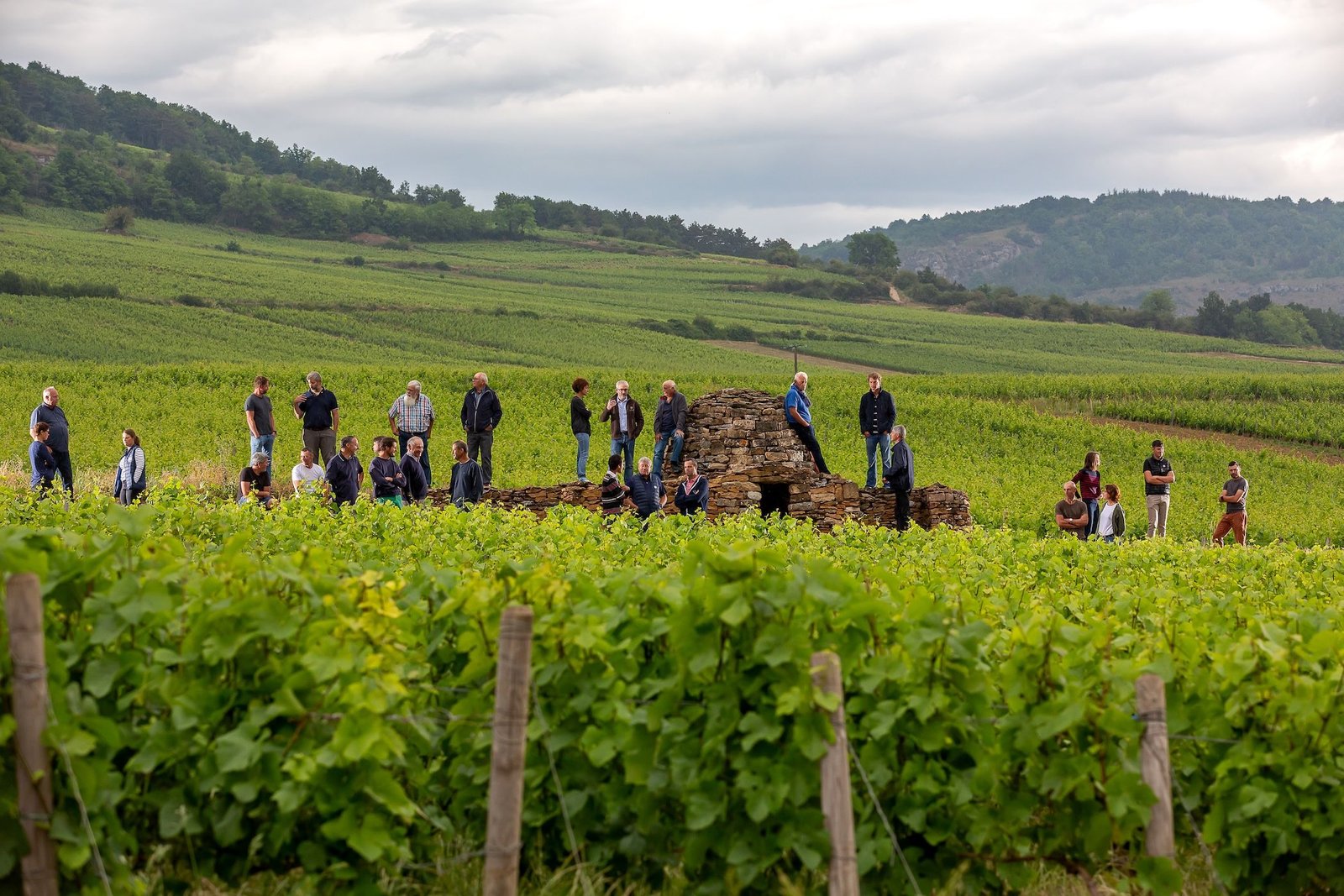
Burgundy is as rooted as places get, but its great winter festival never stays put. Each January the St-Vincent Tournante migrates to a different corner of the region, and in 2026 it came to one of its least known: Maranges.
The party started at 5.30am at Domaine Chevrot, where the Chardonnay was already flowing, and tasted surprisingly good for such a godforsaken hour.
Brass bands struck up in the mist as more than 80 village societies set off, banners aloft and statues of St-Vincent, patron saint of vignerons, hoisted on shoulders.
Few outside Burgundy have heard of the villages of Cheilly, Dezize and Sampigny-lès-Maranges, judging by the blank expressions of my Parisian neighbours. Until the festival, I hadn’t either.
Celebrating solidarity
(Image credit: Etienne Ramousse)
Established in 1938 by the Confrérie des Chevaliers du Tastevin, the festival grew out of the sociétés de secours mutuel – mutual-aid societies whose members worked the vines of a sick neighbour and, if it came to it, saw them honourably buried.
The three villages are tiny, but the 82nd edition of the festival drew 60,000 people. This is no tourist spectacle, however, but the ritual transmission of a living culture.
Among the new knights inducted that morning was Marion Duchemin, who spent two years chairing the organising committee. The ceremony, she says, ranked among the most significant moments of her life.
Get our daily fine wine reviews, latest wine ratings, news and travel guides delivered straight to your inbox.
Crossing the threshold
(Image credit: Etienne Ramousse)
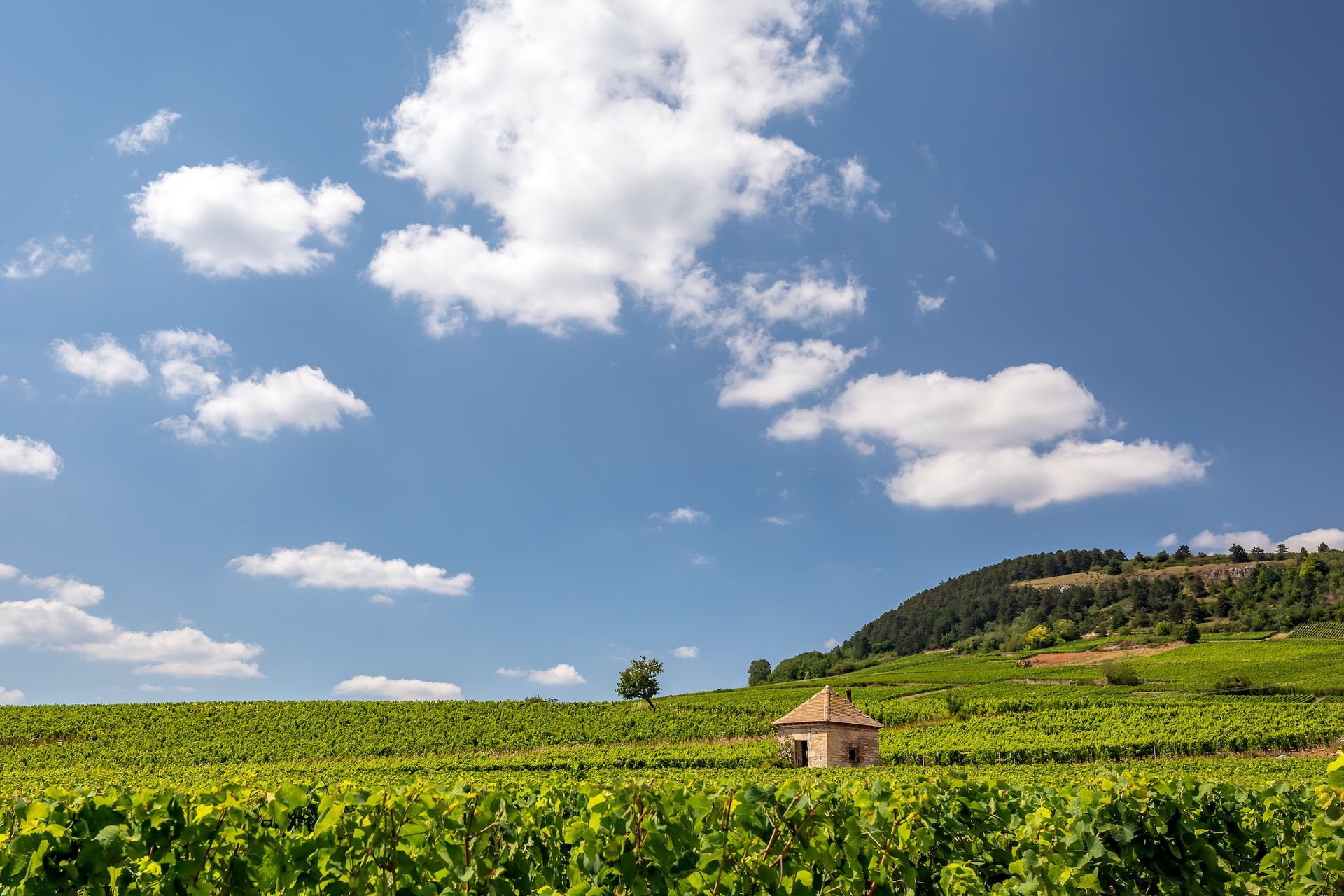
I returned in late summer, just after one of the earliest harvests in seven centuries of Burgundian records.
Local vigneronne Manon Rousseau-Guérin collected me from the station and followed the tree-lined Cozanne river into a green fold between two hills.
Maranges is the southernmost appellation of the Côte de Beaune, lying just across the département line in Saône-et-Loire.
Its 200ha, made up of 90% Pinot Noir, curve around the slopes of the three villages. Its seven south-facing premiers crus cluster beneath the Montagne des Trois Croix.
Only raised to appellation level in 1988, it is the Côte’s youngest appellation. Before then its sturdy reds were largely sold in bulk as vins médecins, lending colour and grip to more famous names.
Walking the fault
(Image credit: AOC Maranges)
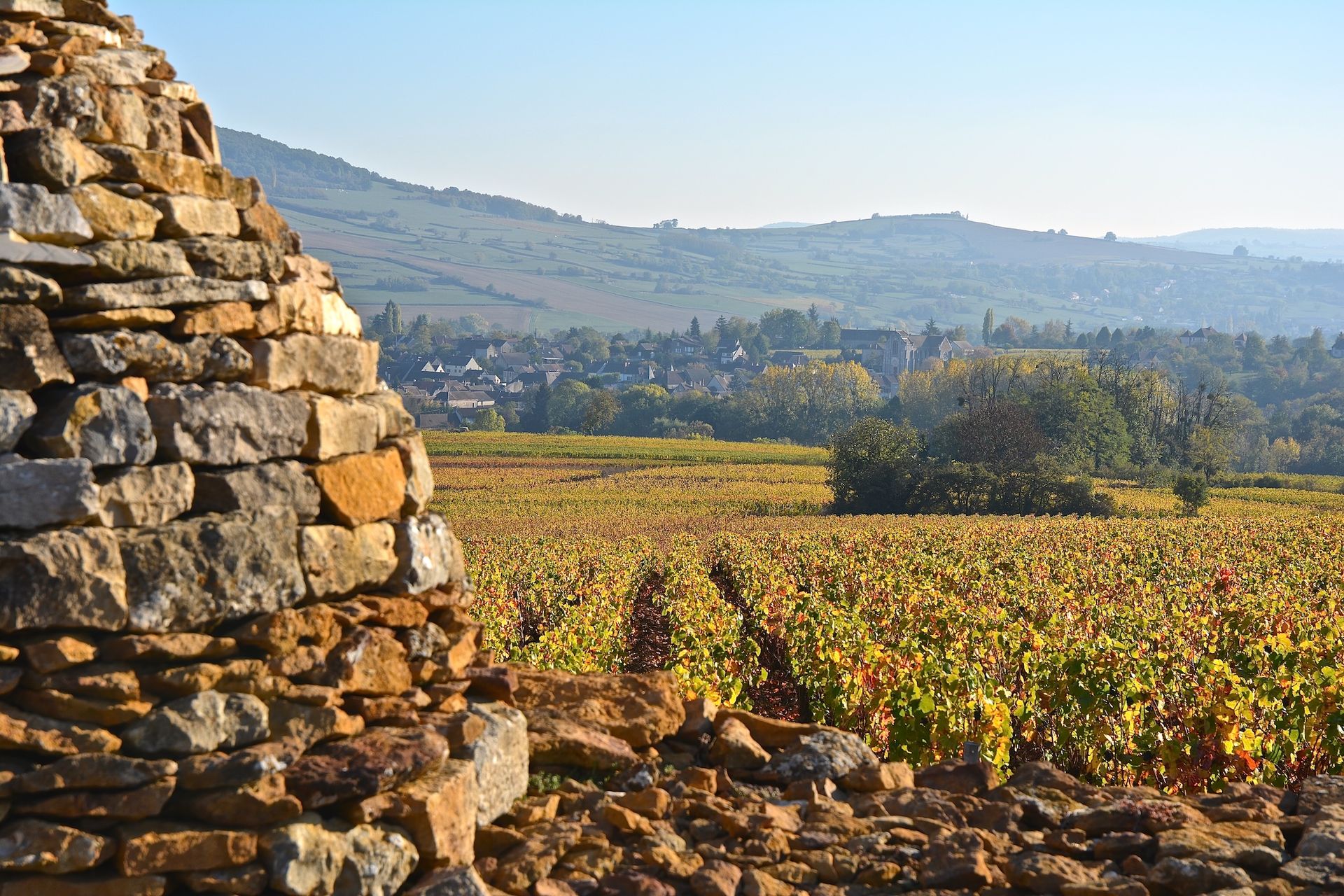
From the summit of the Trois Croix, Pablo Chevrot walks me through the making of the landscape.
Over untold millennia, the limestone cliff crowning the hill has crumbled in fits and starts, sending blocks and scree down onto the blue-black marls beneath.
Belemnites, the bullet-shaped remains of ancient squid, litter the vineyards alongside curled Gryphaea oysters. It’s hard to fathom, but the hill was once seabed.
Winding down, we arrived at a road. ‘We are on the fault,’ says Chevrot. ‘Maranges is on the right, Santenay on the left.’
A fault is a fracture in the Earth’s crust where the rock on either side has shifted. Here, the fracture breaks the Côte’s dominant east-facing line, and the slopes swing south.
Rain seeps into the fissured limestone above and collects like a reserve, Chevrot explains, until it meets the marl and follows it downslope.
The stony surface looks parched, but deep-rooted vines, many 60-80 years old, reach through cracks in the rock into the moist clay below.
Yet the reserve holds only what winter rain delivers. Three straight droughts from 2018 to 2020 left the vines severely stressed.
Despite the infernal summer of 2026, two wet winters have kept the vines verdant. ‘But one day, we will need some water,’ says Chevrot.
Tasting the hill
(Image credit: AOC Maranges)
Maranges has long been known for rustic reds with firm tannins, leather and spice. That rusticity, however, is a product of culture as much as nature.
A new generation is extracting more gently, with some whole bunches and larger vessels, letting each cru speak in its own tongue.
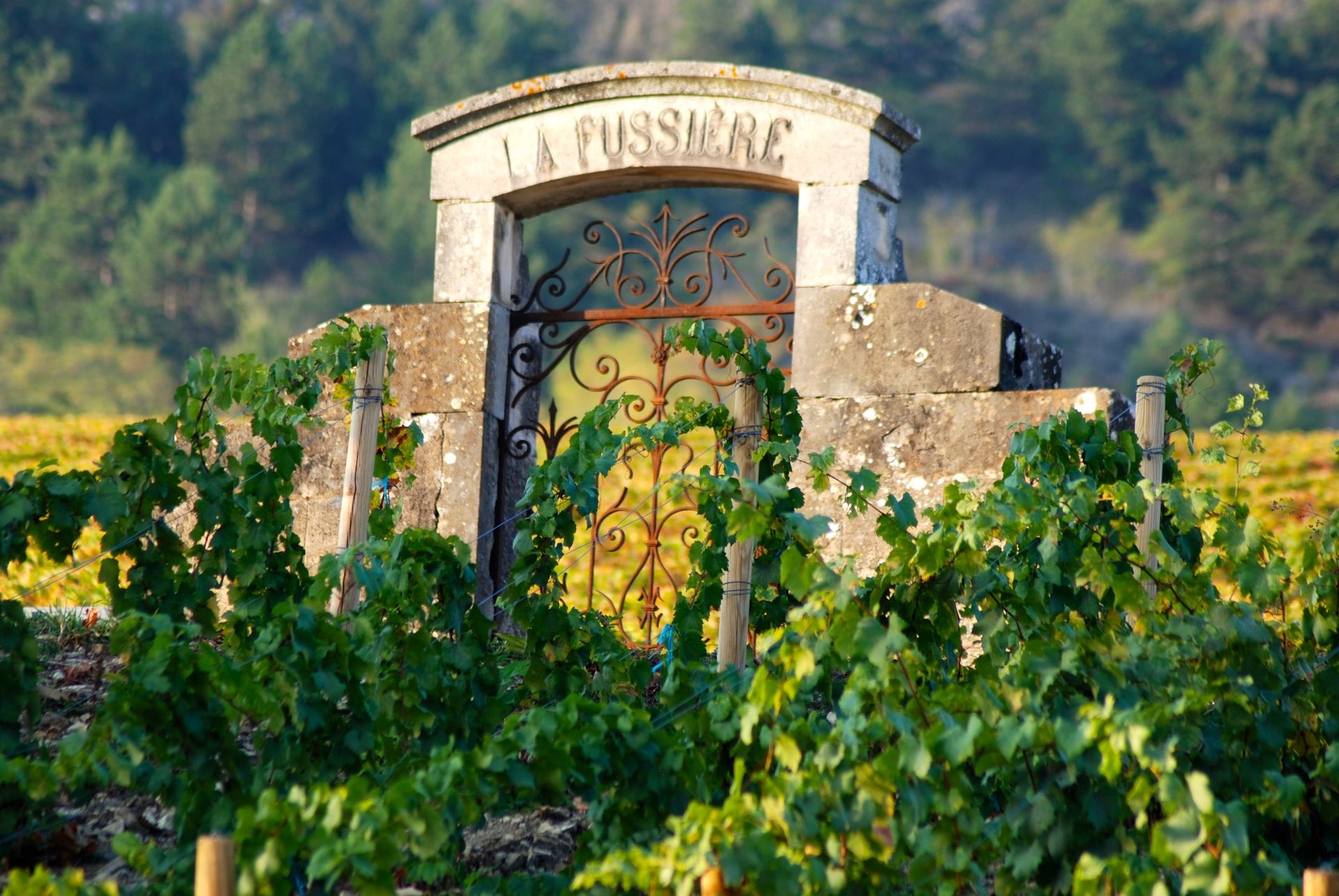
Of the seven premiers crus, Clos des Loyères and Clos de la Boutière are the most muscular, Clos des Rois and Les Clos Roussots the most charming, and La Fussière, the largest, perhaps the most quintessentially Maranges.
Just beneath the cliff at 370m, Le Croix Moines is taut, elegant and built to age. If Maranges had a grand cru, this would be it, reckons Pablo, who farms a sliver of it by hand and horse.
Some 90m lower, groundwater keeps Les Clos Roussots cool and late-ripening. Aurore Bachelet’s juicy, open 2024 shows what it can give.
Most premiers crus drink well for three to eight years, some far longer. Nicolas Perrault and Bachelet-Monnot, two standout producers, proved it with impeccable bottles going back to 2005.
Burgundy within reach
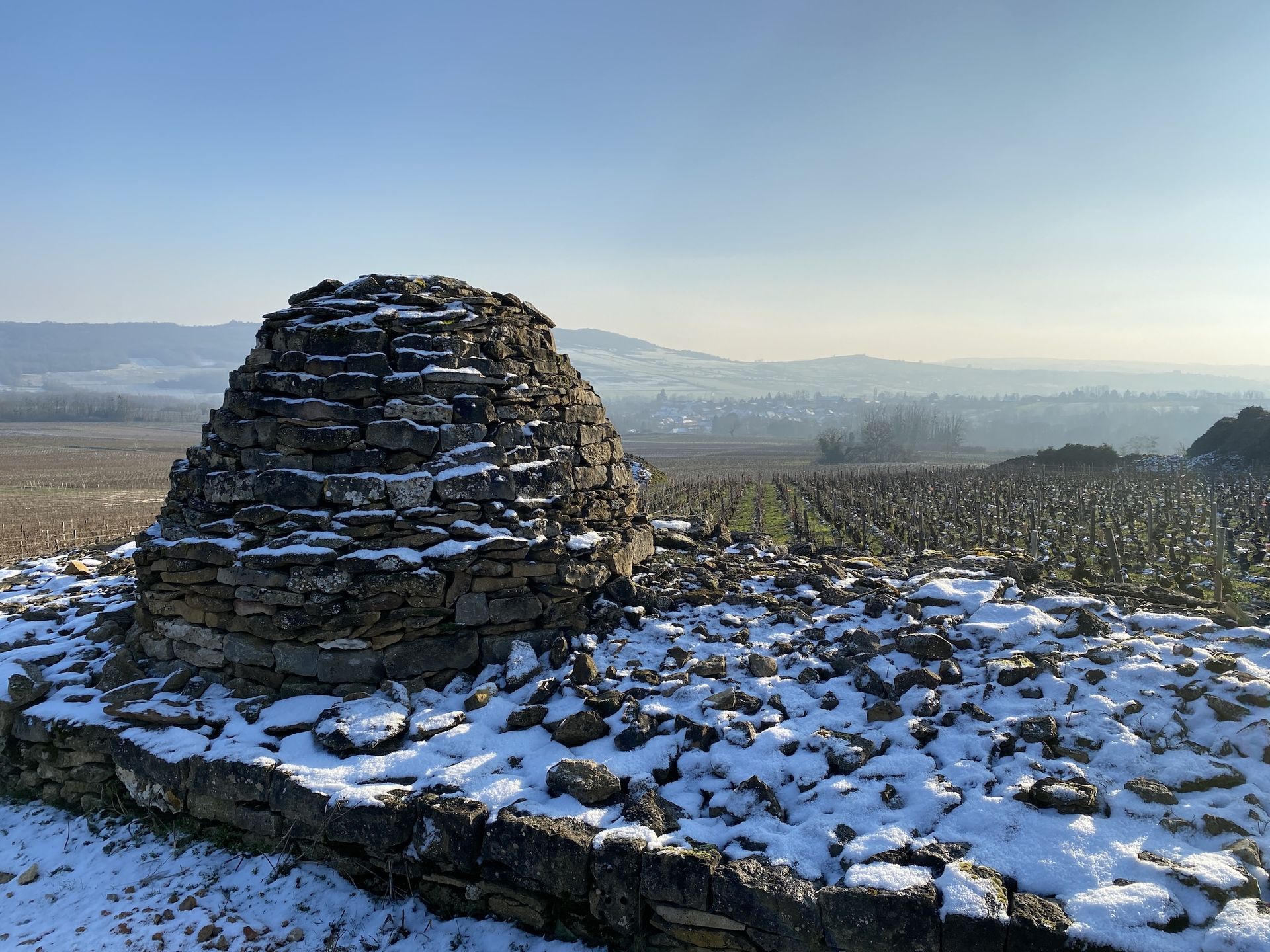
(Image credit: Etienne Ramousse)
Women play an increasingly visible role in Maranges today, and their names now appear on labels and domaine signs, where once only fathers’ and sons’ did.
Marie Bouthenet, 35, runs the family domaine, which bears her name. Her mother, she says, worked as hard as any man, yet by tradition domaines carried only male names.
As Elodie Roy points out, Maranges is a Burgundy where you can still walk in, taste with the grower and buy at the cellar door.
It is also a Burgundy we can afford. Good village wines start around €15, and most premiers crus cost €20-€40.
Having followed the fault and water downhill, we arrived at the green banks of the Cozanne river, low but still moving after the long summer.
Listening to it run with Chevrot, Rousseau-Guérin and Roy, I thought back to the winter procession.
Saint-Vincent not only brought visitors to this overlooked corner of Burgundy, but also renewed energy to its vignerons, who, like the land itself, remain in the flow.
Eight wines from Maranges
Related articles
Explore More



