
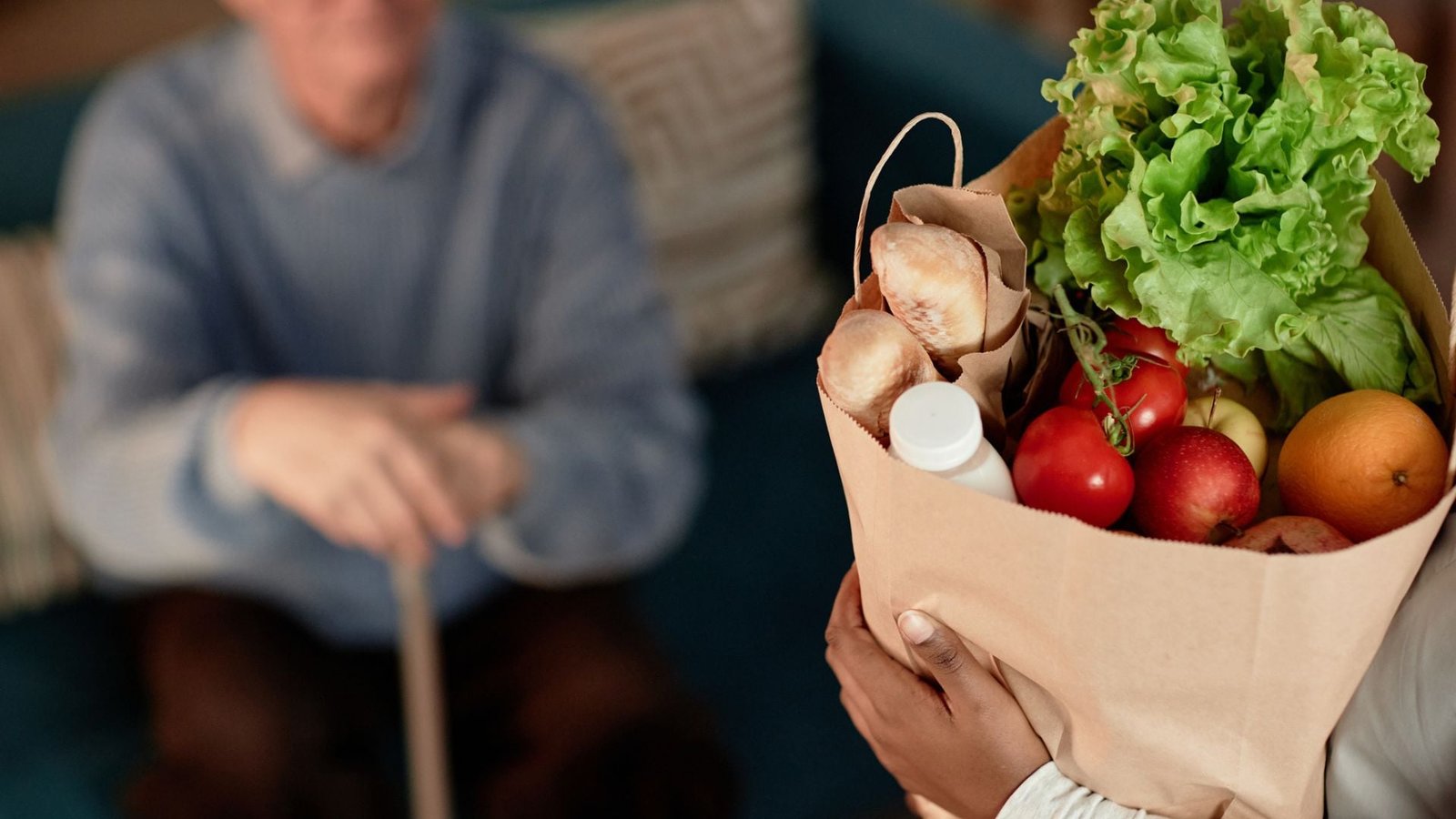
Eisai has partnered with CaringKind to expand its nutrition support initiative to cover Alzheimer’s disease and related dementias (ADRDs).
The Japanese drugmaker created its “Magnolia Meals at Home” service for cancer patients. Through the program, Eisai provides up to two months of home meal deliveries for eligible cancer patients and their families in areas close to its U.S. offices. As of January, the company had delivered more than 160,000 meals and enrolled more than 5,400 patients.
Eisai, which sells the Alzheimer’s drug Leqembi with Biogen, worked with the ADRD caregiving experts at CaringKind to expand the program. Through “Magnolia Meals at Home for ADRD,” Eisai offers guidance on brain-healthy diets, how nutrition needs change as disease progresses and recipes.
While Eisai has used the “Magnolia Meals at Home” branding developed for the cancer service, the ADRD initiative is a different proposition. The cancer “Magnolia Meals at Home” website focuses on a meal delivery program and asks visitors to enter their ZIP code to check if the service is available in their area. The ADRD website focuses on tools and meal ideas to help make daily life easier and preserve dignity.
The expansion of the program reflects evidence of the role nutrition plays in ADRD. A randomized clinical trial of more than 2,100 older adults at risk of cognitive decline and dementia linked a structured lifestyle intervention to a statistically significant greater improvement in global cognition over two years. A diet rich in whole grains, legumes, olive oil, berries and vegetables was part of the lifestyle intervention.
As ADRDs progress, patients’ appetite and behavior can change. After being mostly independent in the early stages of disease, patients start needing daily help and may reach the point that swallowing and eating safety take priority. Eisai’s website features advice for people at each stage.
The initiative covers a key therapeutic area for Eisai, which recently forecast (PDF) that Leqembi sales will rise from 88 billion Japanese yen ($550 million) in 2025 to 300 billion Japanese yen ($1.9 billion) in 2028.



