
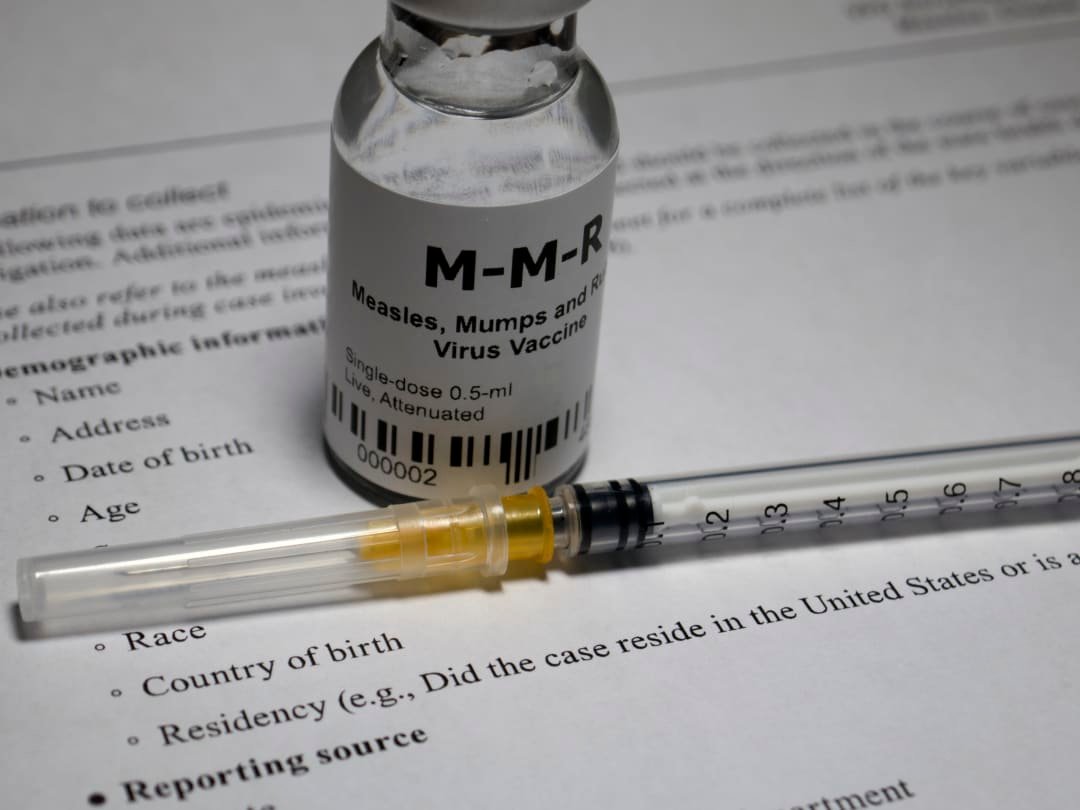
Teens and adults born after 1957 who have never had measles or been vaccinated, or who don’t have proof of immunity, should get at least one MMR shot. Certain groups should get two doses at least 28 days apart. That includes people at higher risk of exposure, such as college students, health care workers, and international travelers, as well as women who may become pregnant.
Measles during pregnancy can be dangerous for both the mother and the baby, and the MMR vaccine can’t be given during pregnancy. Women should wait four weeks after an MMR shot before trying to become pregnant. “This really should be something you think about before” pregnancy, Dr. Roberts says.
If a pregnant woman who isn’t immune is exposed, doctors can give her immune globulin, a treatment made from the blood of many donors that contains ready-made antibodies against measles. It offers temporary, borrowed protection that can help prevent infection or make it milder. But “that’s not going to work as well as pre-existing, vaccine-based immunity,” Dr. Roberts says. “Let your doctor know ASAP, because there’s a limited window to give these therapeutics.”
If you live in or are traveling to an area with an outbreak, check with your doctor or local health department. They may recommend an extra dose for some adults or an early dose for infants ages 6 to 11 months. If you’re traveling internationally, make sure you’re fully vaccinated before you leave, regardless of your destination.
Because MMR is a live vaccine, some people can’t get it safely, Dr. Roberts says. That includes people with weakened immune systems, those who have had an organ transplant, and those receiving certain treatments, such as chemotherapy, radiation, or immunotherapy. The vaccine is also usually not given to babies younger than 12 months.
That’s why it matters that everyone else is immune. “A lot of people say, ‘Why bother? I’ll be fine. I’m a young college kid, I’m healthy,’” Dr. Roberts says. “But measles is a disease where people who can’t get vaccinated really rely on the immunity of those around them. Especially around the holidays, you do not want to bring measles into a household. Even if you’ll recover okay, will everyone you’re encountering recover okay?”



