
Mother Jones illustration; Abaca/Pool/ZUMA
This is a story about how we—you and us here at Mother Jones—beat Jeff Bezos. Let me explain.
Remember the moment, a couple of months back, when Stephen Colbert was at a loss for words: “I don’t even know what to do with this crap,” he said on his show, before crumpling up a memo from his network bosses and depositing it in a dog poop bag. “I’m just so surprised that this giant global corporation would not stand up to these bullies!”
In the “crap” statement, CBS explained why it had essentially forbidden Colbert from airing his interview with Senate candidate James Talarico of Texas: The network said it had received “legal guidance” that the interview might violate the Federal Communications Commission’s equal time rule—a rule that late-night talk shows have been exempt from for almost 20 years. Surely it was coincidental timing that CBS chose to obey in advance just as its parent company, Paramount, sought the Trump administration’s blessing for its proposed merger with Warner Brothers Discovery. Just like last year, when then–Paramount owner Shari Redstone reportedly let it be known that 60 Minutes shouldn’t offend President Donald Trump until she consummated the network’s sale, which also needed approval. Or when the current owners of Paramount—David Ellison and his billionaire father, Larry—appointed Bari Weiss, who made her name attacking major media as too far left, CBS’s editor-in-chief.
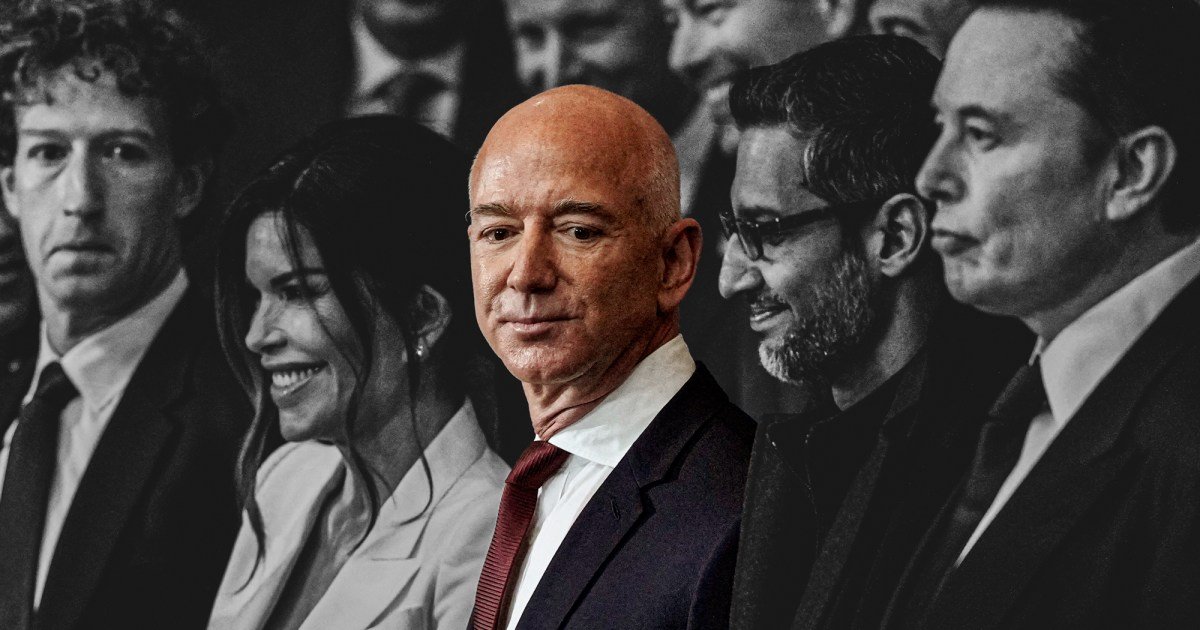
It’s not just CBS that has been plagued by coincidences in the Trump era. Jeff Bezos’ Washington Post spiked the paper’s endorsement of Kamala Harris. Soon after sitting onstage at Trump’s second inauguration, Bezos announced that the Post’s opinion pages would henceforth publish only pieces supporting “personal liberties and free markets.” A year later, the Post laid off 40 percent of its staff.
None of this was coincidental. It was a result of the longest-running problem plaguing American journalism: that we’ve entrusted this vital public service (mostly) to for-profit companies whose allegiances shift with the political winds and the bottom line. CBS began squeezing its news division to grab ratings and profits in the mid-1980s (add Broadcast News to your Netflix queue) and suppressed its landmark interview with tobacco industry whistleblower Jeffrey Wigand in 1995 (watch The Insider next). The New York Times missed the boat on the AIDS epidemic and, along with other big newsrooms, fell for the racist “superpredator” narrative in the ’90s. In the runup to the war in Iraq, the Post buried its own—excellent—reporting on the Bush administration’s lies about weapons of mass destruction while the Times let reporter Judith Miller amplify the WMD lies.
Newspaper jobs have declined by 80 percent—faster than coal mining jobs.
Throughout, America’s media companies delivered a lot of fantastic reporting. But they also had to deliver quarterly returns for multinational parent companies (GE, Westinghouse, Verizon, Comcast) and hedge funds (Alden Global Capital) to whom news was a sideshow at best, an inconvenience at worst. This is why, for decades now, we’ve heard that giant sucking sound of newsrooms being emptied out across the country. Newspaper employment stood at 425,000 in 2000. By 2026, it was down to 79,000—a drop of more than 80 percent. Coal mining jobs, by comparison, have declined 50 percent.
Which brings us to Mother Jones. This magazine was founded 50 years ago as an independent nonprofit precisely because, even in 1976, it was clear that journalism was never going to be the driving passion of a plutocrat.
Fifty nail-biting, scratching and clawing, experimenting and innovating years later, we are still here and bigger—if not in budget, then in impact—than many for-profit newsrooms. Our newsroom is still a lot smaller than the Post’s, but our audience on YouTube—where many, especially younger people, get their news—is growing faster; about 50 percent more people watch each of our videos, on average, than the Post’s. Their print circulation is down almost 90 percent from 20 years ago; ours is up more than 10 percent. (And along the way, we’ve published some killer exposés on Amazon.)
Would MoJo have made good use of the cash—at least $700 million—that Bezos sank into the Post? Hell, it would have covered our entire budget for more than 25 years. Am I crazy proud of our team for doing better than a billionaire despite all the headwinds? Hell yes.
And who else am I crazy proud of and grateful for? You. You are the only reason we are still here after 50 years, the reason we have been able to grow as corporate media crumbled around us. You are why we can stand strong as others bend the knee. And together, we even beat Bezos and all his billions. So thank you, and bravo.



