
A panel of the Florida Legislature agreed Friday to distribute more than $105 million in federal dollars to shield FIFA World Cup matches in Miami from unmanned drones and other attacks.
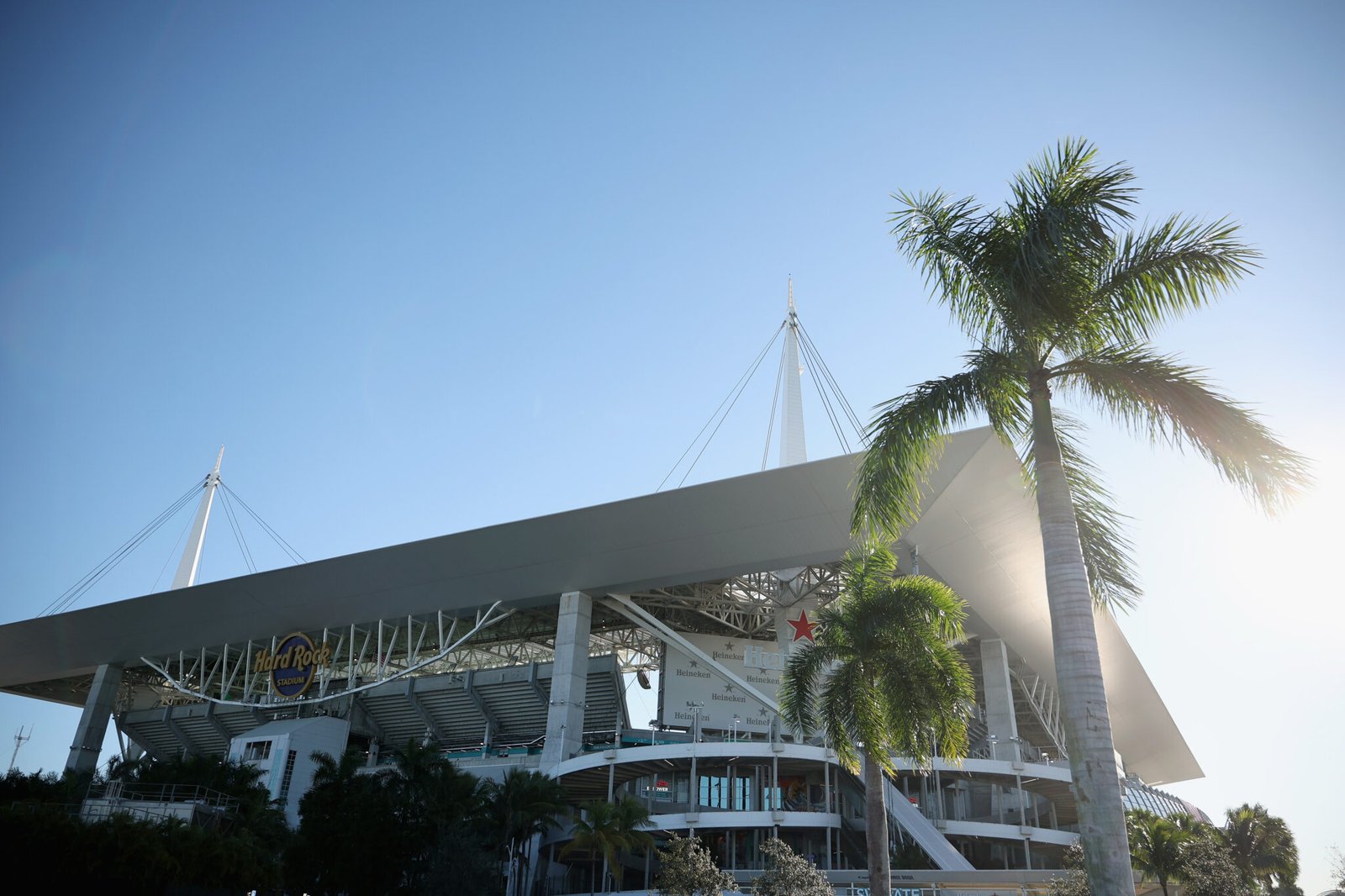
The money, which comes from various federal programs, will go to the Florida Division of Emergency Management (FDEM) and the Florida Department of Law Enforcement (FDLE) to secure the seven summer matches scheduled for Miami Gardens’ Hard Rock Stadium.
FDEM received $73.6 million from the Federal Emergency Management Agency and an additional $15.5 million from the federal Counter-Unmanned Aircraft Systems Grant Program for the project.
The lion’s share, $63 million, will reimburse local law enforcement agencies for overtime costs.
All dollars will go to Miami-Dade County, which will decide the best ways to implement security measures and prevent illegal drones flying overhead.
FDLE, meanwhile, received more than $16.2 million from FEMA for similar purposes.
“This is for purchase of equipment to detect and mitigate the threat of drones … flying into areas that FDLE has been requested to try to protect,” FDLE’s general chief of staff, Tim Fitzgerald, told the joint Legislative Budget Commission during Friday’s afternoon meeting. The panel is authorized to approve expenditures when the Legislature isn’t in session.
The heightened security is partially because fans at the Copa America final two years ago stormed the stadium’s gates, resulting in 27 arrests, 55 ejections, and numerous injuries.
The federal funding comes two months ahead of the first World Cup game in Miami, which is scheduled for June 15. There’ll be six more, including a quarterfinal on July 11 as the city’s final match. Mexico and Canada, along with 10 other U.S. cities, will host the tournament.
The World Cup, the United States’ first since the women’s competition in 2003, has been mired in immigration- and war-related controversy. The humanitarian group Amnesty International in March warned foreign fans of an alleged “human rights emergency” in the United States due to its hardline anti-illegal immigration policies and loose leash on its ICE agents.
President Trump in June passed a travel ban on a host of foreign citizens, and in January expanded the decree to stop immigrant visa processing for 75 countries, the Council on Foreign Relations reported.
Haiti, Iran, the Ivory Coast, and Senegal are all scheduled to play in the United States. All fall under Trump’s travel ban. These fans won’t be able to attend the U.S. games.
Reuters in March reported that U.S. officials should be on guard for potential terrorist attacks on fans or at the games, potentially due to civil unrest over immigration policies and the Iran war.



